

Non-diabetic hypoglycemia often stems from several underlying medical issues. First of all, reactive hypoglycemia occurs when your body overproduces insulin after high-carb meals. Furthermore, excessive alcohol consumption or specific medications can trigger sudden drops. Sometimes, underlying liver or kidney diseases are responsible. You should definitely consult a healthcare professional for a complete clinical evaluation.
Have you ever felt a sudden, shaky crash after a long day? Feeling dizzy and disoriented when you haven’t been diagnosed with a chronic condition is truly terrifying. Many of my patients ask, “What causes low blood sugar without diabetes?” during their very first visit. It is a deeply unsettling experience when your body feels completely out of control despite following a seemingly healthy routine.
I recently interviewed a patient named Sarah for a metabolic study regarding non-diabetic glucose fluctuations. She frequently felt “fuzzy,” intensely weak, and irritable about three hours after eating a large lunch. Sarah was understandably confused because her standard fasting tests always came back perfectly normal. After careful monitoring, we discovered she was actually experiencing reactive hypoglycemia, a condition where the body overreacts to carbohydrate intake.
This physiological response is much more common than most people realize, yet it requires a thorough medical evaluation to manage properly. Understanding the root cause is the first step toward reclaiming your daily energy and mental clarity. Are you ready to finally uncover why your energy levels are dipping so unexpectedly? Let’s explore the complex science behind these frustrating sugar crashes together.
TL;DR Summary
- Hypoglycemia: Occurs when blood sugar drops below 70 mg/dL.
- Two Main Types: Reactive (after meals) and Fasting (between meals).
- Common Triggers: High-sugar foods, alcohol, and certain medications.
- Key Symptoms: Shaking, sweating, confusion, and intense hunger.
- Safety First: Always carry a fast-acting carb if you have frequent drops.
What Is Hypoglycemia (Low Blood Sugar)?
Glucose is the primary fuel for your brain and muscles. Your body works hard to keep this fuel at a steady level. Normally, your pancreas releases insulin to lower sugar after you eat. Meanwhile, your liver releases stored sugar when you haven’t eaten.
Hypoglycemia happens when this balance breaks. Specifically, it is defined as a blood glucose level below 70 mg/dL. For most people, this is the point where symptoms start. However, some people feel symptoms at slightly higher levels.
In a healthy body, the “low” signal triggers the hormone glucagon. This hormone tells the liver to dump glucose into the blood. If this system fails, your sugar continues to drop. Consequently, your brain starts to starve for energy. Understanding what is insulin and how it regulates glucose is essential to grasping why these crashes happen.
Can You Have Low Blood Sugar Without Diabetes?
Yes, you can certainly experience a hypoglycemic episode without diabetes. Many people assume only those on insulin face this risk. That is a common misconception. Non-diabetic hypoglycemia is a distinct clinical condition. Doctors divide this into two categories. The first is “reactive,” which happens after eating. The second is “fasting,” which occurs when the stomach is empty. Both can cause significant distress.
Furthermore, the causes for non-diabetics are usually different. In diabetes, the cause is often too much medication. In non-diabetics, it usually involves an underlying health issue. Identifying the root cause is essential for proper treatment.
Learning about how diabetes develops in the body can also help clarify why non-diabetic crashes are a completely separate issue. According to Healthline, Hypoglycemia Without Diabetes: What Does It Mean, non-diabetic hypoglycemia is a real and distinct clinical condition that requires its own investigation and treatment approach.
What Causes Low Blood Sugar Without Diabetes?
When investigating what causes low blood sugar without diabetes, we must look at several factors. The mechanisms are often complex. First of all, we look at how your body processes carbohydrates.
Reactive Hypoglycemia
This is the most frequent cause I see in the clinic. It happens within four hours after a meal. Your body may release too much insulin in response to food. As a result, your blood sugar drops too low, too fast. This often happens after high-sugar meals.
It is also common in people who have had gastric bypass surgery. In those cases, food moves too quickly into the small intestine. This triggers an “insulin dump.” The Mayo Clinic, Reactive Hypoglycemia: What Causes It explains that this overproduction of insulin after eating is the most common driver of non-diabetic glucose crashes.
Fasting Hypoglycemia and Medical Issues
Fasting hypoglycemia is often more serious. It can signal an underlying illness. For instance, severe liver disease prevents the liver from making glucose. If the liver fails, the body has no backup fuel. Kidney issues can also play a role. The kidneys help clear insulin from your system. If they don’t work, insulin stays active for too long. This leads to unexpected sugar drops between meals.
Hormonal Imbalances
Your adrenal and pituitary glands control glucose-regulating hormones. If you have Addison’s disease, your adrenal glands are weak. They cannot produce enough cortisol. Cortisol is vital because it helps raise blood sugar during stress.
Without it, you are prone to crashes. MedlinePlus, Addison Disease (Medical Encyclopedia) confirms that glucocorticoid hormones such as cortisol are essential for maintaining normal glucose control. Similarly, a lack of growth hormone can cause similar issues in children and some adults.
Rare Tumors
A very rare cause is an insulinoma. This is a small, usually benign tumor in the pancreas. It constantly pumps out insulin regardless of your sugar levels. Patients with this often have very low fasting blood sugar. As confirmed by MedlinePlus, Insulinoma (Medical Encyclopedia), insulinomas keep making insulin even when it is not needed, causing dangerously low blood glucose that can lead to seizures and coma.
Alcohol Consumption
Alcohol can block the liver from releasing glucose. If you drink on an empty stomach, your risk increases. This is especially true after a night of heavy drinking. Your body focuses on clearing the toxin instead of maintaining sugar levels. People who frequently ask can diabetics drink alcohol should also understand that even healthy individuals face real hypoglycemia risks when combining alcohol with fasting.
What Foods Can Trigger Hypoglycemia?
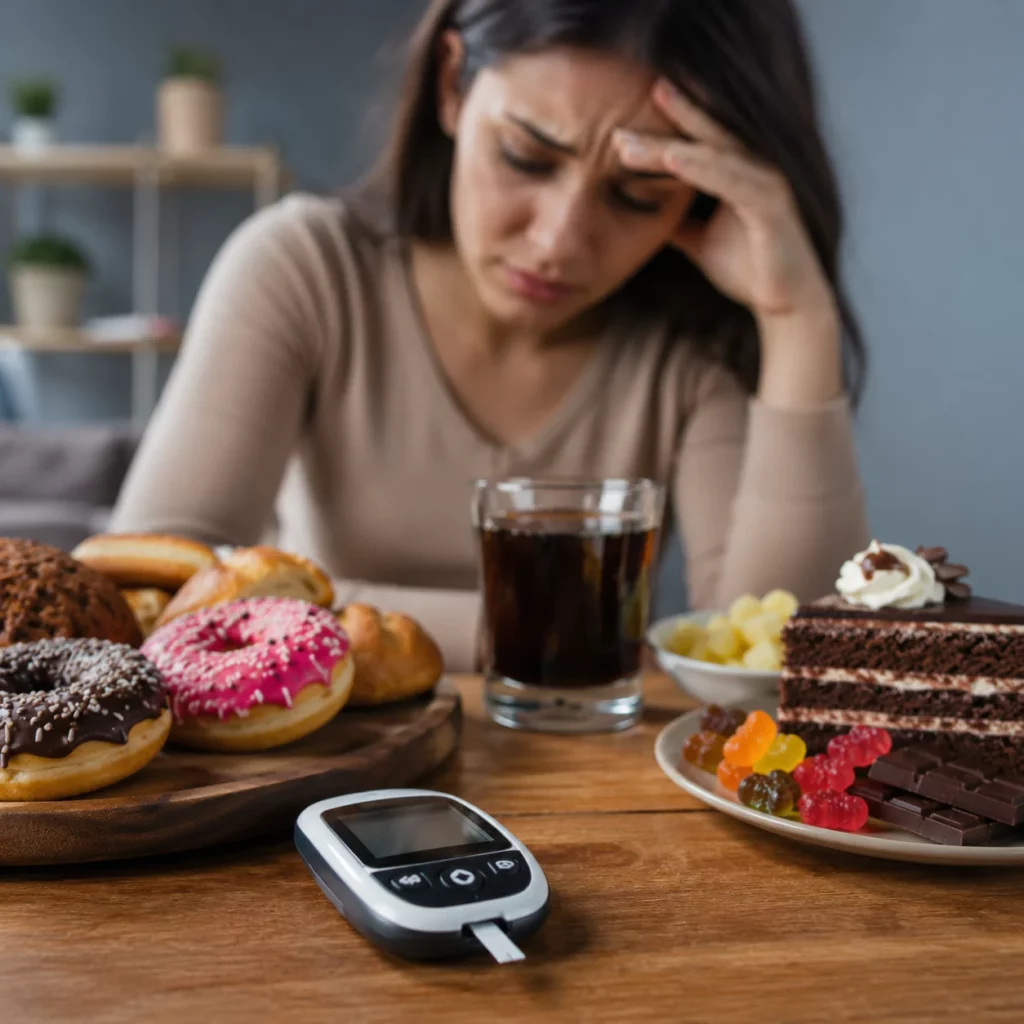
Diet plays a massive role in managing sugar. You might wonder, what foods trigger hypoglycemia? Ironically, the biggest triggers are often high-sugar items. When you eat refined carbs, your sugar spikes rapidly. Think of white bread, sugary sodas, or candy. Your pancreas senses this “emergency” spike. It responds by flooding the bloodstream with insulin.
Because the insulin response is so strong, it overshoots the mark. Your sugar then crashes below the starting point. Therefore, choosing complex carbs is much safer. Fiber slows down the absorption of sugar into the blood.
Following a low-carb diet for diabetics style of eating also benefits non-diabetics who struggle with reactive crashes. The WebMD, Reactive Hypoglycemia: What Is It? Symptoms, Causes, Treatment confirms that eliminating high-sugar, refined carbohydrate foods is the single most effective dietary strategy for managing reactive hypoglycemia.
Low Blood Sugar From Not Eating
Experiencing low blood sugar from not eating is a common symptom during long fasts. Your body relies on glycogen stores in the liver. Most people have about 24 hours of storage. If you skip many meals, these stores run dry. At this point, your body must make new sugar from protein and fat. This process is called gluconeogenesis. If this process is slow, your sugar will drop.
This is often worse if you are also physically active. Exercise burns through glucose quickly. Without food, blood sugar dropping becomes a real risk. Always try to eat small, frequent meals to stay stable throughout the day.
Low Blood Sugar in the Morning (Non-Diabetics)
Do you wake up feeling shaky or sweaty? Low blood sugar in the morning for a non-diabetic is a specific concern. It usually stems from a long overnight fast.
If your evening meal was very high in sugar, you might crash by dawn. This is a form of delayed reactive hypoglycemia. Additionally, drinking alcohol before bed is a frequent culprit. Hormonal shifts also occur in the early morning hours.
Most people experience a “dawn phenomenon” where sugar rises. If your body cannot handle this shift, you may feel weak. It is best to check your levels immediately upon waking. Knowing what is normal blood sugar helps you quickly assess whether your morning reading requires action.
Why Blood Sugar Drops Hours After Eating
If you find your blood sugar 4 hours after eating is low, it is likely reactive. This timing is a classic sign of an overactive insulin response. The body should be returning to a “fasting” state at this point. However, if insulin is still high, the sugar keeps falling. This creates a cycle of hunger and fatigue.
Many people try to fix this by eating more sugar. Unfortunately, this only repeats the cycle. I recommend eating a snack with protein and fat instead. This helps stabilize the blood sugar for the long term. The WebMD, Hypoglycemia (Low Blood Sugar): Symptoms, Causes, Treatment, Diet confirms that choosing complex carbohydrates with protein significantly reduces the risk of post-meal glucose crashes.
Low Blood Sugar at Night Without Diabetes
Waking up in a cold sweat can be terrifying. What causes low blood sugar without diabetes at night? Often, it relates to your activity level during the day. If you did a hard workout in the evening, your muscles keep taking up glucose. This continues even while you sleep. If you didn’t eat enough after the gym, you will crash.
Some medications can also cause nighttime drops. For example, certain heart medications or antibiotics might interfere with glucose. Always review your prescriptions with your doctor if you have night sweats. Understanding the blood sugar levels chart helps you interpret your overnight readings accurately.
Low Blood Sugar During Pregnancy
Pregnancy changes your metabolism completely. Many women ask, “What causes low blood sugar without diabetes during pregnancy?” Your baby requires a constant supply of glucose.
Because the baby takes what it needs, your levels can dip. Morning sickness also makes it hard to keep food down. This leads to frequent fasting hypoglycemia. Furthermore, hormonal changes can make you more sensitive to insulin. This is usually the opposite of gestational diabetes. While less discussed, it still requires medical monitoring to keep mom and baby safe.
What Are the Symptoms of Low Blood Sugar?
Recognizing hypoglycemia symptoms but not being diabetic is the first step toward safety. Your body has two ways of telling you something is wrong. First, it releases adrenaline. This causes the “fight or flight” feelings. Second, your brain begins to lack fuel. This leads to cognitive issues. If you ignore the early signs, the situation can become dangerous.
5 Signs Your Blood Sugar Is Too Low
- Shaking or Trembling: This is often the very first sign people notice.
- Sweating: You may feel cold and clammy, even in a cool room.
- Dizziness: You might feel lightheaded or like the room is spinning.
- Intense Hunger: Your body is desperate for a quick energy source.
- Confusion: You may find it hard to focus or speak clearly.
Low Blood Sugar Levels in Women
There are unique factors regarding low blood sugar levels in women. Hormonal cycles can impact how you process sugar. For instance, some women feel more sensitive during their period.
Estrogen and progesterone influence insulin sensitivity. During certain phases of the month, you may be more prone to crashes. Pregnancy and breastfeeding also increase the body’s demand for energy. Furthermore, women are statistically more likely to have certain autoimmune issues.
Some of these can affect the adrenal glands. If you notice a monthly pattern to your crashes, track them in a journal. Women should also learn about the symptoms of prediabetes in females since hormonal patterns that cause crashes can sometimes overlap with early metabolic changes.
What Level of Low Blood Sugar Is Dangerous?

Knowing what level of low blood sugar is dangerous is life-saving. Doctors use specific ranges to determine the severity of an episode. Most people start feeling symptoms around 70 mg/dL.
However, a drop below 55 mg/dL is considered “clinically significant.” At this level, brain function starts to slow down. If you hit this point, you need immediate help.
| Blood Sugar Level | Clinical Meaning | Action Required |
|---|---|---|
| 70 – 90 mg/dL | Normal Fasting | None, monitor if symptomatic |
| 55 – 69 mg/dL | Mild Hypoglycemia | Eat 15g of fast-acting carbs |
| 40 – 54 mg/dL | Serious Hypoglycemia | Urgent treatment: seek help |
| Below 40 mg/dL | Medical Emergency | Call 911/emergency services |
Normal Blood Sugar Levels for Non-Diabetics
To understand the lows, you must know the highs. Non-diabetic blood sugar levels stay in a tight range. A healthy fasting level is usually between 70 and 99 mg/dL. After a meal, your sugar should stay below 140 mg/dL. Within two hours, it should return to near-fasting levels. A healthy non-fasting blood sugar is stable throughout the day.
If your levels are consistently dipping below 70, it is not normal. Even if you “feel okay,” your organs may be struggling. Consistent monitoring with a doctor is the best approach. The National Institute of Diabetes and Digestive and Kidney Diseases, Low Blood Glucose (Hypoglycemia) recommends that anyone with recurring drops below this threshold seek clinical evaluation promptly.
What Conditions Can Mimic Low Blood Sugar?
Sometimes, what feels like a sugar crash is something else. What conditions can mimic low blood sugar? Anxiety is the most common mimic. A panic attack causes shaking, sweating, and a racing heart. These are identical to hypoglycemia signs. Similarly, dehydration can cause dizziness and confusion.
Thyroid disorders or inner ear issues can also make you feel lightheaded. If your blood sugar test is normal during an episode, look elsewhere. Your doctor might check your heart rhythm or blood pressure instead. Understanding the link between diabetes and anxiety can also help you differentiate between a true glucose crash and a stress-related episode.
Can Dehydration Cause Low Blood Sugar?
The question “Can dehydration cause low blood sugar?” has a nuanced answer. Dehydration does not directly lower glucose. However, it makes the blood more concentrated.
When you are dehydrated, your blood volume drops. This can make you feel dizzy and weak. These feelings are very similar to a sugar crash. Furthermore, dehydration stresses the body. Stress releases cortisol, which usually raises sugar.
But if you are already ill, the body’s systems might get confused. Always drink water before assuming you need sugar. The Mayo Clinic, Hypoglycemia Symptoms and Causes advises that checking your blood glucose level is the only reliable way to confirm whether symptoms are truly from a sugar crash or from another physical stressor like dehydration.
What to Eat When Blood Sugar Is Low
When a crash happens, you need a plan. Knowing what to eat when blood sugar is low can prevent a faint. We use the “15-15 Rule.”
Eat 15 grams of fast-acting carbohydrates. Then, wait 15 minutes and check your sugar again. If it is still low, repeat the process.
Good examples of 15g of carbs include:
- 4 ounces of fruit juice or regular soda
- 1 tablespoon of honey or sugar
- 3 to 4 glucose tablets
- A handful of hard candies
Once your sugar is above 70 mg/dL, eat a real snack. Choose something with protein and fiber, like an apple with peanut butter. This keeps the sugar from crashing again. The American Diabetes Association, Signs, Symptoms, and Treatment for Hypoglycemia (Low Blood Glucose) confirms that the 15-15 Rule is the universally recommended standard for treating any active hypoglycemic episode safely and effectively.
When to See a Doctor
Non-diabetic hypoglycemia is not something to ignore. You should see a clinician if you have frequent episodes. This is especially true if you lose consciousness. Bring a log of your symptoms and what you ate. This helps your doctor spot patterns. They may order a “72-hour fast” or a mixed-meal tolerance test.
Remember, your health is a priority. Sudden confusion or fainting is a medical emergency. Don’t wait for a “better time” to get help. Early diagnosis can prevent serious complications. The Cleveland Clinic, Hypoglycemia (Low Blood Sugar): Symptoms and Treatment strongly advises that recurring hypoglycemia in non-diabetics always warrants a full clinical workup to rule out serious underlying conditions.
Frequently Asked Questions
Can you have hypoglycemia without diabetes?
Yes, you can absolutely experience low blood sugar even without a diabetes diagnosis. Medical professionals call this non-diabetic hypoglycemia. It usually stems from underlying liver issues, specific hormone deficiencies, or intense reactive responses to certain foods. Therefore, if you feel shaky after eating, you should consult a doctor to find the root cause immediately.
Why does my blood sugar drop even though I don’t have diabetes?
Your blood sugar might drop because your body is overproducing insulin at the wrong time. Sometimes, this happens as a side effect of certain medications or hidden organ problems. Furthermore, intense physical activity without enough food can drain your glucose stores too quickly. Consequently, your brain lacks the fuel it needs to function properly throughout the day.
What causes sudden hypoglycemia?
Sudden drops are often caused by drinking alcohol on a completely empty stomach. Additionally, eating a very high-sugar meal can trigger a massive insulin spike that crashes your levels later. Some rare tumors or metabolic disorders also lead to these unexpected dips. Therefore, you must pay close attention to your meal timing to avoid these frightening physical symptoms.
What is reactive hypoglycemia?
Reactive hypoglycemia is a sugar drop that occurs within a few hours after eating a meal. This happens because your pancreas releases an excessive amount of insulin in response to carbohydrates. As a result, your blood sugar levels plummet lower than they were before you ate. Choosing complex fibers instead of refined sugars helps prevent this frustrating cycle effectively.
Is non-diabetic hypoglycemia dangerous?
Yes, this condition can be quite dangerous if your sugar drops low enough to cause fainting. It also significantly increases your risk of serious accidents while driving or operating heavy machinery. Furthermore, severe long-term drops can potentially damage your brain cells over time. Thus, you must treat every episode seriously to protect your overall health and personal safety.
Conclusion
In the final analysis, understanding what causes low blood sugar without diabetes is the first step toward reclaiming your energy and peace of mind. While a sudden “crash” can be frightening, it is often your body’s way of signaling a need for balance. Whether your symptoms stem from reactive hypoglycemia after a sugary snack or an underlying hormonal shift, these episodes are manageable with the right clinical approach.
As we have seen, non-diabetic hypoglycemia is a complex condition that requires more than just a quick sugar fix. It involves looking at your diet, your medications, and even your stress levels. During my interview with Sarah, she realized that skipping breakfast was the primary trigger for her afternoon slumps.
By simply adding protein to her morning routine, she eliminated her symptoms entirely. Like her, you can find a path to stability by paying close attention to your body’s unique rhythms.
Evidence-Based References:
- Mayo Clinic — Hypoglycemia: Symptoms & Causes (Non-Diabetic) https://www.mayoclinic.org/diseases-conditions/hypoglycemia/symptoms-causes/syc-20373685
- National Institute of Diabetes and Digestive and Kidney Diseases — Low Blood Glucose (Hypoglycemia) https://www.niddk.nih.gov/health-information/diabetes/overview/preventing-problems/low-blood-glucose-hypoglycemia
- Healthline — Hypoglycemia Without Diabetes: What Does It Mean? https://www.healthline.com/health/hypoglycemia-without-diabetes
- Medical News Today — Hypoglycemia Without Diabetes: Causes, Treatment, and Diet https://www.medicalnewstoday.com/articles/322744
- WebMD — Hypoglycemia (Low Blood Sugar): Symptoms & Treatment https://www.webmd.com/diabetes/hypoglycemia-overview
- Cleveland Clinic — Hypoglycemia (Low Blood Sugar) https://my.clevelandclinic.org/health/diseases/11647-hypoglycemia-low-blood-sugar
- Endocrine Society — Hypoglycemia https://www.endocrine.org/patient-engagement/endocrine-library/hypoglycemia
- MedlinePlus — Hypoglycemia https://medlineplus.gov/hypoglycemia.html
- National Center for Biotechnology Information — Non-Diabetic Hypoglycemia https://www.ncbi.nlm.nih.gov/books/NBK573079/
- National Center for Biotechnology Information — Non-Diabetic Hypoglycemia: Evaluation and Management in Adults https://www.ncbi.nlm.nih.gov/pmc/articles/PMC12250112/
- Harvard Health Publishing — Hypoglycemia https://www.health.harvard.edu/a_to_z/hypoglycemia-a-to-z