
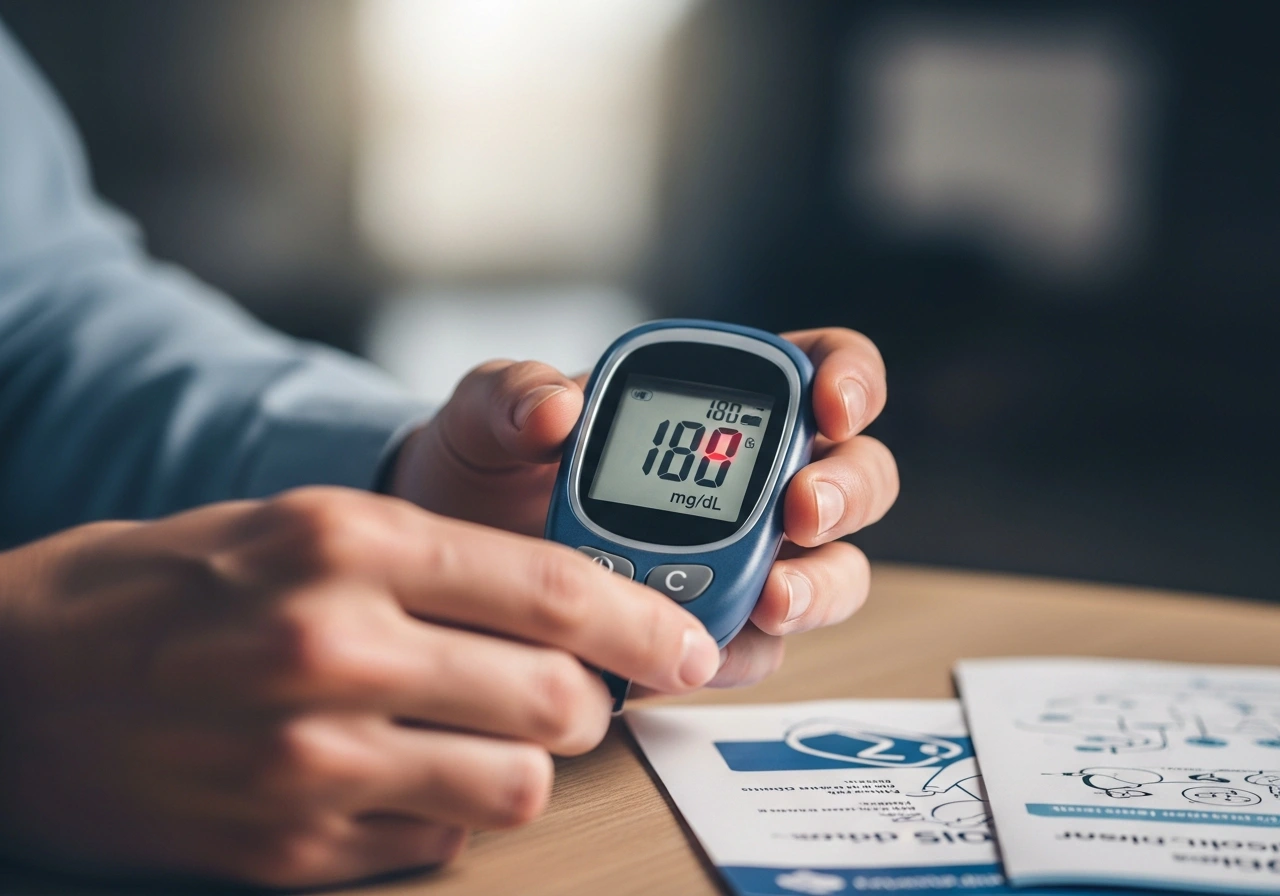
Glucose is the primary fuel source for your body’s cells, but like anything in biology, balance is essential. When your body cannot effectively move sugar from your bloodstream into your cells, the resulting buildup creates a state of internal stress.
High blood sugar, also called hyperglycemia, occurs when glucose levels rise above normal—typically over 180 mg/dL after eating or 130 mg/dL fasting. It is common in diabetes and can lead to serious complications if not controlled promptly.
In my years of clinical practice, I have found that high blood sugar often acts as a “silent” thief. I recently spoke with a patient, Mark, a 42-year-old software engineer. He felt “fine” for months, attributing his constant thirst and fatigue to long hours at his desk.
It wasn’t until a routine checkup revealed a blood sugar reading of 310 mg/dL that he realized his body was in crisis. Mark’s story is a reminder that knowing what is high glucose level and recognizing its subtle whispers can save your long-term health.
What Is High Blood Sugar (Hyperglycemia)?
To understand the condition, we must first answer the following: what is high blood sugar called in a clinical setting? Doctors refer to this state as hyperglycemia. It happens when there is too much glucose (sugar) in the blood.
This usually occurs because the body either doesn’t have enough insulin—the hormone that “unlocks” cells for sugar—or the cells have become resistant to insulin’s effects. Consequently, the sugar remains trapped in the bloodstream, circulating at levels that can eventually damage blood vessels and organs.
What Blood Sugar Level Is Deemed High?
The definition of “high” depends heavily on when you last ate. For someone without diabetes, the body keeps a very tight lid on glucose. For those managing diabetes, the targets are slightly broader but no less important.
When asking what is considered high blood sugar, most medical organizations point to two specific benchmarks. If your fasting glucose (after not eating for 8 hours) is 130 mg/dL or higher, it is elevated. If your glucose is 180 mg/dL or higher two hours after a meal, you are experiencing hyperglycemia.
Blood Sugar Levels Chart
Using a what is high blood sugar levels chart can help you quickly identify where your readings fall.
| Timing | Normal Range | High (Hyperglycemia) | Dangerous Level |
| Fasting | 70–99 mg/dL | 130+ mg/dL | 240+ mg/dL |
| 2 Hours After Meal | Under 140 mg/dL | 180+ mg/dL | 300+ mg/dL |
Understanding what is a high blood sugar level for your specific health profile is the first step in effective management. If your numbers consistently stay above these ranges, your treatment plan likely needs adjustment.
High Blood Sugar Numbers Explained
Many patients call my office in a panic asking, “Is 200 blood sugar normal after eating?” The short answer is no. Even for a diabetic, 200 mg/dL is above the recommended post-meal target of 180 mg/dL.
For a non-diabetic, a reading of 200 mg/dL is a significant red flag that requires immediate medical investigation. When we look at what is high blood sugar number ranges, we look for patterns. A single high reading might be a fluke, but consistent numbers in the 200s indicate your body is struggling to process energy.
What Is High Blood Sugar for Diabetics?
The targets for what is high blood sugar for diabetics are often individualized by their physician. However, general guidelines exist to prevent long-term damage to the eyes, kidneys, and nerves.
Type 1 Diabetes
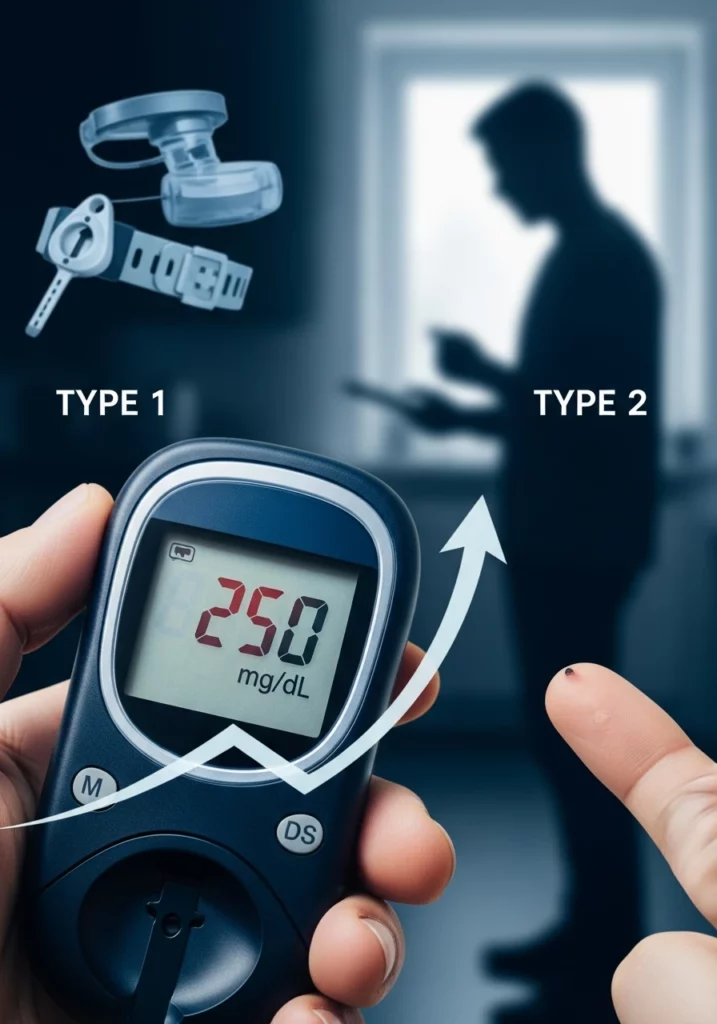
In Type 1 diabetes, the pancreas produces no insulin. Because of this, what is high glucose level for type 1 diabetes can escalate very quickly. If a Type 1 diabetic misses a dose or has a pump failure, their sugar can jump from 100 to 400 mg/dL in hours, putting them at high risk for Ketoacidosis (DKA).
Type 2 Diabetes
For what is high blood sugar for type 2 diabetes, the rise is often more gradual. Because the body still produces some insulin but uses it poorly, sugar levels might stay moderately high (200–250 mg/dL) for weeks before the person notices significant symptoms.
High Blood Sugar in Special Conditions
Pregnancy
When discussing what is high blood sugar in pregnancy, the stakes are doubled. Gestational diabetes can affect both the mother and the developing baby. Doctors use much stricter targets here; often, a fasting glucose over 95 mg/dL is considered high.
Children
Knowing what is high glucose levelblood sugar in children is vital for parents. Kids have higher metabolic rates, but their symptoms often manifest as irritability or bedwetting. Any fasting sugar over 130 mg/dL in a child should be evaluated by a pediatrician immediately.
Non-Diabetics
It is a common myth that only diabetics get high sugar. What is high blood sugar in non-diabetic usually caused by? Severe stress, steroid medications (like prednisone), or a major illness like pneumonia can cause sugar levels to skyrocket temporarily.
What Causes High Blood Sugar?
If you find your monitor flashing high numbers, you likely want to know what causes high blood sugar. In most cases, it is a combination of factors.
Diet is the most obvious trigger. Consuming more carbohydrates or sugar than your insulin can handle will cause a spike. However, physical inactivity also plays a role, as exercise helps muscles burn glucose even without extra insulin.
Stress and illness are the “hidden” causes. When you are stressed or sick, your body releases cortisol and adrenaline. These hormones tell the liver to dump extra sugar into the blood for “energy,” which leads to hyperglycemia.
What Happens When Blood Sugar Is Too High?
You might wonder, what happens if glucose level is too high for a long time? In the short term, you become dehydrated as your kidneys try to flush out the excess sugar through urine.
In the long term, what happens when your glucose level is too high is much more serious. It damages the micro-vessels in your body. This leads to blurry vision (retinopathy), numbness in the feet (neuropathy), and can eventually cause heart disease or kidney failure.
High Blood Sugar Symptoms
Recognizing the early warning signs of hyperglycemia can prevent a minor spike from becoming a major medical emergency. Many people ask, “what are 5 signs your glucose level is too high?” In my experience, these five high blood sugar symptoms are the most reliable indicators:
- Increased Thirst (Polydipsia): You feel like you cannot drink enough water, no matter how much you consume.
- Frequent Urination (Polyuria): Your kidneys are working overtime to filter excess sugar, leading to constant bathroom trips, especially at night.
- Blurred Vision: High sugar levels cause the lenses in your eyes to swell, changing your ability to focus.
- Fatigue: Even though there is plenty of sugar in your blood, it isn’t getting into your cells for energy, leaving you exhausted.
- Unexplained Weight Loss: This is common in Type 1 diabetes, where the body starts burning fat and muscle for fuel because it cannot use glucose.
How Do You Feel When Blood Sugar Is High?
Beyond the clinical signs, how do you feel when blood sugar is high on a sensory level? Patients often describe a “heavy” or “sticky” feeling in their limbs. Some report a persistent headache or a general sense of irritability.
If you find yourself snapping at loved ones or feeling unusually “foggy,” check your levels. This mental cloudiness occurs because the brain is extremely sensitive to glucose fluctuations.
What to Do When Blood Sugar Is High
Knowing what to do when glucose level is high is a skill every diabetic and caregiver must master. Your response should depend on how high the reading is and whether you feel ill.
If your reading is moderately high (e.g., 200–240 mg/dL), the first step is often hydration. Drinking two large glasses of water helps your kidneys flush out the excess glucose. If your doctor has provided a “sliding scale” for insulin, you may need to administer a correction dose.
Immediate Steps to Lower Blood Sugar
If you need to know how to reduce blood sugar level immediately, physical activity is one of the most effective tools—provided you do not have ketones. A 15-minute brisk walk can significantly increase insulin sensitivity and help your muscles burn off the extra glucose.
However, what to do if my glucose level is high and I feel nauseous? In this case, do not exercise. Nausea can be a sign of ketones, and exercise could actually drive your sugar levels higher and trigger a crisis.
What to Eat When Blood Sugar Is High
When your numbers are elevated, you must be extremely selective about your next meal. What to eat when glucose level is high should focus on fiber and protein.
Steer clear of “white” carbs like sourdough bread, pasta, or rice. Instead, opt for leafy green vegetables, a small serving of lean protein (like chicken or tofu), and healthy fats like avocado. These foods digest slowly and will not contribute to further glucose spikes.
Dangerous Blood Sugar Levels
There is a point where home treatment is no longer safe. Understanding what level of glucose level is dangerous is a matter of life and death.
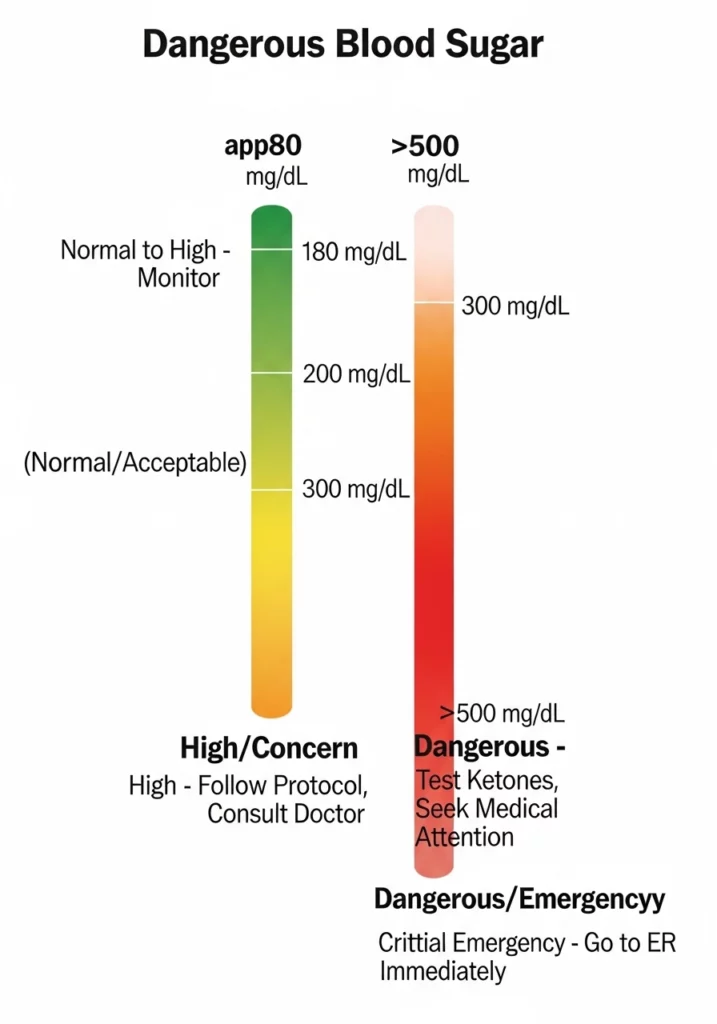
While 180 mg/dL is “high,” it is not typically an immediate emergency. However, what is dangerously high blood sugar? For most adults, a reading consistently over 300 mg/dL is a cause for extreme concern. If you see a number like this, you must test for ketones (using a simple over-the-counter urine strip).
Emergency Situations
If you are thinking, “my blood sugar is 250 what should I do?” the answer is to follow your doctor’s correction protocol and hydrate. However, if your glucose level is over 500 what to do becomes a much simpler answer: Go to the emergency room immediately.
At these extreme levels, you are at risk for what is high blood sugar emergency states like Diabetic Ketoacidosis (DKA) or Hyperosmolar Hyperglycemic State (HHS). These conditions can lead to coma, organ failure, or death if not treated with IV fluids and insulin in a hospital setting.
High Blood Sugar in the Morning and After Eating
Many patients are frustrated by what is high blood sugar in the morning, even when they haven’t eaten all night. This is often the “Dawn Phenomenon.”
Between 4:00 AM and 8:00 AM, your body releases growth hormones that trigger the liver to release glucose, preparing you for the day. For diabetics, the lack of insulin to counter this results in high morning readings.
In contrast, what is high glucose level after eating (postprandial hyperglycemia) is usually a matter of carb-to-insulin ratios. If your sugar spikes more than 50 mg/dL from your pre-meal reading, you likely consumed more fast-acting carbohydrates than your body or medication could handle.
Common Questions About High Blood Sugar
When you see a what is high blood sugar reading on your screen, it’s easy to second-guess the device. If a reading seems impossibly high and you feel fine, wash your hands and retest. Sugar residue on your fingertip from fruit or lotion can give a false “high” reading.
Remember, what is a high blood sugar event for one person might be routine for another. Always prioritize how you feel alongside the numbers on the screen.
High Blood Sugar in Pets (Brief)
Our furry companions are not immune to metabolic issues. If you have a diabetic pet, you might wonder what is dangerously high blood sugar for a cat.
Generally, a glucose level over 300 mg/dL in a cat is considered high, but an emergency occurs if it exceeds 450–500 mg/dL. Signs in pets include extreme lethargy, vomiting, or a “fruity” smell to their breath. If this happens, seek a veterinarian immediately.
Frequently Asked Questions
At what level is blood sugar considered high?
Typically, fasting levels over 130 mg/dL or post-meal levels over 180 mg/dL are considered high.
What are 5 signs your blood sugar is too high?
The most common signs are extreme thirst, frequent urination, blurred vision, unexplained fatigue, and dry mouth.
What to do when blood sugar is high?
Drink plenty of water to prevent dehydration, take any prescribed insulin “correction” doses, and take a light walk if you feel well enough and do not have ketones.
Is 200 blood sugar normal after eating?
No. For most people with diabetes, the goal is to stay under 180 mg/dL after a meal. For non-diabetics, it should be well under 140 mg/dL.
What happens if blood sugar is too high for too long?
Chronic high sugar damages blood vessels, leading to heart disease, kidney failure, permanent vision loss, and nerve damage in the extremities.
Conclusion
Understanding what is high blood sugar is more than just memorizing a set of clinical numbers; it is about learning to listen to the subtle signals your body sends every day. Hyperglycemia can feel overwhelming, especially when a reading like 250 mg/dL or 300 mg/dL flashes on your monitor.
However, as we saw with Mark’s journey, early awareness and consistent action are the keys to preventing long-term damage to your heart, eyes, and kidneys. Stable glucose level is a marathon, not a sprint. While a single spike from a holiday meal or a stressful workday is common, chronic high levels require a proactive partnership with your medical team.
By staying hydrated, recognizing your unique symptoms—like that distinct “heavy” fatigue or blurred vision—and following a balanced plan of movement and nutrition, you can effectively manage these peaks. Knowledge is your most powerful tool in diabetes care.
Now that you know what is considered high glucose level and how to respond in an emergency, you are better equipped to protect your future health. Don’t wait for symptoms to become severe; monitor your levels regularly and take charge of your metabolic well-being starting today.