
Men are notoriously resilient, often pushing through fatigue or minor physical changes without a second thought. However, when it involves metabolic health, “toughing it out” can be a dangerous strategy.
Recognizing diabetes symptoms men experience early on is the single most effective way to prevent long-term complications like heart disease or nerve damage. In my years of working with patients, I’ve noticed a recurring pattern: men often attribute high blood sugar signs to aging, stress, or a busy work schedule.
I recently interviewed a patient named David, a 52-year-old contractor. He spent months ignoring his constant thirst and a strange tingling in his feet, thinking it was just the result of long days on the job site. It wasn’t until he began experiencing significant vision changes that he sought help.
David’s story is a powerful reminder that early diabetes symptoms men face are often subtle. By the time the symptoms become impossible to ignore, the body has already been under significant stress. Understanding these warning signals isn’t just about health; it’s about maintaining your quality of life and staying active for your family.
What Are the Symptoms of Diabetes in Men?
When asking what is diabetes? and what are the symptoms of diabetes in men, it is important to understand that the condition affects almost every system in the body. Because men typically have more visceral fat (belly fat) than women, they are often at a higher risk for developing insulin resistance.
The symptoms of diabetes in men generally stem from the body’s inability to move glucose from the bloodstream into the cells for energy. This creates a “starvation in the midst of plenty” scenario where your blood is thick with sugar, but your muscles and brain are deprived of fuel.
10 Warning Signs of Diabetes in Men
If you are wondering what are 10 warning signs of diabetes in men, keep a close watch for this specific combination of physical changes:
- Frequent Urination: Specifically waking up multiple times a night to use the bathroom.
- Unquenchable Thirst: Feeling like no amount of water can satisfy you.
- Unexplained Weight Loss: Dropping pounds despite eating normally or even more than usual.
- Genital Yeast Infections: High sugar levels in the urine can lead to redness and itching.
- Erectile Dysfunction: Damage to the small blood vessels and nerves often affects sexual performance.
- Excessive Fatigue: A bone-deep tiredness that doesn’t improve with rest.
- Blurred Vision: Fluctuating sugar levels can cause the lenses in your eyes to swell.
- Slow-Healing Sores: Small nicks or cuts on the hands and feet that take weeks to disappear.
- Increased Hunger: Even after a full meal, you feel the need to eat again shortly after.
- Tingling or Numbness: A “pins and needles” sensation in the hands or feet.
Complete List of Diabetes Symptoms
While the ten signs above are the most common, early warning signs of diabetes often include more obscure markers. A complete list of diabetes symptoms also includes dry, itchy skin, frequent gum infections, irritability, darkened skin in the armpits or neck (acanthosis nigricans), and a fruity odor to the breath.
Early Diabetes Symptoms in Men
Identifying early diabetes symptoms men experience can be the difference between reversing the condition through diet and needing lifelong medication. In the beginning, you might only notice a slight increase in hunger or a strange “foggy” feeling after eating a heavy meal.
Many men also experience prediabetes symptoms men often overlook, such as “the afternoon crash.” If you find yourself nearly falling asleep at your desk every day at 3:00 PM, it could be a sign that your body is struggling to manage a post-lunch glucose spike. Prediabetes is a critical window; at this stage, the damage isn’t yet permanent.
Type 2 Diabetes Symptoms in Men
Type 2 is the most common form of the disease. In type 2 diabetes symptoms, men usually see a very gradual onset. This slow progression is why many men don’t realize they are ill until they have a routine blood test.
Common diabetes symptoms in men with type 2 involve metabolic shifts. You might notice that your “spare tire” around the waist is getting harder to lose or that you are developing skin tags. These are physiological markers of insulin resistance. Because symptoms of type 2 diabetes in men develop over years, the body often adapts to high sugar levels, making the person feel “normal” even when their blood is dangerously sweet.
Type 1 Diabetes Symptoms in Men
In contrast, type 1 diabetes symptoms men experience are often sudden and dramatic. Unlike Type 2, which is lifestyle-linked, Type 1 is an autoimmune condition where the body attacks its own insulin-producing cells.
The diabetes symptoms men with type 1 focus heavily on rapid weight loss and severe dehydration. I have seen men lose 20 pounds in a single month without trying. If you experience sudden, extreme thirst accompanied by a strange “acetone” or fruity smell on your breath, seek medical attention immediately, as this can indicate a life-threatening state called ketoacidosis.
Diabetes Symptoms in Men Over 50 and 60
As men age, the risk of metabolic issues increases. Diabetes symptoms in men over 50 often overlap with other age-related conditions, making them easy to miss. For instance, a man might assume his frequent nighttime bathroom trips are due to an enlarged prostate when it is actually his kidneys trying to flush out excess sugar.

For diabetes symptoms in men over 60, the focus shifts to cardiovascular health and circulation. Symptoms of type 2 diabetes in men over 60 frequently manifest as poor balance or dizziness. Older men are also more likely to experience “silent” heart issues related to high glucose. Regular A1C screenings become essential once you pass the age of 50.
How Can a Man Tell If He Has Diabetes?
Many men ask me, “How can a man tell if he has diabetes without a trip to the lab?” While you cannot self-diagnose, you can perform a “body audit.” Pay close attention to how you feel after a high-carbohydrate meal. If you consistently feel a “sugar crash”—extreme lethargy, shakiness, or a sudden need to nap—your body is likely struggling with insulin.
Another way to answer how you know if you have type 2 diabetes is to look at your skin. Men with insulin resistance often develop dark, velvety patches in the folds of their skin, particularly around the neck or groin. This is a visible sign that your insulin levels are too high. However, the only definitive answer comes from a blood test.
Diabetes Symptoms in Men: Feet, Skin, and Nerve Signs
One of the most ignored diabetes symptoms men’s feet experience is a loss of sensation. High blood sugar acts like a slow-acting toxin to your nerves (neuropathy). You might step on a small pebble or develop a blister and not even feel it.
Over time, these minor injuries can turn into deep foot ulcers because high sugar also restricts blood flow, preventing the wound from healing. If you notice your feet feel cold, tingle like they are “asleep,” or have a reddish-purple tint, these are classic diabetic symptoms men after 50 should never ignore.
Can Diabetes Cause Erectile Dysfunction?
This is the question most men are hesitant to ask in the exam room, but it is one of the most common complications. Can diabetes cause erectile dysfunction? The answer is a resounding yes. In fact, ED is often the very first sign of diabetes in men who otherwise feel healthy.
Erectile function relies on healthy blood flow and nerve signals. High glucose damages the lining of your blood vessels and interferes with the nerve endings required to maintain an erection. Furthermore, diabetes is closely linked to low testosterone levels. If you are experiencing a sudden drop in libido or sexual performance, it is vital to check your A1C levels alongside your hormone panel.
Signs That Diabetes Is Becoming Dangerous
When blood sugar stays uncontrolled for too long, it moves from a chronic nuisance to a life-threatening emergency. There are specific signs that diabetes is killing you—or at least severely damaging your vital organs.
If you experience extreme confusion, a total loss of appetite, or persistent vomiting, you may be entering a state of ketoacidosis or a hyperosmolar hyperglycemic state.
These are medical emergencies. Other severe signs include a “fruity” breath odor, rapid breathing, and a sudden inability to stay awake. If you reach this point, home remedies are no longer an option.
How Is Diabetes Diagnosed?
If you recognize these symptoms, the next step is professional testing. How is diabetes diagnosed in a clinical setting? Doctors typically use three main tests:
- Fasting Plasma Glucose (FPG): Measures your blood sugar after you haven’t eaten for at least 8 hours.
- A1C Test: This is the “gold standard.” It measures your average blood sugar over the past 2–3 months. An A1C of 6.5% or higher indicates diabetes.
- Glucose Tolerance Test: You drink a sugary solution, and your blood is tested two hours later to see how your body handles the load.
Diabetes Symptoms vs. Women (Quick Comparison)
While many symptoms are universal, there are distinct differences. Early signs of diabetes in women often involve vaginal yeast infections or polycystic ovary syndrome (PCOS). Men, on the other hand, are more likely to experience erectile dysfunction and a loss of muscle mass.
What Food to Avoid with Diabetes?

Once diagnosed, your diet becomes your primary medicine. When considering what food to avoid with diabetes, the goal is to eliminate items that cause “spikes.”
Avoid “white” carbohydrates: white bread, white rice, and flour-based pasta. Sugary drinks, including fruit juices and sodas, should be the first things to go. Also, be wary of “low-fat” snacks, which are often loaded with extra sugar to improve the taste. Focus instead on lean proteins like steak, chicken, and fish, which help stabilize your glucose levels.
Diabetes Treatment and Management for Men
The diabetes symptoms men’s treatment plan usually starts with lifestyle modifications. For David, the patient I mentioned earlier, the treatment began with a daily 20-minute walk and swapping his morning bagels for eggs and avocado.
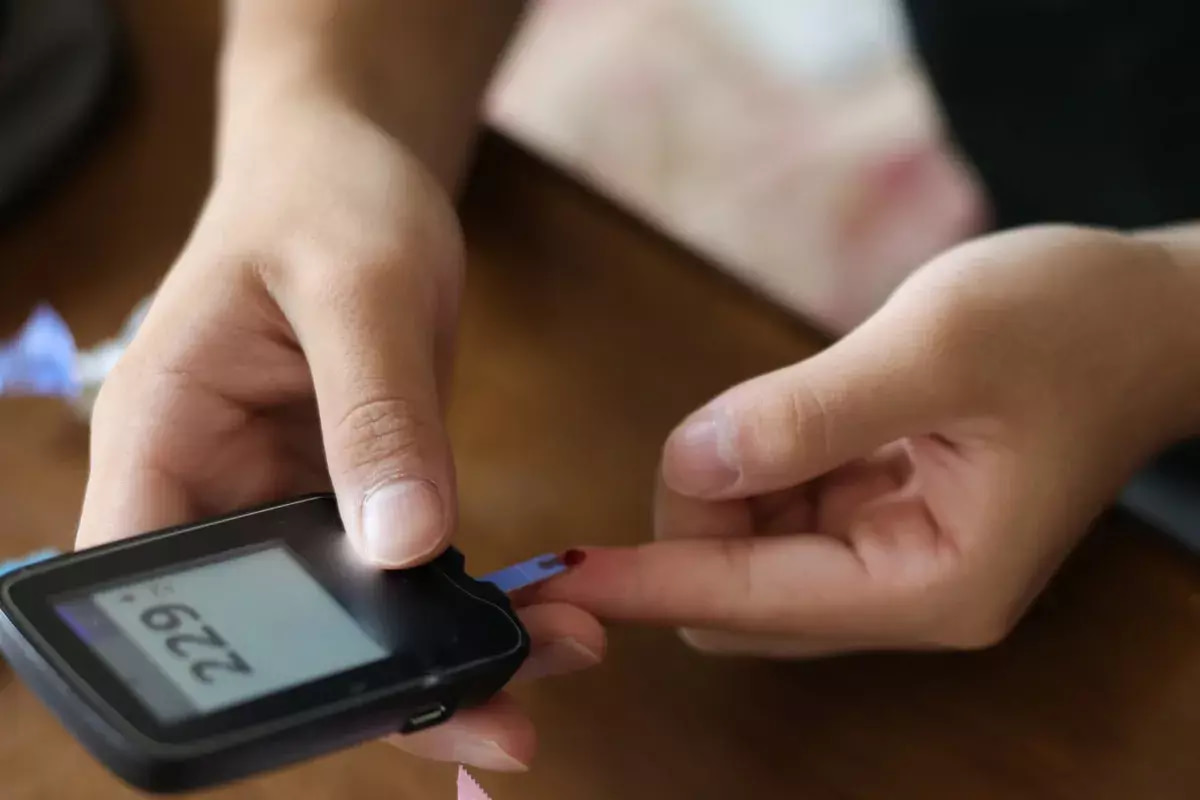
However, many men also require medication. Metformin is commonly the first line of defense to help your body use insulin better. In more advanced cases, or in Type 1 diabetes, insulin injections or a wearable pump may be necessary. The key to management is consistency—checking your numbers regularly so you aren’t surprised by a spike.
Real-Life Experiences (User Insights)
In many diabetes symptoms men Reddit discussions, users emphasize the mental toll of the diagnosis. Many men describe a “grieving period” for their old eating habits. However, the prevailing sentiment is one of relief. Once they started treatment, many realized they hadn’t felt “good” in years. They regained their energy, their mental clarity returned, and their sexual health improved. The consensus among the community is clear: don’t wait until you’re in a crisis to get tested.
Frequently Asked Questions
What are the symptoms of diabetes in men?
Common symptoms include extreme thirst, frequent urination (especially at night), unexplained fatigue, blurred vision, and slow-healing wounds.
How can a man tell if he has diabetes?
You may notice “sugar crashes” after meals, dark patches of skin on the neck, or a sudden onset of erectile dysfunction. A blood test (A1C) is the only way to know for sure.
What are 10 warning signs of diabetes?
The top ten are frequent urination, thirst, weight loss, hunger, blurred vision, fatigue, slow-healing sores, tingling in extremities, itchy skin, and erectile dysfunction.
Can diabetes cause erectile dysfunction?
Yes. High blood sugar damages blood vessels and nerves throughout the body, including those responsible for achieving and maintaining an erection.
Is type 2 diabetes reversible in men?
In the early stages (prediabetes or early Type 2), many men can achieve “remission” through significant weight loss, exercise, and a low-carb diet.
Conclusion
Recognizing diabetes symptoms men face is the first step toward a healthier, longer life. Whether it’s the persistent thirst David experienced or the subtle fatigue you might be feeling today, these signs are your body’s way of asking for help.
Diabetes is a manageable condition, but it requires you to be the CEO of your own health. Take the time to get screened, adjust your diet, and stay active. Your future self—and your family—will thank you for taking action now.