
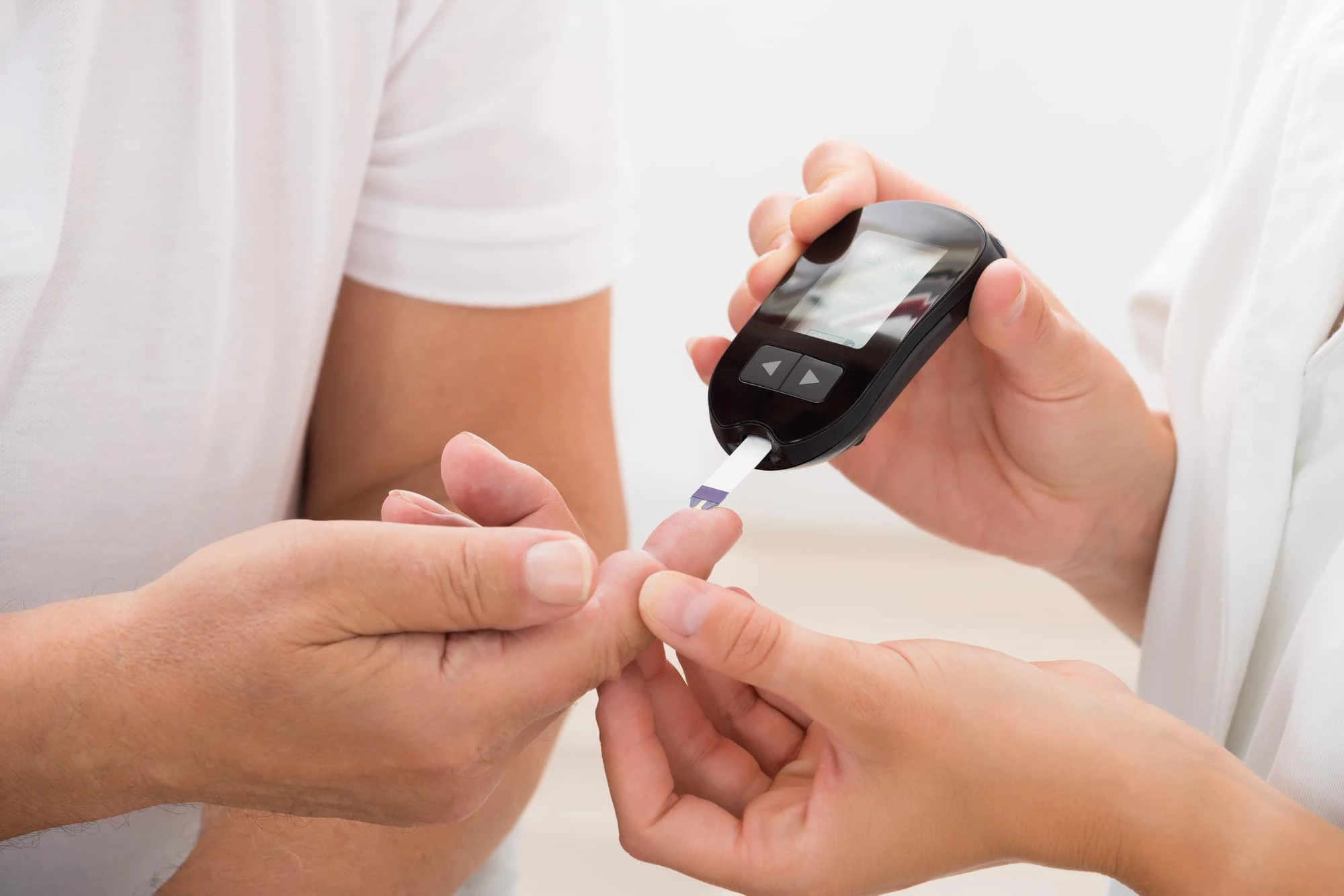
A blood sugar monitor is essential for managing diabetes effectively and staying in control of your health. Whether you are newly diagnosed with prediabetes or started to know what is prediabetes? for years, tracking your daily glucose levels consistently provides the accurate data you need to make informed decisions.
A reliable blood sugar monitor empowers you to understand exactly how your body reacts to specific foods, medications, and physical activity. Without this vital information, you are essentially flying blind. Knowing how to monitor blood sugar prevents dangerous spikes and crashes, protecting your heart, kidneys, and vision from long-term damage.
Over the years, technology has advanced dramatically, making daily management easier than ever. Today, patients have incredible options ranging from standard finger-prick kits to advanced, waterproof patches that continuously beam data directly to a smartphone.
Below, we break down everything you need to know about choosing the perfect device for your lifestyle, budget, and medical needs.
What Is a Blood Sugar Monitor?
At its core, a blood sugar monitor is a specialized medical instrument designed to detect the concentration of glucose circulating in your system. For decades, the standard tool was a simple glucometer, which reads a tiny drop of capillary blood placed on a chemically treated test strip.
Today, the medical definition has expanded heavily. Modern devices often utilize a microscopic glucose level sensor inserted just beneath the skin to measure interstitial fluid. These advanced tools offer a massive leap in convenience and provide a comprehensive, 24/7 picture of your metabolic health.
Types of Blood Sugar Monitors
Understanding the different categories of devices is the first step to taking control of your health. Each type serves a slightly different purpose, requires different maintenance, and fits different lifestyle needs.
Traditional Glucometer (Finger Prick)
The traditional glucometer remains the most widely used and accessible diagnostic tool globally. To use this device, you must prick the side of your fingertip with a small, spring-loaded lancet to draw a tiny drop of blood. You then apply this drop to a disposable test strip inserted into the meter.
Within seconds, the digital screen displays your exact glucose number. These devices are highly accurate, relatively inexpensive, and readily available at any local pharmacy. However, they only provide a single “snapshot” of your levels at that exact moment.
Continuous Blood Sugar Monitor (CGM)
A continuous glucose level monitor revolutionizes diabetes care by providing a constant, uninterrupted stream of data. Instead of enduring multiple painful finger pricks throughout the day, you insert a tiny, flexible filament under the skin.
This constant blood sugar monitor checks your levels every few minutes, day and night. It then transmits this data via Bluetooth to a dedicated receiver or your smartphone app. Consequently, you can instantly see if your glucose is rising, falling, or remaining perfectly stable.
Wearable Blood Sugar Monitor
Often used interchangeably with CGMs, a wearable glucose level monitor refers to the physical hardware that stays attached to your body. These devices are generally water-resistant, allowing you to shower, swim, and exercise normally without constantly removing them.
The most common form factor is a glucose level monitor patch or a blood sugar monitor on arm. They typically last between 10 and 14 days before you simply peel them off and apply a fresh sensor.
In my clinical experience, when I transitioned my patient David from a traditional meter to a wearable patch, his anxiety regarding overnight low-sugar drops completely disappeared.
Blood Sugar Monitor Without Finger Pricks
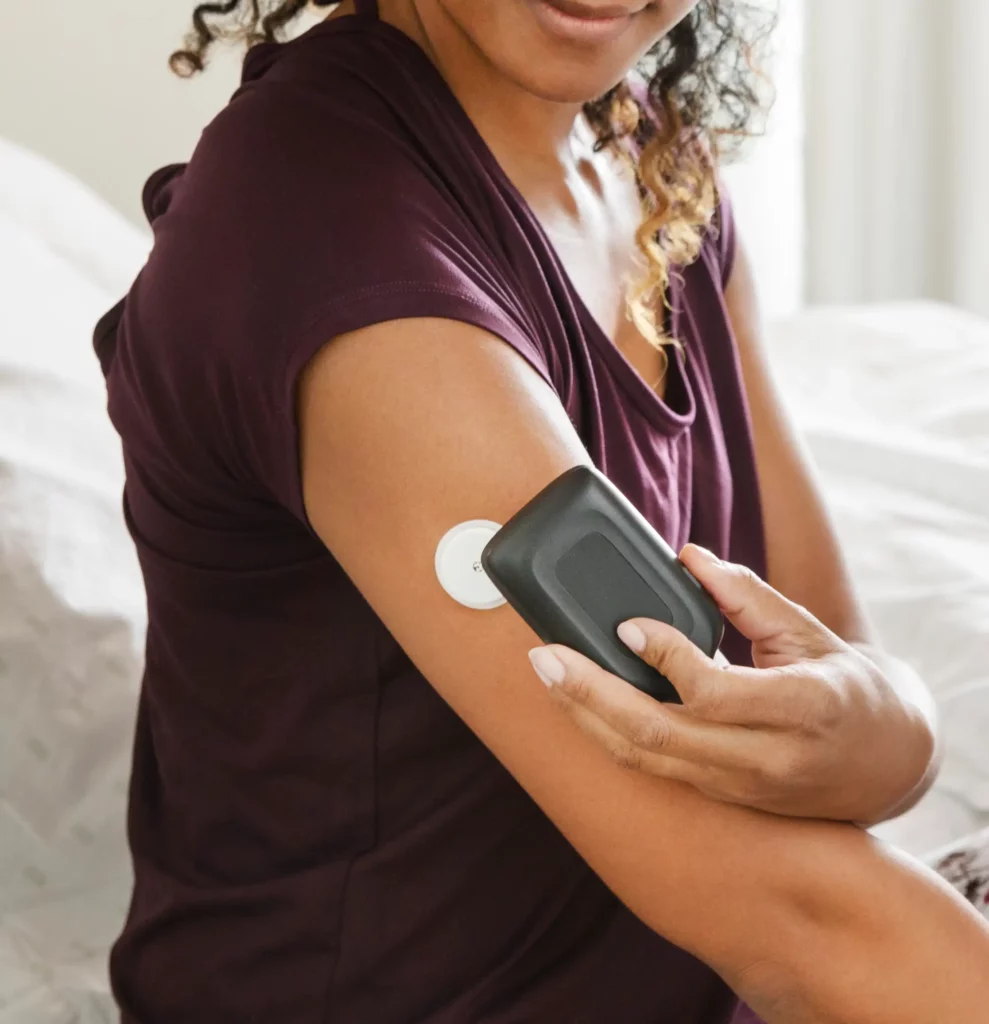
The biggest barrier to consistent testing is the pain and inconvenience of using daily lancets. Fortunately, a glucose level monitor without finger pricks is now a standard reality for millions of patients.
These non invasive glucose level monitor options dramatically improve the quality of life for those who need to check their levels multiple times a day. While some older systems still require a rare calibration prick, a true prickless glucose level monitor relies entirely on advanced sensor technology.
How Does It Work?
Patients frequently ask regarding a glucose level monitor without finger pricks how does it work? Instead of reading actual blood from a vein or capillary, the tiny sensor thread sits in the interstitial fluid—the liquid that naturally surrounds your tissue cells.
Glucose naturally seeps from your blood into this fluid. The sensor constantly measures the sugar concentration in this liquid and uses a specialized algorithm to calculate your estimated blood glucose level in real-time.
Best Blood Sugar Monitor
Choosing the best blood sugar monitor depends entirely on your medical needs and insurance coverage. If you want to know what is the best glucose level monitor on the market today, you must look at the top-tier CGM brands.
When patients ask what is the most accurate glucose level monitor, the Dexcom glucose level monitor (specifically the G7 model) frequently ranks at the very top. It offers exceptional accuracy, predictive alerts, and excellent integration with insulin pumps.
Recently, companies have also released fantastic over-the-counter options for prediabetics and health enthusiasts. The Stelo glucose levelmonitor by Dexcom and the Lingo blood sugar monitor by Abbott offer simplified, app-based tracking without requiring a formal medical prescription.
Blood Sugar Monitor Watch & Apps
The integration of health data into consumer tech is growing rapidly. Many users now want a glucose level monitor watch to check their levels with a quick, discreet glance at their wrist.
While a dedicated best smart watch with glucose level monitor (one that reads glucose natively without a patch) does not exist yet, you can easily pair your existing smartwatch with a CGM. A dedicated blood sugar monitor app will push your sensor readings directly to your digital watch face.
Can Apple Watch Monitor Blood Sugar?
People frequently search online, asking can apple watch monitor glucose level? They also wonder does apple watch monitor glucose level directly through the skin using lasers or optical sensors.
As of 2026, no Apple Watch features a native, built-in sensor capable of reading glucose without a secondary device. However, if you are asking which apple watch can monitor glucose level, any modern Apple Watch can seamlessly display your real-time numbers if it is connected to a compatible CGM like the Dexcom G7 via Bluetooth.
How to Monitor Blood Sugar at Home
Learning how to monitor glucose level at home is the most empowering step you can take in your diabetes journey. You no longer have to wait months for a doctor’s appointment to understand your metabolic health.
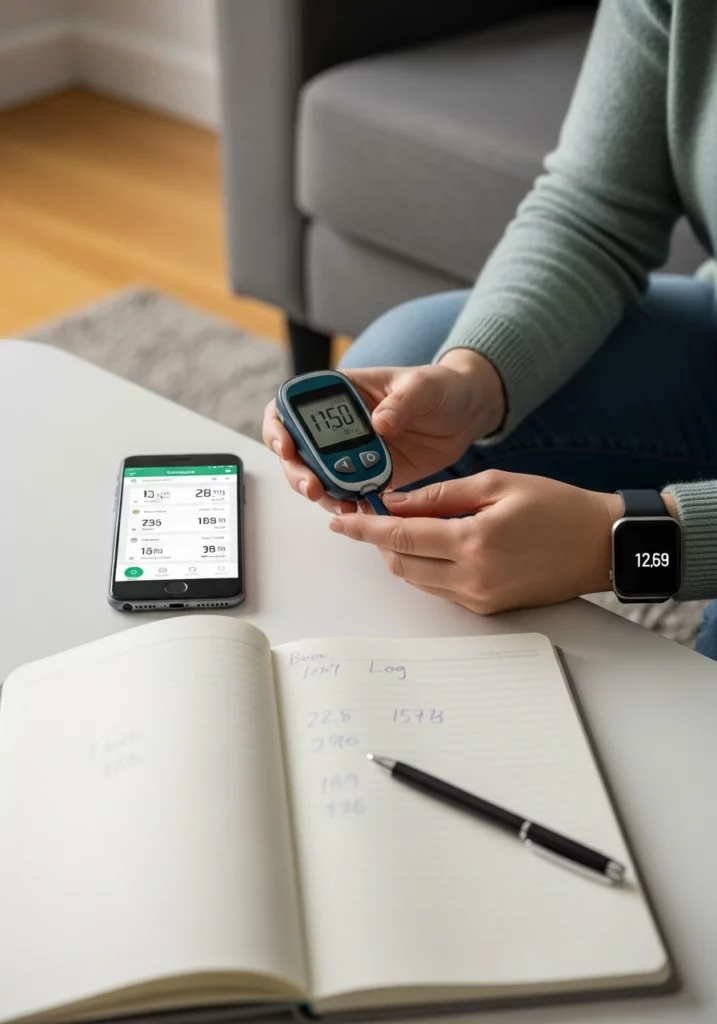
By testing in your own living room, you can instantly see the effects of your daily habits. If you are wondering how to monitor glucose level levels accurately, consistency is your best tool. Establishing a routine—such as testing first thing in the morning and two hours after your largest meal—provides the best data.
Many newly diagnosed patients ask me, how do you monitor glucose level without becoming overwhelmed? I always recommend starting small. Log your numbers in a simple notebook or a smartphone app, and look for weekly trends rather than obsessing over a single reading.
How to Use a Blood Sugar Monitor
Understanding exactly how to use a glucose level monitor ensures your readings are highly accurate. First, always wash your hands thoroughly with warm water and soap to remove any food residue that could artificially spike your results.
Next, insert a fresh test strip into your meter, which will usually turn the device on automatically. Prepare your lancing device by inserting a new, sterile needle and selecting your preferred depth setting.
If you are unsure how to use glucose level monitor lancing devices painlessly, always prick the side of your fingertip, not the center pad, to avoid sensitive nerve endings. Gently squeeze your finger to form a small drop of blood, touch the edge of the test strip to the drop, and wait a few seconds for your result.
How to Use ReliOn Blood Sugar Monitor
The ReliOn brand, exclusively sold at Walmart, is incredibly popular due to its affordability. Knowing how to use relion glucose level monitor devices is just as straightforward as using premium brands.
Start by inserting the ReliOn test strip into the bottom port of the meter. The screen will display a flashing blood drop icon, indicating it is ready for your sample.
Use the provided ReliOn lancing device to draw a small drop of blood from the side of your finger. Touch the tip of the test strip to the blood droplet until the meter beeps, and your accurate glucose reading will appear in roughly five seconds.
Can You Buy a Blood Sugar Monitor Over the Counter?
Accessibility is crucial for preventative health. Therefore, people frequently ask, can you buy a blood sugar monitor over the counter without a doctor’s prescription?
The answer is a resounding yes. You do not need formal medical permission to purchase standard testing kits or their associated supplies. If you are wondering can i buy a blood sugar monitor over the counter, you can simply walk into any pharmacy and purchase a complete starter kit off the shelf.
Where to Buy Blood Sugar Monitor
Finding testing supplies is easier than ever. When deciding where to buy blood sugar monitor kits, your local pharmacy is usually the fastest option.
For instance, a cvs blood sugar monitor kit usually comes bundled with a meter, a lancing device, and a starter pack of strips. If you are on a strict budget, purchasing a blood sugar monitor walmart brand (like ReliOn) can save you hundreds of dollars a year on disposable test strips.
Online retailers also offer massive convenience. You can easily find a blood sugar monitor without finger pricks amazon package, though you must ensure you are buying from a reputable, FDA-approved seller to guarantee accuracy.
Cost of Blood Sugar Monitors
Budgeting for medical supplies is a major concern for patients. So, exactly how much does a blood sugar monitor cost? A basic, over-the-counter starter kit typically costs between $15 and $30.
However, the true ongoing expense lies in the disposable test strips, which can cost anywhere from $0.20 to $1.00 per strip. Advanced CGM systems are significantly more expensive, often costing between $100 and $300 per month out of pocket.
Occasionally, manufacturers or diabetes education programs offer promotions where you can obtain a free blood sugar monitor. These companies provide the physical meter for free, knowing you will eventually need to purchase their specific, proprietary test strips long-term.
Insurance Coverage
Navigating healthcare policies can be incredibly frustrating. Patients constantly ask, does insurance cover blood sugar monitor systems and their ongoing monthly supplies?
Most private health insurance plans and Medicare Part B will cover the cost of a standard meter and test strips if you have a formal diabetes diagnosis. Furthermore, insurance will frequently cover advanced CGM devices if you are insulin-dependent, though preauthorization from your endocrinologist is usually required.
Blood Sugar Monitoring Chart
Keeping track of your daily numbers is useless if you do not understand your clinical targets. A visual blood sugar monitoring chart helps you instantly interpret your daily results.
Below is a standard blood sugar levels chart for healthy adults and those managing diabetes. You should print this reference guide and keep it near your testing supplies. (Note: Always consult your physician or review our normal blood sugar levels guide for personalized targets).
| Testing Time | Non-Diabetic Target | Diabetic Target |
| Fasting (Morning) | 70 – 99 mg/dL | 80 – 130 mg/dL |
| 2 Hours After Meal | Under 140 mg/dL | Under 180 mg/dL |
| Bedtime | 100 – 140 mg/dL | 100 – 140 mg/dL |
Blood Sugar Monitor for Non-Diabetics
Recently, I consulted with a fitness enthusiast named Marcus who wanted to optimize his daily energy levels. He specifically requested a blood sugar monitor for non diabetics to track how different carbohydrates affected his athletic performance.
This trend of metabolic biohacking is growing rapidly. Using a continuous monitor helps non-diabetics optimize their diabetes diet plan and discover exactly which foods trigger sudden fatigue or brain fog. Products like the Stelo and Lingo biosensors are specifically marketed toward this exact health-conscious demographic.
5 Signs Your Blood Sugar Is Too High
If you do not currently test your levels, you must rely on physical symptoms to gauge your health. You should learn exactly what are 5 signs your blood sugar is too high so you can seek medical care quickly.
- Extreme Thirst: Your body desperately tries to dilute the excess sugar in your bloodstream by pulling fluid from your tissues.
- Frequent Urination: Your kidneys work overtime to filter out and expel the toxic levels of circulating glucose.
- Unexplained Fatigue: Because your cells cannot absorb the sugar, your body is essentially starved for usable energy.
- Blurred Vision: High glucose physically alters the fluid levels in your eyes, making it difficult to focus.
- Slow-Healing Wounds: Excess sugar severely damages your blood vessels, restricting the necessary blood flow needed to heal cuts.
Can Cinnamon Lower Blood Sugar?
Many patients prefer natural remedies alongside their prescribed medical devices. A frequently asked question is, can cinnamon lower blood sugar effectively?
Clinical studies suggest that taking high-quality Ceylon cinnamon supplements may slightly improve cellular insulin sensitivity. However, while it is a fantastic addition to you how to lower blood sugar fast strategy, it is absolutely not a replacement for prescribed medication or a proper testing routine.
Frequently Asked Questions
What is the most accurate blood sugar monitor?
For traditional finger-prick testing, the Contour Next One and Accu-Chek Guide are widely considered the most accurate meters available. For continuous monitoring, the Dexcom G7 currently holds the top clinical ratings for precision and reliability.
Can Apple Watch monitor blood sugar?
Currently, no Apple Watch can measure your glucose natively through the skin without a secondary device. However, you can seamlessly pair your Apple Watch with a continuous glucose monitor (like a Dexcom) to view your real-time numbers right on your wrist.
Is there a device to check blood sugar without pricking your finger?
Yes, a Continuous Glucose Monitor (CGM) allows you to check your levels entirely without finger pricks. You wear a small, water-resistant sensor patch on your arm or abdomen that constantly measures your glucose and sends the data to your smartphone.
How do you monitor blood sugar at home?
To test at home, you will need a basic glucometer kit. You simply wash your hands, prick the side of your finger with a lancing device, apply a tiny drop of blood to a disposable test strip, and wait a few seconds for the meter to display your reading.
Does insurance cover continuous blood sugar monitors?
Most major health insurance providers and Medicare will cover a continuous monitor if you have a formal diabetes diagnosis and require daily insulin injections. However, if you are not insulin-dependent, you may have to pay out of pocket or file a special medical appeal.
Conclusion
Finding the right tool for tracking your daily glucose is arguably the most important step in managing your metabolic health. Whether you rely on a traditional finger-prick kit or invest in a modern, wearable sensor, consistent testing provides the exact data your healthcare team needs to optimize your care.
I frequently remind my patients that a device is only as effective as the daily routine you build around it. During a recent follow-up, a patient shared that simply seeing her numbers visually on her smartphone app completely removed the anxiety and guesswork from her daily meals.
You no longer have to live in fear of sudden spikes or dangerous hypoglycemic crashes when you have the right technology readily available. By partnering closely with your endocrinologist and selecting a device that genuinely fits your lifestyle, you actively protect your long-term cardiovascular and neurological health.