

Noticing sudden changes in your health can be unsettling, especially when they affect your daily routine. High blood sugar symptoms like persistent fatigue or excessive thirst may be early warning signs of hyperglycemia.
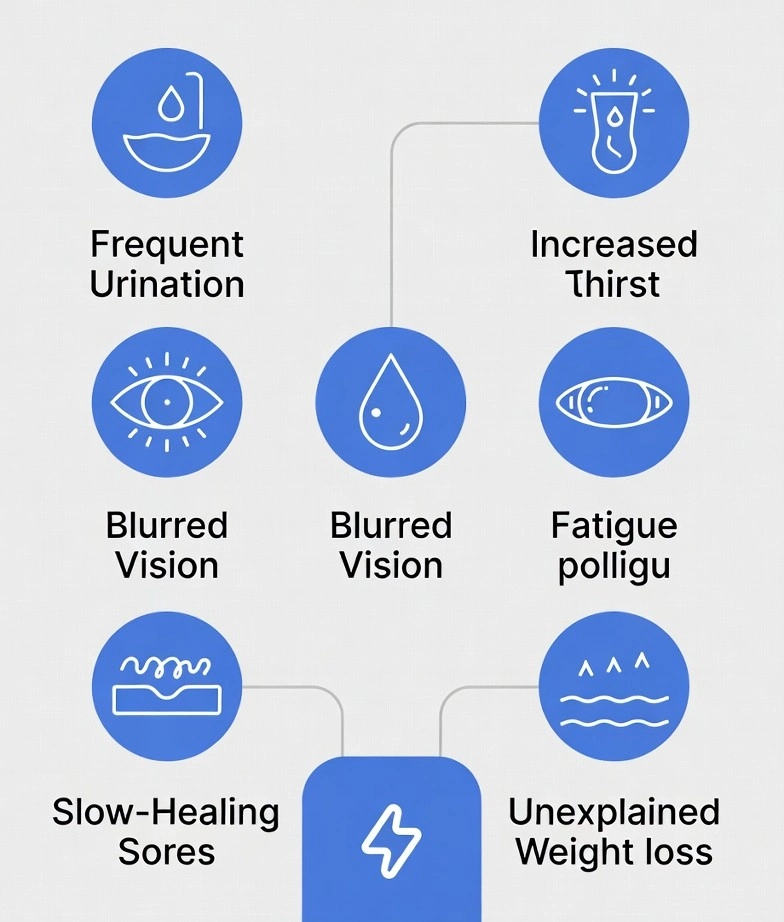
Recognizing these signs is the crucial first step in regaining control over your metabolic health. High blood sugar symptoms, also called hyperglycemia symptoms, occur when glucose levels rise above normal. Common symptoms include excessive thirst, frequent urination, fatigue, blurred vision, and headaches.
If untreated, high blood sugar can cause serious complications, especially in people with diabetes. Millions of people experience these symptoms when blood sugar is high, often writing them off as everyday stress or aging.
However, ignoring these signs allows excess glucose to continuously damage your blood vessels. By recognizing these red flags early, you can seek timely medical intervention and prevent serious, long-term health complications.
TL;DR: High Blood Sugar Symptoms
If you need the quick facts on recognizing high blood sugar without reading the full guide, here is the essential, evidence-based breakdown:
- The Top 5 Warning Signs: Extreme, unquenchable thirst; frequent bathroom trips (especially at night); unexplained heavy fatigue; fluctuating blurred vision; and persistent headaches are the most common daily red flags.
- Skin & Physical Changes: Excess glucose severely dehydrates your body, leading to extremely dry, itchy skin; dark velvety patches on the neck (Acanthosis Nigricans); and cuts or blisters that take weeks to heal.
- Sudden Emergencies: If you experience fruity-smelling breath, rapid breathing, severe confusion, or vomiting, this is a medical emergency (diabetic ketoacidosis) requiring immediate hospital care.
- Immediate Action: For mild spikes without emergency symptoms, drinking two large glasses of pure water and taking a brisk 15-minute walk is the fastest natural way to safely lower your glucose levels.
Ultimately, your body will drop hints when your metabolism is struggling. Never ignore these signals; a simple, routine blood test with your doctor can catch the issue early and prevent long-term complications.
What Are the Symptoms of High Blood Sugar?
Identifying exactly what the symptoms of high blood sugar are requires paying close attention to your body’s daily signals. Because glucose is your body’s primary energy source, having too much of it locked in your bloodstream disrupts almost every system.
Your kidneys, eyes, and nerves are usually the first to sound the alarm. When your body cannot produce enough insulin or cannot use it effectively, sugar heavily accumulates in your blood.
This triggers a cascade of physical reactions as your organs desperately attempt to flush out the toxic excess. Consequently, symptoms of high blood sugar often present as extreme dehydration and profound exhaustion.
5 Signs Your Blood Sugar Is Too High
If you’re concerned about your metabolic health, recognizing the 5 key signs that your blood sugar is too high is essential.
1. Extreme Thirst (Polydipsia): One of the earliest signs of high blood sugar is intense, unrelenting thirst. When excess glucose accumulates in your bloodstream, your kidneys work overtime to filter it out.
Unable to keep up, they pull fluids from your tissues, leaving you dehydrated and triggering a strong, constant craving for water.
2. Frequent Urination (Polyuria): Closely linked to extreme thirst, this symptom involves needing to urinate more often, especially at night.
Your kidneys rapidly flush out excess glucose, filling your bladder faster than normal. Waking up multiple times at night to urinate is a major warning sign of high blood sugar.
3. Unexplained Fatigue: When insulin isn’t working properly, your cells can’t access glucose for energy. Even after eating, your cells starve, leading to profound fatigue. Everyday activities can suddenly feel exhausting and difficult to complete.
4. Blurred Vision: High blood sugar draws fluid from tissues, including the eyes. This fluid shift causes the lenses to swell and change shape, impairing focus. Sudden blurry or fluctuating vision is a red flag that should prompt a blood sugar check.
5. Frequent Headaches: Dehydration and fluid shifts in the brain often trigger persistent, dull headaches. These can appear shortly after carb-heavy meals and often don’t improve with standard pain relievers.
Recognizing these five symptoms early can help you detect hyperglycemia and take steps to protect your health before complications arise.
High Blood Sugar Symptoms in Adults
As our bodies age, our natural metabolism naturally slows down, increasing the risk of insulin resistance. High blood sugar symptoms in adults often develop so gradually that they are completely ignored for years.
Many adults mistakenly attribute their fading energy and frequent bathroom trips to simply getting older or working too hard. Furthermore, chronic stress and sedentary lifestyles in adulthood heavily contribute to sudden blood sugar spikes.
Elevated cortisol levels from work or family stress actively encourage the liver to release extra glucose into the bloodstream. Therefore, adults must be highly proactive about scheduling routine metabolic blood panels.
High Blood Sugar Symptoms in Women
While the core mechanics of hyperglycemia are universal, high blood sugar symptoms in women carry unique, hormone-related complexities. Excess glucose can severely disrupt estrogen and progesterone levels, leading to highly unpredictable menstrual cycles.
Additionally, high blood sugar creates a perfect breeding ground for yeast, making chronic yeast infections a very common early warning sign. Furthermore, symptoms of high blood sugar in women are deeply intertwined with Polycystic Ovary Syndrome (PCOS).
Women with PCOS naturally struggle with severe insulin resistance, compounding their risk for hyperglycemia. For these women, stubborn weight gain around the abdomen and sudden adult acne are urgent signals to check their glucose.
High Blood Sugar Symptoms in Kids
Recognizing metabolic issues in children requires extreme vigilance from parents and caregivers. High blood sugar symptoms in kids can look very different from adults’, often manifesting as sudden behavioral changes.
A child who is normally energetic might suddenly become highly irritable, lethargic, or prone to uncharacteristic tantrums. Additionally, bedwetting in a child who has been potty-trained for years is a classic, urgent medical red flag.
This happens because the child’s body is desperately trying to flush out sugar during the night. If you notice your child drinking excessive amounts of water and losing weight despite eating normally, consult a pediatrician immediately.
High Blood Sugar Symptoms on Skin
One of the most visually apparent but frequently misunderstood warning signs appears right on the surface of your body. High blood sugar symptoms on the skin can manifest long before a formal diabetes diagnosis is ever made.
Because elevated glucose damages blood vessels and triggers severe dehydration, your skin’s natural barrier is heavily compromised. Consequently, early signs of high blood sugar symptoms on skin often present as extremely dry, itchy, and irritated patches.
When your body loses massive amounts of fluid through frequent urination, your skin loses its natural moisture and elasticity. Patients frequently report an intense, persistent itchiness that standard moisturizing lotions simply cannot resolve.
Rash and Skin Changes From High Blood Sugar
Beyond simple dryness, severe skin changes high blood sugar can cause include distinct rashes and colorations. A very common condition is acanthosis nigricans, which presents as dark, thick, velvety bands of skin.
These bands typically form in the deep creases of your neck, armpits, or groin area and heavily indicate severe insulin resistance. Additionally, a rash, a high blood sugar symptom on the skin, can include small, solid bumps that look like pimples but eventually turn into yellowish, pea-sized patches.
This condition, called eruptive xanthomatosis, happens when uncontrolled blood sugar causes fat levels in the blood to spike dangerously. If you notice these sudden, unusual rashes, it is a definitive sign to seek blood work.
Feet Symptoms Linked to High Blood Sugar
Your extremities are incredibly vulnerable to the damage of uncontrolled glucose. Poor circulation combined with nerve damage makes feet, high blood sugar symptoms on skin, particularly dangerous. Over time, high blood sugar physically destroys the tiny capillary blood vessels that feed the nerves in your toes and feet.
As a result, you might notice the skin on your feet becoming shiny, hairless, and highly prone to cracking. Even worse, simple blisters or tiny cuts heal incredibly slowly due to the lack of healthy blood flow. If ignored, these minor skin abrasions can quickly escalate into severe, dangerous ulcers that require urgent medical intervention.
Sudden High Blood Sugar Symptoms
While some symptoms build over years, sudden high blood sugar symptoms can hit you like a freight train. These rapid spikes are medical emergencies that require immediate attention to prevent slipping into a coma.
If you experience shortness of breath, a fruity smell on your breath, or severe nausea, your blood sugar is dangerously elevated. These too-high blood sugar symptoms indicate a life-threatening condition called diabetic ketoacidosis (DKA).
When your cells are completely starved of insulin, your body rapidly breaks down fat for energy, flooding your blood with toxic acids called ketones. If you suddenly begin vomiting alongside extreme confusion and dry mouth, you must visit an emergency room immediately.
What Causes High Blood Sugar Without Diabetes?
A very common and confusing clinical scenario is discovering elevated glucose when you have no history of metabolic disease. Patients often ask me, what causes high blood sugar in non-diabetes?
Surprisingly, your blood sugar can skyrocket purely in response to severe physical or emotional trauma. For instance, in a recent medical case study I reviewed, a non-diabetic patient experienced severe hyperglycemia following a major car accident.

The body’s intense “fight or flight” stress response flooded her system with cortisol and adrenaline, which intentionally spiked her glucose for emergency energy. Once she recovered from the physical trauma, her blood sugar safely returned to normal.
Furthermore, high blood sugar symptoms without diabetes are frequently triggered by powerful prescription medications. Corticosteroids like prednisone, used to treat asthma or autoimmune flare-ups, are notorious for aggressively raising blood glucose. Severe infections, pneumonia, and heart attacks can also temporarily push your numbers into the dangerous diabetic range.
High Blood Sugar Symptoms During Pregnancy
Expecting mothers must be heavily monitored for metabolic shifts throughout their trimesters. High blood sugar symptoms pregnancy creates are often linked to a temporary condition called “gestational diabetes.”
The placenta produces hormones that actively block the mother’s insulin, leading to elevated glucose levels that can affect both mother and baby. Because pregnancy already causes fatigue and frequent urination, gestational diabetes is incredibly difficult to spot without clinical testing.
If left unchecked, the excess sugar crosses the placenta, causing the baby to grow dangerously large (macrosomia). Therefore, routine glucose tolerance testing between weeks 24 and 28 of pregnancy is absolutely mandatory for fetal safety.
High Blood Sugar Symptoms in Diabetics
For individuals already managing a diagnosis, monitoring diabetes and high blood sugar symptoms is a daily, critical task. Even with a strict diet and medication, factors like fighting a common cold, stress, or eating a heavier-than-normal meal can cause unexpected spikes.
These high blood sugar symptoms in diabetics often serve as a loud reminder that their current treatment plan needs adjustment by this diabetes can be managed naturally.
If a diabetic patient continuously wakes up with a dry mouth, blurred vision, and deep exhaustion, their basal insulin or oral medications are likely failing. They must consult their endocrinologist promptly to recalibrate their dosage.
Type 1 Diabetes High Blood Sugar Symptoms
It is vital to distinguish between type 1 and type 2 disease progression. Type 1 diabetes high blood sugar symptoms typically appear incredibly suddenly and aggressively, often over just a few weeks.
Because it is an autoimmune disease that completely destroys the pancreas’s ability to make insulin, the body physically starves almost overnight. Consequently, rapid and terrifying weight loss is a hallmark symptom of untreated type 1 diabetes.
Despite eating massive amounts of food, the patient’s cells cannot access the energy, forcing the body to rapidly consume its own muscle and fat. This severe manifestation is most common in young children and teenagers.
Low and High Blood Sugar Symptoms
To manage metabolic health safely, you must understand the stark differences between low and high blood sugar symptoms. Hypoglycemia (low blood sugar) happens when glucose drops below 70 mg/dL, causing intense shakiness, sweating, and extreme anxiety.
It requires immediate consumption of fast-acting carbohydrates, like fruit juice, to prevent fainting. Conversely, hyperglycemia (high blood sugar) is a slower, dehydrating process characterized by heavy fatigue, extreme thirst, and frequent urination.
Both extremes are highly dangerous, but they require entirely opposite treatments. Never guess what your body needs; always use a reliable glucose monitor before taking action.
What to Do When Blood Sugar Is High
When you identify a dangerous spike, knowing exactly what to do when blood sugar is high is your best defense. High blood sugar treatment relies heavily on hydration, movement, and strict medication adherence.
Because high glucose causes profound dehydration, your absolute first step should be drinking two large glasses of pure water. Water physically helps your struggling kidneys flush the excess, toxic sugar out through your urine without adding any new carbohydrates to your system.
Next, you must rigorously evaluate your recent food intake and aggressively limit any further carbohydrates for the rest of the day. Focus entirely on lean proteins and non-starchy vegetables to stop fueling the spike.
How to Reduce Blood Sugar Immediately
Patients often panic and search for how to reduce their blood sugar level immediately after a heavy meal. If you do not have a prescription for fast-acting insulin, the most effective natural tool is immediate physical exercise.
Taking a brisk, 15-to-20-minute walk actively forces your muscle cells to pull sugar straight out of your bloodstream for energy. However, if you are asking how I bring my blood sugar down immediately while experiencing severe symptoms like vomiting or deep confusion, exercise is dangerous.
In cases where ketone levels might be high, exercising can actually worsen the condition. In these extreme emergency scenarios, seeking immediate professional medical care is the only safe option.
Fatigue and Numbness From High Blood Sugar
Two of the most debilitating, chronic signs of elevated glucose are deep exhaustion and nerve damage. Fatigue high blood sugar causes is unlike normal tiredness; it is a heavy, cellular exhaustion because your body cannot unlock its own fuel.
Simultaneously, numbness and high blood sugar created in the hands and feet are massive warning signs of diabetic neuropathy. The excess glucose actively destroys the protective casing around your nerves, leading to a dangerous loss of sensation.
If you feel a constant “pins and needles” sensation or burning pain in your toes, the nerve damage is actively progressing.
High Blood Sugar Symptoms in Pets
Surprisingly, our furry companions are also highly susceptible to metabolic disorders. Cat and high blood sugar symptoms in dogs mirror human symptoms almost exactly.
If your previously energetic dog suddenly becomes lethargic and begins drinking entire bowls of water in one sitting, hyperglycemia is a strong possibility.
Furthermore, a cat with high blood sugar symptoms often includes sudden, extreme weight loss despite a ravenous appetite and excessively saturated litter boxes. Just like humans, pets require immediate veterinary blood testing, dietary changes, and potentially daily insulin injections to survive this dangerous condition.
High Blood Sugar Symptoms Chart
For quick, daily reference, here is a highly visual high blood sugar symptoms chart: Keep this table handy to rapidly identify whether you are dealing with a mild elevation or a severe medical emergency:
| Symptom Category | Early Warning Signs | Emergency Signs (Seek Help) |
| Hydration | Extreme thirst, dry mouth | Inability to keep fluids down |
| Urination | Waking up frequently at night | Dark urine, sweet-smelling urine |
| Energy Levels | Heavy, unexplained fatigue | Deep confusion, inability to stay awake |
| Vision & Senses | Blurry, fluctuating vision | Fruity-smelling breath, rapid breathing |
| Skin & Extremities | Dry, itchy skin; slow-healing cuts | Sudden numbness, burning pain in feet |
Frequently Asked Questions
What are the symptoms of high blood sugar?
The most classic, universal symptoms include an unquenchable thirst, frequent and urgent urination, chronic fatigue, blurred vision, and persistent headaches. If you experience these consistently, you should request an A1C blood test from your doctor immediately.
What does high blood sugar feel like?
Many patients describe the sensation as feeling profoundly “heavy” or moving underwater, combined with a dry, sticky mouth and a dull, throbbing headache. It often involves a deep, unshakeable exhaustion even after sleeping for a full eight hours.
How do I bring my blood sugar down immediately?
If you are not in DKA (diabetic ketoacidosis), drinking two large glasses of water and taking a brisk 15-minute walk is the fastest natural way to lower a spike. Water flushes the sugar through your kidneys, while exercise burns the glucose directly in your muscles.
What causes high blood sugar without diabetes?
Severe physical trauma, immense emotional stress, serious infections, and powerful prescription medications like corticosteroids (Prednisone) can rapidly spike your blood sugar. In these cases, the elevated glucose is a temporary stress response, not chronic diabetes.
Can high blood sugar cause skin problems?
Yes, elevated glucose severely dehydrates your skin and damages tiny blood vessels, leading to intense itchiness, extreme dryness, and slow-healing wounds. It can also cause dark, velvety patches on the neck called acanthosis nigricans, a major sign of insulin resistance.
Conclusion
Experiencing unexplained fatigue, unquenchable thirst, or sudden skin changes can be incredibly frightening, but ignoring these signals is the most dangerous choice you can make. Recognizing high blood sugar symptoms early is your body’s built-in alarm system, designed to protect your long-term metabolic health.
By paying close attention to these critical warnings, you are taking the essential first step toward healing. Please remember that you should never attempt to self-diagnose or ignore chronic physical discomfort.
If you resonate with the symptoms discussed today, your absolute best course of action is scheduling a simple, routine blood test with your primary care physician.
Catching elevated glucose early drastically improves your clinical outcomes and prevents irreversible nerve and organ damage. Whether your high blood sugar is caused by temporary stress, a new medication, or underlying diabetes, the condition is highly manageable.
With the correct medical guidance, targeted dietary adjustments, and daily movement, you can safely bring your numbers back into a healthy range. You absolutely have the power to stabilize your metabolism and reclaim your daily energy.