

In an endocrinology clinic, one of the most alarming situations patients report is a sudden and unexplained drop in glucose levels. This often leads to the important question, what causes low blood sugar? Maintaining stable glucose is essential for proper brain and body function, as it serves as the body’s primary energy source.
When levels fall too quickly or too low, the risks of hypoglycemia can range from mild symptoms like dizziness and shakiness to serious neurological emergencies that require immediate medical attention. Just last week, I treated a patient named Emily who arrived at my office shaking, pale, and deeply confused.
She had skipped breakfast before a strenuous morning workout. Emily was terrified because she did not have diabetes, yet her body was exhibiting classic distress signals. Her experience is incredibly common and highlights a major misunderstanding about metabolic health.
People frequently ask, “What does low blood sugar feel like?”—especially when they experience a sudden and alarming drop in their glucose levels. Whether you manage diabetes daily or have never used a glucose monitor, recognizing how these episodes feel and understanding their triggers is crucial for your safety.
What Is Low Blood Sugar (Hypoglycemia)?
Before we explore the exact triggers, we must define the condition clearly. Hypoglycemia simply means your blood glucose has fallen below the healthy, functional range. For most adults, this threshold is anything under 70 mg/dL.
Your brain relies almost exclusively on glucose for fuel. When that fuel supply runs out, your body immediately triggers a stress response to protect your vital organs. Understanding hypoglycemia causes helps you recognize these early warning signs before they escalate.
When patients ask me what causes low blood sugar levels, I explain that it is essentially a supply-and-demand mismatch. Your body is either using up sugar too quickly, or it is not receiving enough sugar from the food you eat.
What Causes Low Blood Sugar?
The human body is a highly complex metabolic machine. Therefore, multiple factors can disrupt your delicate glucose balance. If you are wondering what causes your blood sugar to be low, the answer is usually linked to lifestyle, medication, or diet.
First, taking the wrong dose of certain medications is a leading trigger. Second, skipping meals or fasting drastically cuts off your body’s fuel supply. Without incoming carbohydrates, your circulating glucose inevitably drops.
Third, consuming excessive alcohol on an empty stomach blocks your liver from releasing stored sugar. Finally, severe illnesses, such as advanced kidney disease or severe infections, can completely disrupt how your body processes energy.
What Causes Low Blood Sugar in Diabetics?
When treating patients with metabolic conditions, managing medication is a delicate daily balancing act. People frequently ask me what causes Hypoglycemia in diabetics, especially when they are actively trying to keep their numbers down.
The most common reason for what causes low blood sugar with diabetes is an accidental insulin overdose. Insulin acts as a key that opens your cell doors, allowing sugar to leave the bloodstream and enter the cells. If you inject too much insulin for the amount of carbohydrates you ate, your blood is rapidly drained of glucose.
This results in a sudden, dangerous crash. Furthermore, timing is everything. Another major factor in what causes low blood sugar in a diabetic is delayed meals. For example, if you take rapid-acting insulin but get distracted and wait an hour to eat, the insulin will start working on an empty system.
Your blood glucose will plummet before the food even reaches your stomach. Exercise also plays a massive role in this equation. Physical activity makes your muscle cells highly sensitive to insulin.
If you take your normal medication dose but decide to run three miles, your muscles will absorb glucose much faster than usual.
Without adjusting your medication or eating a pre-workout snack, a crash is almost guaranteed. Finally, certain oral medications can overstimulate the pancreas. Drugs known as sulfonylureas force your pancreas to pump out extra insulin all day long.
If you take this medication but skip lunch, that excess insulin has nothing to process, leading directly to a hypoglycemic event.
What Type of Diabetes Causes Low Blood Sugar?
Many newly diagnosed patients wonder what type of diabetes causes low blood sugar most frequently. While it can happen in any form of the disease, it is far more common in type 1 diabetes. Because people with Type 1 diabetes produce absolutely no insulin, they rely entirely on external injections or pumps.
This complete reliance makes dosing errors much more likely to cause severe drops. However, patients with Type 2 diabetes who use insulin or insulin-stimulating oral medications are also at high risk.
Conversely, Type 2 patients who manage their condition solely with diet, exercise, or medications like metformin rarely experience severe hypoglycemic crashes.
What Causes Low Blood Sugar Without Diabetes?
Emily, the patient I mentioned earlier, is a perfect example of non-diabetic hypoglycemia. It is a frightening experience that leads many to search for what causes low blood sugar without diabetes.

There are two main categories: reactive hypoglycemia and fasting hypoglycemia. Reactive hypoglycemia usually happens a few hours after eating a massive, carbohydrate-heavy meal. Your pancreas overreacts to the sugar spike, pumps out too much insulin, and causes a delayed crash.
Fasting hypoglycemia, on the other hand, happens when you go too long without food. If you are exploring what causes low blood sugar in non diabetics, severe liver illness or kidney disorders are potential culprits. Furthermore, rare tumors called insulinomas can grow on the pancreas, producing excessive, unregulated insulin.
Can You Have Hypoglycemia Without Diabetes?
Yes, absolutely. Many people ask, can you have hypoglycemia and not be diabetic? The answer is a definitive yes.
While it is much less common than diabetic hypoglycemia, anyone can experience a severe glucose drop. Things that can cause hypoglycemia in healthy individuals include extreme prolonged exercise, binge drinking on an empty stomach, or severe hormonal deficiencies.
What Causes Low Blood Sugar at Night?
Nighttime hypoglycemia is a silent, often terrifying experience for many patients. I frequently have patients tell me they wake up drenched in sweat, feeling completely disoriented. If you are wondering what causes low blood sugar at night, the primary culprit is usually your evening medication.
Taking too much basal (long-acting) insulin before bed forces your glucose levels down while you sleep. Additionally, eating an early dinner and skipping a bedtime snack leaves your body without fuel for eight to ten hours.
Another major factor is late-evening exercise. Working out vigorously after dinner depletes your muscle glycogen stores. Consequently, your body continues to pull glucose from your blood for hours afterward, leading to a dangerous midnight crash.
What Causes Low Blood Sugar in Pregnancy?
Pregnancy completely changes a woman’s metabolic system. Expectant mothers often ask me what causes low blood sugar in pregnancy, especially during the first trimester. The massive surge in pregnancy hormones drastically alters how your body utilizes natural insulin.
Furthermore, severe morning sickness prevents many women from keeping food down. When you cannot digest carbohydrates, your circulating glucose inevitably plummets. This is a very common cause of low blood sugar in women who are pregnant.
Later in pregnancy, women with gestational diabetes take insulin to control high numbers. Overestimating a meal’s carbohydrate count or taking too much medication easily causes a sudden, dizzying drop. Always keep a fast-acting snack in your purse if you are expecting.
What Causes Low Blood Sugar in Newborns and Babies?
Seeing a tiny infant struggle with glucose issues is heartbreaking for new parents. When mothers ask what causes low blood sugar in newborns, the answer often traces back to the mother’s health. If a mother has poorly controlled gestational diabetes, the baby produces excess insulin in the womb.
After birth, the baby’s glucose supply from the umbilical cord stops immediately. However, their tiny pancreas continues pumping out too much insulin, which rapidly consumes their remaining blood sugar. This explains what causes a newborn to have low blood sugar in their first few hours of life.
Additionally, premature birth is a major factor. Premature infants simply do not have enough stored glycogen in their immature livers. Therefore, what causes low blood sugar in babies who arrive early is a lack of physical energy reserves.
Causes in Children
Toddlers and older kids have incredibly high metabolic rates. Parents frequently ask what causes low blood sugar in children who do not have diabetes. Typically, it is a combination of intense physical play and delayed meals.
Children burn through energy rapidly. If a child plays hard outside for hours and misses lunch, their small liver cannot keep up with the glucose demand. They may suddenly become pale, irritable, or extremely lethargic.
What Causes Low Blood Sugar in Animals?
Interestingly, our pets suffer from similar metabolic emergencies. Many pet owners ask what causes low blood sugar in dogs, particularly in tiny toy breeds like Chihuahuas. Because toy breeds have minimal muscle mass, they cannot store much emergency glucose and must eat frequently.
Similarly, what causes low blood sugar in puppies is usually missed feedings or severe intestinal parasites that steal their nutrients. For feline owners, what causes low blood sugar in cats is almost exclusively related to accidental insulin overdoses during feline diabetes treatment.
5 Signs Your Blood Sugar Is Low
Recognizing the warning signs early saves lives. When your brain gets starved of fuel, it triggers an adrenaline rush to warn you. People often ask me, what are 5 signs your blood sugar is low?
Here are the top five low blood sugar symptoms to watch for:
- Shakiness and Tremors: Your hands may visibly tremble due to the sudden adrenaline release.
- Profuse Sweating: You might break out in a cold, clammy sweat, even in a cool room.
- Extreme Hunger: Your body practically screams for carbohydrates to fix the fuel deficit.
- Dizziness and Confusion: Brain fog sets in, making it hard to speak clearly or focus.
- Rapid Heartbeat: Your heart pounds heavily against your chest as your body enters panic mode.
These low sugar symptoms happen rapidly. Furthermore, the symptoms of diabetes and low blood sugar in non diabetics are exactly same.
What Level of Low Blood Sugar Is Dangerous?
Understanding your numbers is critical for avoiding an emergency room visit. Patients constantly ask, what level of low blood sugar is dangerous? Clinically, any reading below 70 mg/dL requires immediate treatment.
However, a reading below 54 mg/dL is considered severe hypoglycemia. At this stage, cognitive function severely declines. You might become disoriented, combative, or physically unable to chew food safely.
If numbers drop below 40 mg/dL, you enter the critical danger zone. Many people fear the low blood sugar death level, which typically occurs when glucose drops below 20 mg/dL for an extended period. At this fatal stage, prolonged seizures, diabetic coma, and permanent brain damage occur.
What Foods Trigger Low Blood Sugar?
It sounds completely contradictory, but eating the wrong sugary foods can actually cause a crash. Many patients are shocked when they ask what foods trigger low blood sugar. The primary culprits are highly refined carbohydrates and pure sugars.
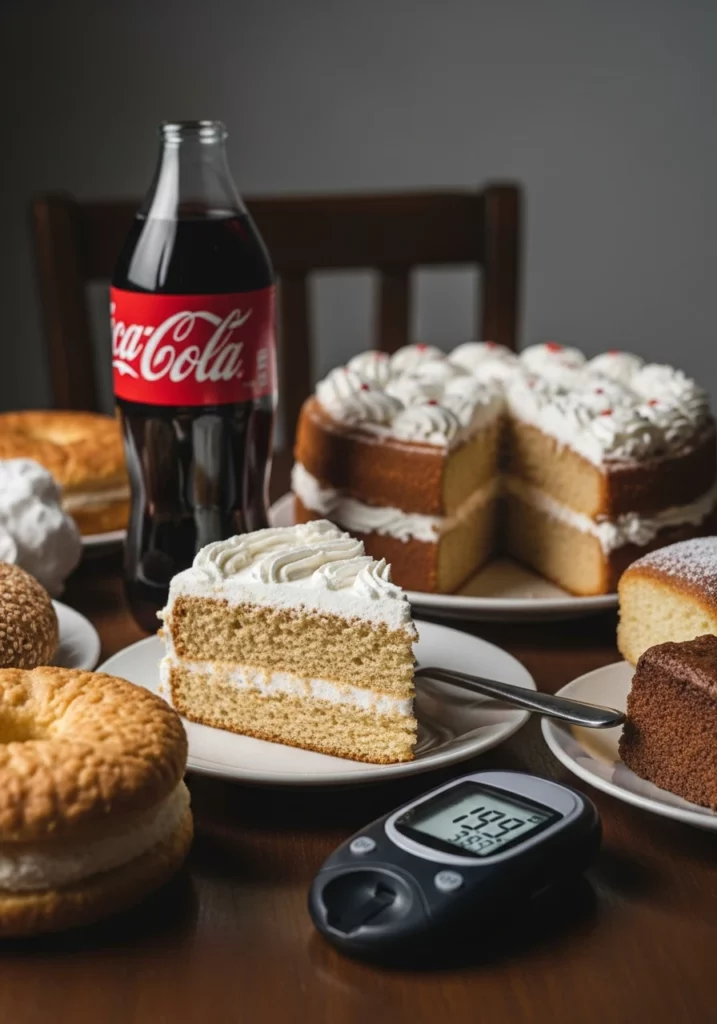
When you drink a large soda or eat a massive slice of cake on an empty stomach, your glucose spikes violently. Your pancreas panics and overcorrects by dumping a massive wave of insulin into your bloodstream.
This excessive insulin clears out the sugar far too quickly. Within two hours, your numbers crash lower than where they started. This phenomenon, called reactive hypoglycemia, is why I strongly advise pairing carbohydrates with healthy fats or proteins.
What to Do When Blood Sugar Is Low
When an emergency strikes, you must act decisively. Do not wait to see if you feel better. If you want to know what to do when blood sugar is low, always follow the clinical “15-15 Rule.” First, consume 15 grams of fast-acting carbohydrates immediately.
Next, set a timer and wait exactly 15 minutes. After 15 minutes, check your glucose monitor again to see if your numbers are rising safely.
If your numbers remain below 70 mg/dL, repeat the process. Eat another 15 grams of carbs and wait another 15 minutes. Once your levels stabilize, eat a small, balanced meal containing protein to prevent another drop.
Foods to Eat When Blood Sugar Is Low
During a crash, you need pure, simple sugar that digests instantly. People frequently ask what to eat when blood sugar is low to get the fastest results. You should avoid chocolate or peanut butter, as the fat drastically slows down sugar absorption.
Instead, drink half a cup (4 ounces) of regular fruit juice or non-diet soda. Alternatively, chew four glucose tablets or swallow one tablespoon of pure honey. These specific items rush straight into your bloodstream, providing immediate relief.
High vs Low Blood Sugar Symptoms
It is surprisingly easy to confuse the symptoms of a high spike with a severe drop. Knowing the difference between high blood sugar symptoms and low drops dictates your emergency response.
| Symptom Category | Low Blood Sugar (Hypoglycemia) | High Blood Sugar (Hyperglycemia) |
| Onset | Sudden, happens in minutes | Gradual, happens over days |
| Physical Signs | Cold sweats, trembling, pale skin | Hot, dry skin, flushed face |
| Thirst & Urination | Normal thirst, normal urination | Extreme thirst, frequent urination |
| Mental State | Confused, irritable, anxious | Drowsy, sluggish, lethargic |
Frequently Asked Questions
What causes low blood sugar without diabetes?
Non-diabetic crashes are usually caused by going too long without eating, heavy binge drinking, or reactive hypoglycemia after a very sugary meal. Rare liver or kidney diseases can also be responsible.
What are 5 signs your blood sugar is low?
The five most common clinical signs are visible shakiness, cold and clammy sweating, a sudden rapid heartbeat, extreme hunger, and sudden mental confusion.
What level of blood sugar is dangerous?
Anything below 70 mg/dL is considered low and needs treatment. However, dropping below 54 mg/dL is clinically severe, and anything under 40 mg/dL can cause seizures or a coma.
What to eat when blood sugar is low?
You must consume 15 grams of fast-acting, fat-free carbohydrates. The best options are four glucose tablets, four ounces of apple juice, or one tablespoon of pure honey.
Why do I wake up with low blood sugar?
Nighttime crashes generally occur if you take too much long-acting insulin before bed, skip your evening snack, or exercise intensely late in the afternoon.
Conclusion
Experiencing a sudden drop in blood glucose is undeniably frightening, whether you have a diabetes diagnosis or not. However, by understanding exactly what causes low blood sugar, you can proactively prevent these dangerous metabolic crashes.
Recognizing the early warning signs empowers you to take immediate, life-saving action before your numbers hit a critical level. Always remember that preparation is your absolute best defense against severe hypoglycemia.
Keep fast-acting carbohydrates, such as glucose tablets or small juice boxes, within reach at all times—especially during exercise or at night. If you consistently experience unexplained or severe drops, please schedule an appointment with your healthcare provider immediately to adjust your medication or investigate underlying conditions.
Your metabolic health requires daily vigilance, but you do not have to live in fear of a sudden crash. By listening closely to your body’s distress signals and maintaining a consistent, balanced eating schedule, you can keep your energy levels stable.
You now have the knowledge and tools to protect your brain, body, and overall well-being every single day.
Evidence-Based References:
- Mayo Clinic — Hypoglycemia: Symptoms & Causes
- Centers for Disease Control and Prevention (CDC) — Low Blood Sugar
- American Diabetes Association (ADA) — Hypoglycemia (Low Blood Glucose)
- National Institute of Diabetes and Digestive and Kidney Diseases (NIDDK)
- Cleveland Clinic — Low Blood Sugar (Hypoglycemia)