

Many of my patients sit in my office looking completely defeated. They recently received a difficult metabolic diagnosis. Therefore, they suddenly fear eating all their favorite foods. A common, anxious question I constantly hear is, are bananas good for diabetics?
Food anxiety is a massive psychological burden. In my clinical practice, I help people manage the intense mental stress of chronic illness. First of all, let me completely reassure you today. You absolutely do not have to banish all fruit from your kitchen.
Because fruit contains natural sugars, people often falsely label it as dangerous. However, the actual clinical science is much more forgiving. Consequently, you can still enjoy delicious, satisfying meals. Let’s explore exactly how this popular yellow fruit impacts your body. Furthermore, I will teach you how to eat it safely.
TL;DR Summary
Yes, most people with type 2 diabetes can eat bananas safely in strict moderation. A medium banana contains roughly 27 grams of carbohydrates. Therefore, it can easily raise your blood sugar. This happens especially if the fruit is very ripe and brown.
However, you can actively prevent sudden glucose spikes. Simply choose slightly green bananas. Also, always pair them with healthy proteins like natural peanut butter. Finally, strictly monitor your personal daily portion sizes.
Do Bananas Increase Blood Sugar?
When you eat any dietary carbohydrate, your digestive system breaks it down. Specifically, your stomach turns those complex carbs into simple glucose. Therefore, that glucose directly enters your active bloodstream. Because of this, many patients ask, do bananas increase blood sugar?
The short clinical answer is yes, they certainly do. However, the actual speed of that blood sugar rise matters the absolute most. To accurately measure this speed, doctors use the Glycemic Index (GI). The GI mathematically scores foods from zero to one hundred.
Bananas typically score anywhere between 42 and 62. Consequently, they generally fall into the low- to medium-impact category. Furthermore, a standard banana contains about three grams of dietary fiber. This crucial fiber physically slows down your stomach’s digestion process.
As a result, the natural sugar enters your blood much more gradually. In stark contrast, drinking a sugary soda causes a violent, immediate glucose spike. Therefore, eating whole, intact fruit is always a much safer, healthier choice.
Sugar Content in Different Banana Sizes
Understanding exact portion sizes is absolutely critical for daily metabolic control. You might logically wonder, how much sugar in a banana can diabetes patients safely handle? The final answer depends entirely on the physical size of the fruit.
For instance, a tiny banana contains significantly fewer carbohydrates than a massive one. Therefore, you must visually inspect your food carefully before eating. Let’s look at a clear nutritional breakdown based on standard grocery store sizes.
| Banana Size | Total Carbs | Natural Sugar | Dietary Fiber | Glycemic Impact |
| Small (6 inches) | ~23 g | ~12 g | 2.6 g | Moderate |
| Medium (7 inches) | ~27 g | ~14 g | 3.0 g | Moderate |
| Large (8+ inches) | ~31 g | ~17 g | 3.5 g | Higher |
As a result, you can clearly see the massive nutritional difference. Eating a very large banana nearly equals eating two full slices of white bread. Conversely, a small apple usually contains fewer fast-acting carbohydrates. In addition, grapes often spike glucose much faster due to lower fiber content.
Daily Portion Limits for Diabetics
Patients frequently ask me for exact, strict numerical rules regarding their diets. For example, how many bananas can a diabetic eat a day? The absolute medical reality is that everyone possesses a unique metabolism.
However, I generally recommend strictly limiting yourself to half a banana per serving. Alternatively, you can safely eat one very small piece of fruit. This perfectly fits within the American Diabetes Association’s standard daily meal guidelines.
Usually, doctors recommend strictly consuming 45 to 60 grams of total carbohydrates per meal. Therefore, a small banana takes up about half of that specific allowance. Can diabetics eat bananas every day? Yes, but only if your daily glucose remains tightly controlled.
Furthermore, your overall diet must remain perfectly balanced across all meals. If you eat a banana, you must actively reduce other dietary carbohydrates. Finally, I strongly suggest using a continuous glucose monitor (CGM). This incredible device visually tracks your unique biological response.
Impact on Type 2 Diabetes and Prediabetes
A new metabolic diagnosis often triggers immense emotional distress and deep confusion. When anxious patients ask, “Are bananas good for type 2 diabetics?” I look at the big picture. Type 2 diabetes fundamentally involves severe cellular insulin resistance.
This simply means your body struggles to efficiently move sugar into your resting cells. Because of this, managing your total daily carbohydrate load is completely essential. However, bananas also offer massive, vital health benefits for your entire body.
For example, they are incredibly rich in essential dietary potassium. Potassium directly supports healthy, stable blood pressure levels. Furthermore, the natural fruit fiber strongly supports a healthy, thriving gut microbiome.
Therefore, they are not inherently “good” or “bad” foods. Instead, their medical safety depends entirely on your personal portion control. Similarly, are bananas good for pre-diabetics? Yes, they absolutely are perfectly fine in moderation.
During the prediabetes stage, your body is just beginning to struggle with insulin. Consequently, establishing smart carbohydrate pacing right now is incredibly crucial. If you learn to pair your fruits correctly today, you can potentially halt the disease progression.
Ripeness Levels and Glycemic Response
The physical color of the fruit drastically alters its internal chemical composition. Therefore, you must pay strict visual attention to the peel’s outer appearance. As a banana sits on your counter, its complex starches rapidly convert into simple sugars.
Because of this, a brown, spotty banana acts almost like pure sugar in your body. Consequently, it will almost certainly cause a massive, rapid blood glucose spike. In contrast, a green banana behaves entirely differently inside your human digestive tract.
The Benefits of Green Bananas
Many curious people specifically ask, are green bananas good for diabetics? Yes, they are actually the absolute best choice for your daily blood sugar. Green bananas contain incredibly high levels of highly beneficial resistant starch.
Your stomach literally cannot easily digest this specific, dense type of starch. As a result, it passes directly into your lower intestine completely unchanged. Therefore, it absolutely does not rapidly spike your fasting blood glucose levels.
Furthermore, this resistant starch feeds the healthy bacteria currently living in your gut. So, choosing slightly green fruit actively improves your overall daily digestive health. In summary, always try to eat them before dark brown spots finally appear.
Are Bananas Good for Diabetics in the Morning or at Night?

Timing your carbohydrate intake is highly strategic for metabolic health. Therefore, you must carefully plan your daily meals. Are bananas good for diabetics in the morning? Yes, morning is usually a great time for fresh fruit.
However, your body naturally experiences higher morning insulin resistance. Doctors formally call this the dawn phenomenon. Consequently, you must absolutely pair your morning fruit with protein. Eating a plain banana for breakfast will likely spike your glucose.
What about the evening hours? Are bananas good for diabetics at night? Eating carbohydrates directly before bed is frequently risky. Your sleeping body simply does not need fast-acting energy.
Furthermore, late-night sugar heavily disrupts your natural sleep architecture. If you desperately need a bedtime snack, eat just one-third of a green banana. As a result, you successfully satisfy your craving without ruining your fasting glucose.
Are Peanut Butter and Bananas Good for Diabetics?
Strategic food pairing completely changes your bodily glycemic response. Therefore, are peanut butter and bananas good for diabetics? Absolutely, this specific combination is a fantastic, clinically sound snack. Peanut butter contains high amounts of healthy dietary fats.
Furthermore, it provides excellent plant-based protein. These two powerful macronutrients massively slow down your stomach’s digestion speed.
Consequently, the fruit’s natural sugar enters your blood very slowly. Is peanut butter good for diabetics overall? Yes, but you must strictly buy unsweetened, natural varieties. Aggressively avoid brands containing added palm oil or refined table sugar.
Can You Eat Bananas With Metformin?
Managing oral prescription medications often causes extreme patient anxiety. In my psychological and medical practice, I constantly validate these completely normal fears. For instance, many terrified patients anxiously ask, Can you eat bananas with metformin?
First of all, let us thoroughly understand this incredibly common medication. Doctors actively prescribe metformin as the primary, first-line treatment for type 2 diabetes. It works directly inside your liver to severely reduce natural glucose production.
Furthermore, this powerful drug actively improves your cellular insulin sensitivity. Because of this, your body uses its own natural insulin much more efficiently. Therefore, your overall daily fasting blood sugar levels drop significantly over time.
Fortunately, there is absolutely no dangerous, direct chemical interaction here. You can safely eat bananas while taking your daily metformin pills. The fruit simply does not negatively alter the drug’s fundamental metabolic effectiveness.
However, we must carefully discuss common gastrointestinal side effects. Metformin frequently causes severe stomach upset, intense cramping, and daily diarrhea. Consequently, eating massive amounts of dietary fiber might temporarily worsen these uncomfortable symptoms.
On the other hand, soluble fruit fiber can actually soothe an upset stomach. It completely depends on your unique digestive system. Therefore, I strongly advise starting with very small, cautious fruit portions.
Additionally, long-term metformin usage often causes critical vitamin B12 deficiencies. Interestingly, bananas contain excellent amounts of the vital vitamin B6. While B6 certainly does not replace B12, it heavily supports your overall nervous system.
I recently treated a terrified patient named John. He completely stopped eating all fruit after starting his metformin prescription. He falsely believed the natural sugars would completely cancel out his expensive medication.
We slowly rebuilt his dietary confidence through careful, guided nutritional exposure. We successfully reintroduced half a green banana alongside his morning pills. As a result, his blood sugar remained totally stable, and his severe food anxiety vanished.
Finally, you must intimately know your own bodily reactions. If your glucose control is rapidly worsening, stop eating high-carb fruits immediately. Always comprehensively discuss any sudden, major dietary changes directly with your prescribing clinician.
Best Fruits for Diabetics Type 2
You should absolutely build a diverse, colorful dietary fruit portfolio. So, what are the best fruits for type 2 diabetics? Berries are unequivocally the absolute nutritional champions for your metabolic health.
Strawberries, fresh blueberries, and tart raspberries contain massive amounts of fiber. Furthermore, they naturally carry an incredibly low total glycemic load. Are strawberries good for diabetics? Yes, they are practically a perfect daily superfood.
Crunchy apples and crisp pears are also exceptionally healthy, low-glycemic choices. However, you must always eat the highly nutritious outer skin. Are grapes good for diabetics? Unfortunately, grapes digest very quickly and frequently spike blood sugar.
Fruit to Avoid With Diabetes
In clinical reality, no single natural fruit is completely forbidden forever. However, you must strictly limit certain highly concentrated fruit products. First of all, aggressively avoid all commercial fruit juices. Juicing destroys the vital, blood-sugar-stabilizing dietary fiber.
Consequently, drinking apple juice is metabolically identical to drinking liquid candy. Similarly, heavily dried fruits pose a massive, concentrated glycemic danger.
Are raisins good for diabetics? No, they are extremely dense, tiny sugar bombs. You can easily eat fifty raisins in one single minute. Therefore, always stick to whole, raw, water-filled fresh fruits.
Banana Sugar—Good or Bad?
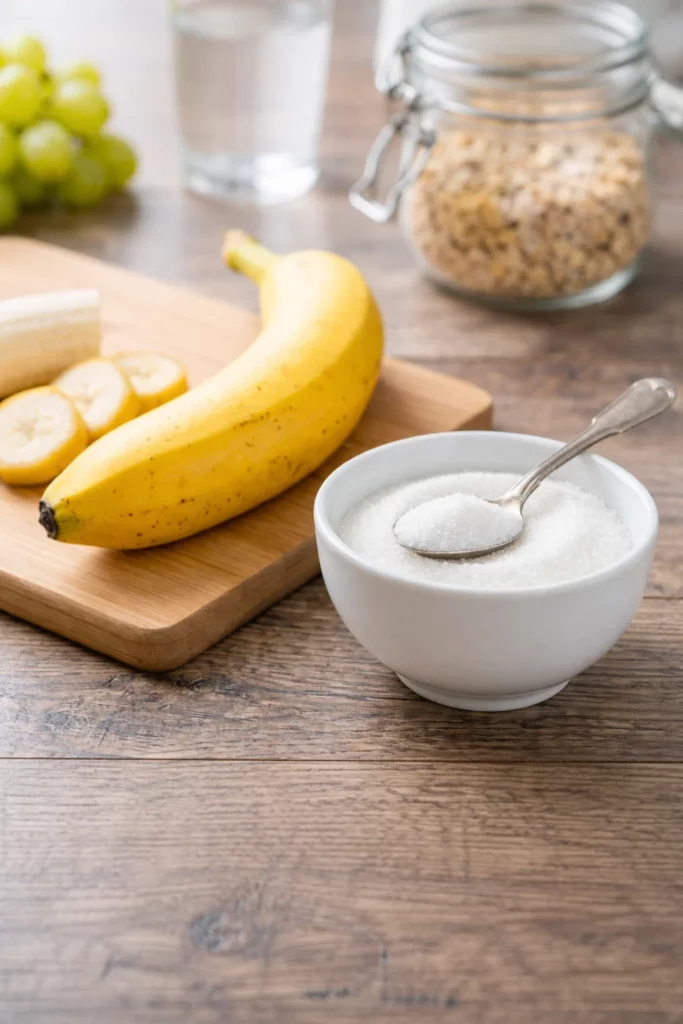
Many popular online diet influencers actively demonize all forms of sugar. Therefore, is banana sugar good or bad for your health? You must carefully understand the massive biological difference between natural and added sugars.
A banana contains natural fructose completely wrapped in thick plant fiber. Because of this dense structural matrix, your body naturally processes it safely. In stark contrast, added table sugar lacks any protective fiber whatsoever.
Can Diabetics Eat Bananas and Apples Together?
Combining multiple fruits significantly increases your total dietary carbohydrate load. Can diabetics eat bananas and apples together?
Honestly, eating both simultaneously provides far too many fast-acting carbohydrates. You will very easily exceed your safe forty-five-gram per meal limit. Therefore, you will likely experience a severe, rapid glucose spike. Instead, simply choose one small fruit portion per meal.
Are Bananas Good for You Overall?
Beyond just blood sugar, this yellow fruit is incredibly nutritious. Are bananas good for you overall? Yes, they absolutely provide incredible, life-sustaining daily health benefits.
They consistently pack massive amounts of vital potassium and vitamin B6. As a result, they actively support strong, healthy daily heart function. (Internal Link: Read our Complete Heart Health Pillar guide). Furthermore, the prebiotic fiber strongly protects your entire gut microbiome.
Safety, Special Populations, and Doctor Visits
Even incredibly healthy foods naturally pose specific risks for certain vulnerable populations. For instance, patients with severe, late-stage kidney disease must remain highly cautious. Damaged kidneys often struggle severely to filter massive amounts of dietary potassium.
Therefore, eating high-potassium fruits can potentially cause dangerous, fatal heart arrhythmias. Additionally, patients with severe gastroparesis might intensely struggle to digest heavy fruit fiber. Finally, if your post-meal glucose consistently exceeds 180 mg/dL, always call your doctor immediately.
Frequently Asked Questions
Are bananas good for diabetics?
Yes, they are generally very safe in strict moderation. You should choose slightly green ones for much better blood sugar control. Always pair them with healthy protein or fats to naturally slow digestion completely.
Do bananas raise blood sugar quickly?
Yes, especially if they are heavily spotted and very ripe. Ripe bananas contain highly concentrated, fast-acting simple sugars. However, the natural fruit fiber actively helps slow down the inevitable glucose spike significantly.
How many bananas can a diabetic eat a day?
Typically, you should strictly eat only half a banana per serving. This perfectly fits standard daily medical carbohydrate limits. You can safely eat one small fruit daily if your overall glucose remains totally controlled.
Can you eat bananas with metformin?
Absolutely, there are zero dangerous chemical interactions between this fruit and daily metformin. However, massive dietary fiber intake might temporarily worsen metformin-induced stomach upset. Always actively monitor your unique daily digestion carefully.
What is the best fruit for a diabetic?
Berries are unequivocally the absolute best daily choice. Strawberries, dark blueberries, and fresh raspberries have massive fiber and low natural sugar. Consequently, they rarely cause severe, sudden blood sugar spikes after eating.
Conclusion: Enjoying Fruit Safely with Diabetes
In conclusion, you finally have a clear, scientific answer. Are bananas good for diabetics? Yes, they fit perfectly into a healthy diet. However, you must always practice strict daily portion control. Consequently, slightly green fruit actively prevents sudden blood sugar spikes.
In my clinical practice, I help patients conquer intense food anxiety completely. You truly do not have to fear natural, whole fruits. Furthermore, always pair your daily snacks with high-quality protein. For instance, natural peanut butter perfectly slows down your digestion.
Finally, always remember that your human body is unique. Therefore, I strongly encourage testing your specific daily glucose responses carefully. Please download our free “Diabetes-Friendly Fruit Guide PDF” below. Most importantly, always discuss major dietary changes directly with your doctor.
Authoritative Medical References:
- American Diabetes Association (ADA) – Fruit and Diabetes
- Centers for Disease Control and Prevention (CDC) – Diabetes Meal Planning
National Institute of Diabetes and Digestive and Kidney Diseases (NIDDK) – Diet & Eating - Harvard T.H. Chan School of Public Health – The Nutrition Source (Bananas)
- National Library of Medicine (PubMed) – Dietary Fruit Intake and Type 2 Diabetes