
Receiving a diabetes diagnosis often triggers immense psychological stress and deep food anxiety. Suddenly, simple daily routines like eating a morning meal feel overwhelming and dangerous. Many people become paralyzed, constantly wondering what a good breakfast for diabetics is.
Clinical psychologists who specialize in chronic illness frequently observe this intense “dietary burnout.” Patients often skip breakfast entirely because they are terrified of making the wrong choice. However, avoiding food can actually worsen your daily metabolic control.
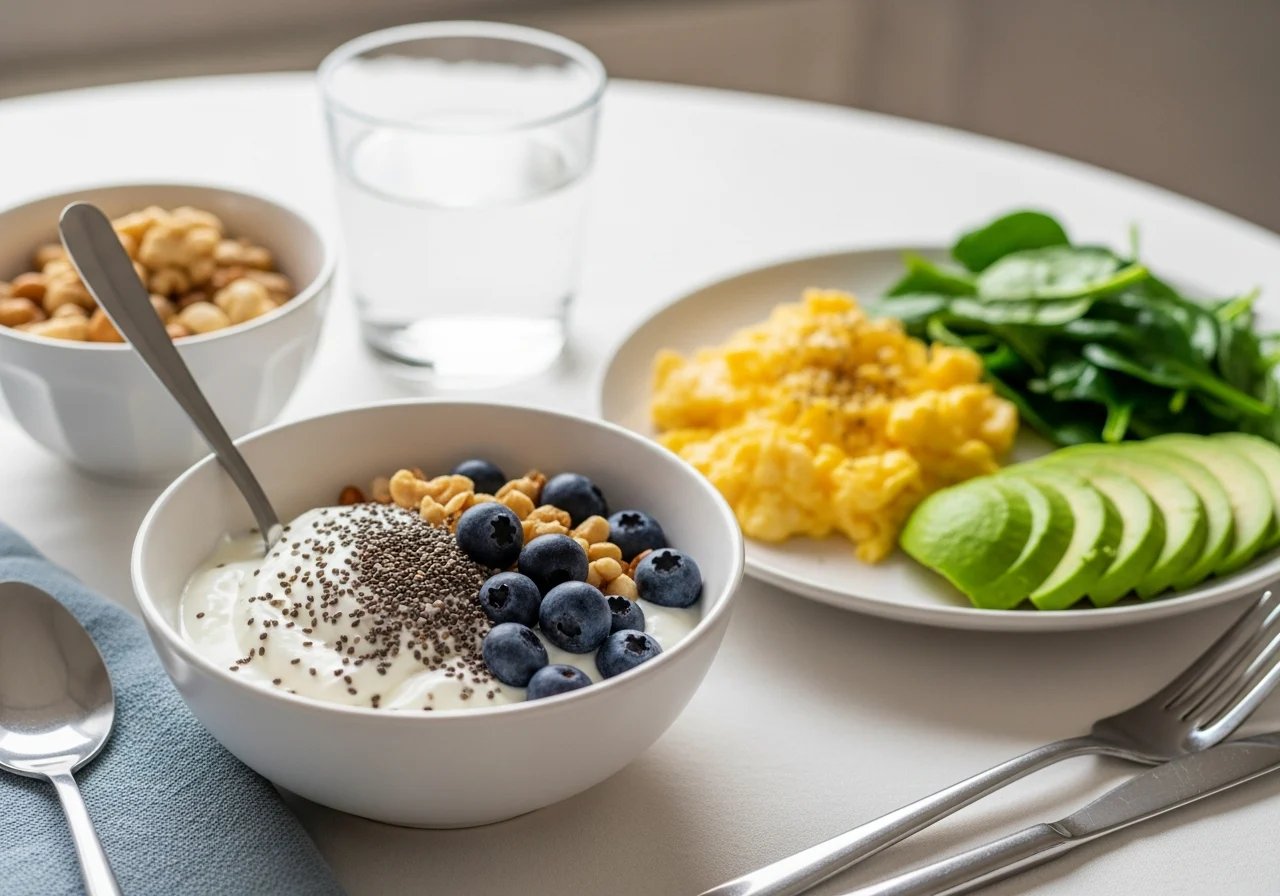
The best breakfast for diabetics strategically combines high-quality fiber, lean protein, and healthy fats. Options such as whole eggs, plain Greek yogurt, chia seeds, and low-carb vegetables help reduce glucose spikes. By focusing on food combinations rather than restriction, you can reclaim your mornings.
Why Breakfast Matters for Blood Sugar Control
Breakfast completely sets the metabolic tone for your entire day. If you start with a massive carbohydrate load, you will chase blood sugar spikes all the way until bedtime. Conversely, a balanced morning meal stabilizes your hormones and your appetite.
Many patients experience a frustrating physiological event called the dawn phenomenon. During the early morning hours, your liver naturally releases stored glucose to help you wake up. Consequently, you are already dealing with a higher baseline blood sugar before you even eat.
Furthermore, your body naturally experiences higher cellular insulin resistance in the morning. This means your cells struggle more to absorb dietary carbohydrates at breakfast than at dinner. Therefore, eating a heavily processed, high-carb breakfast is the worst possible choice.
A high-protein, low-carbohydrate breakfast actively prevents this morning metabolic disaster. It keeps your glucose steady, which directly prevents severe mid-morning energy crashes. Most importantly, it significantly reduces intense cravings for sugary foods later in the afternoon.
What Breakfast Foods Won’t Spike Blood Sugar?
To build the perfect morning meal, you must understand a few core nutritional principles. First, always prioritize high-fiber foods that digest very slowly in your stomach. Second, you must include a solid source of high-quality, filling protein.
Finally, do not fear healthy dietary fats, as they aggressively slow down glucose absorption. When these three elements combine, they create a very low total glycemic load. Here are the 10 best breakfast foods for diabetics to keep in your kitchen.
Top 10 Diabetic-Friendly Breakfast Foods
- Whole Eggs: They provide exceptional, bioavailable protein and absolutely zero carbohydrates.
- Plain Greek Yogurt: It offers double the protein of regular yogurt while being significantly lower in carbs.
- Steel-Cut Oatmeal: A high-fiber carbohydrate that digests much more slowly than highly processed instant oats.
- Chia Seeds: These tiny seeds are packed with massive amounts of soluble fiber and omega-3 fats.
- Tree Nuts: Almonds, walnuts, and pecans provide a satisfying crunch without rapid sugar spikes.
- Fresh Avocado: This fruit is loaded with heart-healthy monounsaturated fats and essential dietary fiber.
- Cottage Cheese: An incredibly underrated, protein-dense food that keeps you full for several hours.
- Fresh Berries: Raspberries and blackberries offer sweet flavor with a very low glycemic impact.
- Whole-Grain Sprouted Toast: Sprouted grains contain more fiber and fewer available carbs than white bread.
- Protein Smoothies: When made without juice, these provide a fast, incredibly nutrient-dense morning meal.
Best Breakfast for Type 2 Diabetes
Type 2 diabetes is fundamentally a condition driven by severe cellular insulin resistance. Your body produces insulin, but your cells refuse to respond to it efficiently. Therefore, a healthy breakfast for type 2 diabetics must directly address this resistance.
You must strictly limit fast-acting, simple carbohydrates like white bagels, pastries, and fruit juices. Instead, focus heavily on lean proteins and non-starchy vegetables. A simple breakfast for type 2 diabetics might be a spinach and mushroom omelet.
A common scenario involves patients who use a Continuous Glucose Monitor (CGM) to track their meals. They often discover that even “healthy” foods like bananas spike their specific glucose levels. Therefore, hyper-personalization is the ultimate key to managing type 2 diabetes successfully.
Breakfast for Type 1 Diabetes
Type 1 diabetes requires a completely different clinical and nutritional approach. Because the pancreas produces zero insulin, patients must inject synthetic insulin for every single meal. Therefore, accurate carbohydrate counting is absolutely critical for daily survival.
A good breakfast for type 1 diabetics focuses heavily on predictable, easily measurable foods. High-fat, incredibly dense meals can delay stomach emptying significantly. This delayed digestion often causes a dangerous mismatch with fast-acting mealtime insulin.
Consequently, individuals with type 1 often aim to minimize severe glycemic variability. Eating a consistent, moderate-carb breakfast makes matching insulin doses much easier. Always work closely with a certified diabetes educator to calculate your specific insulin-to-carb ratios.
Low-Carb Breakfast for Diabetics

Adopting a low-carb breakfast routine is one of the fastest ways to lower your A1C. By completely removing dietary starches, you physically prevent the sugar spike from happening. Low-carb diabetic breakfasts are incredibly popular because they work exceptionally well.
For example, baking a batch of egg muffins on Sunday provides meals for the entire week. Simply mix eggs, chopped bell peppers, spinach, and a little feta cheese in a muffin tin. These are highly portable, perfectly portioned, and essentially carbohydrate-free.
Another excellent low-carb option is half an avocado sliced over a single piece of sprouted toast. You can also blend an unsweetened almond milk smoothie with whey protein and chia seeds. These meals provide immense satisfaction without stressing your delicate metabolic system.
High-Protein Breakfast Recipes for Blood Sugar Stability
Adding high-quality protein to your morning meal is essential for your metabolic health. First of all, dietary protein takes a very long time for your stomach to break down. Therefore, it completely physically blocks carbohydrates from rapidly entering your bloodstream.
Because of this specific biological mechanism, you must prioritize it every morning. High-protein breakfast recipes often prevent severe mid-afternoon energy crashes completely. Consequently, you will naturally crave fewer sugary snacks throughout your entire busy day.
For example, a half-cup of low-fat cottage cheese paired with fresh raspberries is fantastic. It provides roughly fourteen grams of slow-digesting casein protein and excellent dietary fiber. Another incredible option is a rapid egg and vegetable scramble cooked in olive oil.
If you truly dislike eating eggs, consider making a dense Greek yogurt bowl. Simply mix one cup of plain, unsweetened Greek yogurt with crushed walnuts and chia seeds. This massive protein hit stabilizes your delicate insulin response for several hours.
Simple & Easy Breakfast Ideas for Busy Mornings
In modern society, stressful mornings often destroy perfectly good nutritional intentions. When you are rushing out the door, cooking a complex meal is practically impossible. Therefore, a simple breakfast for diabetics on the go is totally necessary.
You must intentionally prepare incredibly fast, grab-and-go options the night before. For instance, overnight oats are an exceptionally simple, highly effective meal prep strategy. Just soak half a cup of raw, rolled oats in unsweetened almond milk overnight.
Furthermore, you can easily add a scoop of unsweetened protein powder for extra fullness. If you literally have zero time to prep, simply grab two hard-boiled eggs. A single tablespoon of natural, unsweetened peanut butter on an apple slice also works perfectly.
Quick Diabetes-Friendly Meals
Sometimes, you need meals that require absolutely zero cooking or intense preparation whatsoever. These five-minute options are actual lifesavers for your daily blood sugar control. First, consider keeping a stash of high-quality, low-sugar protein bars in your car.
However, you must strictly read the nutrition label to avoid massive amounts of hidden sugar. Second, a massive handful of raw, mixed tree nuts provides excellent healthy fats instantly. Simply pair those raw nuts with a small, low-glycemic piece of fresh fruit.
Can Diabetics Eat Oatmeal for Breakfast?
Oatmeal is incredibly controversial within the massive online diabetes community. Many scared patients constantly ask, can diabetics safely eat oatmeal for breakfast? The clinical answer is yes, but the specific type of oat matters tremendously.
You must strictly avoid all highly processed, heavily flavored instant oatmeal packets completely. These terrible products are often absolutely loaded with refined sugars and zero fiber. Instead, always choose slow-cooking, minimally processed steel-cut oats for your morning bowl.
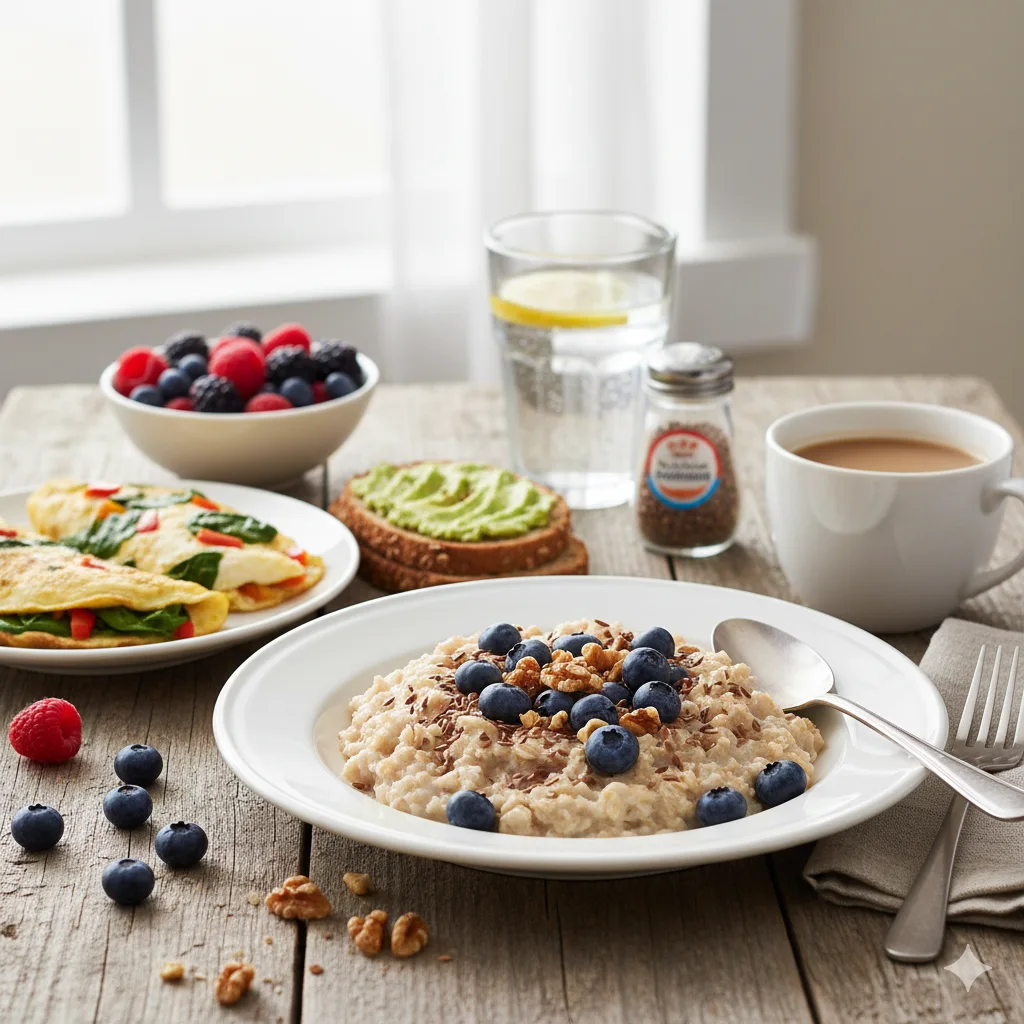
These dense, chewy oats retain their crucial, blood-sugar-stabilizing beta-glucan fiber. Consequently, they actively slow down your digestion and prevent massive insulin spikes. Always measure your portion meticulously and add healthy fats like chia seeds or walnuts.
What Breakfast Cereal Is Good for Diabetics?
Navigating the massive, brightly colored cereal aisle is incredibly stressful and deeply confusing. Most commercial breakfast cereals are essentially heavily processed, sugary desserts in a cardboard box. Therefore, what breakfast cereal is good for diabetics?
You must aggressively hunt for cereals boasting very high fiber and incredibly low sugar. If a cereal contains more than five grams of added sugar, put it back immediately. Similarly, many patients ask, is porridge a good breakfast for diabetics?
Yes, traditional plain porridge is perfectly fine, provided you strictly control the portion size. However, you must absolutely avoid adding honey, maple syrup, or sweet dried fruits. Let’s look at a clear, simple comparison to guide your next grocery trip.
| Cereal Type | Dietary Fiber | Added Sugar | Clinical Recommendation |
| Sugary Flakes | < 1g | 12g+ | Strictly Avoid |
| Instant Flavored Oats | 2g | 10g+ | Strictly Avoid |
| Bran Flakes (Plain) | 5g+ | < 5g | Good Choice |
| Steel-Cut Porridge | 4g+ | 0g | Excellent Choice |
Fast Food Breakfast for Diabetics
Eventually, you will inevitably find yourself hungry while driving down the highway. Therefore, knowing exactly what to order at a fast-food drive-thru is absolutely vital. What can diabetics eat at McDonald’s for breakfast without causing a massive glucose disaster?
The absolute best fast food breakfast for diabetics focuses entirely on plain eggs and meat. For example, you can safely order a classic Egg McMuffin, but throw away the bread. By completely discarding the refined carbohydrate muffin, you instantly stabilize the meal.
Furthermore, you must strictly avoid highly processed, starchy hash browns and heavily sweetened coffee drinks. Drink plain, black coffee or simple, unsweetened iced tea instead. Always prioritize high-protein items and aggressively decline any sugary combo meal upgrades.
Breakfast for Weight Loss & Diabetes
Carrying excess body weight directly worsens severe cellular insulin resistance in type 2 diabetes. Therefore, a simple breakfast for diabetics to lose weight is clinically important. To successfully lose weight, your morning meal must heavily suppress your natural appetite.
High-fiber, high-protein meals actively control your powerful hunger hormones for many hours. Consequently, you are significantly less likely to overeat heavily processed calories at lunchtime. Always focus on extreme satiety rather than severely restricting your food intake.
Breakfast for Diabetics With High Blood Pressure
Many individuals living with diabetes also actively battle dangerously high blood pressure. Because of this common comorbidity, your morning meal requires extra clinical consideration. A good breakfast for diabetics with high blood pressure must strictly limit hidden sodium.
You must aggressively avoid highly processed, heavily salted breakfast meats like bacon and cheap sausage. Instead, actively follow the clinical DASH diet principles by prioritizing massive amounts of fresh vegetables. For example, a massive spinach, tomato, and low-sodium Swiss cheese omelet is absolutely perfect.
Best Breakfast for Diabetics With High Cholesterol
Similarly, heavily elevated LDL cholesterol levels frequently accompany a new type 2 diabetes diagnosis. Therefore, the best breakfast for diabetics with high cholesterol utilizes specific dietary fibers. Soluble fiber physically binds to dangerous cholesterol inside your active digestive tract.
Consequently, your body safely excretes that cholesterol before it permanently enters your bloodstream. Eating plain, old-fashioned rolled oats is a fantastic way to consume this vital soluble fiber. Furthermore, adding raw walnuts provides excellent, heart-healthy omega-3 fatty acids to protect your arteries.
What Should a Diabetic Do First Thing in the Morning?
Your specific daily morning routine heavily influences your metabolic control for the entire day. So, what should a diabetic do first thing in the morning upon waking up? First of all, immediately drink a massive, tall glass of plain water to rehydrate completely.
Second, if your doctor recommends it, check your fasting blood glucose levels right away. Knowing your exact starting number heavily dictates your specific breakfast carbohydrate choices. Finally, engage in ten minutes of light movement, like stretching, before eating anything.
Sample Breakfast Menu for Diabetics
Planning your meals is the ultimate key to eliminating daily dietary anxiety. Here is a perfectly balanced, simple breakfast menu for diabetics to follow this week.
- Monday: Two scrambled eggs with massive amounts of spinach and one slice of sprouted toast.
- Tuesday: One cup of plain Greek yogurt heavily topped with chia seeds and raspberries.
- Wednesday: Half a cup of plain steel-cut oats mixed with walnuts and cinnamon.
- Thursday: Two boiled eggs and a massive handful of raw almonds.
- Friday: A protein smoothie made with unsweetened almond milk, whey protein, and flaxseed.
- Saturday: A massive, three-egg omelet loaded with mushrooms, bell peppers, and feta cheese.
- Sunday: Half an avocado thickly spread on a single piece of whole-grain toast.
What Can Diabetics Eat for Breakfast, Lunch, and Dinner?
While mastering breakfast is critical, you must also balance your entire daily nutritional intake. Therefore, what can diabetics eat for breakfast, lunch, and dinner consistently? You should strongly build a highly predictable, incredibly structured daily eating pattern.
Your lunches should feature massive salads topped with lean chicken and an olive oil dressing. Dinners must prioritize large portions of non-starchy vegetables paired with baked fish or tofu.
Frequently Asked Questions
What is the best breakfast for a diabetic to eat?
The absolute best breakfast strongly combines lean protein, high-quality fiber, and healthy dietary fats. Fantastic examples include plain Greek yogurt with chia seeds or a large vegetable and egg omelet. You must aggressively avoid highly processed, sugary foods to prevent rapid blood glucose spikes completely.
What breakfast food won’t spike blood sugar?
Foods containing massive amounts of protein and virtually zero carbohydrates will not spike your sugar. For instance, whole eggs, plain cottage cheese, and raw almonds are incredibly safe, stable choices. Additionally, non-starchy vegetables like fresh spinach provide immense bulk without rapidly elevating your morning glucose.
Can diabetics eat oatmeal for breakfast?
Yes, but you must actively choose plain, minimally processed steel-cut or old-fashioned rolled oats. You absolutely must avoid heavily flavored instant oatmeal packets, which contain massive amounts of refined sugar. Furthermore, always pair your plain oats with healthy fats like walnuts to significantly slow your digestion.
What should diabetics eat first thing in the morning?
You should immediately prioritize deep hydration by drinking a large glass of plain water upon waking. If your specific blood sugar is running high, strictly eat a virtually zero-carbohydrate, high-protein meal. Excellent, fast options include two simple hard-boiled eggs or a small handful of raw, mixed nuts.
What fast food can diabetics eat for breakfast?
You must heavily prioritize high-protein, extremely low-carbohydrate items when ordering at a fast-food drive-thru. For example, order a classic breakfast sandwich with eggs and meat, but completely discard the bread. Furthermore, always drink plain black coffee or water, aggressively avoiding all heavily sweetened morning beverages.
Conclusion
In conclusion, managing your morning nutrition does not have to be an exhausting, terrifying battle. A healthy breakfast for diabetics actively utilizes powerful proteins and dense fibers to stabilize glucose. By completely avoiding sugary cereals and massive portions of fast-acting carbs, you regain total control.
Furthermore, remember that hyper-personalization is absolutely vital for your long-term metabolic success. What perfectly works for one specific patient might cause a massive spike in another. Therefore, always carefully track your unique glucose responses to different breakfast foods daily.
Finally, I strongly encourage you to download our free “7-Day Diabetes Breakfast Plan” below. Always discuss any major dietary changes directly with your primary endocrinologist or certified dietitian. You absolutely have the power to master your metabolism and start every morning strongly.
Authoritative Medical References:
- American Diabetes Association (ADA) – Nutrition & Eating Well
- Centers for Disease Control and Prevention (CDC) – Diabetes Meal Planning
- National Institute of Diabetes and Digestive and Kidney Diseases (NIDDK) – Diabetes Diet & Eating
- Harvard T.H. Chan School of Public Health – Carbohydrates and Blood Sugar
- Mayo Clinic – Diabetes Diet and Healthy-Eating Plan