
In my clinical practice, I frequently support patients who have just been diagnosed with Type 2 diabetes. Along with the medical concerns, there is often a deep emotional response — especially around food. Many immediately begin searching for the best fruits for diabetics, fearing they must eliminate anything sweet from their lives.
I once worked with a patient, Robert, a passionate gardener, who was heartbroken because he believed he needed to cut down his cherished cherry trees. He had convinced himself that fruit was essentially “poison” because of its natural sugar.
This belief is one of the most common and harmful myths surrounding metabolic health. In reality, fruit is not forbidden for people with diabetes. On the contrary, it provides vital fiber, antioxidants, and nutrients that support overall health. The key is not avoidance, but understanding.
Choosing fruit wisely requires a practical awareness of how different options influence blood glucose. Some fruits digest more slowly due to higher fiber content, helping to prevent rapid spikes. Learning which fruits offer that balance between natural sweetness and fiber allows individuals to make confident, informed choices.
Diabetes management is not purely physical — it is deeply psychological. When we categorize whole, natural foods as “bad,” we often trigger guilt, restriction, and eventual overindulgence. By recognizing which fruits align with your health goals and which require mindful portions, you can enjoy nature’s sweetness while still protecting your long-term blood sugar control and A1c levels.
What Are the Best Fruits for Diabetics?
When determining what the best fruits for diabetics are, we must look beyond the total sugar count. The most important factor is the synergy between sugar and fiber. Fiber acts as a biological “brake,” slowing down the absorption of fructose into your bloodstream. This prevents the rapid insulin surge that characterizes poorly managed diabetes.
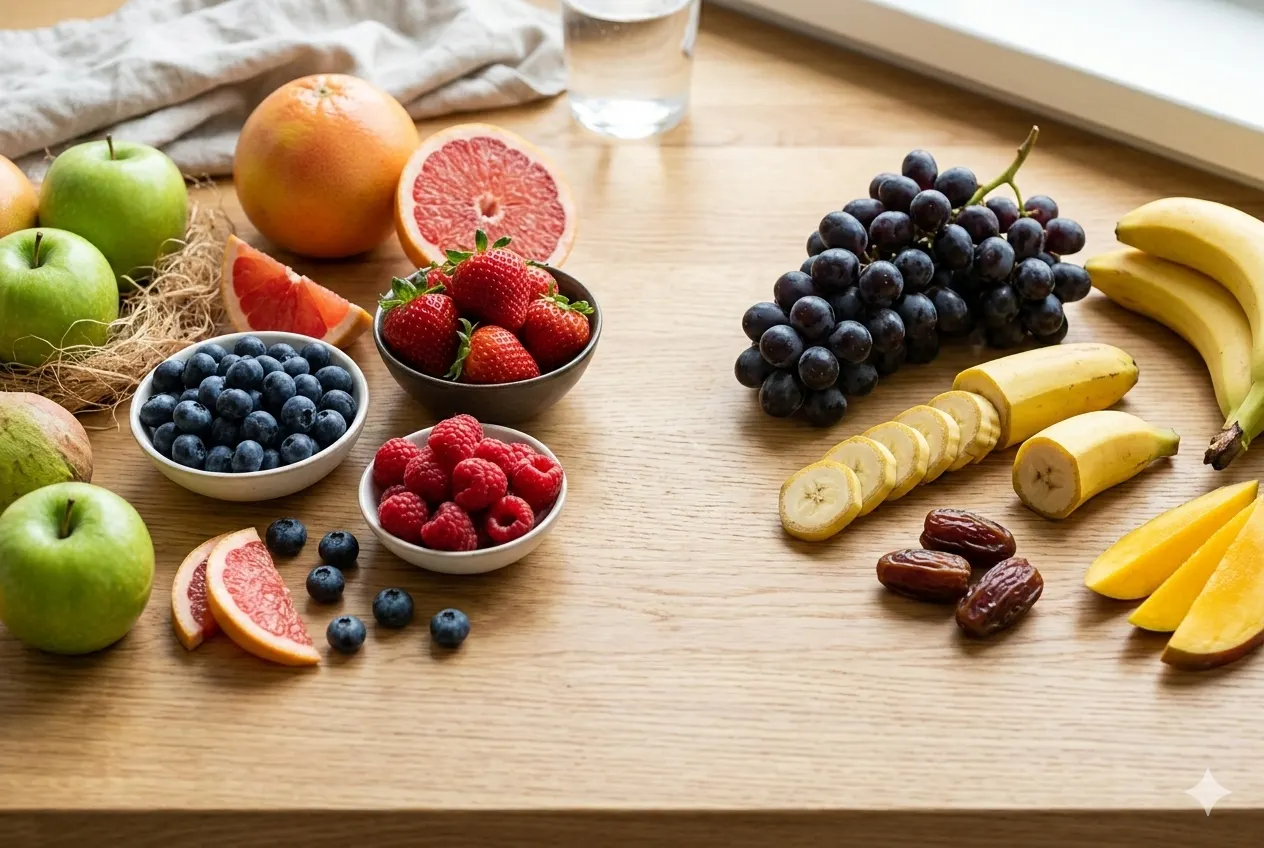
The best fruits for diabetics are high-fiber, low-glycemic options such as berries, apples, pears, citrus fruits, and cherries. These fruits provide essential vitamins while maintaining a steady impact on blood sugar. According to the American Diabetes Association (ADA), most people with diabetes can enjoy fruit as part of a healthy meal plan.
The Centers for Disease Control and Prevention (CDC) also emphasizes portion control. A single serving of fruit should contain about 15 grams of carbohydrates. This usually equates to one small piece of whole fruit or a half-cup of sliced fruit. By sticking to these guidelines, you can satisfy your sweet tooth safely.
10 Best Fruits for Diabetics (Ranked List)
To help my patients like Robert, I often provide a ranked list of the top 10 fruits for diabetics. These options are selected based on their low glycemic index (GI) and high nutrient density. Using this best fruits for diabetics list allows you to shop with confidence and variety.
1. Blueberries (The Brain and Blood Sugar King)
Blueberries are frequently cited as a “superfood” for a reason. They have a glycemic index of about 53, which is considered low. They are packed with anthocyanins, which have been shown to improve insulin sensitivity in several clinical trials.
- Portion: ¾ cup
- Fiber: 3.6 grams
2. Strawberries (Low Calorie, High Volume)
Strawberries are surprisingly low in sugar compared to their volume. They are loaded with vitamin C and have a very low GI of 41. They are an excellent choice for those looking to manage weight while satisfying a craving for something sweet.
- Portion: 1 cup (whole)
- Fiber: 3 grams
3. Apples (The Portable Fiber Source)
Apples are the ultimate convenient snack. Most of their fiber is found in the skin, so it is vital to eat them unpeeled. They have a GI of around 39 and provide pectin, a soluble fiber that supports gut health and slows glucose absorption.
- Portion: 1 small apple
- Fiber: 4.5 grams
4. Pears (High Soluble Fiber)
Pears are even higher in fiber than apples. A medium pear can provide up to 6 grams of fiber, which is nearly 25% of your daily requirement. Their low GI of 38 makes them a stable choice for midday energy.
- Portion: 1 small pear
- Fiber: 5.5 grams
5. Oranges (Vitamin C Powerhouse)
While orange juice is a concentrated sugar source, the whole fruit is a different story. The white pith of the orange contains fiber and bioflavonoids that help regulate blood sugar. One small orange has a GI of 40.
- Portion: 1 small orange
- Fiber: 3 grams
6. Cherries (The Anti-Inflammatory Choice)
Cherries, especially tart cherries, have an incredibly low GI of 22. They are rich in antioxidants that help combat the chronic inflammation often associated with Type 2 diabetes. This was the news that finally put my patient Robert at ease.
- Portion: ½ cup (about 12 cherries)
- Fiber: 2 grams
7. Kiwi (The Tropical Exception)
Many tropical fruits are too sugary, but kiwi is an exception. It is high in vitamin E, vitamin K, and potassium. With a GI of 50, it provides a tropical flavor without the massive glucose spike associated with mango or pineapple.
- Portion: 1 large kiwi
- Fiber: 2.1 grams
8. Peaches (Low-Sugar Stone Fruit)
Peaches are a summer staple that fits well into a diabetic diet. They have a GI of 42 and are relatively low in total carbohydrates. They pair perfectly with protein sources like cottage cheese to further stabilize blood sugar.
- Portion: 1 medium peach
- Fiber: 2.2 grams
9. Plums (Anthocyanin Power)
Like blueberries, plums contain dark pigments that serve as powerful antioxidants. They have a GI of 40. However, you must be careful not to confuse fresh plums with prunes (dried plums), which are much more concentrated in sugar.
- Portion: 2 small plums
- Fiber: 1.5 grams
10. Grapefruit (Metabolic Support)
Grapefruit has long been associated with weight loss and metabolic health. It has one of the lowest GI scores at 25. Note that grapefruit can interact with certain medications, so always check with your doctor before adding it to your diet.
- Portion: ½ large grapefruit
- Fiber: 2 grams
5 Best Fruits for Diabetics (Quick Answer)
If you are in a rush and need a quick reference for the absolute safest options, here are the 5 best fruits for diabetics. These are the most resilient against blood sugar spikes:
- Blackberries: Highest fiber content per serving.
- Raspberries: Extremely low sugar-to-fiber ratio.
- Strawberries: High volume and high Vitamin C.
- Apples (with skin): The most accessible low-GI fruit.
- Avocado: Technically a fruit, it provides healthy fats that actually lower insulin resistance.
7 Best Fruits for Diabetics With Low Glycemic Index
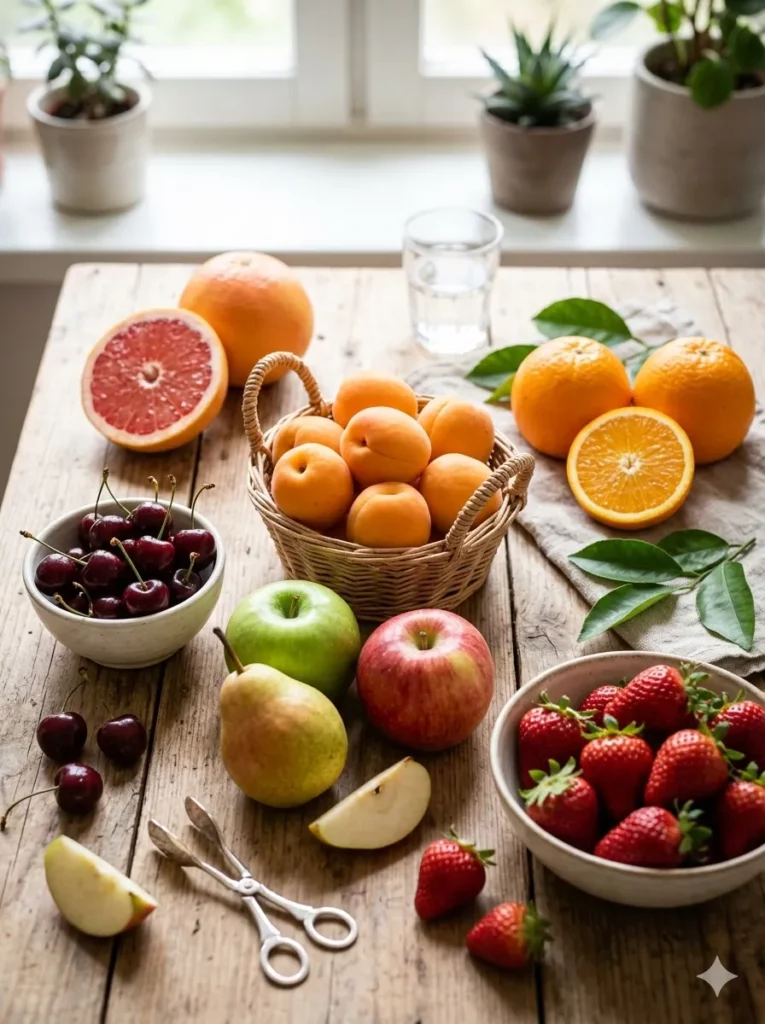
Understanding what fruits don’t spike blood sugar requires a look at the glycemic index (GI). The GI measures how quickly a carbohydrate-containing food raises blood glucose. A score of 55 or less is considered “low.”
The 7 best fruits for diabetics with the lowest GI scores include:
- Cherries (GI 22): The lowest of almost all common fruits.
- Grapefruit (GI 25): Ideal for breakfast or snacks.
- Dried Apricots (GI 32): Use in very small portions, as they are concentrated.
- Pears (GI 38): Excellent for sustained energy.
- Apples (GI 39): A classic staple for a reason.
- Oranges (GI 40): Best eaten whole, never as juice.
- Strawberries (GI 41): Great for dessert alternatives.
By focusing on these low-GI options, you are prioritizing foods that the World Health Organization recommends for chronic disease management. These fruits digest slowly, providing a steady stream of energy rather than a “sugar high” followed by a crash.
Best Fruits for Diabetics Type 2
For those with Type 2 diabetes, the focus is often on reversing or managing insulin resistance. When I consult with patients on what fruits are best for type 2 diabetics, I emphasize the “pairing strategy.” Never eat fruit in isolation; always pair it with a healthy fat or protein.
For example, eating an apple with a tablespoon of natural almond butter significantly changes the metabolic response. The fat and protein further delay the digestion of the fruit’s natural sugars. This is critical for weight management, which is often a primary goal for Type 2 patients.
The best fruit for type 2 diabetes is any fruit that you can enjoy in moderation without feeling deprived. Psychological sustainability is the key to long-term health. If you force yourself to eat only grapefruit when you hate it, you will eventually reach for a high-sugar processed snack instead.
Are bananas good for diabetics?
The question of whether bananas are “allowed” is the single most common dietary query I receive. Many patients feel they must avoid them entirely because of their high carbohydrate count. However, the answer to whether bananas are good for diabetics depends largely on two factors: ripeness and portion control.
As a banana ripens, its resistant starch (a type of fiber that digests slowly) converts into simple sugars. A green or slightly underripe banana has a lower glycemic index than a brown, spotted one. If you love bananas, choose the greener ones to minimize the glucose impact.
Furthermore, a standard large banana can contain up to 30 grams of carbohydrates, double the recommended fruit serving. I advise my patients to stick to a “half-banana” rule. By eating only half and pairing it with a protein like a handful of walnuts, you can enjoy the potassium benefits without the metabolic spike.
What Fruit Is Lowest in Sugar?
If your goal is to keep your insulin levels as flat as possible, you should look for fruits that don’t spike blood sugar. These are often the tart or high-fat botanical fruits. While they may not satisfy a craving for a candy-like sweetness, they provide incredible micronutrients with minimal metabolic cost.
The lowest-sugar fruits include
- Avocados: Almost zero sugar and high in monounsaturated fats.
- Lemons and Limes: Excellent for flavoring water without adding carbs.
- Raspberries: Only 5 grams of sugar per cup.
- Blackberries: High fiber keeps the net carb count very low.
- Rhubarb: Extremely low sugar, though it often requires a sugar substitute for palatability.
Best Fruits for Weight Loss and Blood Sugar Control
Weight management is a cornerstone of Type 2 diabetes care. The best fruits for weight loss are those that provide high “satiety”—the feeling of being full. Fiber is the primary driver of satiety. When you feel full, you are less likely to reach for processed snacks later in the day.
Berries and apples are the champions of this category. Because they require more chewing and contain significant water and fiber, they take longer to eat and digest. This biological delay tells your brain you are satisfied, helping you maintain a calorie deficit while keeping your blood sugar stable.
Fruits to Avoid With Diabetes
Knowing what fruits not to eat with type 2 diabetes is just as important as knowing what to include. Generally, the “worst” fruits are those that have been stripped of their fiber or concentrated through processing. These items behave more like candy in the body than whole foods.
You should strictly limit or avoid:
- Fruit Juice: Even 100% unsweetened juice lacks fiber and causes immediate spikes.
- Dried Mango and Pineapple: These are “sugar bombs” that are very easy to overeat.
- Canned Fruit in Heavy Syrup: This is essentially fruit soaked in liquid sugar.
- Large Portions of Watermelon: While healthy, watermelon has a high GI (72) and can cause spikes if eaten in large amounts.
5 Worst Fruits for Diabetics
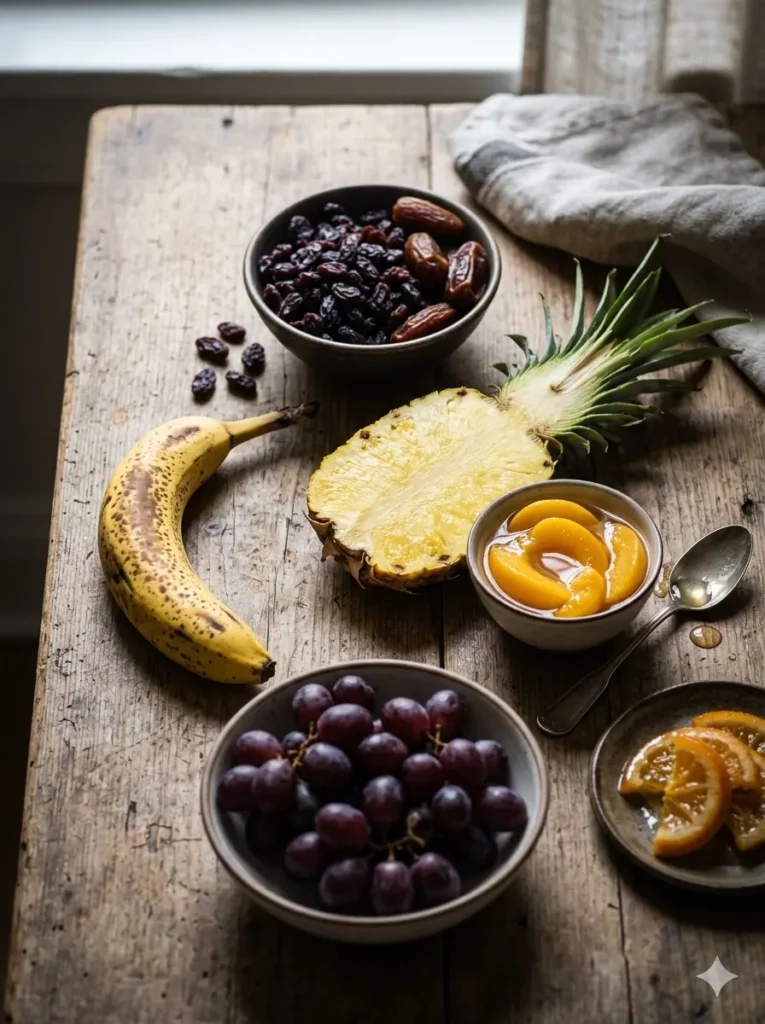
When we look at the worst fruits for diabetics, we focus on those with a high “glycemic load.” This measures how much a typical serving of the food will actually raise your blood sugar.
- Fruit Juice (Any type): The lack of fiber makes this a metabolic disaster.
- Dried Dates: Extremely high sugar concentration; one date can have 16g of sugar.
- Overripe Bananas: The high sugar-to-starch ratio is too aggressive for most.
- Canned Fruit (in syrup): Added industrial sugars double the carbohydrate count.
- Lychees: Very high in natural sugars and low in fiber compared to berries.
Best and Worst Fruits for Diabetics (Comparison Table)
To make your grocery shopping easier, use this comparison table to identify which fruits to prioritize and which to portion strictly.
| Fruit | Glycemic Index (GI) | Fiber (per serving) | Best for Type 2? | Portion Recommendation |
| Blueberries | 53 | 3.6 g | Yes | 3/4 Cup |
| Cherries | 22 | 2.0 g | Yes | 1/2 Cup |
| Watermelon | 72 | 0.5 g | Caution | 1 Cup (diced) |
| Apple (Skin on) | 39 | 4.5 g | Yes | 1 Small |
| Dried Mango | 60+ | 1.0 g | No | Avoid |
| Avocado | 15 | 10.0 g | Yes | 1/2 Fruit |
Fresh vs. Dried Fruit — What’s Better?
The debate between fresh and dried fruit usually comes down to concentration. When fruit is dried, the water is removed, but the sugar remains. This makes it incredibly easy to consume four or five “servings” of fruit in a single handful.
For a list of dry fruits for diabetics to eat, I recommend focusing on nuts or very small portions of unsweetened berries. Almonds and walnuts are technically dry fruits (botanically speaking) and are excellent for blood sugar. If you must have dried fruit, limit yourself to two tablespoons and pair it with a protein.
Diabetic Fruits and Vegetables
A balanced “diabetic plate” should include diabetic fruits and vegetables. While fruits provide sweetness and vitamin C, non-starchy vegetables provide the bulk of your nutrients with almost no impact on blood sugar.
The best vegetables for diabetics to pair with their fruit include:
- Leafy Greens: Spinach, kale, and arugula.
- Cruciferous Veggies: Broccoli, cauliflower, and Brussels sprouts.
- Water-Dense Veggies: Zucchini, cucumbers, and bell peppers.
If you are having a higher-sugar fruit like a peach, eating a large side of sautéed spinach beforehand can actually help dampen the glucose response of that meal.
Best Snacks for Diabetics Using Fruit
Creating the best snacks for diabetics involves the “Plus One” rule. Never eat a fruit alone; always add a “Plus One” of protein or fat. This is the strategy I used with Robert to help him enjoy his cherries again.
- The Classic: One small apple with 1 tbsp of natural peanut butter.
- The Parfait: ½ cup of blueberries stirred into plain, unsweetened Greek yogurt.
- The Savory: Sliced pear with a small wedge of sharp cheddar cheese.
- The Tropical: One kiwi with a handful of raw almonds.
Frequently Asked Questions
Which fruit is best for diabetes?
Berries (strawberries, blueberries, and raspberries) are generally considered the best because they are low in sugar and very high in fiber and antioxidants. They have a minimal impact on blood glucose while providing maximum nutritional benefit.
What are 5 fruits to avoid in diabetes?
While no whole fruit is strictly forbidden, you should be very cautious with fruit juice, dried dates, canned fruit in syrup, overripe bananas, and large portions of high-GI fruits like watermelon or pineapple.
What fruit is lowest in sugar?
Avocados are the lowest in sugar, followed by lemons, limes, and raspberries. These options allow you to enjoy the nutrients of fruit without the significant carbohydrate load found in sweeter varieties.
What fruits don’t spike blood sugar?
Fruits with a low glycemic index (under 55) are less likely to cause spikes. These include cherries, grapefruit, pears, apples, and oranges (when eaten whole). Pairing them with protein or fat further prevents spikes.
Are bananas good for diabetics?
Yes, in moderation. To keep blood sugar stable, choose slightly green bananas, stick to a half-portion (about 15g of carbs), and always pair them with a healthy fat or protein source like nuts or seeds.
Conclusion
Receiving a diabetes diagnosis does not mean you have to say goodbye to the vibrant, delicious world of fruit. As we saw with Robert, the fear of fruit is often based on a misunderstanding of how fiber and sugar interact.
By choosing the best fruits for diabetics—those high in fiber and low on the glycemic index—you can support your metabolic health while still enjoying nature’s sweetness.
The secret to success is mindfulness and the “Pairing Strategy.” View fruit as a high-quality carbohydrate source that needs a protein or fat “anchor.” Whether it is a handful of berries in your morning yogurt or an apple with peanut butter, these small choices accumulate into significant long-term health improvements.
Don’t let the “Worst Fruits” list scare you; let it empower you to make informed decisions about portion sizes. With the right strategy, your diet can be both clinically effective and deeply satisfying.
Authoritative Medical References:
- American Diabetes Association (ADA) – Fruit & Nutrition
- Centers for Disease Control and Prevention (CDC) – Eat Well with Diabetes
- Harvard T.H. Chan School of Public Health – The Glycemic Index
- Mayo Clinic – Diabetes Diet: Create Your Healthy-Eating Plan
- National Institute of Diabetes and Digestive and Kidney Diseases (NIDDK)