
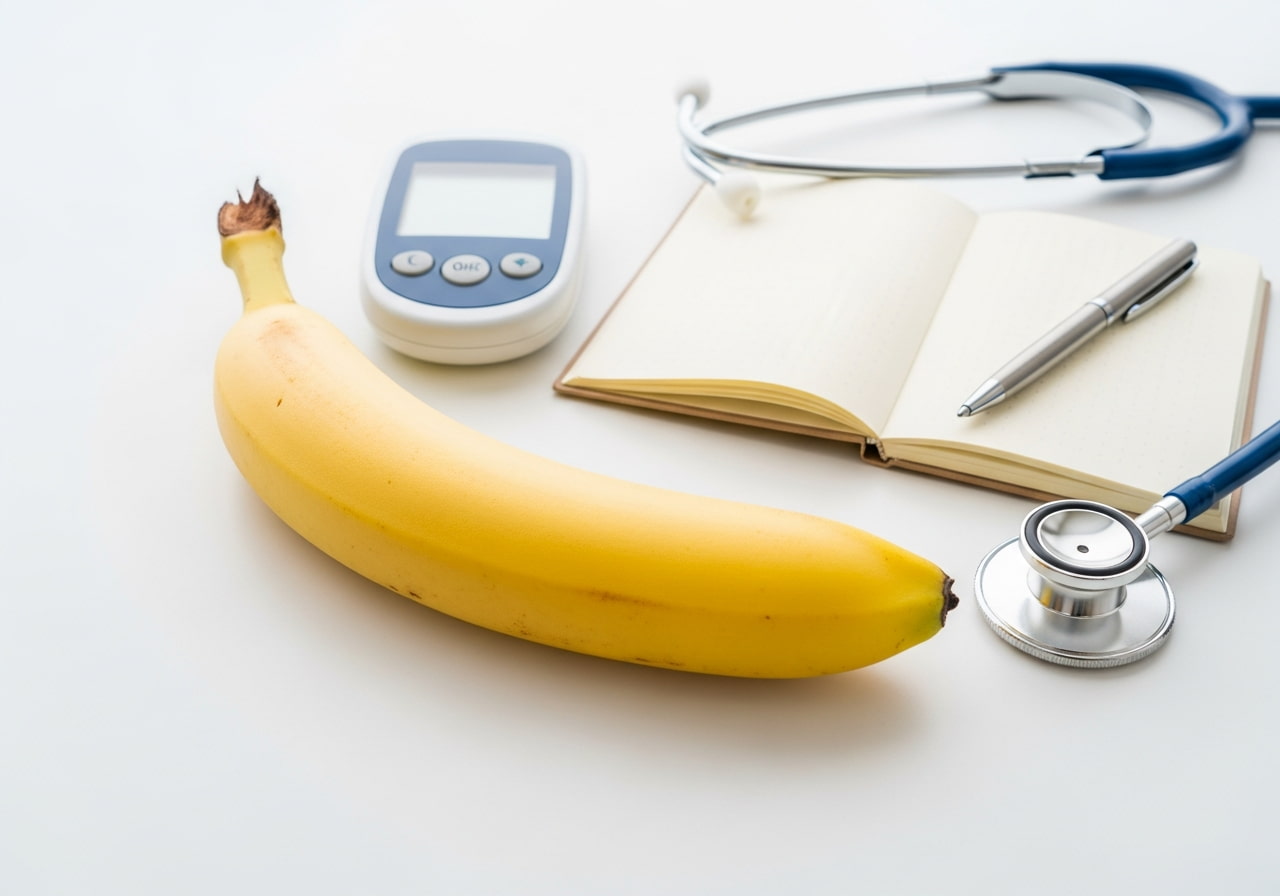
In my clinical experience, few fruits are as misunderstood as the banana. Many patients walk into my office with a list of “forbidden foods,” and bananas are almost always near the top. The biggest concern is their natural sweetness and the belief that they cause a dangerous spike in blood sugar. This leads many people to ask, “Can diabetics eat bananas?”
The short answer is yes. Bananas do contain natural sugars and carbohydrates, but they also provide beneficial fiber, potassium, and important micronutrients. When eaten in appropriate portions and combined with a balanced diet, bananas can support overall metabolic health rather than harm it.
Understanding Can Diabetics Eat Bananas comes down to portion control and how the fruit is consumed. Whether you are following dietary guidance in the US or searching for information on whether diabetics can eat bananas in the UK, the biological impact is essentially the same.
Bananas are rich in potassium and vitamin B6, both of which play important roles in maintaining health. When included thoughtfully in a balanced meal plan, they don’t have to be avoided. In this guide, we will explore how bananas and type 2 diabetes can coexist through practical strategies and smart dietary choices.
Quick Answer Box
Yes, diabetics can eat bananas in moderation. Bananas contain fiber, vitamins, and natural sugars that can fit into a balanced diabetic diet when portion sizes are controlled and combined with protein or healthy fats. This combination helps slow the absorption of sugar into your bloodstream.
Why Bananas Can Be Safe for People With Diabetes
Many patients are surprised when I encourage them to keep fruit in their diet. When considering bananas and type 2 diabetes, we have to look at the total nutritional package. Bananas are not just “sugar sticks,” they are complex biological units.
The fiber in a banana is predominantly pectin and resistant starch. These fibers act as a physical buffer in your digestive tract. This buffering effect is why type 2 diabetics can eat bananas safely: the fiber slows down the speed at which the fruit’s sugar enters your blood.
Furthermore, can pre diabetics eat bananas? Yes, and they probably should. The potassium found in bananas is vital for heart health, which is a major concern for those with prediabetes. Keeping blood pressure stable is just as important as keeping glucose stable.
For any pre-diabetics who can eat bananas, I emphasize that the vitamin B6 in the fruit supports nerve health and metabolism. Since diabetes can impact the nervous system over time, these micronutrients offer a protective benefit that shouldn’t be ignored.
Do Bananas Raise Blood Sugar Quickly?
A common clinical concern is the rate of absorption. So, does banana raise blood sugar quickly compared to other foods? The answer depends largely on the ripeness of the fruit. As a banana ripens, its starch converts into simple sugars like glucose and fructose.
The question of whether bananas raise your blood sugar is also tied to the Glycemic Index (GI). A slightly under-ripe banana has a GI of around 51, which is considered low. A very ripe, spotted banana can climb to a GI of 62, which is in the medium range.
Portion size is the next critical factor. A large banana contains more total carbohydrates than a small one, regardless of the GI. If you eat a massive, overripe banana on an empty stomach, you will likely see a significant spike on your glucose monitor.
However, if you choose a medium banana that is still slightly firm, the impact is much more manageable. I always tell my patients to watch the color of the peel. The yellower and more spotted it becomes, the more “active” the sugar is.
How Many Bananas Can Diabetics Eat?
When determining how many bananas diabetics can eat, we have to look at the “carb exchange” system. In clinical nutrition, one serving of fruit should contain roughly 15 grams of carbohydrates. A medium banana typically contains about 27 to 30 grams.
Therefore, for the question of how many bananas a diabetic can eat in a week, I suggest focusing on daily portions first. A safe typical portion is usually half of a medium banana at one sitting. This keeps your carb intake for that snack around the 15-gram mark.
Depending on your overall activity level and medication plan, an example weekly intake might be 3 to 5 bananas. This assumes you are spreading them out and not consuming them all in two days. Balance is the primary goal of any diabetic meal plan.
Carbohydrate counting is the most effective tool here. If you know you want a banana with lunch, you might choose to skip the piece of bread or the side of rice. By swapping carbs rather than adding them, you keep your total load stable.
Can Diabetics Eat Bananas Every Day?
I often hear the question: Can diabetics eat bananas every day? The clinical answer is yes, provided your overall diet is varied. If you are asking, can diabetics eat bananas every day, you must ensure you are not neglecting other high-fiber fruits like berries.
Eating a banana daily is possible if it is portion-controlled and strategically balanced with protein or fiber. For example, having half a banana with a cup of plain Greek yogurt is a very stable way to consume fruit daily.
However, can diabetics eat bananas every day? depends on your personal glucose readings. Everybody reacts differently to fructose. If you notice your morning readings are higher after a daily banana, you may need to adjust your timing.
Blood sugar monitoring is non-negotiable when adding a daily fruit. I recommend testing two hours after eating the banana. This “post-prandial” check tells you exactly how well your body handled that specific carbohydrate load.
Best Time for Diabetics to Eat Bananas
Timing your carbohydrate intake can significantly change your metabolic response. When patients ask whether diabetics can eat bananas for breakfast, I usually say it is a great idea, but only if they pair it correctly. A banana alone for breakfast is a recipe for a mid-morning crash.
Breakfast bananas provide excellent energy for the start of the day. They work best when chopped into steel-cut oats or mixed with some walnuts. The fat and protein from the nuts act as a “brake” on the sugar absorption.
On the other hand, can diabetics eat bananas at night? A small portion is acceptable, but I generally advise caution. Your body is less insulin-sensitive in the evening as you prepare for sleep. A large sugar load before bed can lead to high fasting glucose the next morning.
If you do need a snack at night, keep the portion to a few slices. Avoid large servings before sleep to prevent the “dawn phenomenon,” where your blood sugar rises sharply in the early morning hours.
Are Green Bananas Better for Diabetics?

This is a topic I am particularly passionate about. If you can diabetics eat green bananas, you are tapping into a powerful metabolic tool. Green or under-ripe bananas are very high in resistant starch.
Unlike regular starch, resistant starch is not digested in the small intestine. Instead, it passes to the large intestine, where it feeds healthy gut bacteria. This means that can diabetics eat boiled green bananas is a very smart clinical move.
Boiling green bananas is common in many cultures and helps maintain a lower glycemic index. The resistant starch acts more like a fiber than a sugar, leading to a much slower glucose release into your bloodstream.
In fact, some studies suggest that resistant starch can actually improve insulin sensitivity over time. If you can tolerate the less sweet, slightly waxy texture of a green banana, your blood sugar levels will likely thank you for it.
Healthy Banana Combinations for Diabetics
As a physician, I never recommend eating a banana in isolation. The “naked carb” is the enemy of stability. By using combinations, you create a biochemical buffer that protects your system from spikes.
Bananas and Peanut Butter
One of the most frequent questions is: can diabetics eat bananas and peanut butter? This is actually one of my favorite recommendations. The healthy fats and protein in peanut butter significantly slow down the digestion of the banana.
This combination creates a sustained energy release. The protein acts as a signal to your body to release sugar slowly. Just make sure to use natural peanut butter with no added sugar to keep the total carb count low.
Bananas and Apples
When patients ask whether diabetics can eat bananas and apples, they are usually looking for a fruit salad option. While both are healthy, they are both carbohydrate sources. If you ask can diabetics eat bananas and apples?, my advice is to watch the volume.
Instead of eating a whole apple and a whole banana, try half of each. This allows you to enjoy the different textures and vitamins without doubling your sugar intake. Can diabetics eat apples and bananas safely? Yes, as long as the total carb count remains within your meal plan.
Bananas and Oranges
Some wonder: can diabetics eat bananas and oranges? This is a Vitamin C powerhouse. While can diabetics eat oranges and bananas is safe, remember that oranges have a higher liquid sugar content. Pairing these two fruits with a handful of almonds is the best way to keep your insulin response in check.
Bananas and Grapes
You should exercise the utmost caution here. If you ask, can diabetics eat bananas and grapes? I usually suggest a very small portion. Grapes are very high in sugar and have very little fiber compared to their size.
When looking at can diabetics eat grapes and bananas combos, the sugar density is very high. I often tell patients that diabetics can eat grapes at all. Yes, but grapes are “sugar bombs.” Pairing them with another sweet fruit, like a banana, requires very strict portion control.
Other Fruits Diabetics Can Eat
While bananas are great, they should only be one part of your fruit intake. Many patients ask can diabetics eat apples or can diabetics eat pears, and the answer is usually a resounding yes. These fruits have skins that are very high in pectin fiber.
Similarly, can diabetics eat oranges? Yes, as long as you eat the whole fruit and not the juice. The white pith of the orange contains fiber that helps manage the sugar. Even for can diabetics eat watermelon, the answer is yes, but in much smaller portions because it has a very high GI.
| Fruit | Benefit | Glycemic Impact |
| Apples | Extremely high in fiber | Low |
| Pears | Great for gut health | Low |
| Berries | High antioxidants | Very Low |
| Oranges | High Vitamin C | Low/Medium |
| Cherries | Anti-inflammatory | Low |
Fruits Diabetics Should Limit or Avoid
While I rarely tell a patient to never eat a fruit, some are much harder to manage. When looking for the 7 fruits diabetics should avoid, the list usually focuses on high-sugar, low-fiber options. This often overlaps with the 5 worst fruits to eat for diabetics found in popular health blogs.
The truth is, what fruits diabetics should not eat is more about the form of the fruit than the type. For example, dried fruits like raisins or dates are very problematic. They are concentrated sugar packages with the water removed, making it easy to overeat.
You should also be cautious with:
- Overripe, brown bananas
- Canned pineapple in heavy syrup
- Large portions of mango
- Fruit juices (even 100% natural)
- Sweetened fruit cups
- Large servings of watermelon
These options have a high glycemic load, meaning they deliver a lot of sugar very quickly. If you do enjoy these, keep the portions tiny and always eat them at the end of a meal that contains plenty of fiber and protein.
Other Foods Diabetics Commonly Ask About
Nutrition is a broad topic, and bananas are just the beginning. I often get asked: Can diabetics eat potatoes? Like bananas, it depends on the preparation. A boiled potato with the skin on is much better than mashed potatoes or fries.
Another common one is: Can diabetics eat honey? While honey is natural, it is still a form of sugar. It will raise your blood glucose just as surely as white sugar will. It should be used sparingly and counted as a fast-acting carbohydrate.
The theme here is always moderation. No single food will “cure” or “ruin” your diabetes, but the cumulative effect of your choices matters. If you choose a banana, make sure your other choices for that day are lower in starch.
What Is the Best Fruit for a Diabetic?

If you are looking for the absolute “gold standard,” what is the best fruit for a diabetic is almost always the berry family. Raspberries, blackberries, and strawberries are incredibly high in fiber and very low in net carbohydrates.
They provide a massive dose of antioxidants with a very minimal impact on your insulin levels. Other great options include:
- Crisp apples (with the skin)
- Fresh pears
- Tart cherries
- Oranges
These fruits provide the best “bang for your buck” in terms of nutrition versus glucose impact. While bananas are good, berries are often the stars of a diabetic diet.
What Should Diabetics Drink First Thing in the Morning?
Hydration is a critical but overlooked part of glucose management. When asking what diabetics should drink first thing in the morning, the best answer is always plain water. Being even slightly dehydrated can make your blood sugar levels appear higher.
Other excellent morning options include:
- Lemon water (provides a refreshing ritual without sugar)
- Unsweetened green tea (contains antioxidants that may help metabolism)
- Black coffee (safe as long as you don’t add sugar or heavy syrups)
Starting your day with a sugary juice or a sweetened coffee drink sets you up for a day of glucose instability. Plain, unsweetened liquids are the best way to support your liver and kidneys in their work.
What Food Is the Number One Enemy of Diabetes?
If there is one thing I wish I could remove from every patient’s kitchen, it isn’t the banana. The true what food is the number one enemy of diabetes is the sugary beverage. Soda, sweetened teas, and even fruit juices are essentially liquid sugar.
Because there is no fiber to slow down liquid sugar, it hits your bloodstream instantly. This forces your pancreas to work overtime and contributes to insulin resistance. Other major enemies include:
- Refined white flour (white bread and pasta)
- Ultra-processed snacks (chips and cookies)
- Trans fats (found in some fried foods)
Bananas are a whole food provided by nature. Sugary drinks are a processed product designed to be addictive. Focus your efforts on cutting the processed sugar first.
Frequently Asked Questions
Can diabetics eat bananas every day?
Yes, if portion sizes are controlled. Eating half a medium banana daily as part of a balanced diet that includes protein and healthy fats is generally safe for most diabetics.
Do bananas raise blood sugar?
Bananas do contain carbohydrates and natural sugars, so they will raise blood sugar. However, their fiber content helps slow this rise, especially if the banana is not overripe.
How many bananas can diabetics eat?
Most diabetics can safely eat 1/2 to 1 medium banana per serving. It is important to count these carbohydrates as part of your total daily allowance.
Can prediabetics eat bananas?
Yes, prediabetics can enjoy bananas. They are especially beneficial when combined with protein, like a tablespoon of almond butter, to keep insulin levels stable.
Are bananas bad for diabetes?
No, bananas are a whole food with significant nutritional value. They only become “bad” if eaten in very large portions or when they are extremely overripe and consumed without other buffering nutrients.
Conclusion
After reviewing the clinical evidence and my own experience with patients, the final verdict is clear. Bananas are a nutritious and safe addition to a diabetic diet. They provide essential minerals and a satisfying sweetness that can help you avoid processed desserts.
However, you must be a disciplined consumer. Bananas are safe when they are eaten in moderation, usually limiting yourself to half a fruit at a time. They are most effective when paired with protein or healthy fats to blunt the glycemic response.
Choose bananas that are not overly ripe, or even experiment with green bananas for their resistant starch. When included in a balanced diet that is rich in vegetables and lean proteins, bananas are a wonderful way to enjoy the natural bounty of the earth.