
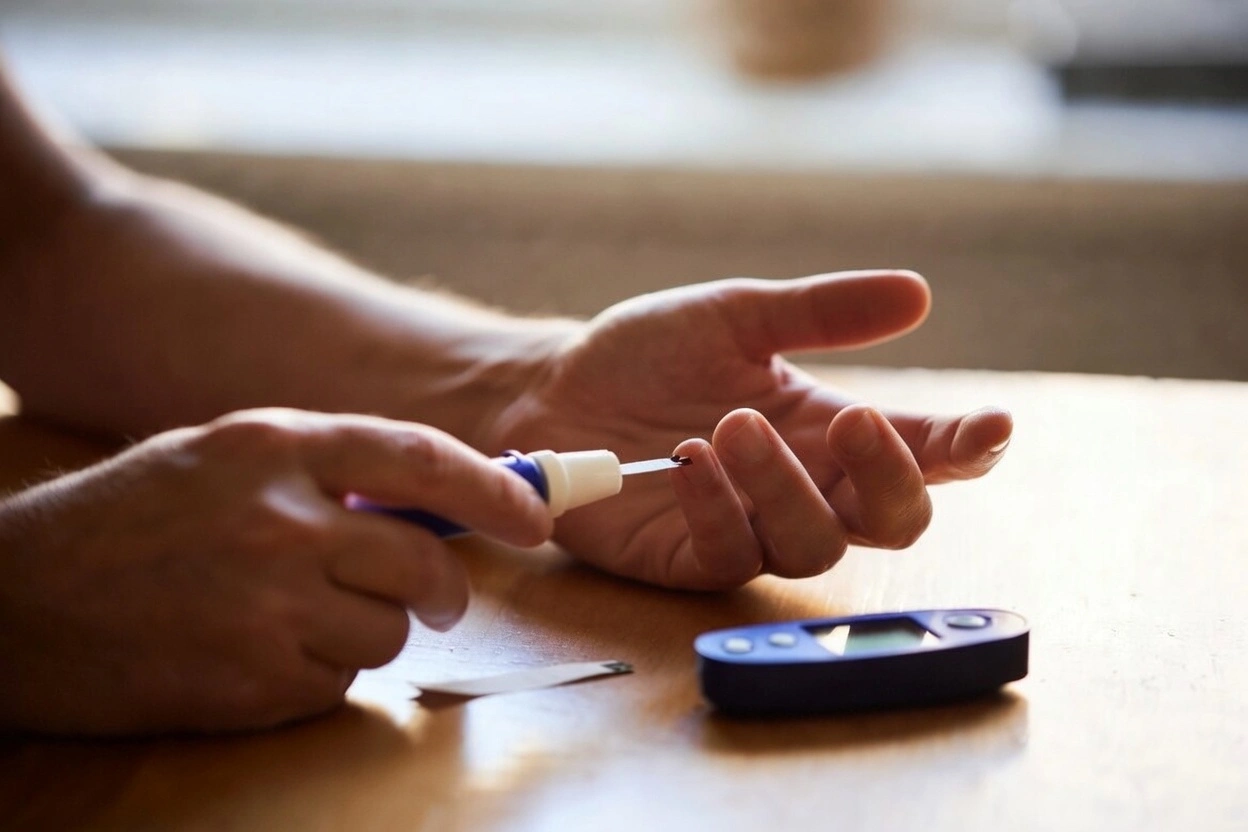
Are you sitting there wondering, “Do I have diabetes?” You are definitely not alone. Millions of Americans worry about their blood sugar levels every single day. Furthermore, millions more walk around completely undiagnosed.
First of all, diabetes symptoms vary widely depending on the specific type you have. Some people experience drastic changes in their bodies almost overnight. In contrast, others notice very slow, subtle shifts over several years. Therefore, recognizing these warning signs early can literally save your life.
So, how do I know if I have diabetes? You must listen to your body and watch for specific clues. In this guide, we will break down the exact signs you need to look out for. Most importantly, we will help you understand when it is time to call your doctor for a simple blood test.
TL;DR: Do I Have Diabetes?
If you are asking, “Do I have diabetes?” you must look for the “classic triad” of symptoms. These include excessive thirst, frequent urination (especially at night), and unexplained weight loss. Furthermore, you might feel extreme fatigue or notice that your vision is blurry.
While a “Do I have diabetes quiz can help you identify risk factors, it is not a diagnosis. Specifically, type 1 diabetes symptoms appear rapidly, while type 2 develops slowly over the years. Therefore, the only way to know for sure is through a clinical blood test, such as an A1C or fasting glucose test.
Quick Checklist: 7 Warning Signs
- Polyuria: Going to the bathroom more than usual.
- Polydipsia: Feeling thirsty no matter how much you drink.
- Polyphagia: Intense hunger, even after eating.
- Fatigue: Feeling exhausted despite getting enough sleep.
- Blurred Vision: Temporary changes in your eyesight.
- Slow Healing: Cuts or bruises that take a long time to go away.
- Weight Loss: Losing pounds without changing your diet or exercise.
How Do I Know If I Have Diabetes?
Many patients walk into my clinic feeling completely lost about their health. Just last week, I sat down with a 45-year-old patient named Sarah. She looked exhausted and asked me point-blank, “Doc, how do I know I have diabetes?” Sarah explained that she constantly felt thirsty and lacked energy.
Consequently, I ordered a simple A1C blood test for her. The results showed she had early-stage type 2 diabetes. Because we caught it early, Sarah successfully managed her blood sugar through diet and daily walks. So, how can you tell if you have diabetes? You look for specific patterns in your daily life.
For instance, you might notice that you wake up multiple times at night to use the bathroom. Likewise, you might feel incredibly hungry even right after eating a large meal. If these patterns sound familiar, you need to take action. Early detection prevents serious complications later down the road.
Do I Have Diabetes Quiz (Quick Self-Check)
Are you still asking yourself, “Do I have diabetes quiz-free options online?” You can start right here. Grab a piece of paper and answer “Yes” or “No” to the following 10 simple questions.
- Do you urinate frequently, especially during the night?
- Are you often very thirsty, even after drinking plenty of water?
- Do you feel intensely tired even after a full night of rest?
- Have you lost weight unexpectedly without trying?
- Do you experience blurry vision regularly?
- Do your cuts, scrapes, or bruises heal very slowly?
- Do you feel tingling, numbness, or pain in your hands or feet?
- Are you constantly hungry, even shortly after meals?
- Do you get frequent skin, gum, or vaginal yeast infections?
- Do you have patches of dark skin, especially around your neck or armpits?
How to Score Your Quiz: Do I have diabetes? Did you answer “Yes” to three or more of these questions? If so, you might have an elevated risk for high blood sugar. As a result, you should schedule a medical appointment immediately. Remember, this diabetes test cannot replace a professional medical diagnosis.
What Are the 7 Signs of Diabetes?

You might search online asking, “What are 7 signs of diabetes?” Medical professionals typically look for a core group of classic symptoms. First, your body tries to flush out excess sugar. Therefore, you experience frequent urination (polyuria).
Second, all that fluid loss causes excessive thirst (polydipsia). Third, your cells cannot access the sugar they need for energy. Consequently, you feel extreme fatigue. Fourth, changing fluid levels in your body swell your eye lenses, causing blurred vision.
Fifth, high blood sugar damages your blood vessels over time. As a result, you notice slow-healing wounds. Sixth, your starving cells trigger increased hunger (polyphagia). Finally, losing calories through your urine causes unexplained weight loss.
What Are 10 Warning Signs of Diabetes?
Sometimes, the symptoms go beyond the classic seven. Patients often ask me, “What are 10 warning signs of diabetes?” or even “What are 20 warning signs of diabetes?” In addition to the seven signs listed above, you must watch for three more critical red flags.
First, look out for frequent infections. High blood sugar weakens your immune system. Specifically, yeast feeds on extra sugar in your body. Therefore, you might experience recurring yeast infections. Next, pay attention to nerve sensations.
High glucose levels damage nerve fibers over time. Consequently, you might feel a burning or tingling sensation in your toes or fingers. Finally, watch for dry, itchy skin. Poor circulation and fluid loss quickly dry out your body’s largest organ.
What Does Undiagnosed Diabetes Feel Like?
Many people ask me, “What does undiagnosed diabetes feel like?” To be honest, it feels like your body is running on empty. You might sleep for eight hours, but still wake up feeling completely drained. This crushing fatigue happens because your body cannot convert food into usable energy.
Furthermore, you might experience random bouts of dizziness. Fluctuating blood sugar levels easily throw off your balance. Additionally, many undiagnosed patients complain about severe brain fog. Your brain relies heavily on steady glucose. Therefore, erratic blood sugar makes concentrating almost impossible.
If I Pee a Lot, Do I Have Diabetes?
This is a highly common concern in my practice. Patients frequently ask, “If I pee a lot, do I have diabetes? “Polyuria, the medical term for frequent urination, is indeed a major red flag. When you have too much sugar in your blood, your kidneys work overtime.
They desperately try to filter and absorb the excess glucose. However, when they cannot keep up, the excess sugar dumps into your urine. Consequently, it drags fluids from your tissues along with it. This forces you to rush to the bathroom constantly.
Yet, frequent urination does not automatically mean diabetes. You could simply have a urinary tract infection. Alternatively, you might just be drinking way too much coffee. Therefore, you must see a doctor to find the exact cause.
If I Get Tired or Sleepy After Eating, Do I Have Diabetes?
Do you regularly need a nap after lunch? You might wonder, “If I get tired after eating, do I have diabetes?” Or perhaps you ask, “If I get sleepy after eating, do I have diabetes?” When you eat a heavy, carbohydrate-rich meal, your blood sugar spikes rapidly.
In response, your body pumps out a massive surge of insulin. This insulin overcompensation can then cause your blood sugar to crash quickly. As a result, this rapid roller coaster drains your energy and makes you incredibly sleepy.
While everyone feels a little sluggish after a huge Thanksgiving dinner, daily exhaustion is different. If a standard sandwich knocks you out for the afternoon, your insulin response might be malfunctioning. Consequently, you should get your A1C checked.
If I Have Low Blood Sugar, Do I Have Diabetes?
Some people experience shaking and sweating between meals. They quickly ask, “If I have low blood sugar, do I have diabetes? ” Or similarly, “If I have hypoglycemia, do I have diabetes?” Hypoglycemia (low blood sugar) most commonly occurs in diabetic patients who take too much insulin. However, non-diabetics can experience it too.
This condition is called reactive hypoglycemia. Your body simply produces too much insulin after a meal. Therefore, having occasional low blood sugar does not mean you are diabetic. In fact, it often means the exact opposite in the short term. However, severe reactive hypoglycemia can sometimes be an early warning sign of future insulin resistance.
Do I Have Type 1 or Type 2 Diabetes?
Many patients feel incredibly confused about the different types of this disease. Consequently, they often search for a “do I have type 1 or type 2 diabetes quiz.” Basically, your body either stops making insulin entirely or simply stops using it properly. Let us break down both conditions clearly.
Understanding Type 1 Diabetes
So, you might wonder, “Do I have type 1 diabetes?” or perhaps “Do I have type 1 diabetes?” This specific condition is a serious autoimmune disease. Your immune system mistakenly attacks your own pancreas. Therefore, your body produces absolutely zero insulin.
Usually, this disease develops very rapidly in children or young adults. However, older adults can definitely develop it too. For example, I recently diagnosed a 28-year-old marathon runner in my clinic. He suddenly lost 15 pounds in two weeks and felt constantly parched.
Because his body lacked insulin, his blood sugar skyrocketed dangerously high. Consequently, he needed immediate, life-saving insulin therapy. You cannot prevent this specific type of diabetes. Thus, lifelong daily insulin injections remain the only effective treatment.
Furthermore, you must monitor your glucose constantly throughout the day. Today, modern medical technology makes this tracking much easier. Ultimately, catching these rapid symptoms early absolutely saves lives.
Understanding Type 2 Diabetes
Next, you might ask, “do I have diabetes type 2?” or “do I have type 2 diabetes?” This type functions completely differently. Your pancreas still manufactures insulin. However, your cells stubbornly resist letting it inside.
This condition usually develops very slowly over many years. Typically, it stems from lifestyle factors, a poor diet, and carrying excess body weight. For instance, chronic poor sleep and high stress also increase your risk dramatically.
Initially, your pancreas works overtime to pump out extra insulin. Eventually, the organ just burns out from exhaustion. Therefore, your blood sugar levels slowly creep up. Consequently, you start noticing those classic warning signs we discussed earlier.
How Do I Know If I Have Type 1 Diabetes?
You might urgently wonder, “How do I know if I have type 1 diabetes?” You must look for sudden, extreme changes in your body. For example, massive weight loss often happens almost overnight. Furthermore, you might experience severe nausea, vomiting, or heavy breathing.
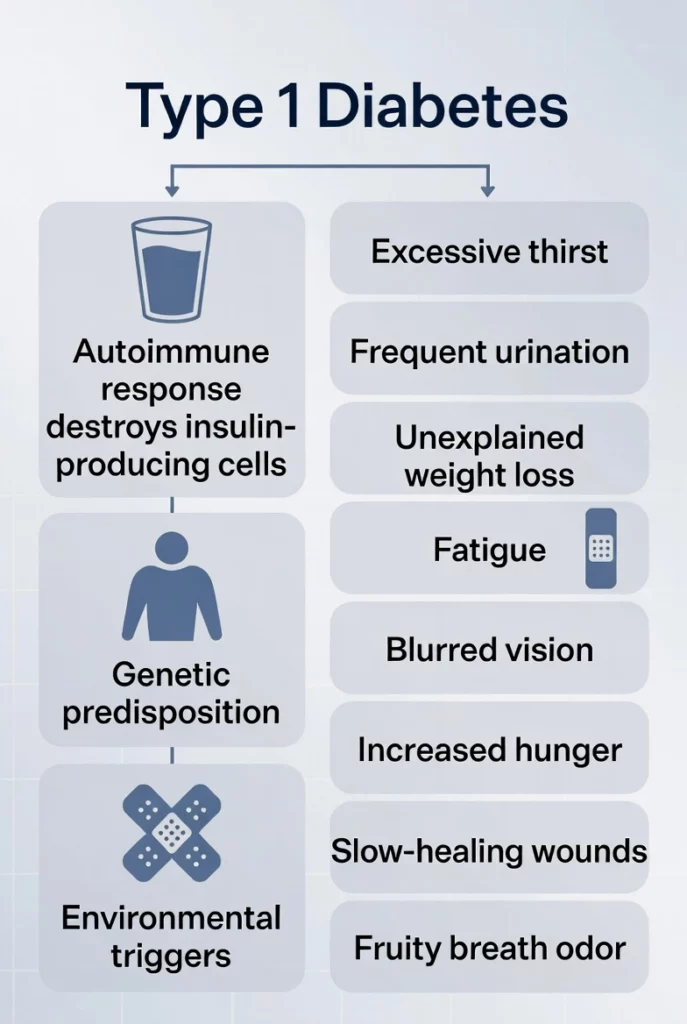
These rapid, alarming symptoms require an immediate emergency room visit. Doctors will perform very specific blood tests. Specifically, they check your blood for autoantibodies. These markers positively confirm an autoimmune attack on your pancreas.
How Do I Know If I Have Type 2 Diabetes?
Conversely, people ask, “How do I know if I have type 2 diabetes?” or “How do I know if I have type 2 diabetes?” You must schedule a routine wellness check with your physician. Because symptoms hide for years, clinical blood tests provide the only real answer.
Doctors typically use a Fasting Plasma Glucose test or an A1C test. The A1C measures your average blood sugar over three solid months. Consequently, it offers a perfect snapshot of your metabolic health.
Do I Have Gestational Diabetes?
Pregnancy changes your body completely. Therefore, many expecting mothers ask, “Do I have gestational diabetes?” Hormones from the placenta actually block insulin from working. Consequently, your blood sugar rises significantly during pregnancy.
Usually, you do not feel any obvious symptoms at all. If you wonder, “How do I know if I have gestational diabetes?” your doctor will give you a simple glucose tolerance test.
Causes of Gestational Diabetes
So, you might ask, “Why do I have gestational diabetes?” You honestly did not do anything wrong. Sometimes, your pancreas simply cannot keep up with the massive hormone load. However, carrying excess weight before pregnancy does increase your personal risk.
Managing Gestational Diabetes
If you’re wondering, “What should I do if I have gestational diabetes?” the first thing to remember is to stay calm. This condition can be managed effectively. It’s essential to monitor your blood sugar levels daily and maintain a balanced, high-fiber diet. Furthermore, light walking after meals helps lower your glucose tremendously.
What Are 5 Signs Your Blood Sugar Is Too High?
Patients constantly ask me, “What are the 5 signs your blood sugar is too high?” First, you experience unquenchable, intense thirst. Second, you suffer from constant, pounding headaches. Third, your vision gets noticeably blurry throughout the day.
Fourth, you feel an overwhelming sense of deep fatigue. Finally, you might notice frequent, annoying trips to the bathroom. If you spot these five signs together, you must contact a doctor right away.
Signs That Diabetes Is Becoming Serious
Sometimes, patients ignore the early warnings for years. They eventually search for “signs that diabetes is killing you.” Uncontrolled blood sugar violently damages your delicate blood vessels. Consequently, you face severe, life-threatening physical complications.
For example, you might experience chest pain from early heart disease. Alternatively, you could lose feeling in your feet completely due to nerve death. Furthermore, kidney failure causes severe leg swelling. You must never let the disease progress this far.
How to Prevent Diabetes
You probably want to know “how to prevent diabetes.” You actually possess incredible power over your own health. First of all, you must move your body vigorously every single day. Exercise forces your muscles to absorb excess sugar naturally.
Secondly, you must eat real, whole foods. Specifically, you should eliminate sugary drinks and highly processed junk. And then make a good diet plan with the best breakfast. Furthermore, losing just 5% to 7% of your body weight slashes your risk dramatically. Therefore, complete prevention is absolutely possible.
Can Diabetes Be Cured?
Finally, people frantically search “how to cure diabetes.” Technically, doctors cannot offer a permanent magic pill yet. Type 1 diabetes requires insulin injections for life. However, type 2 presents a completely different story.
You can push type 2 diabetes into full, lasting remission. Through aggressive diet changes and healthy weight loss, your blood sugar can return to normal. Consequently, you might even stop taking medication entirely under strict medical supervision.
When to See a Doctor for Diabetes Testing
You must see a doctor immediately if you experience any symptoms mentioned today. Please, do not rely solely on late-night internet searches. A simple, affordable blood test gives you a definitive, clear answer. Taking swift action today fiercely protects your future health.
Frequently Asked Questions
How do I know if I have diabetes?
You carefully monitor your body for excessive thirst, frequent urination, and extreme fatigue. Then, you visit a medical clinic for a definitive A1C blood test.
What are the 7 signs of diabetes?
The primary signs include frequent urination, intense thirst, severe fatigue, blurred vision, slow-healing wounds, constant hunger, and sudden weight loss.
What are 5 signs your blood sugar is too high?
You will typically notice severe headaches, unquenchable thirst, blurred vision, overwhelming exhaustion, and a frequent need to urinate.
Do I have diabetes quiz.
You can take our quick self-check detailed above. However, a quiz only highlights your potential risk factors. You still need a clinical blood test for a real diagnosis.
What does undiagnosed diabetes feel like?
It feels incredibly exhausting. You experience deep brain fog, daily dizziness, and a constant lack of energy despite sleeping perfectly well.
Conclusion
In conclusion, your health is your most valuable asset. Therefore, you must not leave these symptoms to chance. First of all, early detection makes management much easier. Furthermore, modern medicine offers incredible tools to help you thrive.
In addition, remember that knowledge is truly power. You now understand the classic red flags. You also know how to differentiate between the various types. Consequently, you are better prepared than most people. However, you should never self-diagnose based on a quiz alone. While a do I have diabetes quiz is helpful, it is only a starting point.
Therefore, you must schedule a formal consultation with a healthcare provider. During your visit, be honest about your habits. Specifically, discuss your diet, exercise levels, and family history. This information helps your doctor create a personalized plan. In the end, a simple blood test provides the ultimate peace of mind.
Evidence-Based References:
- Centers for Disease Control and Prevention (CDC): Diabetes Basics and Symptoms
- American Diabetes Association (ADA): Common Diabetes Symptoms
- National Institute of Diabetes and Digestive and Kidney Diseases (NIDDK): Symptoms & Causes of Diabetes
- Mayo Clinic: Diabetes Diagnosis and Treatment
- World Health Organization (WHO): Global Diabetes Fact Sheet