

Have you been feeling unusually tired or thirsty lately? You might easily brush these feelings off as stress. However, these subtle clues often point to something more serious. Specifically, diabetes often develops slowly over many years.
Because the early symptoms are easy to miss, millions of Americans live with this condition completely unaware. Recognizing the early warning signs of diabetes is incredibly important. Early diagnosis prevents severe, long-term complications.
If you catch the signs you’re becoming diabetic early, you can take immediate action to protect your health. In this comprehensive guide, we will explore exactly what you need to look out for. Therefore, let’s dive into the symptoms you should never ignore.
TL;DR Summary
Diabetes often develops silently, but your body provides subtle clues before serious damage occurs. Recognizing these early warning signs of diabetes can help you manage your blood sugar and prevent long-term complications like nerve damage or heart disease.
The “Big 3” Symptoms
- Polydipsia: Excessive, unquenchable thirst.
- Polyuria: Frequent urination, especially waking up multiple times at night.
- Polyphagia: Extreme hunger, even shortly after eating a full meal.
Other Critical Red Flags
- Chronic Fatigue: Feeling drained because your cells can’t access glucose for energy.
- Blurred Vision: High blood sugar causes the lenses in your eyes to swell.
- Slow Healing: Cuts, bruises, or sores that take weeks to disappear.
- Neuropathy: Tingling, “pins and needles,” or numbness in hands and feet.
- Skin Changes: Dark, velvety patches (Acanthosis Nigricans) in skin folds.
What Are the Early Warning Signs of Diabetes?
Many people ask me in the clinic, “what are the early warning signs of diabetes?” Just last month, a patient named Sarah sat in my exam room. She felt perfectly fine but complained of waking up twice a night to use the restroom. Because her symptom seemed so minor, she almost canceled her appointment.
However, routine blood work revealed her blood sugar was alarmingly high. Sarah’s story perfectly illustrates how sneaky metabolic changes can be. When you ask what are early warning signs of diabetes, you must understand your body’s energy system. Your digestive tract breaks down food into a sugar called glucose.
Your cells need this glucose for energy. Consequently, your pancreas releases insulin to help glucose enter your cells. If you have diabetes, your body either stops making insulin or resists it. Thus, sugar builds up in your bloodstream, triggering multiple warning signals.
10 Early Warning Signs of Diabetes
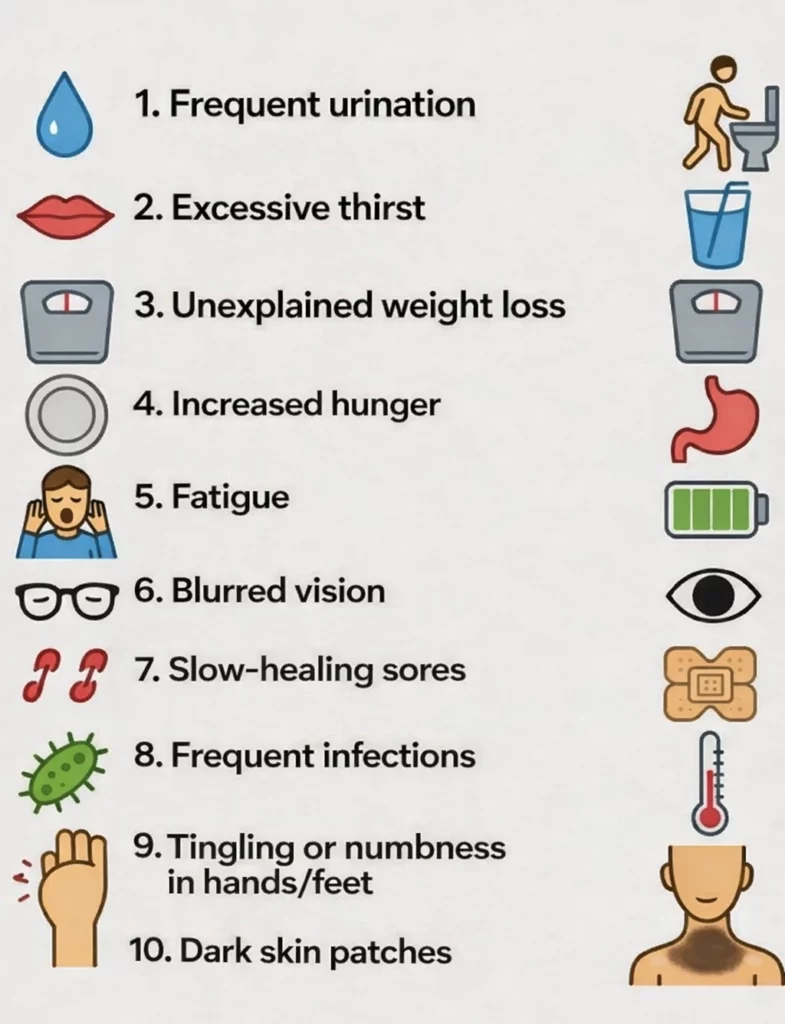
If you want to protect your health, you must know what are the 10 early warning signs of diabetes. These indicators often appear gradually. Furthermore, ignoring them can lead to serious cardiovascular and nerve damage. Here are the top 10 early warning signs of diabetes you need to watch closely.
Excessive Thirst (Polydipsia)
First of all, extreme thirst is a classic red flag. When extra sugar builds up in your blood, it pulls fluid from your body’s tissues. As a result, your brain tells you to drink more water to replenish those lost fluids. If you constantly crave water but never feel quenched, tell your doctor.
Frequent Urination (Polyuria)
Because you drink more water, you naturally urinate more often. However, diabetes causes this cycle for a specific reason. Your kidneys work overtime to filter and absorb the excess blood sugar. When they cannot keep up, your body expels the extra sugar into your urine. This pulls even more fluids from your tissues.
Unexplained Weight Loss
You might celebrate dropping a few pounds without trying. However, rapid, unexplained weight loss is actually a major danger sign. Since your body cannot use glucose for energy, it starts burning fat and muscle instead. Consequently, you lose weight quickly, even if you eat normal portions.
Extreme Hunger (Polyphagia)
Similarly, your muscles and organs constantly crave energy. Because the glucose stays trapped in your bloodstream, your cells literally starve. Therefore, your brain triggers intense hunger signals. You might eat a heavy meal and still feel famished shortly afterward.
Fatigue
Feeling tired is normal, but diabetic fatigue feels entirely different. Your body simply cannot convert the food you eat into usable energy. In addition, frequent nighttime urination interrupts your sleep cycle. Therefore, you wake up feeling completely exhausted and drained every single day.
Blurred Vision
High blood sugar levels actively pull fluid from the lenses of your eyes. Consequently, the lenses swell and change shape. This swelling makes it incredibly hard for your eyes to focus. Fortunately, this blurry vision usually resolves once you get your blood sugar under control.
Slow-Healing Wounds
Chronically high blood sugar severely damages your blood vessels. This damage restricts normal blood flow throughout your entire body. As a result, essential nutrients and oxygen cannot reach cuts or sores efficiently. If your minor scrapes take weeks to heal, you need a medical evaluation.
Frequent Infections
In the same way, excess sugar weakens your immune system’s natural defenses. Bacteria and yeast absolutely thrive in sugar-rich environments. Specifically, women might experience frequent vaginal yeast infections.
Tingling or Numbness (Neuropathy)
Over time, excess blood sugar damages the delicate nerve endings in your body. This damage most commonly affects your extremities first.
You might feel a strange tingling, burning, or numbness in your hands and feet. Doctors call this condition diabetic neuropathy, and it requires immediate intervention.
Darkened Skin Patches (Acanthosis Nigricans)
Finally, insulin resistance often causes visible changes to your skin. You might notice dark, velvety patches forming in the folds of your skin. Most commonly, these patches appear on your neck, armpits, or groin. This skin change is a direct, physical indicator of high insulin levels in your blood.
5 Early Warning Signs of Diabetes
Sometimes, patients ask me for a shorter, easier checklist. If you are wondering what are 5 early warning signs of diabetes, look for these most common culprits.
Here are the top 5 early warning signs of diabetes to memorize:
- Constant, unquenchable thirst.
- Needing to urinate frequently, especially at night.
- Feeling chronic, heavy fatigue.
- Experiencing sudden, unexplained vision changes.
- Noticing cuts and bruises heal very slowly.
Early Warning Signs of Type 2 Diabetes
Let us discuss the early warning signs of type 2 diabetes specifically. This condition develops when your body slowly becomes resistant to insulin. Consequently, your pancreas tries to produce more insulin to compensate. Over time, your pancreas simply cannot keep up with the heavy demand.
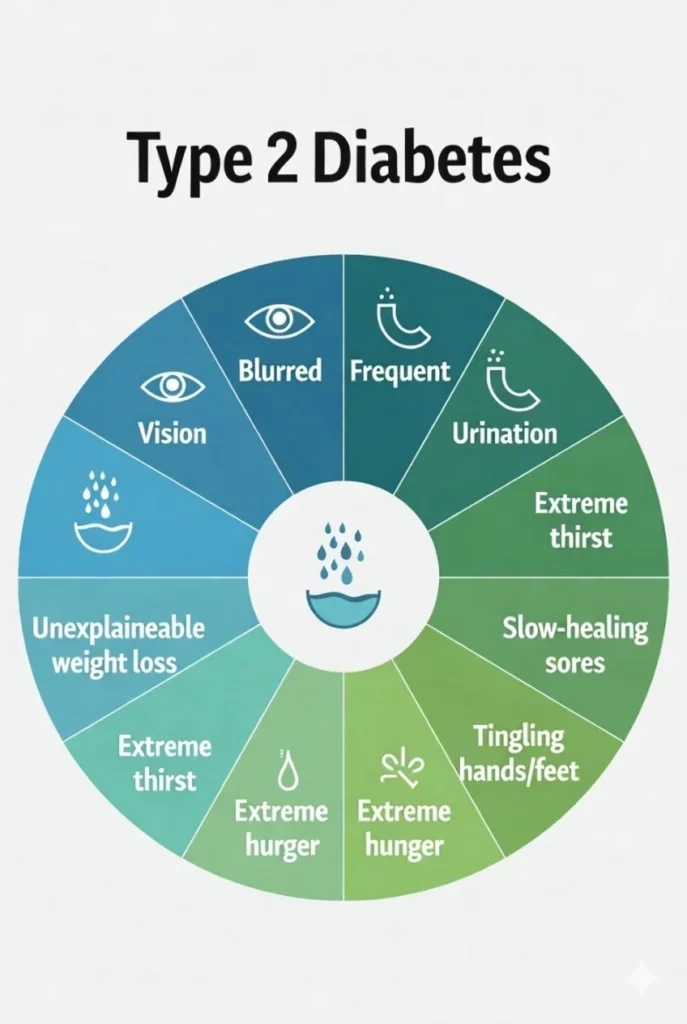
Therefore, your blood sugar levels begin to rise steadily and dangerously. The early warning signs of diabetes 2 are incredibly subtle and easy to miss. In my clinic, patients often live with these mild symptoms for years without knowing.
For instance, a patient named John recently discovered his high blood sugar after a routine eye exam. He had ignored mild fatigue and blurry vision for over a year. If you notice early signs of type 2 diabetes, you must act quickly. Your cells are essentially starving for energy because glucose cannot enter them.
Thus, you might feel constantly hungry or completely exhausted after meals. Furthermore, you might notice darkened skin patches around your neck or armpits. These velvet-like patches clearly indicate severe insulin resistance in your body.
Another major indicator involves slow-healing wounds on your feet or hands. High blood sugar damages tiny blood vessels and nerves over time. As a result, poor circulation prevents your body from healing normally. Because these symptoms progress slowly, regular metabolic blood tests remain essential.
Early Warning Signs of Type 1 Diabetes
In contrast, the early warning signs of type 1 diabetes appear very rapidly. This autoimmune condition actively destroys the insulin-producing cells inside your pancreas. Therefore, your body completely stops making the insulin you need to survive.
Consequently, severe symptoms often develop within just a few weeks or months. Patients usually experience extreme, unquenchable thirst and rapid, unexplained weight loss. Furthermore, they suffer from frequent urination and intense fatigue.
Understanding Adult-Onset Type 1
Many patients wonder about late-onset autoimmune issues. Yes, type 1 diabetes can absolutely develop in adults. Doctors call this specific condition Latent Autoimmune Diabetes in Adults (LADA). It progresses much more slowly than childhood type 1 diabetes does. However, your pancreas eventually stops working entirely. Therefore, it still requires strict daily insulin therapy to manage.
Early Warning Signs of Diabetes in Women
The early warning signs of diabetes in women include some unique physiological changes. High blood sugar creates an ideal environment for yeast and harmful bacteria. Therefore, frequent, stubborn vaginal yeast infections are a massive red flag.
Additionally, early signs of diabetes in women are often linked to Polycystic Ovary Syndrome (PCOS). If you notice signs of diabetes in women 30s, check for irregular menstrual periods. Because PCOS causes severe insulin resistance, it drastically increases your long-term risk.
Early Warning Signs of Diabetes in Men
Similarly, the early warning signs of diabetes in men have distinct, troubling characteristics. High blood sugar severely damages your delicate blood vessels and nerves over time. Consequently, many men experience erectile dysfunction (ED) as a primary, early symptom.
If you notice early signs of diabetes in men, please do not ignore them. In addition to ED, men might suffer from a sudden loss of muscle mass. Because the body cannot use glucose, it breaks down muscle tissue for energy instead.
Early Warning Signs of Diabetes in Children
Recognizing the early warning signs of diabetes in children is incredibly important for parents. Children most commonly develop fast-acting type 1 diabetes. However, diet-related type 2 is rising rapidly among kids today.
You might notice your previously potty-trained child suddenly wetting the bed again. Furthermore, they might act unusually irritable, thirsty, or deeply lethargic. Always consult a pediatrician immediately if you see these behavioral changes.
Unusual Symptoms of Diabetes
Beyond the common signs, you should know the unusual symptoms of diabetes. For example, some people develop severely itchy skin due to poor blood circulation. Moreover, chronic gum disease or frequent mouth infections can clearly indicate high blood sugar.
Sudden, unexplained mood changes also occur when your glucose levels fluctuate rapidly. If you feel dizzy or angry before meals, your blood sugar might be crashing.
Complete List of Diabetes Symptoms
To stay completely safe, you need a complete list of diabetes symptoms to reference. This comprehensive list includes excessive thirst, frequent urination, and sudden, unexplained weight loss.
Furthermore, you must watch for extreme hunger, chronic daily fatigue, and blurry vision. Finally, never ignore slow-healing cuts, frequent stubborn infections, or strange tingling in your hands.
Danger Signs for Diabetics
Untreated high blood sugar easily leads to severe medical emergencies. You must recognize the danger signs for diabetics immediately to save your life. Symptoms like fruity-smelling breath, severe nausea, and deep confusion indicate diabetic ketoacidosis (DKA).
People often search the internet for signs that diabetes is killing them. While this sounds scary, permanent organ damage is a very real threat. Chest pain, severe shortness of breath, or complete vision loss requires urgent ER visits.
Signs You’re Becoming Diabetic
Prediabetes happens right before full-blown chronic diabetes develops. The signs you’re becoming diabetic perfectly mirror early, mild insulin resistance. You might feel incredibly sleepy immediately after eating high-carb meals.
Additionally, you might crave sugary foods and drinks constantly throughout the day. If you notice signs that you are diabetic, routine A1C blood testing can literally save your life.
Will Drinking Water Lower Blood Sugar?
Many patients ask me in the clinic, “will drinking water lower blood sugar?” Yes, staying properly hydrated helps your kidneys flush out excess glucose through your urine.
However, drinking water is never a standalone cure for diabetes. You must combine daily hydration with a proper diet and your prescribed medications. Always work with your doctor to manage your levels safely and effectively.
Can You Live a Long Life With Type 2 Diabetes?
Absolutely. When worried patients ask, “can you live a long life with type 2 diabetes?”, I always say yes. You just need to manage your daily lifestyle choices actively and consistently.
By eating nutritious whole foods, exercising daily, and taking your prescribed medications, you stay healthy. Consequently, you can prevent severe nerve and organ complications completely.
How to Prevent Diabetes
Learning how to prevent diabetes is the most empowering, life-changing step you can take. First of all, you must focus entirely on your daily nutrition habits. A healthy diet rich in dietary fiber, lean proteins, and leafy greens stabilizes your blood sugar naturally. On the other hand spinach and mushroom omelet can be a best breakfast for diabetes.
Consequently, you avoid massive, damaging insulin spikes after you eat your meals. In addition, regular cardiovascular exercise plays a massive role in successful prevention. Physical activity literally forces your muscles to use excess glucose for immediate energy.
Therefore, daily movement lowers your blood sugar and vastly improves your cellular insulin sensitivity. You should aim for at least 150 minutes of brisk, heart-pumping walking every single week. Furthermore, healthy weight management is incredibly important for your metabolic system.
Losing just 5% to 7% of your total body weight drastically reduces your risk of illness. Because excess visceral fat tissue actively increases insulin resistance, shedding pounds helps your pancreas function better. Finally, routine blood sugar monitoring helps you catch hidden problems early.
Ask your primary care doctor for an annual fasting glucose test during your physical. By tracking your numbers closely, you can make powerful lifestyle changes quickly. Ultimately, you can stop prediabetes before it turns into a chronic, lifelong condition.
Frequently Asked Questions
What are the early warning signs of diabetes?
The most common signs include excessive daily thirst, frequent urination, and sudden blurry vision. Additionally, you might experience chronic, heavy fatigue and notice very slow-healing wounds.
What are the 10 early warning signs of diabetes?
The top 10 signs are extreme thirst, frequent urination, unexpected weight loss, and intense hunger. Furthermore, watch for heavy fatigue, blurred vision, slow healing, frequent infections, nerve tingling, and darkened skin patches.
What are 5 early warning signs of diabetes?
A quick, essential checklist includes constant thirst, frequent nighttime bathroom trips, and heavy daily fatigue. Moreover, you should look out for blurred vision and slow-healing cuts or bruises.
Can type 1 diabetes show up later in life?
Yes, it certainly can happen to adults. Doctors call this specific condition Latent Autoimmune Diabetes in Adults (LADA). It develops slowly over time but eventually requires strict daily insulin therapy.
Can you live a long life with type 2 diabetes?
Yes, you can absolutely live a very long, highly active, and healthy life. You simply must manage your blood sugar strictly through a healthy diet, daily exercise, and proper medical guidance.
Conclusion
Your body constantly sends you signals when something is wrong. Therefore, do not ignore these subtle clues or brush them off as stress. Recognizing the early warning signs of diabetes today ensures a much healthier tomorrow.
Are you currently feeling unusually tired or thirsty? Please do not panic. Instead, schedule a simple blood test with your primary care doctor immediately. This small, proactive step provides immense peace of mind for you and your family.
Specifically, you can manage your metabolic health very effectively. Focus on your daily nutrition and stay physically active every single day. Many people live long, vibrant, and happy lives even after a diagnosis.
Finally, please remember to consult a medical professional for any health concerns. This guide provides helpful information but does not replace a clinical diagnosis. Your doctor is truly your best partner for long-term wellness and disease prevention.
Evidence-Based References:
- Centers for Disease Control and Prevention (CDC) – Diabetes Signs and Symptoms
- National Institute of Diabetes and Digestive and Kidney Diseases (NIDDK) – Symptoms and Causes of Diabetes
- Mayo Clinic – Type 2 Diabetes: Symptoms and Causes
- World Health Organization (WHO) – Diabetes Fact Sheet
- American Heart Association (AHA) – Symptoms, Diagnosis, and Monitoring of Diabetes