
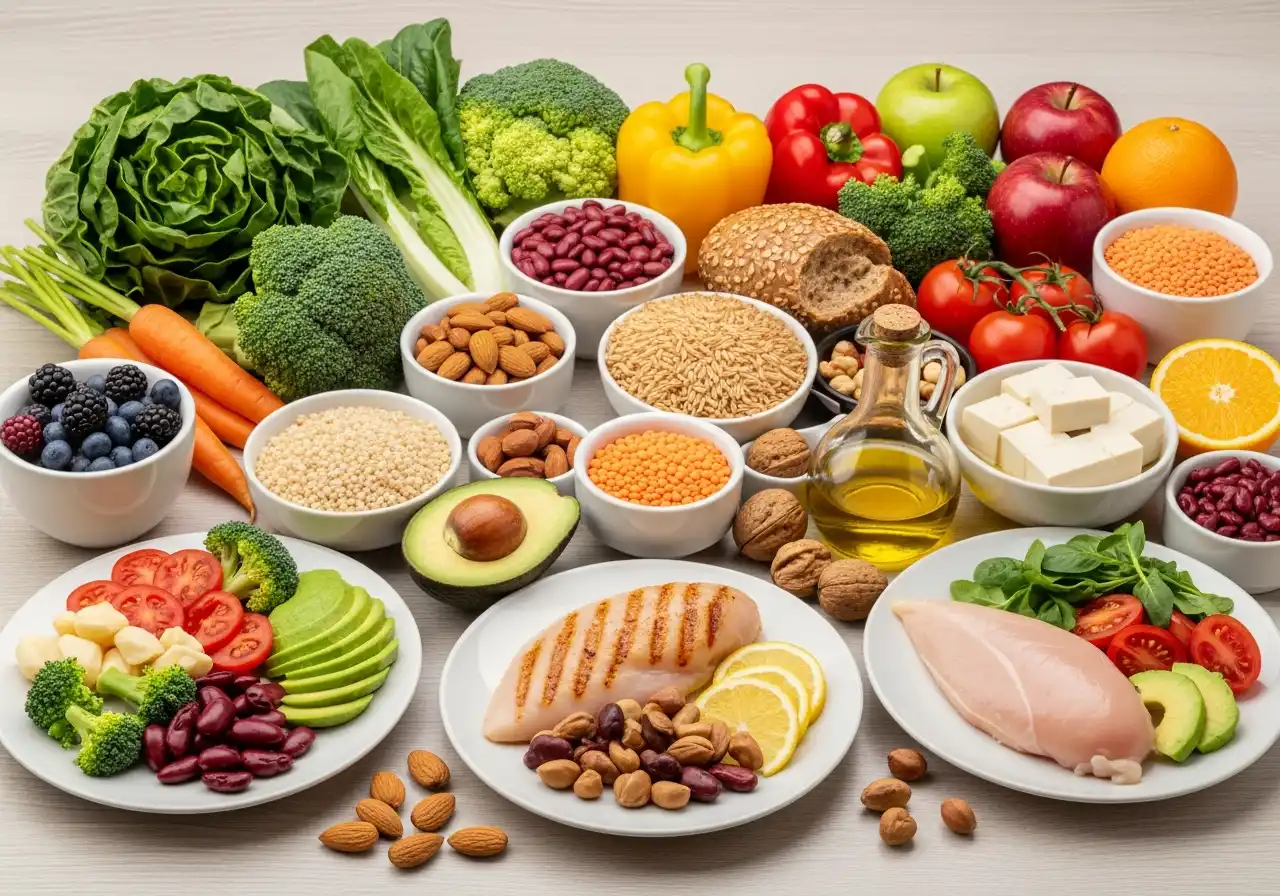
Navigating a new health diagnosis can feel overwhelming, especially when it comes to figuring out exactly what belongs on your dinner plate. Knowing which foods to include in a diabetic diet is the most powerful step you can take toward mastering your metabolic health. A properly structured eating plan does more than just manage symptoms; it actively fuels your body while keeping energy levels remarkably stable.
According to Sarah Vance, a Registered Dietitian and Certified Diabetes Care and Education Specialist (CDCES), the foundation of diabetes management begins in the grocery store aisle. Finding the right balance of macronutrients allows you to enjoy delicious, satisfying meals without the constant fear of dangerous glycemic spikes.
Understanding how different ingredients interact with your blood sugar is essential for your long-term wellness. With the right knowledge, building a vibrant and healthy plate becomes second nature.
Quick Answer Box
A diabetic diet includes high-fiber vegetables, whole grains, lean proteins, healthy fats, and low-glycemic fruits. These foods help maintain stable blood sugar levels and support overall health.
Understanding the Diabetic Diet for Beginners
When patients first ask, what is the best diet for a diabetic person, the answer usually revolves around simple, whole-food nutrition rather than strict deprivation. A diabetic diet for beginners focuses heavily on balancing carbohydrates with other key nutrients to slow down digestion.
Carbohydrates impact your blood sugar more significantly than any other macronutrient. Therefore, pairing complex, fiber-rich foods with lean protein and healthy fats is crucial. This nutritional combination prevents glucose from rushing into your bloodstream all at once, effectively flattening the post-meal blood sugar curve.
Additionally, beginners must learn to navigate the Glycemic Index (GI), a tool that measures how quickly a food raises blood sugar. Prioritizing low-GI foods and practicing strict portion control allows you to enjoy a wide variety of meals safely.
Approved Food List for Diabetics
Building an approved food list for diabetics is about prioritizing nutrient density and minimizing highly refined ingredients. When looking for food allowed for a diabetic person, you want to focus on items that provide sustained energy without triggering rapid insulin demands.
Creating a dependable list of diabetic foods starts with non-starchy vegetables. High-fiber greens like spinach, broccoli, kale, and cucumbers should make up half of your plate at almost every meal. These vegetables are incredibly low in carbohydrates but packed with essential vitamins and minerals.
For energy, food suitable for diabetic patients includes complex, whole grains. Unlike white bread or pasta, whole oats, brown rice, and quinoa retain their natural fiber, which dramatically slows down glucose absorption.
Your list must also feature high-quality proteins, which provide satiety without impacting blood sugar. Excellent choices include wild-caught fish, skinless chicken breasts, whole eggs, and plant-based options like tofu. Finally, round out your meals with healthy fats, such as sliced avocado, raw nuts, and extra virgin olive oil, which actively improve cellular insulin sensitivity.
Diabetic-Friendly Food Chart
Visualizing your daily meals becomes much easier when you categorize your ingredients. Below is a comprehensive diabetic friendly food chart designed to help you quickly identify the best options for your metabolic health.
| Food Category | Recommended Foods | Primary Health Benefits |
| Vegetables | Leafy greens, broccoli, zucchini, cauliflower | High in fiber, extremely low in carbohydrates, prevents spikes. |
| Whole Grains | Steel-cut oats, quinoa, barley, farro | Provides slow-releasing energy and promotes healthy digestion. |
| Protein | Chicken breast, wild fish, black beans, eggs | Keeps you full, supports muscle health, zero blood sugar impact. |
| Healthy Fats | Almonds, walnuts, avocado, olive oil | Reduces internal inflammation and improves insulin function. |
| Fruits | Blueberries, strawberries, crisp green apples | Offers natural sweetness paired with heavy, digestion-slowing fiber. |
Using this chart to plan your weekly grocery hauls ensures that your kitchen is always stocked with ingredients that actively support your blood sugar goals.
What Foods Can Diabetics Eat Freely?
Many newly diagnosed patients feel restricted and constantly wonder, what foods can diabetics eat freely? Fortunately, there is a large category of delicious foods that have such a minimal impact on blood glucose that you rarely need to measure them.
Non-starchy vegetables are the ultimate “free” foods in a diabetic eating plan. Leafy greens like spinach, arugula, and romaine lettuce contain almost zero digestible carbohydrates. You can pile these onto your plate in massive quantities to achieve fullness without a second thought.
Other fantastic options include water-heavy vegetables like crisp cucumbers, zucchini, celery, and fresh mushrooms. However, Sarah Vance, RD, reminds patients that while these specific vegetables are “free,” portion awareness is still important if they are heavily cooked in butter, oils, or rich sauces.
The 10 Best Foods for Diabetics
If you want to optimize your metabolic health, certain ingredients stand head and shoulders above the rest. When asking what the 10 best foods for a diabetic to eat are, these nutritional powerhouses should become staples in your kitchen:
- Leafy Greens: Packed with antioxidant vitamin C, which helps reduce fasting blood sugar levels.
- Salmon: Rich in omega-3 fatty acids that drastically lower heart disease risk, a major complication of diabetes.
- Eggs: Highly satiating and proven to improve insulin sensitivity when consumed in moderation.
- Greek Yogurt: Contains probiotics for gut health and boasts a high protein-to-carb ratio compared to regular yogurt.
- Chia Seeds: Incredibly high in viscous fiber, which forms a gel in the gut to slow down sugar absorption.
- Berries: The absolute best fruit choice, offering intense sweetness with a remarkably low glycemic index.
- Nuts: Walnuts and almonds provide excellent healthy fats that actively curb mid-afternoon hunger cravings.
- Avocados: Loaded with heart-healthy monounsaturated fats that do not raise blood glucose.
- Beans: An excellent, affordable source of complex carbohydrates and plant-based protein.
- Whole Oats: Beta-glucan fiber in oats actively lowers total cholesterol and improves post-meal blood sugar readings.
Consistently incorporating these ten foods into your weekly meal rotation builds a massive, protective barrier against uncontrollable blood sugar fluctuations.
The 5 Superfoods for Diabetes

When patients ask, what are the 5 superfoods for diabetics, clinical dietitians immediately point to ingredients with exceptional nutrient density. These superfoods provide maximum vitamins, minerals, and fiber with minimal impact on your daily carbohydrate allowance. Incorporating them builds a highly protective dietary foundation.
Blueberries are a top-tier choice, packed with anthocyanins that directly improve insulin sensitivity. Spinach, as a dark leafy green, offers massive amounts of magnesium, a mineral crucial for cellular energy production. Fatty fish like wild salmon provide essential omega-3s, significantly lowering cardiovascular inflammation.
Walnuts are another powerhouse, offering highly satiating fats that curb intense sugar cravings between meals. Finally, lentils act as the ultimate complex carbohydrate, providing a massive dose of slow-digesting dietary fiber. These five foods actively stabilize your metabolism when eaten regularly.
Type 2 Diabetes Food List
Managing insulin resistance requires a highly strategic approach to carbohydrate consumption. A comprehensive type 2 diabetes food list must prioritize ingredients that digest slowly and provide sustained, steady energy. Fiber is your absolute best defense against sudden glycemic spikes.
Your daily plate should consist heavily of whole grains like steel-cut oats, quinoa, and brown rice, rather than refined white alternatives. Legumes, including black beans and chickpeas, offer incredible dual benefits by providing both plant-based protein and rich dietary fiber.
Lean meats, such as skinless poultry and wild-caught fish, ensure you maintain healthy muscle mass without adding dangerous saturated fats. Pair these proteins with vast amounts of non-starchy vegetables and low-sugar fruits like fresh berries or crisp apples. Prioritizing these whole foods naturally lowers your daily insulin requirements.
Foods to Avoid With Diabetes
Knowing what to leave off your plate is just as crucial as knowing what to include. If you are wondering what foods to avoid with diabetes, you must focus on eliminating highly refined carbohydrates. These foods digest instantly, flooding your bloodstream with unmanageable amounts of glucose.
Clinical experts frequently outline the 10 worst foods for diabetes to help patients navigate grocery store traps. Sugary drinks, including regular soda and processed fruit juice, are the most dangerous culprits. You must also strictly avoid white bread, commercial pastries, candy, and heavily processed snack foods.
Sweetened breakfast cereals, deep-fried foods, high-sugar desserts, and syrupy coffee shop drinks round out this dangerous list. These items offer zero nutritional value, severely strain your overworked pancreas, and accelerate long-term metabolic complications.
The 3-Hour Rule for Diabetics
Maintaining incredibly stable energy levels often requires adjusting not just what you eat, but exactly when you eat. Many newly diagnosed patients ask their endocrinologists, what is the 3-hour rule for diabetics? It is a highly effective meal-timing strategy designed to prevent sudden metabolic crashes.
The concept revolves around eating small, well-balanced meals or snacks every three to four hours throughout the day. This consistent trickle of complex carbohydrates and proteins prevents your blood sugar from dropping dangerously low (hypoglycemia).
It also prevents the intense hunger that often leads to overeating and subsequent high blood sugar spikes. However, Sarah Vance, RD, emphasizes that nutritional recommendations always vary by individual; you should discuss meal timing with your healthcare provider.
7-Day Diet Plan for Diabetic Patients

Transitioning to a new way of eating is vastly easier when you have a structured roadmap to follow. A well-designed 7-day diet plan for diabetic patients eliminates the daily stress of deciding what to cook. Here is a simple, highly effective weekly framework:
Day 1
- Breakfast: A warm bowl of steel-cut oatmeal topped with fresh berries and crushed walnuts.
- Lunch: A large grilled chicken salad packed with leafy greens and a light olive oil dressing.
- Dinner: Baked wild salmon served alongside steamed broccoli and a small portion of quinoa.
Day 2
- Breakfast: Two scrambled eggs paired with one slice of whole-grain toast and sliced avocado.
- Lunch: A fiber-rich quinoa and black bean salad with diced bell peppers.
- Dinner: A quick chicken and vegetable stir-fry using low-sodium soy sauce.
3 to 7 days
Continue this simple structure by rotating your lean proteins (tofu, turkey, white fish) and heavily prioritizing non-starchy vegetables. Keep your carbohydrate portions moderate and strictly limited to whole, unrefined sources.
Sample 7-Day Diabetic Meal Plan
While the framework above is an excellent starting point, many patients prefer having a comprehensive, printable document for their kitchen. Searching for a 7-day diabetic meal plan PDF online yields fantastic resources from reputable clinical organizations.
These downloadable meal plans go into meticulous detail, providing exact portion sizes and highly specific recipe instructions. They typically include creative breakfast ideas, portable lunch options for work, and satisfying family-style dinners. Furthermore, they often include smart, low-carb snack suggestions to keep you full between meals.
We strongly encourage newly diagnosed individuals to consult directly with a registered dietitian or a certified diabetes educator. A professional can effortlessly customize these sample plans to fit your unique caloric needs, cultural food preferences, and daily medication schedule.
Free Grocery List for Diabetics
Walking into a massive supermarket without a clear plan is a recipe for nutritional disaster. Having a grocery list for diabetics neatly organized by department saves time and prevents you from buying highly processed junk food.
When searching for a free diabetic diet food list, organize your cart starting in the produce section. Load up heavily on fresh spinach, broccoli, crisp cucumbers, zucchini, and massive amounts of fresh berries. Next, move to the meat counter for high-quality proteins like whole eggs, skinless chicken breasts, and fresh fish.
Finally, navigate the inner pantry aisles carefully. Stock up on dry steel-cut oats, canned black beans (rinsed well), brown rice, extra virgin olive oil, and raw almonds. Avoiding the cookie and soda aisles entirely is the best way to protect your long-term health.
Diabetic Food List PDF Resources
You do not have to memorize every single carbohydrate count or glycemic index value overnight. There are incredibly helpful diabetic food list PDF resources available that you can download directly to your smartphone.
These comprehensive, printable guides are absolute lifesavers during your first few months of dietary transition. They feature highly detailed food charts, simple carb-counting guides, and structured grocery lists that take the guesswork out of meal prep.
We highly recommend sourcing these materials exclusively from trusted medical organizations, such as the American Diabetes Association or the CDC. Pinning a medically reviewed food list to your refrigerator keeps your daily nutritional goals front and center.
Frequently Asked Questions
What foods can diabetics eat freely?
Non-starchy vegetables are your best option for unrestricted eating. Leafy greens like spinach, fresh broccoli, cucumbers, and zucchini can usually be eaten in very large amounts because they have a remarkably minimal impact on blood sugar.
What is the best diet for diabetes?
While there is no single perfect protocol, a diet rich in non-starchy vegetables, complex whole grains, lean proteins, and healthy fats is universally recommended. This combination effectively slows digestion and provides excellent daily blood sugar control.
What are the worst foods for diabetics?
Highly refined carbohydrates and liquid sugars are the absolute worst offenders. Sugary drinks, white bread, commercial pastries, candy, and heavily processed snack foods cause rapid, highly dangerous spikes in your blood glucose levels.
How often should diabetics eat?
Meal frequency depends heavily on your specific medication and lifestyle. However, many healthcare professionals recommend eating small, highly balanced meals every 3 to 4 hours to maintain stable blood sugar levels and prevent sudden metabolic crashes.
Final Thoughts: Building a Healthy Diabetic Diet
Mastering the foods to include in a diabetic diet is an empowering, highly rewarding journey toward reclaiming your metabolic health. By focusing heavily on nutrient-dense whole foods and strictly avoiding refined sugars, you can easily control your daily energy levels.
Always remember that consistency, portion control, and eating highly balanced meals are your strongest defenses against unpredictable blood sugar spikes. Routinely monitoring your glucose levels allows you to see exactly how these positive dietary changes are healing your body.
We strongly encourage you to consult with your primary care provider or a dedicated clinical dietitian. They will gladly help you fine-tune these basic principles into a personalized, lifelong eating strategy.
Authoritative Medical References:
- National Institutes of Health (NIH) – Nutrition Therapy for Adults With Diabetes or Prediabetes: A Consensus Report
- National Institutes of Health (NIH) – A Plant-Based Diet for the Prevention and Treatment of Type 2 Diabetes
- Centers for Disease Control and Prevention (CDC) – Diabetes Meal Planning
- Centers for Disease Control and Prevention (CDC) – Carb Counting to Manage Blood Sugar
- Mayo Clinic – Diabetes Diet: Create Your Healthy-Eating Plan