
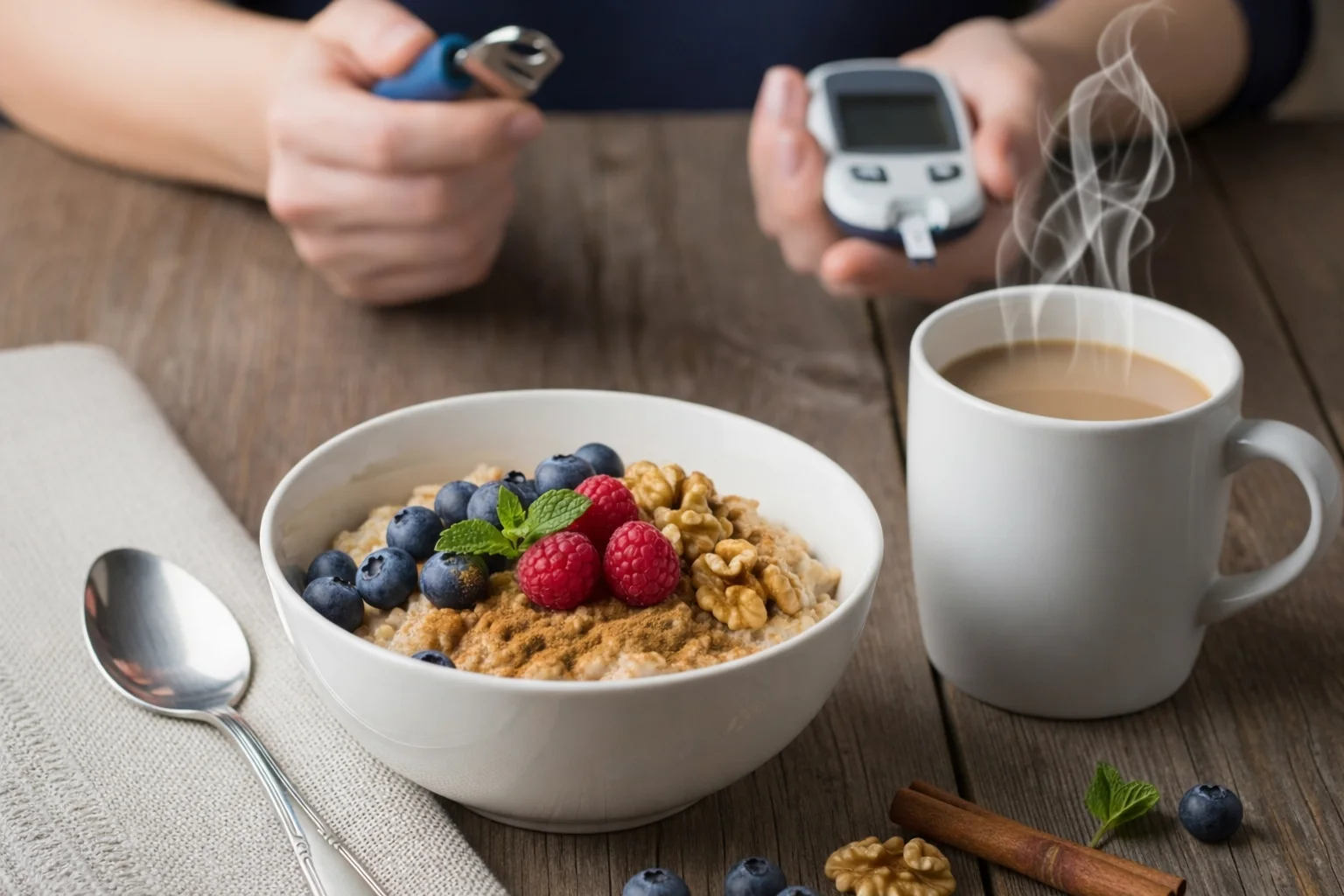
Are you standing in the cereal aisle feeling completely overwhelmed? You probably wonder, is oatmeal good for diabetics? It is a simple question.
However, the answer can feel incredibly complicated. Perhaps you’re looking for a warm, comforting breakfast. Yet, you fear a massive blood sugar spike. I see this frustration in my clinic every single day.
Patients want to eat healthily, but the conflicting advice is exhausting. First of all, let me reassure you. You are definitely not alone in this struggle. In fact, managing type 2 diabetes requires making countless daily choices. As a result, food can quickly become the enemy.
So, let’s break down the science of oats together. We will explore exactly how this popular breakfast food impacts your body. Furthermore, I will show you how to enjoy it safely.
TL;DR Summary
Yes, plain, minimally processed oatmeal is good for diabetics when properly portioned. Steel-cut and old-fashioned oats offer rich soluble fiber. Consequently, they help stabilize blood sugar and improve insulin sensitivity.
However, instant, highly flavored packets often cause rapid spikes in blood glucose due to added sugars. Therefore, always pair your morning bowl with healthy proteins or fats. Finally, always monitor your unique blood glucose response.
A Clinical Perspective on Diet Burnout
In my clinical practice, I frequently treat patients battling severe diet burnout. Just last week, a patient named Sarah sat in my office in tears. She felt entirely deprived of her favorite morning meals. Specifically, she missed her warm bowl of breakfast oats. She constantly asked me, Is oatmeal good for type 2 diabetics?
She was terrified of carbohydrates. As a result, her stress levels were actively worsening her metabolic health. We worked together to reframe her relationship with food. I explained that she didn’t need to banish carbs entirely. Instead, we focused on choosing the right types of carbohydrates.
We slowly reintroduced plain, steel-cut oats into her morning routine. Furthermore, we paired them with walnuts and Greek yogurt. To her surprise, her post-meal glucose readings remained beautifully stable. Most importantly, her anxiety around breakfast completely vanished.
Why Oatmeal Supports Blood Sugar Management
So, why do healthcare providers constantly recommend this humble grain? The secret lies in a unique compound called beta-glucan. This is a specific type of soluble fiber found abundantly in oats.
When you eat this fiber, it forms a thick gel in your digestive tract. Consequently, this gel significantly slows stomach emptying. Because gastric emptying slows down, sugar enters your bloodstream much more gradually.
Therefore, you avoid that dreaded rapid spike in blood glucose. In addition, regular consumption of beta-glucan actively improves your body’s insulin sensitivity. This means your cells can utilize insulin much more effectively over time.
Furthermore, this powerful fiber helps sweep LDL cholesterol out of your system. Heart health is extremely important for anyone managing metabolic conditions. Thus, this dual-action benefit makes it a nutritional powerhouse.
Do Oats Spike Blood Sugar Levels?
Many patients ask me if oats will ruin their daily glucose readings. The honest answer is that it completely depends on the processing. Highly processed grains will digest much faster than intact grains. Therefore, rapid digestion leads directly to rapid blood sugar increases. To illustrate this, we use a tool called the Glycemic Index (GI). The GI simply measures how quickly a food raises your blood glucose.
Let’s look at a clear comparison of different oat varieties.
| Oat Variety | Glycemic Index Score | Typical Blood Sugar Impact |
| Steel-Cut Oats | Low to Moderate | Slow, gradual rise |
| Old-Fashioned Rolled | Moderate | Steady, moderate rise |
| Instant (Plain) | Moderate to High | Faster, sharper spike |
| Flavored Packets | Very High | Rapid, dangerous spike |
As a result, you can see why choosing the right variety matters immensely. Your continuous glucose monitor (CGM) will definitely show the difference.
Selecting the Best Oatmeal for Diabetics
You must navigate the grocery store aisles very carefully. Not all oat products are created equally. In fact, some popular choices are essentially disguised desserts. Let’s break down the best options for your metabolic health.
Steel-Cut Varieties
These are unequivocally the best oats for diabetics. Manufacturers simply chop the whole oat groat into smaller pieces. Because they remain largely intact, your body works hard to digest them. As a result, they offer the lowest glycemic index of all varieties. They boast a chewy texture and a delicious, nutty flavor. Furthermore, they keep you feeling full for hours after breakfast.
Old-Fashioned Rolled Options
These are a fantastic, practical middle ground for most people. The factory steams the whole groats and rolls them flat. Consequently, they cook much faster than their steel-cut counterparts. They still retain excellent fiber content and a moderate glycemic index. Therefore, they are an incredibly safe staple for your pantry. You can easily use them in overnight recipes or quick morning meals.
Varieties to Strictly Avoid
You should run far away from most instant-flavored packets. Companies load these convenient pouches with massive amounts of refined sugar. For instance, a single packet might contain four teaspoons of pure sugar. Furthermore, the oats are ground incredibly fine for fast cooking. This means they hit your bloodstream almost instantly. Therefore, is instant oatmeal good for diabetics? Usually, the heavily processed, sweetened versions are terrible for you.
Similarly, avoid fast-food options like McDonald’s oatmeal. Restaurants frequently pump these bowls full of sugary syrups and sweetened dried fruit. Finally, oat milk is often highly refined and can cause significant glucose spikes.
Managing Type 2 Diabetes with Proper Portions
Even the healthiest foods require strict portion control. If you eat a massive bowl of steel-cut oats, your blood sugar will still rise. Therefore, moderation is always the absolute key to success. A standard, safe portion is generally half a cup of dry oats. When cooked with water, this expands into a very satisfying serving. However, eating carbohydrates completely alone is a massive mistake.
You must always pair your bowl with a healthy protein or fat. For example, stir in two tablespoons of chia seeds or crushed almonds. Alternatively, serve your bowl alongside a couple of scrambled eggs. These added macronutrients act like a biochemical brake pedal. Consequently, they slow down carbohydrate absorption even further. (Internal Link: Read our Complete Nutrition Guide for Type 2 Diabetes here).
Is Oatmeal Good for Diabetics for Breakfast?
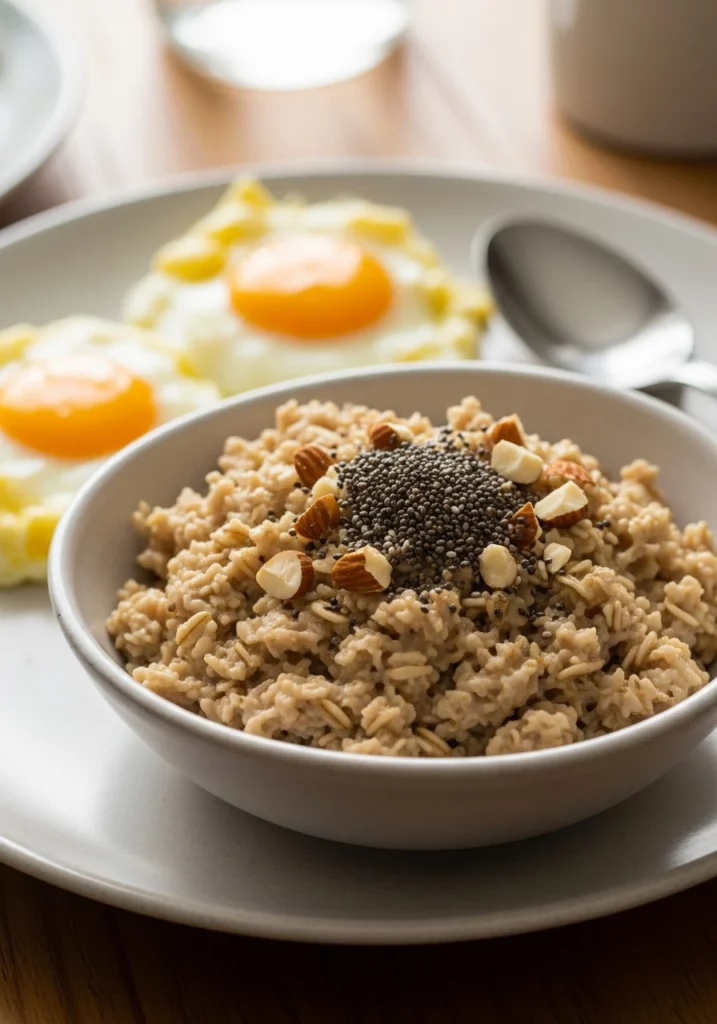
Breakfast completely sets the metabolic tone for your entire day. Therefore, choosing the right morning meal is absolutely critical. You might wonder, is oatmeal a good breakfast for diabetics? The answer is usually a resounding yes. However, you must construct your morning bowl very strategically. Specifically, an ideal diabetic breakfast requires three main nutritional components.
First of all, you need high-quality dietary fiber to slow digestion. Second, you must include a solid source of clean protein. Finally, healthy fats are completely essential for sustained morning energy.
Comparing Morning Protein Sources
Many patients frequently ask me, which is better for diabetics, eggs or oatmeal? In reality, both of these foods offer distinct, powerful health benefits. For instance, eggs provide massive amounts of protein and absolutely zero carbohydrates.
On the other hand, oats deliver crucial, heart-healthy soluble fiber. This fiber strongly supports heart health and actively improves your gut microbiome. Consequently, the best choice depends entirely on your personal daily glucose response. Furthermore, you certainly do not have to choose just one option. For example, you can easily eat a smaller bowl of plain oats alongside two boiled eggs. Thus, you get the absolute best of both nutritional worlds.
Is Oatmeal Good for Diabetics at Night?
Evening carbohydrate consumption remains a highly debated clinical topic. Consequently, you might nervously ask, is oatmeal good for diabetics at night? For some unique individuals, a small carbohydrate snack effectively prevents dangerous nighttime hypoglycemia.
However, you must be incredibly careful with your late-night portions. A massive bowl of carbohydrates before sleep will almost certainly cause a glucose spike. Therefore, a safe bedtime snack should always contain under 15 to 20 grams of total carbohydrates.
Additionally, the dawn phenomenon causes morning blood sugar surges for many diabetic patients. If you actively experience this, eating late-night carbs might significantly worsen your morning readings. Always test your glucose levels to truly understand your specific nighttime tolerance.
Can a Diabetic Eat Oatmeal Every Day?
Dietary consistency is often the ultimate key to true metabolic health. Therefore, my clinic patients frequently ask, can a diabetic eat oatmeal every day? Generally speaking, yes, daily consumption is perfectly safe and healthy. However, this rule only applies if your blood glucose remains tightly controlled. You must also keep your daily portion sizes strictly appropriate. Furthermore, your overall daily carbohydrate intake must remain perfectly balanced across all meals.
In my psychological and nutritional practice, I often see patients attempt the “2-day oatmeal diet for diabetes.” I strongly caution against these highly restrictive, stressful fad diets. Instead, you should always focus on building sustainable, long-term nutritional habits.
How to Prepare Oats for Diabetic Patients
Your specific cooking methods drastically alter the nutritional impact of your meals. Therefore, proper preparation is just as important as the raw ingredients. First, always start with half a cup of dry, steel-cut oats.
Next, you should cook the grains in plain water rather than milk. Cow’s milk contains natural lactose, which quickly adds extra carbohydrates to your breakfast bowl. If you absolutely need a creamy texture, unsweetened almond milk is a fantastic, low-carb alternative.
Flavoring Without Blood Sugar Spikes
You must fiercely avoid refined sugars, heavy honey, and sweet maple syrup. Instead, generously use ground cinnamon to add warmth and natural sweetness. Interestingly, some clinical studies suggest cinnamon may even slightly improve your cellular insulin sensitivity.
Additionally, toss in a small handful of fresh, antioxidant-rich berries. Raspberries and blackberries provide massive flavor alongside extra dietary fiber. Finally, stir in crushed walnuts or chia seeds for a powerful crunch and essential healthy fats.
Is Oatmeal Good for Weight Loss?
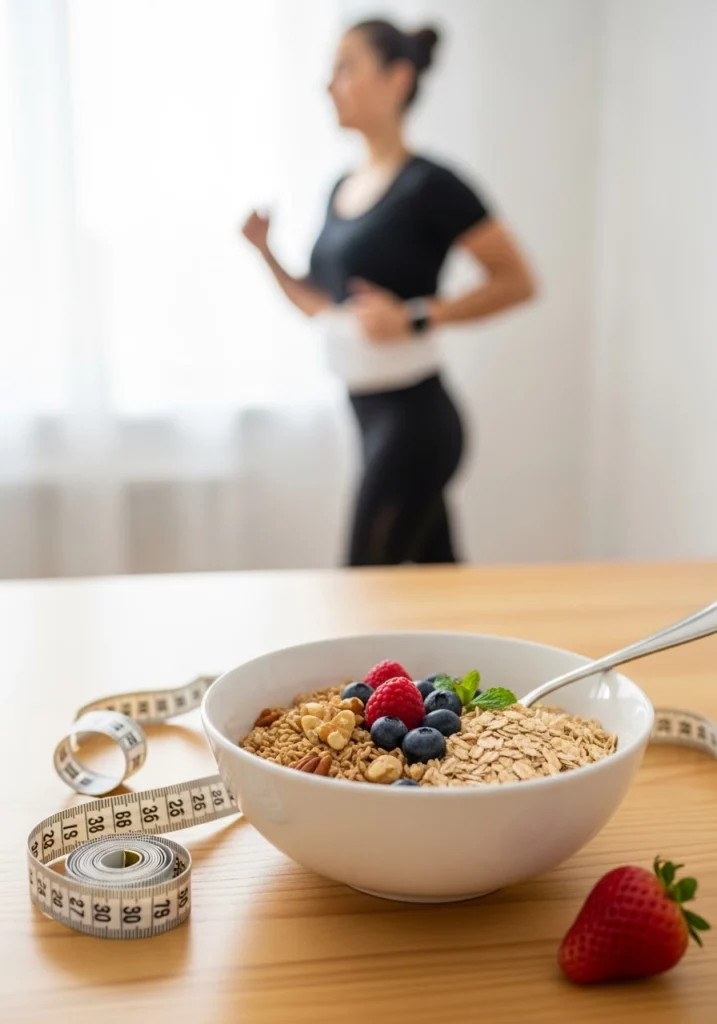
Shedding excess body weight significantly improves severe insulin resistance. As a result, you might naturally wonder, is oatmeal good for weight loss? Fortunately, high-fiber foods possess an incredibly high dietary satiety index.
This simply means they keep you feeling exceptionally full for several hours. Because the dense fiber slows down your digestion, it actively suppresses your hunger hormones. Consequently, you are much less likely to crave sugary snacks before your lunch break.
However, total calorie density still matters tremendously for successful weight management. If you add massive amounts of peanut butter and dried fruit, your daily calories will skyrocket rapidly. Therefore, always measure your healthy fats meticulously to avoid unintentional weight gain.
Oatmeal vs Cream of Wheat for Diabetics
Breakfast cereals vary wildly in their overall nutritional profiles and glycemic impacts. For instance, is cream of wheat good for diabetics? Unfortunately, cream of wheat is a highly refined, heavily processed carbohydrate source.
During factory manufacturing, the wheat kernel is completely stripped of its fiber-rich bran. As a result, it digests incredibly fast and frequently causes rapid blood sugar spikes. In stark contrast, plain steel-cut oats retain their crucial, blood-sugar-stabilizing beta-glucan fiber.
Therefore, oats are unequivocally the superior, safer choice for your metabolic health. If you currently love eating cream of wheat, try transitioning to old-fashioned rolled oats. You will likely notice much better, sustained energy levels throughout your entire morning.
Safety, Contraindications, and Interactions
Even incredibly healthy foods carry specific medical considerations for certain patients. For example, individuals with diagnosed celiac disease must remain highly cautious. While oats are naturally gluten-free, factory cross-contamination is incredibly common.
Therefore, you must explicitly purchase certified gluten-free oat varieties. Furthermore, patients with severe gastroparesis might struggle heavily to digest high-fiber meals. If your stomach empties very slowly, heavy fiber loads can cause intense bloating and severe nausea.
Additionally, sudden, massive increases in dietary fiber can alter how certain oral medications are absorbed. Always intelligently space your vital daily medications away from massive dietary fiber doses. Most importantly, consult your prescribing physician about any potential drug interactions.
When to Consult Your Doctor
You should never manage a chronic metabolic condition entirely alone. If your daily A1C levels continue rising despite strict dietary changes, seek medical help immediately. Similarly, contact your doctor if your post-meal spikes consistently exceed 180 mg/dL.
Major changes in your daily diet often require careful adjustments to your insulin or oral medications. Therefore, open, honest communication with your endocrinologist is absolutely vital. Always prioritize professional medical guidance over general internet advice.
Frequently Asked Questions
What is the best oatmeal for a diabetic?
Steel-cut or old-fashioned plain oats are definitely the absolute best choices. They contain high amounts of intact dietary fiber, which effectively prevents massive blood sugar spikes.
Is Quaker oatmeal good for diabetics?
Plain Quaker oats can easily fit into a perfectly healthy diabetic diet. However, you must completely avoid their heavily flavored, instant varieties due to the massive amounts of added sugars.
Do oats spike blood sugar?
They certainly can, especially if you routinely eat instant varieties or massive, unmeasured portions. Furthermore, eating them without healthy fats or proteins will quickly raise your glucose levels.
Is oatmeal milk good for diabetics?
Unsweetened oat milk is sometimes acceptable in very small, measured amounts. Nevertheless, many commercial brands contain added sugars that will rapidly elevate your morning blood sugar.
Which is better for diabetics, eggs or oatmeal?
It entirely depends on your personal metabolic response and overall daily diet. Eggs provide excellent lean protein without carbs, while oats offer incredible, heart-healthy soluble fiber.
Conclusion
In conclusion, you finally have the real scientific answer. So, is oatmeal good for diabetics? Yes, it is a fantastic choice for your mornings. However, you must actively choose plain, high-fiber varieties. Consequently, they safely stabilize your daily blood sugar.
In my clinical practice, I see patients transform their health daily. First of all, strict portion control is absolutely critical. Furthermore, you must always pair your bowl with healthy proteins. As a result, you will successfully prevent rapid glucose spikes.
Finally, please explore our Nutrition for Type 2 Diabetes guide. Also, sign up for our free email newsletter below. Thus, you will instantly receive my best recipes. In the end, always consult your doctor before changing your diet.
Authoritative Reference:
- American Diabetes Association (ADA) – Nutrition & Eating Well
- Harvard T.H. Chan School of Public Health – The Nutrition Source (Oats)
- Centers for Disease Control and Prevention (CDC) – Diabetes Meal Planning
- National Institute of Diabetes and Digestive and Kidney Diseases (NIDDK) – Diabetes Diet & Eating
- National Library of Medicine (PubMed) – Systematic Review on Oats and Type 2 Diabetes