
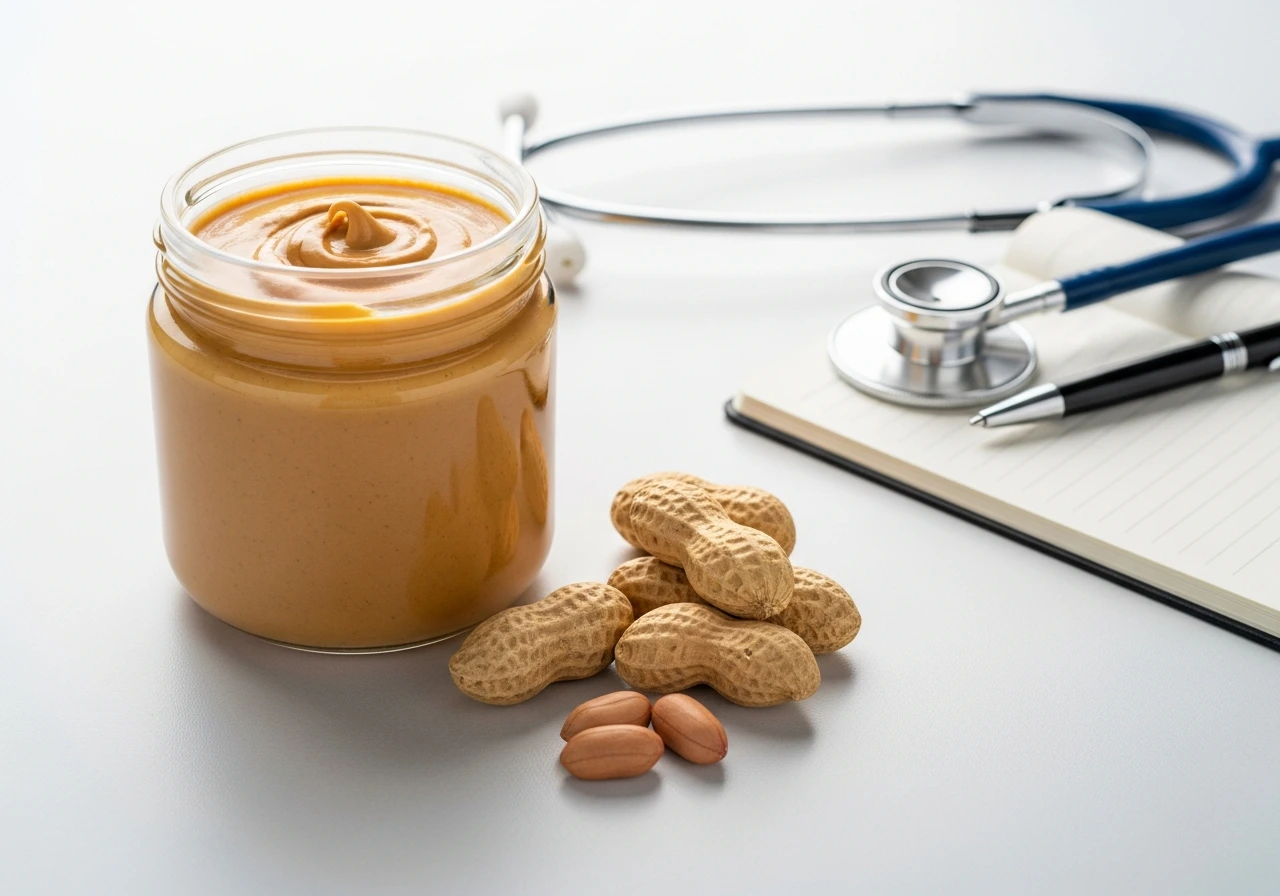
In my years of clinical practice, one of the most common questions I receive during nutritional counseling is, “Is peanut butter good for diabetics?” Many patients are wary of the creamy texture and rich flavor, fearing that such a satisfying food must surely contain hidden sugars or fats that threaten their glucose stability.
However, when we analyze the macronutrient composition of high-quality nut butters, a very different story emerges. For the average “is peanut butter good for diabetics to eat?” query, the clinical answer is a resounding yes—provided you understand how to navigate the grocery aisle.
Peanut butter is a unique combination of healthy monounsaturated fats, plant-based protein, and dietary fiber. This specific trio of nutrients is a powerful tool for any diabetic patient looking to maintain a steady A1c without sacrificing flavor. Is peanut butter good for diabetics?
Quick Answer Box:
Yes, peanut butter can be good for diabetics when eaten in moderation. Natural peanut butter with no added sugar has a low glycemic index, contains healthy fats and protein, and may help stabilize blood sugar levels by slowing the absorption of carbohydrates.
Why Peanut Butter Can Be Beneficial for Diabetes
When patients ask why peanut butter is good for diabetics, I point them toward the Glycemic Index (GI). Peanuts have an exceptionally low GI score of approximately 14. This means they have a negligible immediate impact on blood glucose compared to high-carb snacks.
The clinical benefits of peanuts and blood sugar management are well-documented. Because they are rich in monounsaturated fats, they may help reduce systemic inflammation and improve insulin sensitivity. This answers the broader question: Are peanuts good for diabetics? Yes, they are metabolic allies.
Furthermore, the protein content in peanuts acts as a “buffer.” When you eat peanut butter alongside a carbohydrate, the protein and fat slow down the stomach’s emptying rate. This prevents the sharp post-meal spikes that are so damaging to the vascular system.
Clinical evidence suggests that nuts are consistently linked with improved glycemic control. Regular consumption may even reduce insulin resistance in Type 2 patients, making peanuts good for diabetics, one of the most positive dietary “yes” answers I can give.
Nutritional Profile of Peanut Butter and Its Effect on Blood Sugar
To understand the relationship between peanuts and blood sugar, we must look at the specific nutrients found in a standard 2-tablespoon serving. It is not just about what is absent (like sugar) but what is present to support your metabolism.
Peanut butter is one of the best foods to lower blood sugar with diabetes because it provides magnesium, a mineral many diabetics are deficient in. Magnesium plays a critical role in glucose metabolism and insulin signaling.
| Nutrient | Benefit for Diabetics |
| Protein | Slows digestion and prevents rapid glucose absorption. |
| Healthy Fats | Improves insulin sensitivity and supports heart health. |
| Fiber | Stabilizes glucose spikes and promotes gut health. |
| Magnesium | Helps cells effectively use insulin to move sugar out of the blood. |
Beyond these, peanut butter contains vitamin E, an antioxidant that protects cells from the oxidative stress often associated with chronic high blood sugar. These nutrients work in synergy to keep your metabolic health on an even keel.
Is Peanut Butter Good for Type 2 Diabetics?
Managing type 2 diabetes is largely a game of weight management and glucose stability. This is why peanut butter is good for diabetics; type 2 is such a popular topic. Peanut butter fits perfectly into modern diabetic diet plans because of its high satiety index.
Because it is so calorie-dense and rich in protein, it helps you feel full for longer periods. This makes peanut butter good for type 2 diabetics, a “win” for weight loss efforts, as it prevents the mindless grazing on high-carb crackers or chips.
For any diabetic patient, peanut butter is good, and the goal is to prevent rapid glucose spikes. Peanut butter accomplishes this better than almost any other shelf-stable snack. However, the caveat is always portion control.
I recommend a suggested portion of 1–2 tablespoons per serving. While the fats are healthy, they are calorie-heavy. Overconsumption can lead to weight gain, which eventually complicates insulin resistance in Type 2 patients.
Best Peanut Butter for Diabetics (What Kind Should You Choose?)
Selecting the best peanut butter for diabetics is where most patients make their biggest mistake. Not all jars are created equal. When deciding which peanut butter is good for diabetics, you must become a master of the ingredient label.
The goal is to find “natural” varieties. But be careful—the word “natural” is not legally regulated in many regions. When asking what peanut butter is good for diabetics, look for a jar that lists exactly two ingredients: peanuts and salt.
Natural Peanut Butter vs. Regular Peanut Butter
In my clinical experience, is natural peanut butter good for diabetics? Absolutely. Natural versions do not contain the added cane sugar or corn syrup found in commercial “smooth” or “creamy” brands.
Regular peanut butter often uses hydrogenated oils to prevent the oil from separating. These trans fats are inflammatory and can worsen the cardiovascular risks already faced by those with diabetes.
What Brand of Peanut Butter Is Good for Diabetics?
When patients ask what brand of peanut butter is good for diabetics, I tell them to ignore the brand name and look at the “Added Sugars” line on the nutrition facts. If that number is anything other than zero, put the jar back.
Brands like Adams, Smucker’s Natural, or even various “grind-your-own” options at health food stores are usually the gold standard. Avoid any labels that mention “Reduced Fat,” as these usually replace healthy fats with extra sugar to maintain flavor.
Is Skippy or Jif Peanut Butter Good for Diabetics?
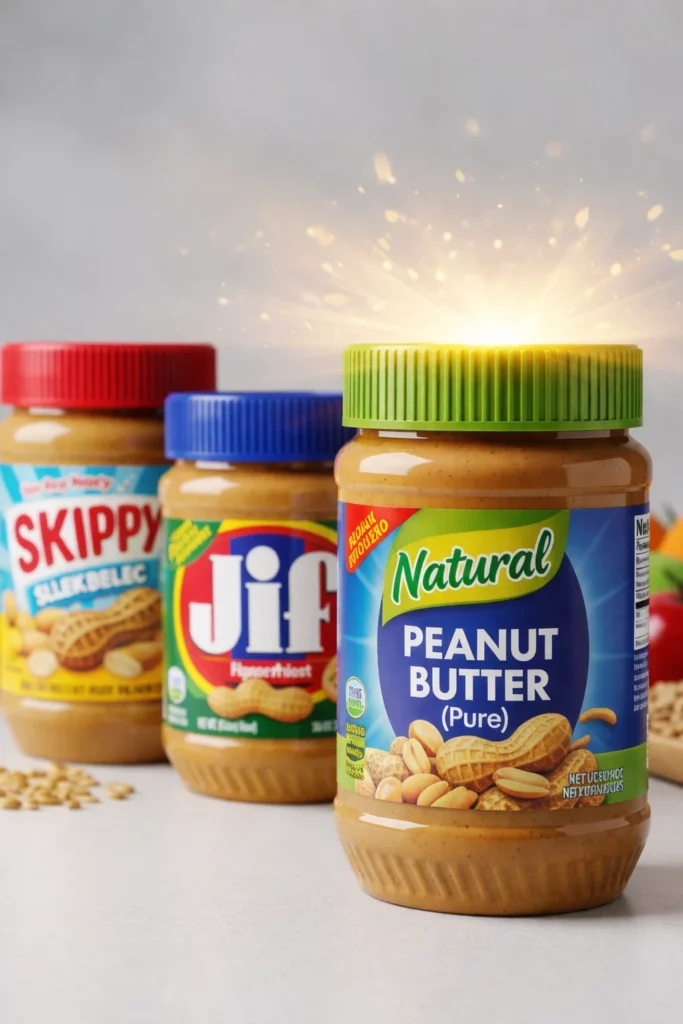
This brings us to the “big names.” Frequently, I am asked, is Skippy peanut butter good for diabetics, or is Jif peanut butter good for diabetics? The answer depends entirely on which specific product line you choose.
The “Classic” versions of Is Skippy peanut butter good for diabetics? Generally, no. They contain sugar and hydrogenated vegetable oils. The same applies to Jif peanut butter. Is it good for diabetics? The standard jar is a processed food that can contribute to inflammation.
However, both brands now offer “Natural” lines. These are better, but you must still check for palm oil or small amounts of added sugar. In the world of diabetes, “natural” is a better choice, but “pure” is the ultimate goal.
| Brand | Good for Diabetics? | Why |
| Natural PB (Pure) | Yes | No added sugar; zero trans fats. |
| Skippy Classic | Less Ideal | Contains added sugar and stabilizers. |
| Jif Classic | Less Ideal | Contains processed oils and sugar. |
Healthy Peanut Butter Snacks for Diabetics
If you are wondering if peanut butter is a good snack for diabetics, the answer depends on what you are dipping into it. It is widely considered one of the best snacks for diabetics because it turns a simple piece of fruit into a balanced, low-glycemic mini-meal.
Apple and Peanut Butter
Many ask, is apple and peanut butter good for diabetics? This is a classic “gold star” snack. The fiber in the apple combined with the protein in the peanut butter creates a slow-release energy source. Whether it’s peanut butter and apples good for diabetics or apples with peanut butter good for diabetics, the clinical outcome is the same: stable blood sugar.
Celery and Peanut Butter
For those who need to keep their carb count near zero, are celery and peanut butter good for diabetics? This is perhaps the ultimate diabetic snack. Since celery is mostly water and fiber, is peanut butter and celery good for diabetics? It allows you to enjoy the richness of the nut butter with almost no glycemic impact.
Peanut Butter and Crackers
When considering whether peanut butter and crackers are good for diabetics, you must be careful. Most crackers are made with refined white flour. I only recommend this if you use 100% whole-grain or seed-based crackers.
Peanut Butter and Jelly
Finally, is peanut butter and jelly good for diabetics? In its traditional form with white bread and high-fructose corn syrup jam, no. However, if you use sprouted-grain bread and a “no-added-sugar” fruit spread, it can be a rare but safe treat.
Is Peanut Butter Good for Diabetics Before Bed?
One of the most interesting clinical applications for this food is its role in managing “fasting blood glucose.” Many patients ask, is peanut butter good for diabetics before bed?” If you struggle with the Somogyi effect or the dawn phenomenon (early morning blood sugar spikes), a small protein-rich snack can help.
Eating a tablespoon of peanut butter at night provides a slow, steady burn of energy while you sleep. This can help prevent the liver from dumping excess glucose into the bloodstream overnight. Therefore, is peanut butter good for diabetics at night? For many, it acts as a metabolic stabilizer.
A perfect example of whether peanut butter is good for diabetics as a nighttime snack is one tablespoon of natural peanut butter paired with a small apple or two stalks of celery. This combination ensures you don’t wake up with a “sugar crash” or a reactive spike.
Are Roasted Peanuts Good for Diabetes?
While the creamy version is popular, many patients prefer the crunch of the whole nut. So, are roasted peanuts good for diabetes? In short: yes. Roasting peanuts does not significantly alter their healthy fat profile or their low glycemic index.
The primary benefit of roasted peanuts lies in their simplicity. You are getting the pure healthy fats and protein without any risk of hidden emulsifiers. However, you must be wary of the “coatings.”
I advise patients to avoid honey-roasted, chocolate-covered, or heavily salted varieties. Excess salt can worsen hypertension, a common complication for diabetics. Stick to dry-roasted or raw peanuts to keep your heart as healthy as your blood sugar.
Which Nuts Should Diabetics Avoid?
When discussing whether peanuts are good for diabetics, it is helpful to compare them to other options. While most nuts are beneficial, some preparations are dangerous for metabolic health. Knowing which nuts diabetics should avoid is largely about identifying added sugars.
You should strictly avoid any nuts labeled as “honey-roasted,” “sugar-coated,” or “toffee-glazed.” These are no longer healthy snacks; they are essentially candy. Even certain “trail mixes” are loaded with dried fruit and chocolate that can cause immediate glucose spikes.
For the best metabolic results, I recommend focusing on:
- Peanuts (Low GI, high protein)
- Almonds (Excellent for insulin sensitivity)
- Walnuts (High in Omega-3s)
Can Diabetics Eat Bread with Peanut Butter?
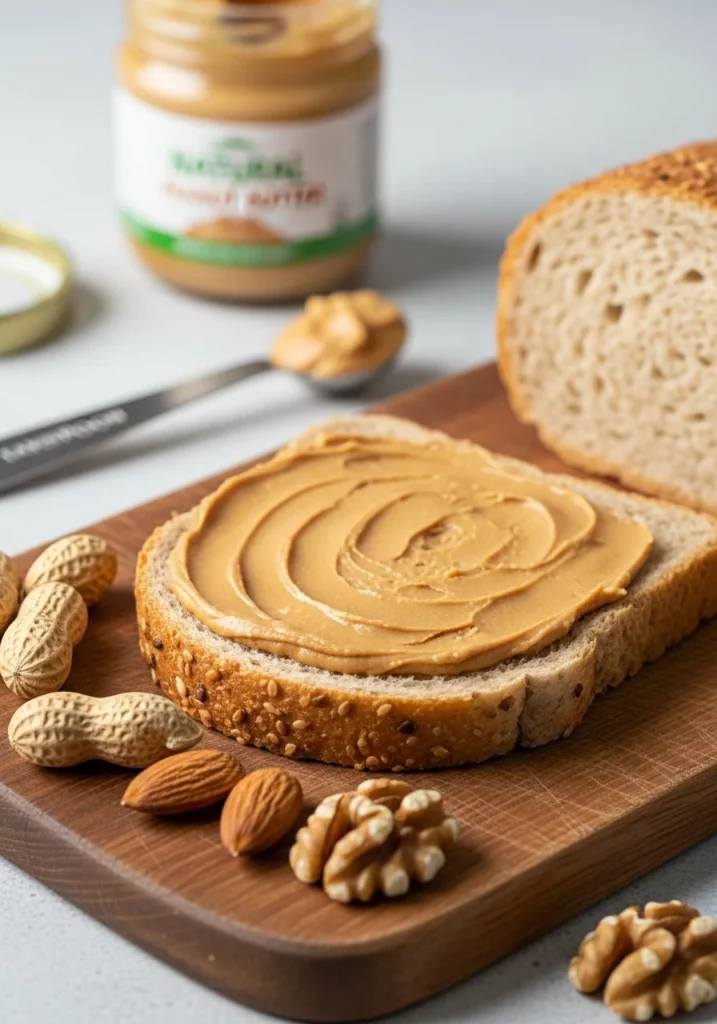
The classic “PB sandwich” is a staple, but it raises the question: can diabetics eat bread with peanut butter? The answer depends entirely on the “vehicle” you use to carry the nut butter. White bread is a high-glycemic food that will spike your sugar regardless of what you put on it.
To make this a safe meal, you should choose:
- Whole-grain bread (Look for at least 3g of fiber per slice)
- Sprouted grain bread (Often has the lowest glycemic impact)
- Low-carb or Keto tortillas
Using peanut butter on these fiber-rich bases actually helps lower the overall glycemic load of the meal. The fat in the butter “slows down” the bread’s starch, making it a much safer choice for your glucose monitor.
Portion Control – How Much Peanut Butter Is Safe?
Even the healthiest food can become a liability if consumed in excess. For a diabetic, 1–2 tablespoons is the “sweet spot” for a single serving. Because peanut butter is so energy-dense, eating half a jar can lead to an intake of 500+ calories very quickly.
Excessive calorie intake leads to weight gain, which is the primary enemy of Type 2 diabetes management. Furthermore, even natural brands have trace amounts of carbs. If you eat four or five servings at once, those “trace” carbs add up to a significant sugar load.
Stick to the “two-finger” rule: a serving should be about the size of two thumbs. This ensures you get the protein and satiety without the accidental weight gain.
When Peanut Butter May Not Be Ideal for Diabetics
Despite its benefits, there are times when I tell patients to be cautious. The biggest risks involve added sugars and hydrogenated oils found in lower-quality brands. These ingredients drive up inflammation and can sabotage your A1c goals.
Additionally, some patients may find that peanut butter triggers overeating. Because it is highly palatable, it can be a “trigger food” for some. If you find you cannot stop at two tablespoons, it may be better to switch to whole peanuts in the shell, which take longer to eat.
Lastly, please be mindful of peanut allergies. While it seems obvious, if you have any history of sensitivity, the inflammatory response of an allergy will cause your blood sugar to skyrocket as the body enters a “fight or flight” mode.
Frequently Asked Questions
What kind of peanut butter is good for diabetics?
The best choice is always natural peanut butter. Look for a label that lists only peanuts and perhaps a small amount of salt. Avoid any products containing palm oil, cane sugar, or molasses.
Is peanut butter good for diabetics and high cholesterol?
Yes. Peanuts are rich in monounsaturated and polyunsaturated fats. These are “heart-healthy” fats that can help lower LDL (bad) cholesterol and increase HDL (good) cholesterol when they replace saturated fats in the diet.
Is peanut butter a good snack for diabetics?
Absolutely. Because it contains both protein and fat, it is one of the most effective snacks for preventing “hunger crashes.” Pairing it with a high-fiber vegetable like celery makes it even more effective.
Are peanuts good for diabetics?
Yes, peanuts have a very low glycemic index of 14. They provide essential nutrients like magnesium and vitamin E, which are known to support healthy glucose metabolism and cardiovascular health.
What foods help lower blood sugar with diabetes?
While no food “lowers” sugar instantly, low-GI foods like leafy greens, nuts, beans, and berries help keep it stable. These foods prevent the spikes that occur after eating refined starches or sugars.
Conclusion: Should Diabetics Eat Peanut Butter?
After reviewing the clinical data, it is clear: peanut butter is an excellent addition to a diabetic diet. It is unsweetened, eaten in moderation, and paired with fiber foods to create the perfect metabolic snack.
It provides the magnesium, protein, and healthy fats necessary to keep your cells sensitive to insulin. As long as you choose a brand with no added sugar and watch your portion sizes, you can enjoy this creamy staple every single day.
The key takeaway is to always be an advocate for your own health. Read the labels, pair your fats with fiber, and watch how your body responds.