
One of the most frequent questions I encounter in the clinic—usually from a parent whose child has just been diagnosed—is, “Is type 1 diabetes genetic?” There is often a frantic search through family trees, looking for a relative with the condition to explain why this happened.
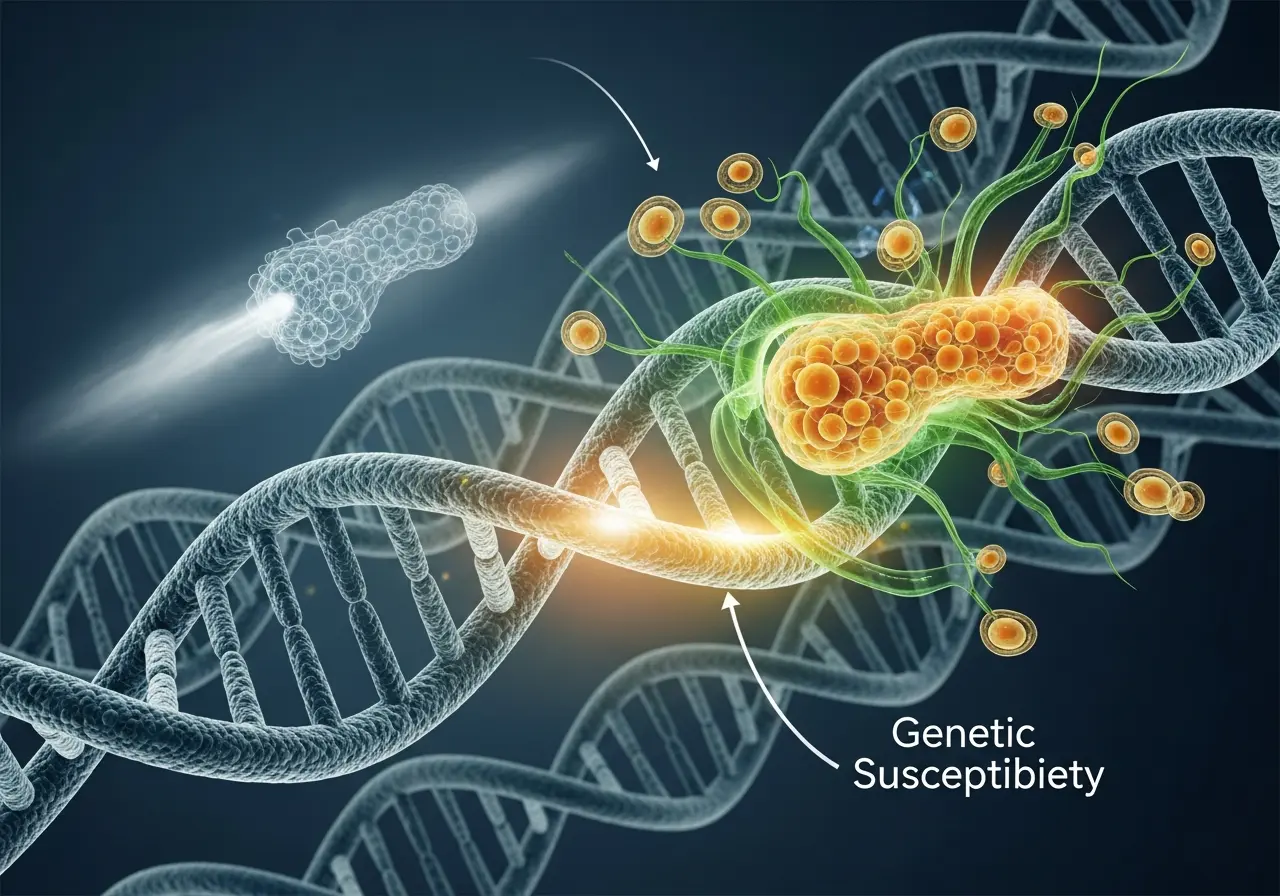
The answer is nuanced. While genetics plays a pivotal role, they are not the sole architect of the disease. Most people want to know if type 1 diabetes is hereditary or acquired, and the truth lies somewhere in the middle. It is a condition of “genetic susceptibility” met with an “environmental trigger.”
Research suggests that while many people carry the genes that increase risk, only a small fraction ever develops the disease. This leads to the question of how genetic type 1 diabetes is in reality. Even in identical twins, if one has the condition, the other only has a roughly 30% to 50% chance of developing it.
Understanding the balance between diabetes type 1 genetic factors and external triggers is crucial for managing expectations and identifying at-risk family members. This guide breaks down the science of heredity, the specific genes involved, and why your lifestyle is never the cause of this autoimmune condition.
What Is Type 1 Diabetes?
To understand the genetics, we must first define the disease. What is type 1 diabetes? It is a chronic, lifelong condition where the pancreas produces little to no insulin. Unlike Type 2 diabetes, which involves insulin resistance, Type 1 is a matter of insulin deficiency.
At its core, is type 1 diabetes an autoimmune disease? Yes. The body’s own immune system—specifically T-cells—mistakenly identifies the insulin-producing beta cells in the pancreas as foreign invaders. The immune system then systematically destroys these cells.
Without beta cells, the body cannot regulate blood glucose. This results in high blood sugar levels that can be life-threatening if not treated with external insulin. While it was once called “juvenile diabetes,” we now know it can occur at any age, from infancy to the senior years.
Statistics from the CDC indicate that roughly 1.6 million Americans are living with Type 1 diabetes. While it represents only about 5% to 10% of all diabetes cases, the complexity of its management and its distinct autoimmune origin make it a unique clinical challenge.
Is type 1 diabetes genetic or hereditary?
Patients often use these terms interchangeably, but in a clinical setting, we distinguish between them. When asking if type 1 diabetes is genetic or hereditary, we are looking at whether you were born with a blueprint for the disease or if you simply inherited it from your parents.
Is type 1 diabetes genetically inherited? It is hereditary in the sense that you inherit the risk, not necessarily the disease itself. You aren’t inheriting a “broken” pancreas; you are inheriting an immune system that is “primed” to overreact under certain conditions.
The type 1 diabetes heritability percentage varies based on which family member has the condition. If a father has Type 1 diabetes, the risk to his child is significantly higher than if the mother has it. This gender-based difference in inheritance remains one of the great mysteries of diabetic research.
So, is type 1 diabetes genetic? Yes, because specific variations in your DNA determine your susceptibility. However, having these genes is like having the dry tinder for a fire; you still need a spark (an environmental trigger) to start the blaze.
How Genetic Is Type 1 Diabetes?
When we look at type 1 diabetes, we must zoom in on the human genome. Scientists have identified over 50 different genes that can influence the risk of developing the condition. However, a few “heavy hitters” do most of the work.
The most significant genetic cause of type 1 diabetes lies within the Human Leukocyte Antigen (HLA) complex. This group of genes helps the immune system tell the difference between the body’s own proteins and proteins made by foreign invaders like viruses and bacteria.
Key Genetic Regions Involved
- HLA Genes: Specifically, the HLA-DR3 and HLA-DR4 variants. These are the strongest genetic markers. Carrying both can put a child at a significantly higher risk.
- INS Gene: This gene regulates the production of insulin in the pancreas. Variations here can affect how the immune system “learns” to tolerate insulin during development.
- PTPN22 Gene: This gene is linked to several autoimmune diseases. It influences how T cells react to threats, sometimes making them too aggressive.
How is type 1 diabetes genetically expressed? These genes essentially “miseducate” the immune system. Instead of ignoring the insulin-producing cells, the immune system views them as a threat. This genetic predisposition sets the stage for the eventual autoimmune attack.
Is Type 1 Diabetes Only Genetic?
A common myth is that if you have the “diabetes gene,” you are destined to get the disease. This is incorrect. If you are wondering if type 1 diabetes is only genetic, the answer is a firm no. If it were purely genetic, identical twins would always share the diagnosis.
The debate of whether type 1 diabetes is genetic or environmental is ongoing, but most researchers agree it is a combination of both. You need the genetic “keys,” but you also need the environment to “turn the lock.”
Furthermore, is type 1 diabetes genetic or lifestyle-related? This is a point of frequent confusion. Unlike type 2 diabetes, which can be influenced by diet, weight, and activity levels, type 1 is not caused by eating too much sugar or lack of exercise.
Lifestyle factors do not trigger the autoimmune destruction seen in Type 1. You cannot “lifestyle your way” into type 1 diabetes, nor can you “diet your way” out of the genetic susceptibility. It is an immune system malfunction, not a metabolic failure of choice.
Environmental Triggers of Type 1 Diabetes
If genes are the foundation, what is the spark? When investigating if type 1 diabetes is genetic or environmental, scientists look for triggers that “wake up” the immune system. Many people carry the HLA risk genes their whole lives and never develop the disease because they never encounter the trigger.
So, what can trigger type 1 diabetes? Several theories are currently being researched:
- Viral Infections: Enteroviruses (like the Coxsackie virus) are primary suspects. A viral infection may mimic the proteins of beta cells, causing the immune system to attack the pancreas by mistake.
- Gut Microbiome: The balance of bacteria in the digestive tract during early childhood may influence how the immune system matures.
- Vitamin D Deficiency: Research in northern climates suggests that low vitamin D levels might play a role in immune dysfunction.
- Early Childhood Exposures: Some studies have looked at the timing of introducing solid foods or cow’s milk, though results have been inconsistent.
Current research increasingly points toward a “multi-hit” hypothesis. This suggests that a person with genetic risk might need to encounter several of these triggers over time before the immune system finally crosses the threshold into full-blown autoimmunity.
Are You Born With Type 1 Diabetes?

One of the most comforting things I tell parents is that babies are rarely born with the disease. When people ask, “Are you born with type 1 diabetes?” they are often confusing it with “neonatal diabetes,” which is a rare genetic condition diagnosed in the first six months of life.
Type 1 diabetes is not something you have at birth. Instead, you are born with the potential to develop it. When considering whether you are born with type 1 diabetes or can get it, remember that the autoimmune attack is a process that takes months or even years.
The destruction of beta cells usually happens silently. By the time the early signs of type 1 diabetes (like extreme thirst) appear, nearly 80% to 90% of the insulin-producing cells have already been destroyed.
Diagnosis usually peaks between the ages of 4 and 7, and again between 10 and 14. However, we are seeing an increasing number of adults in their 30s and 40s being diagnosed with LADA (Latent Autoimmune Diabetes in Adults), proving that the “genetic clock” can tick for decades before the disease manifests.
Does type 1 diabetes run in families?
One of the most surprising things for families is that 85% to 90% of people diagnosed with Type 1 diabetes have no close relative with the condition. Even so, if there is a type 1 diabetes family history component, the risk for other family members does increase.
I often have patients ask if type 1 diabetes is genetic in their grandparents. While the risk can skip generations, it is primarily the parents’ and siblings’ health history that carries the most weight in clinical screening. If a grandparent had it, the risk is slightly elevated, but it is not as direct as a parent-child link.
Inheritance patterns for Type 1 are not straightforward. When we look at whether type 1 diabetes is hereditary from grandparents, we are looking at the passage of those “risk-heavy” HLA genes. If you inherited the susceptibility genes but your parents did not develop the disease, you could still be the one to encounter a trigger.
Risk Estimates by Family Member
| Family Member with T1D | Approximate Risk to You |
| Father | 6% to 9% |
| Mother (diagnosed before age 25) | 4% |
| Mother (diagnosed after age 25) | 1% |
| Full Sibling | 5% to 10% |
| Identical Twin | 30% to 50% |
Type 1 vs. Type 2 Diabetes: Which One Is Genetic?
In my experience, almost everyone gets this backward. When people ask about type 1 vs. type 2 diabetes, which one is genetic, they assume type 1 is more hereditary because it often appears in childhood. In reality, Type 2 diabetes has a much stronger genetic link.
If you are wondering which diabetes is genetic, the answer is “both,” but in different ways. Type 2 is highly “polygenic,” meaning hundreds of small genetic variations combine with lifestyle to cause insulin resistance. Type 1 is a targeted autoimmune strike that requires very specific immune-related genes.
| Feature | Type 1 Diabetes | Type 2 Diabetes |
| Primary Cause | Autoimmune (Beta cell death) | Insulin Resistance |
| Genetic Influence | Moderate (HLA-driven) | Strong (Polygenic) |
| Lifestyle Role | Minimal to None | Significant |
| Typical Age | Children and Young Adults | Adults (increasing in youth) |
| Body Weight | Usually thin or average | Often overweight/obese |
When we compare type 1 and type 2 diabetes, which is genetic, remember that you can have a “perfect” lifestyle and still develop type 1 because your genes misdirect your immune system. With Type 2, genetics set the stage, but your environment and lifestyle usually determine if the disease actually manifests.
Is type 1 diabetes always genetic?
Technically, Type 1 diabetes is almost always considered to have a genetic component, but it is not always familial. This means you might have the necessary genes without anyone else in your family tree ever showing symptoms.
When patients ask if type 1 diabetes is always genetic, I clarify that while “sporadic” cases (no family history) are the most common, those individuals still carry the HLA risk markers. They simply had the “perfect storm” of genetic susceptibility and a specific environmental trigger.
If you are deciding which one is genetic, type 1 or type 2 diabetes, don’t think of it as an “either/or” situation. Both require a genetic blueprint. However, Type 1 is more of a “hit-and-run” immune accident, while Type 2 is a long-term metabolic decline driven by a heavy genetic load and environment.
Early Signs of Type 1 Diabetes
Because Type 1 can be life-threatening if missed, knowing what the early signs of Type 1 diabetes are is critical for every parent and caregiver. The onset is usually rapid, occurring over a few weeks or even days.
In my clinic, I teach the “4 Ts” as the primary warning signs:
- Toilet: Frequent urination, especially at night, or sudden bedwetting in a toilet-trained child.
- Thirsty: An unquenchable thirst that persists despite drinking plenty of water.
- Tired: Extreme, unexplained fatigue and lethargy.
- Thinner: Rapid, unexplained weight loss despite an increased appetite.
If these signs are ignored, the body can enter diabetic ketoacidosis (DKA). This is a medical emergency where the blood becomes acidic because it is burning fat for fuel instead of sugar. DKA often presents with “fruity-smelling” breath, vomiting, and abdominal pain.
What Causes Type 1 and Type 2 Diabetes?
To truly grasp the difference, you have to look at the “how.” When we discuss what causes type 1 and type 2 diabetes, we are looking at two entirely different biological malfunctions.
In Type 1, the cause is an absolute lack of insulin. Imagine a factory where the machines (beta cells) have been completely dismantled by an angry mob (the immune system). No matter how much you try to “fix” the factory, the machines are gone.
In Type 2, the cause is the body’s inability to use insulin properly. Imagine a factory where the machines are working fine, but the workers (cells) have locked the doors and refuse to let the supplies (glucose) in. The machines keep working harder and harder until they eventually burn out.
Who Is Most Likely to Get Type 1 Diabetes?

While it can strike anyone, there are specific demographics for whom it’s most likely to be type 1 diabetes. Geography and ancestry play a significant role that researchers are still trying to fully understand.
The highest rates of Type 1 diabetes in the world are found in Finland and Sardinia. In fact, individuals of Northern European ancestry are generally at a higher risk than those of Asian or African descent.
Other high-risk groups include:
- People with other autoimmune conditions: If you have celiac disease, Hashimoto’s, or vitiligo, your risk is slightly higher.
- Children and Teens: While it can happen at 40, the most common age of diagnosis is between 4 and 14.
- Northern Climates: People living further from the equator tend to have higher rates, potentially linked to vitamin D levels.
Is type 1 diabetes curable or reversible?
This is the hardest part of the conversation: Is type 1 diabetes curable? Currently, the answer is no. Once the immune system has destroyed the beta cells, the body cannot regrow them on its own.
I often see headlines claiming that type 1 diabetes is reversible, but these usually refer to type 2. In Type 1, “reversal” is not possible because the insulin-producing “hardware” has been removed. However, research into cures is more promising than ever.
Current research focuses on:
- Stem Cell Therapy: Growing new beta cells in a lab and transplanting them into patients.
- Immunotherapy: Using drugs like Teplizumab to “retrain” the immune system and delay the onset of the disease in high-risk individuals.
- Islet Cell Transplantation: Taking working beta cells from a donor and placing them into a patient, though this currently requires lifelong anti-rejection meds.
Can type 1 diabetes be prevented?
As of today, there is no way to prevent the initial autoimmune attack from starting. However, we are getting much better at “intercepting” it. Organizations like TrialNet offer free screening for family members of T1D patients to look for autoantibodies in the blood.
If these antibodies are found, we can monitor the patient closely. In some cases, we can use new FDA-approved medications to delay the full onset of the disease for several years. This gives the patient more time to live “insulin-free” and prepares the family for the transition.
While we can’t stop the genes you were born with, we are closer than ever to “turning off” the autoimmune response before it does permanent damage.
Frequently Asked Questions
Is type 1 diabetes genetic?
Yes, it has a genetic component. Specific genes, particularly in the HLA complex, increase your susceptibility. However, you also need an environmental trigger to activate the disease.
Is type 1 diabetes genetic or autoimmune?
It is both. It is an autoimmune disease driven by genetic susceptibility. Your genes determine if your immune system is likely to malfunction, but the actual disease is the immune system attacking the pancreas.
Are You Born With Type 1 Diabetes?
No. While you are born with the genetic risk, the actual destruction of beta cells typically happens later in childhood, adolescence, or even adulthood.
Which type of diabetes is genetic?
Both Type 1 and Type 2 have genetic links. Interestingly, Type 2 has a much stronger hereditary pattern than Type 1, which is more of an autoimmune “accident.”
Is type 1 diabetes curable?
Not yet. Type 1 requires lifelong insulin therapy. However, breakthroughs in stem cell research and immunotherapy are currently being tested in clinical trials.
Conclusion
As a healthcare provider, the most important message I can leave you with is that Type 1 diabetes is absolutely no one’s fault. It is a complex interplay of genetic susceptibility and completely unpredictable environmental triggers.
You cannot cause this condition by eating too much sugar, and you cannot prevent it with a perfect lifestyle. Inheriting the risk genes only sets the stage. It does not guarantee the disease will ever actually develop in you or your children.
While a diagnosis can feel overwhelming, especially for parents, modern medicine has made incredible strides in recent years. With advanced continuous glucose monitors, automated insulin pumps, and promising immunotherapy research, living a full and unrestricted life is completely possible.
References for Further Reading
- National Institutes of Health (NCBI) – Genetics of Type 1 Diabetes
- MDPI – Pathogenesis of Type 1 Diabetes: Established Facts and New Insights
- Cleveland Clinic – Type 1 Diabetes: Causes, Symptoms & Genetic Risk
- Frontiers in Genetics – Type 1 Diabetes-Associated Genetic Variants
- Breakthrough T1D (formerly JDRF) – Genetic Research & Endotypes