
In my clinical physiology practice, I frequently treat patients experiencing severe emotional distress and anxiety following a new diabetes diagnosis. They often sit on my couch, completely overwhelmed by the sudden, terrifying burden of managing their daily blood sugar.
The constant fear of eating the “wrong” thing can lead to profound psychological exhaustion and disordered eating habits. Having a clear, evidence-based list of the best foods for diabetics significantly reduces this daily mental burden.
TL;DR Summary:
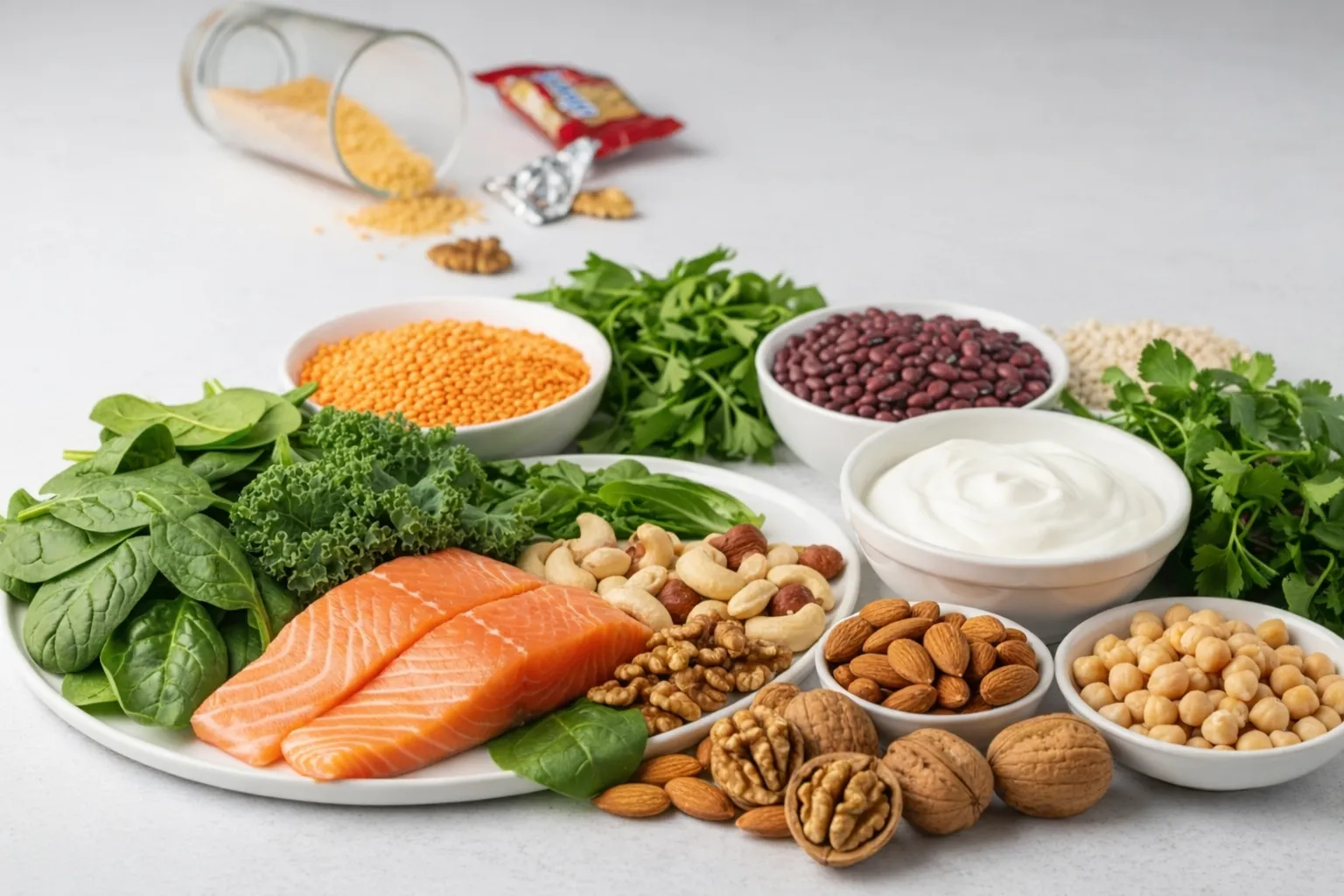
The most effective diabetic diet prioritizes whole, unprocessed foods that stabilize blood sugar and promote prolonged satiety. The best choices are rich in dietary fiber, lean proteins, and heart-healthy fats, which actively slow glucose absorption.
Key staples include leafy green vegetables, fatty fish, raw nuts, plain Greek yogurt, and legumes. You must actively minimize highly refined carbohydrates, sugary beverages, and heavily processed snacks to maintain metabolic health.
What Are the Best Foods for Diabetics?
When patients nervously ask me what foods are best for diabetics, they are usually looking for a safe, stress-free starting point. Biologically, diabetic-friendly foods are simply those that do not cause a violent, rapid spike in your bloodstream’s glucose levels. To achieve this, you must build your daily meals around the concept of the Glycemic Index (GI).
The Glycemic Index is a scientific measurement of how quickly a specific carbohydrate is digested and enters your bloodstream. Foods with a low GI are digested incredibly slowly, creating a gentle, manageable rise in blood sugar rather than a dangerous spike. To naturally lower the glycemic impact of any meal, you must strategically combine complex carbohydrates with protein and healthy fats.
For example, eating an apple alone might cause a moderate sugar spike, but pairing it with peanut butter slows digestion completely.
Authoritative guidelines from the American Diabetes Association and the Centers for Disease Control and Prevention strongly emphasize this macronutrient balance. Building a deeply satisfying, protein-forward diet is the ultimate key to preventing frustrating afternoon energy crashes.
10 Best Foods for Diabetics to Eat
Managing diabetes becomes much easier when you intentionally choose nutrient-dense, blood-sugar-friendly foods. Instead of feeling overwhelmed at the grocery store, you can focus on simple staples that naturally promote stable glucose levels and better metabolic health.
Leafy Greens like spinach, kale, and Swiss chard are extremely low in carbohydrates and rich in vitamins and antioxidants that help reduce inflammation.
Fatty Fish such as salmon, sardines, and mackerel provide omega-3 fatty acids that support heart health and protect blood vessels.
Whole Grains like steel-cut oats and quinoa contain fiber that slows digestion and helps prevent blood sugar spikes.
Beans and Lentils are affordable sources of complex carbohydrates and plant protein with a low glycemic index, making them excellent for blood sugar control.
Raw Nuts including almonds, walnuts, and pecans offer healthy fats and protein that reduce hunger and contain little to no sugar.
Berries such as blueberries, strawberries, and raspberries are high in antioxidants and fiber while being lower in sugar than many other fruits.
Plain Greek Yogurt (unsweetened) is high in protein and lower in sugar, helping keep blood glucose levels steady.
Whole Eggs provide high-quality protein with minimal carbohydrates, helping reduce cravings and stabilize blood sugar.
Avocados are rich in monounsaturated fats and fiber, which support insulin sensitivity and promote fullness.
Sweet Potatoes contain more fiber and nutrients than white potatoes, making them a better carbohydrate choice when eaten in moderation.
Together, these foods work synergistically to stabilize blood sugar, reduce inflammation, and support long-term health.
20 Best Foods for Diabetics (Complete List)
Once you comfortably master the core top ten staples, you can safely expand your daily culinary horizons. Variety is essential to prevent dietary burnout and chronic emotional frustration. Here is the expanded list of best foods for diabetics to add to your weekly grocery rotation.
Chia Seeds: These tiny seeds form a thick, protective gel in your stomach that physically traps excess sugar.
Flaxseeds: Ground flax provides excellent lignans, which actively help improve total cellular insulin sensitivity over time.
Tofu: A fantastic, highly versatile plant-based protein that absorbs surrounding flavors while keeping carbohydrates virtually non-existent.
Extra Virgin Olive Oil: The ultimate heart-healthy cooking fat that actively lowers dangerous cardiovascular inflammation.
Garlic: Clinical studies suggest that raw and cooked garlic may help lower fasting blood glucose levels naturally.
Tomatoes: Rich in lycopene, tomatoes are excellent, low-carbohydrate additions to heavy salads and morning omelets.
Cinnamon: This powerful, warming spice has been clinically shown to naturally improve insulin receptor function.
Broccoli: A highly fibrous, cruciferous vegetable that contains sulforaphane, a compound that helps lower blood sugar.
Apple Cider Vinegar: Consuming a small amount before heavy meals can actively blunt the subsequent glucose spike.
Pumpkin Seeds: An incredibly rich, dense source of dietary magnesium, which is vital for proper insulin production.
What Are the 5 Superfoods for Diabetics?
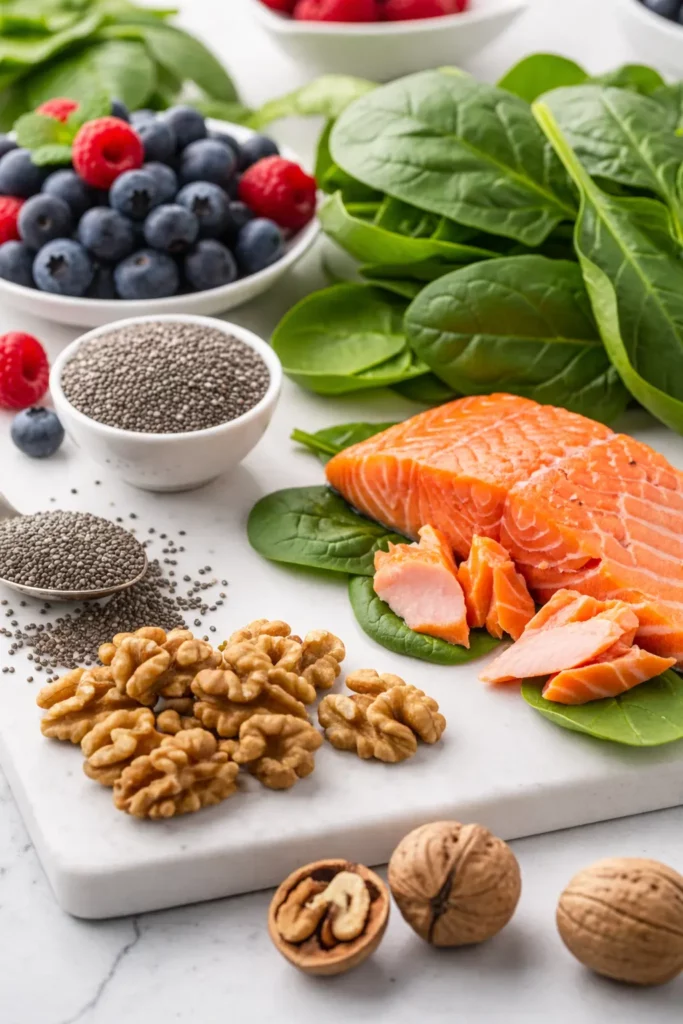
While “superfood” is often a marketing buzzword, certain ingredients genuinely possess profound, clinically proven metabolic benefits. If I had to recommend only 5 superfoods for diabetics to prioritize heavily, they would be highly specific. These items deliver maximum nutritional impact with absolute minimum glycemic disruption.
First, berries (specifically blueberries and raspberries) are unmatched for their high fiber-to-sugar ratio and heavy antioxidant load.
Second, chia seeds act like a biological sponge, slowing digestion and keeping you full for hours. Third, spinach provides massive volume and vital micronutrients without adding any measurable carbohydrate burden.
Fourth, wild salmon is an absolute non-negotiable for combating the severe cardiovascular risks heavily associated with diabetes.
Finally, raw walnuts deliver the perfect, highly satisfying combination of plant-based protein, fiber, and omega-3 fatty acids. Incorporating just these five items daily will drastically improve your continuous glucose monitor (CGM) readings.
Best Foods for Diabetics: Type 2 vs Type 1
While general healthy eating principles apply universally, the specific biological mechanisms behind different diabetes diagnoses dictate slightly different strategies.
When exploring the best foods for type 2 diabetics, the primary clinical focus is actively reversing severe insulin resistance. This requires aggressively prioritizing weight management, massive fiber intake, and lowering total daily carbohydrate loads to heal the cells.
Conversely, type 1 diabetes is a strict autoimmune condition where the pancreas produces absolutely zero internal insulin. Therefore, the best foods for type 1 diabetics focus heavily on predictable, highly accurate carbohydrate counting to match synthetic insulin doses.
While they must also prioritize healthy, whole foods, their primary challenge is maintaining absolute mathematical consistency between meals and injections.
Ultimately, both groups dramatically benefit from avoiding highly refined, unpredictable foods that cause erratic, violent glucose swings. A type 2 patient might use a low-carb diet to reduce their medication dependency over time. A type 1 patient uses that same diet to make their required daily insulin dosing much safer and far more predictable.
Best Foods for Diabetics With High Blood Pressure, Cholesterol, and Kidney Disease
Chronic metabolic conditions rarely exist entirely in clinical isolation; they frequently travel together in a dangerous cluster.
Many of my patients simultaneously battle diabetes, clinical hypertension, and dangerously elevated lipid panels. Therefore, your specific diet must actively support and protect your entire vascular and renal systems simultaneously.
Dietary Adjustments for Hypertension
If you are searching for the best foods for diabetics with high blood pressure, you must strictly adopt the DASH diet principles.
This involves aggressively limiting sodium intake by completely avoiding heavily processed deli meats and canned soups. Instead, heavily prioritize fresh, potassium-rich foods like spinach, tomatoes, and unsalted nuts to naturally relax your blood vessels.
Managing Elevated Lipid Panels
For individuals seeking the best foods for diabetics with high cholesterol, aggressive soluble fiber intake is your ultimate weapon. Soluble fiber physically binds to dangerous cholesterol particles inside your gut, safely excreting them before they enter your bloodstream. Excellent sources include plain rolled oats, heavy black beans, and massive amounts of raw vegetables.
Protecting Renal Function
Finally, finding the best foods for diabetics with kidney disease requires highly specialized, incredibly delicate clinical care. If your kidneys are actively failing, you must heavily moderate your intake of potassium, phosphorus, and sometimes even protein.
You must work directly with a specialized renal dietitian, as foods normally considered healthy (like avocados or whole wheat) might become dangerous.
Best Breakfast Foods for Diabetics
Mornings are frequently the most stressful time for my patients, as they wake up to fasting glucose numbers that dictate their entire daily mood.
Therefore, knowing what the best breakfast foods for diabetics are is absolutely critical for setting a positive psychological and metabolic tone. You must aggressively avoid traditional, highly processed morning staples like sugary cereals, massive bagels, and commercial fruit juices.
The absolute best breakfast foods actively combine massive amounts of high-quality protein with protective, slow-digesting dietary fiber.
A massive, three-egg omelet heavily stuffed with fresh spinach and tomatoes is a clinically perfect, zero-carbohydrate morning meal. Furthermore, a small bowl of plain steel-cut oatmeal heavily topped with raw walnuts naturally stabilizes your morning energy.
If you are rushing to work, a quick, heavily blended smoothie utilizing unsweetened almond milk, chia seeds, and protein powder works perfectly.
Additionally, a single slice of dense, sprouted-grain toast heavily layered with fresh avocado prevents severe mid-morning crashes. Always prioritize savory morning meals over sweet ones to aggressively break the daily cycle of intense carbohydrate cravings.
Best Snack Foods for Diabetics
When mid-afternoon fatigue violently strikes at the office, the intense biological urge to grab a candy bar is incredibly powerful.
Combating this powerful emotional eating trigger requires keeping the best snack foods physically within arm’s reach at all times. You must actively replace heavily processed vending machine chips with deeply satisfying, protein-dense alternatives.
A small, perfectly portioned handful of roasted, unsalted almonds provides incredible crunch and actively suppresses your powerful hunger hormones. Furthermore, a half-cup of heavy, full-fat cottage cheese delivers massive amounts of slow-digesting protein and zero simple sugars.
You can also easily keep several hard-boiled eggs in your office refrigerator for an instant, highly bioavailable protein hit.
Which Foods Are Best Before Bed?
Many patients wake up deeply confused by a massive, unexplained blood sugar spike, despite eating a perfectly healthy dinner. This is often the Somogyi effect, where your blood sugar drops dangerously low overnight, forcing your liver to dump emergency glucose.
So, which foods are best before bed to safely prevent this terrifying nighttime hypoglycemia?
You must strategically consume a very small, highly specific snack combining a complex carbohydrate with a heavy fat source. A single tablespoon of natural, unsweetened peanut butter smeared on a crisp celery stick is an absolute clinical favorite.
Alternatively, a small slice of sharp cheddar cheese paired with three whole-grain crackers perfectly stabilizes your overnight glucose levels.
Best Low-Carb and Protein Foods for Diabetics
Protein is the absolute foundational building block of any highly successful, heavily sustainable diabetic nutritional plan. The best low-carb foods actively repair your vital cellular tissues without requiring your overworked pancreas to release massive amounts of insulin.
You must consistently build every single meal around a heavy, deeply satisfying central protein source.
Excellent, highly bioavailable protein foods include grilled, skinless chicken breasts, fresh Atlantic salmon, and lean cuts of grass-fed beef. For vegetarian patients, firm tofu and massive amounts of green edamame provide incredible, highly satiating plant-based protein.
By aggressively increasing your daily protein intake, you naturally crowd out the dangerous, highly refined carbohydrates from your plate.
What Foods and Fruits Are Best for Diabetics?
Patients frequently harbor immense, totally unnecessary fear regarding fresh fruit, mistakenly believing all natural sugars are completely toxic. However, totally eliminating all fruit deprives your body of vital, cancer-fighting antioxidants and highly protective digestive fiber. When deciding what foods and fruits are best for diabetics, you must strictly focus on the glycemic index.
Apples and crisp pears are phenomenal choices because their tough, fibrous skins actively delay immediate intestinal sugar absorption. Furthermore, all dark berries, particularly blackberries and raspberries, deliver massive sweetness with an incredibly low total carbohydrate burden.
You must, however, completely avoid heavily processed, canned fruits that are aggressively soaked in thick, sugary syrups.
Best Foods for Diabetics to Lose Weight
Carrying excess visceral fat directly worsens your severe cellular insulin resistance, making daily glucose management incredibly difficult. Therefore, the absolute best foods for diabetics to lose weight must deeply maximize physical satiety while minimizing total caloric density.
If a specific “diet food” leaves you violently hungry thirty minutes later, it has completely failed its psychological purpose.
You must aggressively prioritize massive, voluminous salads heavily loaded with crisp cucumbers, bell peppers, and lean grilled chicken. The sheer physical volume of these fibrous vegetables strongly triggers the stretch receptors in your stomach, signaling profound fullness.
What Foods Can a Diabetic Eat Freely?
Dietary fatigue is a massive clinical hurdle; patients often feel like everything they love is permanently restricted. Therefore, knowing exactly what foods a diabetic can eat freely provides immense psychological relief and culinary freedom. You can consume massive, unlimited quantities of all non-starchy, watery vegetables without ever checking your glucose monitor.
Crisp celery, fresh cucumbers, leafy lettuces, and raw zucchini have virtually zero impact on your circulating blood sugar levels. Furthermore, you can aggressively utilize all-natural herbs, dried spices, and fresh garlic to heavily flavor your daily meals safely. Plain water, unsweetened black coffee, and green tea are also completely free, highly protective daily beverages.
Worst Foods for Diabetics to Avoid
To rapidly stabilize your highly erratic blood sugar, you must aggressively identify and ruthlessly eliminate the metabolic saboteurs hiding in your pantry. The worst foods for diabetics completely lack protective dietary fiber and are heavily loaded with dangerous, highly refined industrial sugars. What are the 5 worst foods you must throw away immediately?
First, completely banish all regular, heavily sweetened sodas and commercial fruit juices from your refrigerator permanently. Second, strictly avoid all heavily refined white breads, bagels, and commercially produced bakery pastries.
Third, aggressively eliminate deep-fried fast foods, which combine dangerous trans fats with highly processed starches. Fourth, avoid sugary breakfast cereals, and fifth, completely cut out heavily processed deli meats packed with hidden sugars.
25 Foods Diabetics Should Avoid
When thoroughly cleaning out your kitchen, you must be incredibly ruthless and highly vigilant against hidden metabolic threats. Here is a rapid-fire list of 25 foods diabetics should avoid to guarantee immediate, long-lasting clinical success:
Sugars & Drinks: 1. Regular soda 2. Sweet tea 3. Energy drinks 4. Store-bought smoothies 5. Flavored coffee drinks 6. Canned fruit in syrup 7. Agave nectar 8. High-fructose corn syrup.
Processed Carbs: 9. White bread 10. White pasta 11. Sugary cereals 12. Instant oatmeal packets 13. Pretzels 14. Potato chips 15. Saltines 16. French fries.
Baked Goods & Fats: 17. Donuts 18. Muffins 19. Cookies 20. Margarine (trans fats) 21. Fried chicken 22. Commercial pizza 23. Ice cream 24. Candy bars 25. Sweetened yogurts.
What Foods Should Diabetics Avoid?
Diabetics should strictly avoid any highly processed foods containing massive amounts of added sugars, heavily refined white flour, and dangerous artificial trans fats.
These specific ingredients digest almost instantaneously, causing a violent, highly dangerous spike in circulating blood glucose levels. Always eliminate sugary sodas, commercial baked goods, deep-fried fast foods, and heavily sweetened breakfast cereals to protect your metabolic health safely.
7-Day Diet Plan for Diabetic Patients
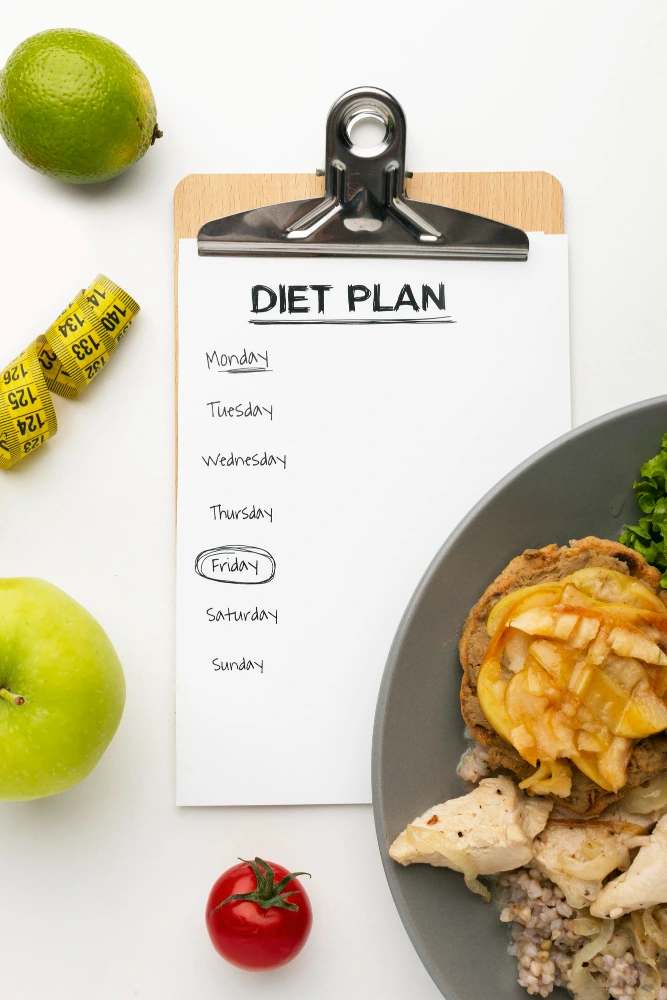
Transitioning to a highly structured, perfectly balanced nutritional routine drastically reduces daily anxiety and dangerous decision fatigue.
A highly effective 7-day diet plan for diabetic patients aggressively distributes complex carbohydrates perfectly evenly across all major meals. Here is a brief, highly protective structural example of how to build your daily eating schedule safely.
Breakfast should always feature heavy protein, like a massive spinach omelet or heavy Greek yogurt with raw walnuts. Lunch must heavily prioritize massive vegetable volume, like a gigantic grilled chicken salad utilizing an olive oil dressing. Finally, dinner should center around a heavy, lean protein, like wild salmon, paired with roasted broccoli and a tiny portion of quinoa.
How to Keep Diabetes Under Control With Diet
According to strict World Health Organization dietary recommendations, aggressive lifestyle modification is the absolute most powerful clinical medicine available.
Learning how to keep diabetes under control with diet requires massive, unwavering consistency regarding your daily meal timing. You cannot skip breakfast, starve all day, and then violently indulge in massive amounts of carbohydrates at dinner.
You must meticulously enforce strict portion sizes, particularly when consuming incredibly dense, starchy carbohydrates like brown rice or sweet potatoes. Furthermore, deeply pairing your highly fibrous meals with a daily, thirty-minute brisk walk aggressively forces your leg muscles to burn excess sugar.
Expert Tips to Build the Best Diabetic Diet
To truly master your long-term metabolic health, you must actively adopt the clinical “Plate Method” for every single meal. Visually divide your dinner plate; heavily fill exactly half of it with entirely non-starchy, green vegetables. Fill one solid quarter with a heavy, lean protein, and restrict your complex carbohydrates strictly to the final quarter.
Furthermore, you must aggressively learn the absolute basics of accurate, highly meticulous daily carbohydrate counting. Utilizing a digital food tracking application on your phone provides massive, highly revealing insights into your hidden daily sugar consumption.
Frequently Asked Questions
What is the best breakfast for diabetics?
The absolute best breakfast heavily prioritizes massive amounts of high-quality protein and slow-digesting dietary fiber to prevent morning spikes.
A three-egg omelet heavily stuffed with spinach, or plain, unsweetened Greek yogurt topped with raw walnuts, is a clinically perfect option. You must aggressively avoid highly refined, sugary cereals and commercial fruit juices entirely.
What are the 5 best foods?
The five absolute best, highly protective superfoods are dark leafy greens (like spinach), wild-caught fatty fish (like salmon), raw tree nuts (like walnuts), fibrous berries, and chia seeds. These specific foods actively deliver massive amounts of vital nutrients and healthy fats while causing virtually zero dangerous glucose spikes.
What foods should diabetics avoid?
You must completely banish all highly refined, heavily processed carbohydrates like white bread, sugary sodas, and commercial bakery pastries. Furthermore, aggressively eliminate deep-fried fast foods and anything containing hidden high-fructose corn syrup to protect your delicate vascular system.
Which foods lower blood sugar quickly?
Biologically, there is absolutely no specific food that magically or instantly lowers circulating blood sugar. However, drinking massive amounts of plain water and eating zero-carbohydrate proteins (like a boiled egg) stops the spike from actively climbing.
Furthermore, taking a brisk, thirty-minute walk is the absolute fastest way to naturally burn off excess circulating glucose.
Conclusion
In conclusion, receiving a diabetes diagnosis is undeniably terrifying, but it absolutely does not mean your culinary life is over. By aggressively shifting your clinical focus toward incredibly dense, highly fibrous whole foods, you actively regain total control over your body.
You must view this comprehensive list of the best foods for diabetics not as a strict prison, but as a powerful, highly protective biological shield. Please remember that creating permanent, highly sustainable dietary changes is a deeply psychological marathon, not a frantic, overnight sprint.
Do not severely punish yourself for experiencing a sudden, terrifying glucose spike or occasionally eating a piece of birthday cake. Simply take a deep breath, drink a massive glass of water, and immediately return to your highly protective, protein-forward dietary staples at your very next meal
Authoritative Medical References:
- American Diabetes Association (ADA) – Food Hub & Nutrition
- Mayo Clinic – Diabetes Diet: Create Your Healthy-Eating Plan
- National Institute of Diabetes and Digestive and Kidney Diseases (NIDDK) – Diabetes Diet, Eating, & Physical Activity
- Centers for Disease Control and Prevention (CDC) – Eat Well with Diabetes
- Harvard T.H. Chan School of Public Health – Carbohydrates and Blood Sugar