
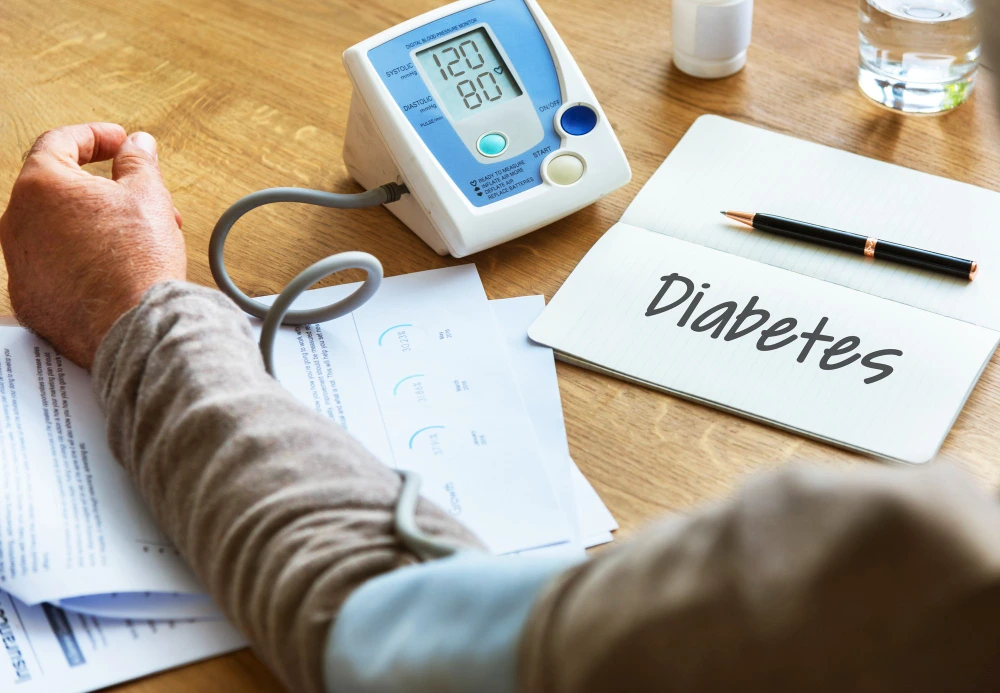
When your blood sugar levels remain too high for extended periods, your body begins to send out distress signals. These physiological signals are the direct answer to the crucial question: What are the symptoms of diabetes? These warning signs occur primarily because of problems with insulin, the vital hormone responsible for regulating blood glucose.
It is highly important to note that the signs and symptoms of diabetes can vary widely from person to person. The specific indicators depend heavily on your specific diabetes type, your age, your biological sex, and the overall severity of your blood sugar imbalance.
Quick Answer
The most common symptoms of diabetes include frequent urination, excessive thirst, unexplained weight loss, fatigue, blurred vision, slow-healing wounds, and increased hunger. Early detection is important because untreated diabetes can lead to serious complications.
What Are the Main Symptoms of Diabetes?
Patients frequently ask healthcare providers for a complete list of diabetes symptoms to understand exactly what to monitor. While everyone’s body reacts slightly differently to high blood glucose, certain metabolic red flags are virtually universal.
If you are wondering what the main symptoms of diabetes are, they generally revolve around your body’s inability to properly process glucose for cellular energy.
Here is a list of the 10 common symptoms of diabetes to watch for:
- Frequent urination (especially waking up at night)
- Excessive thirst that cannot be quenched
- Increased hunger even after eating a full meal
- Unexplained weight loss without trying
- Blurred vision or trouble focusing
- Fatigue and chronic physical exhaustion
- Slow wound healing for minor cuts and scrapes
- Tingling or numbness in the hands or feet
- Frequent skin infections or itchy skin
- Recurrent yeast or fungal infections
When searching for the 12 warning signs of diabetes or even what 20 warning signs of diabetes are, these core issues always remain at the top of the clinical list. Dr. Robert Chen, a board-certified endocrinologist, notes that in everyday practice, these symptoms can develop very slowly. This is especially true in type 2 diabetes, making it dangerously easy to dismiss.
Early Symptoms of Diabetes
Catching this metabolic condition early can prevent years of silent internal damage to your organs, blood vessels, and nerves. However, the early symptoms of diabetes can be incredibly subtle and easily confused with everyday stress.
Many individuals experience mild fatigue and simply attribute it to a demanding work schedule or the natural aging process. A key early fatigue diabetes symptom is feeling completely drained of energy even after getting a full night’s sleep.
Other easily missed early signs include frequent thirst and a noticeable increase in urination. Because your kidneys are working overtime to flush out the excess sugar in your blood, they pull vital fluids from your tissues, leaving you dehydrated.
You might also notice slightly blurred vision that frustratingly comes and goes as the fluid levels in your eyes rapidly change. Because these early signs are so mild, many people ignore early symptoms for years before finally seeking a medical evaluation.
Symptoms of Type 1 Diabetes
Type 1 diabetes is a severe autoimmune condition where the pancreas completely stops making insulin. If you are asking what the symptoms of type 1 diabetes are, you should know that they are usually intense and develop rapidly.
Unlike other forms of the disease, the symptoms of type one diabetes can appear seemingly out of nowhere over just a few weeks or even days.
Patients frequently experience extreme thirst and sudden and dramatic weight loss despite eating normally, alongside nausea and vomiting. If you are researching what the symptoms of type 1 diabetes are, you must also be acutely aware of the risk of diabetic ketoacidosis (DKA).
DKA is a life-threatening medical emergency that occurs when the body breaks down fat far too fast, causing the blood to become highly acidic. Type 1 diabetes commonly occurs in children and young adults, requiring immediate medical intervention and lifelong insulin therapy.
Symptoms of Type 2 Diabetes
Type 2 diabetes is characterized by systemic insulin resistance, meaning the body still makes insulin but cannot utilize it effectively. When questioning what the symptoms of type 2 diabetes are, clinicians usually look for a very gradual progression.
Because the onset is so notoriously slow, the symptoms of type 2 diabetes often go completely unnoticed for an extended period. The most common symptoms reported by patients include chronic fatigue, progressively blurred vision, and remarkably slow-healing wounds.
Many patients also experience nerve pain and diabetes symptoms, such as a burning, tingling, or “pins and needles” sensation in their extremities.
When comparing the symptoms of diabetes types 1 and 2, the primary distinguishing factor is the speed of symptom onset. Millions of people remain undiagnosed for years with type 2 simply because their bodies adapt to feeling chronically unwell.
Symptoms of Diabetes in Women
Biological sex plays a highly significant role in how uncontrolled high blood sugar manifests within the human body. When considering what the symptoms of diabetes in women are, the focus often shifts to reproductive and gynecological health.
Elevated sugar levels in the blood and urine create an absolutely perfect breeding ground for both bacteria and yeast. Therefore, the symptoms of diabetes in females frequently include highly recurrent vaginal yeast infections and stubborn urinary tract infections (UTIs).
Other notable early signs of diabetes in women include uncomfortable vaginal dryness, painful intercourse, and severe hormonal fluctuations.
Furthermore, women may experience distinct reproductive health complications as a direct result of their blood sugar levels. This can include irregular menstrual cycles or significantly worsened symptoms for those already diagnosed with polycystic ovary syndrome (PCOS).
Symptoms of Diabetes in Men
Men also face a unique set of physical challenges when their blood sugar levels remain dangerously uncontrolled over time. If you are wondering what the symptoms of diabetes in men are, be aware that vascular and nerve damage frequently lead to sexual health complications.
One of the most prominent and distressing signs of the symptoms of diabetes in males is erectile dysfunction (ED). Chronically high blood sugar damages the delicate blood vessels and specific nerves required to achieve and maintain an erection.
Men might also experience a surprisingly reduced muscle mass because the starving body begins breaking down muscle tissue for basic energy. Unexplained severe fatigue and a noticeably decreased libido are also highly common warning signs that finally prompt men to visit their primary care physician.
Symptoms of Diabetes in Children and Kids
Recognizing the warning signs in young people can be incredibly challenging for parents, as many symptoms mimic standard growth spurts or minor childhood illnesses. When asking what the symptoms of diabetes in children are, it is crucial to monitor sudden behavioral and physical changes.
Dr. Sarah Jenkins, a pediatric endocrinologist, emphasizes that unexpected bed-wetting in a previously toilet-trained child is a major clinical red flag. If you are wondering what the symptoms of diabetes in kids are, you should also look for unquenchable thirst, increased thirst, and extreme, unexplainable fatigue.
Another common childhood sign is sudden weight loss despite the child having a ravenous appetite. It is important to remember that type 1 diabetes is significantly more common in children than type 2.
Because a child’s body mass is smaller, symptoms can escalate to dangerous levels much faster than in adults, making immediate medical evaluation essential.
Symptoms of Gestational Diabetes
Pregnancy causes a massive influx of hormones that can temporarily disrupt how a woman’s body processes and utilizes insulin. However, the symptoms of gestational diabetes can be very difficult to pinpoint because they closely mirror normal pregnancy discomforts.
In fact, gestational diabetes often shows few obvious symptoms, meaning many expectant mothers feel completely normal despite having elevated blood sugar. When exploring what the symptoms of diabetes in pregnancy are, women may report excessive thirst, deep fatigue, and highly frequent urination.
Because these signs are easily written off as standard pregnancy woes, universal prenatal glucose testing is absolutely vital. Diagnosing and managing this condition early protects both the mother and the developing baby from potential complications.
Symptoms of Diabetes Insipidus

Despite sharing a very similar name, diabetes insipidus is a completely different, rare condition that is not related to blood sugar at all. Instead, it is caused by a problem with the kidneys or the pituitary gland’s ability to regulate fluid balance.
If you want to know what the symptoms of diabetes insipidus are, the primary indicators are extreme thirst and the excretion of massive amounts of diluted urine. Patients can easily become severely dehydrated if they do not drink enough water to keep up with the fluid loss.
Unlike diabetes mellitus, this condition does not involve insulin resistance or autoimmune pancreatic damage.
What Causes Diabetes?
To understand why symptoms occur, we must look at the underlying biological mechanisms failing within the body. What are the causes of diabetes depend entirely on which specific type of the disease a patient has developed.
The primary cause of type 1 diabetes involves an aggressive autoimmune response where the body’s own immune system destroys the insulin-producing cells in the pancreas.
Conversely, Type 2 diabetes is primarily driven by systemic insulin resistance, where the body’s cells simply stop responding to the insulin being produced. This resistance is heavily influenced by a combination of genetics, chronic obesity, and a highly sedentary lifestyle.
Over time, the overworked pancreas simply cannot produce enough insulin to overcome this severe cellular resistance.
How Does Diabetes Start?
The onset of the disease is rarely an overnight phenomenon, especially in the case of Type 2. If you are wondering how diabetes starts, it begins silently at the cellular level with mild insulin resistance.
Because the cells resist the insulin, sugar cannot enter them for energy, leading to elevated blood glucose levels. The pancreas attempts to compensate by pumping out even more insulin to force the blood sugar down.
Eventually, this compensation mechanism fails, resulting in chronic hyperglycemia (high blood sugar), which officially marks the start of clinical diabetes.
How Do You Know If You Have Diabetes?
Because symptoms can be so subtle, you cannot rely on how you feel to definitively diagnose this condition. Many patients ask their doctors, “How will I know if I have diabetes?” (meaning how will they know if they have it), and the answer always involves clinical blood testing.
The most common diagnostic tool is the fasting glucose test, which measures your blood sugar after an overnight fast. Doctors also heavily rely on the A1C test, which provides a highly accurate two-to-three-month average of your blood sugar levels.
In some cases, an oral glucose tolerance test is used to see exactly how your body handles a heavy influx of dietary sugar.
How Do You Feel When Blood Sugar Is Too High?
Experiencing a sudden spike in blood glucose can be incredibly uncomfortable and disorienting. If you are asking how you feel when your blood sugar is too high, the physical sensations are a direct result of cellular starvation and fluid loss.
Patients commonly report overwhelming, heavy fatigue because their muscles are not receiving the glucose needed for basic energy. You might also experience a throbbing headache, severely blurred vision, and a dry, parched mouth.
This intense dehydration occurs because your kidneys are desperately trying to flush the excess sugar out through your urine.
Signs That Diabetes Is Becoming Dangerous
Ignoring high blood sugar for years allows it to quietly ravage the body’s internal systems. The signs that diabetes is killing you or becoming life-threatening usually involve severe damage to the vascular and nervous systems.
Patients may develop severe nerve pain, chronic kidney problems, or rapid vision loss that can lead to permanent blindness. Another critical warning complication is diabetic ketoacidosis (DKA), which causes confusion, vomiting, and fruity-smelling breath.
If you or a loved one experiences any of these severe symptoms, you must seek urgent medical care immediately.
Foods Diabetics Should Avoid

Diet plays an absolutely monumental role in managing and mitigating the symptoms of elevated blood sugar. When considering what food should diabetics avoid, the primary culprits are those that cause rapid, unmanageable spikes in blood glucose.
This includes highly sugary drinks like sodas and energy drinks, which flood the bloodstream with immediate glucose. Patients must also heavily restrict refined carbohydrates, heavily processed snacks, and high-sugar desserts.
Focusing on lean proteins, healthy fats, and complex, fiber-rich carbohydrates helps keep blood sugar levels remarkably stable.
How to Prevent Diabetes
While Type 1 cannot be prevented, Type 2 is highly preventable through dedicated lifestyle modifications. If you are researching how to prevent diabetes, the most effective strategy involves addressing the root causes of insulin resistance.
Top prevention tips include maintaining a healthy weight to reduce the heavy burden on your metabolic system. You must also exercise regularly, as physical activity naturally forces your muscles to utilize blood glucose, lowering your overall levels.
Eating a balanced diet and working diligently to reduce sugar intake are critical steps in keeping your pancreas healthy.
Can diabetes be cured?
This is perhaps the most common question asked by newly diagnosed patients looking for hope. If you are searching for how to cure diabetes, it is incredibly important to understand the medical reality of the condition.
Currently, Type 1 diabetes has no cure, and patients will require lifelong, daily insulin therapy to survive.However, Type 2 diabetes may go into complete remission with strict, dedicated lifestyle changes, significant weight loss, and dietary overhauls.
While remission is not technically a “cure,” it means your blood sugar levels can return to a healthy, non-diabetic range without medication.
Frequently Asked Questions
First Symptoms of Diabetes
Frequent urination, extreme thirst, deep fatigue, noticeably blurred vision, and unexplained weight loss are the most common early signs. Because they can be easily dismissed, paying close attention to sudden changes in your body is essential.
Knowing If You Might Have Diabetes
You cannot diagnose this condition purely based on symptoms alone. A clinical blood test measuring your fasting glucose or your A1C levels is absolutely required for an accurate medical diagnosis.
Warning Signs of Diabetes
The most urgent warning signs include excessive, unquenchable thirst; frequent urination that disrupts sleep; severe fatigue; and remarkably slow healing wounds. If cuts or bruises take weeks to heal, your blood sugar may be elevated.
Sudden Appearance of Symptoms
Yes, symptoms can escalate very rapidly depending on the underlying cause. Type 1 diabetes symptoms, in particular, often develop extremely quickly over a matter of days or weeks, requiring immediate emergency intervention.
Conclusion
Understanding exactly what the symptoms of diabetes are is your first, most vital line of defense against long-term metabolic damage. Early detection helps prevent severe, irreversible complications to your heart, kidneys, eyes, and nervous system.
Whether you are experiencing unquenchable thirst, mysterious fatigue, or sudden weight loss, your body is actively trying to tell you something is wrong. We highly encourage readers to seek a professional medical evaluation and request a simple blood test if any of these symptoms appear.
Taking proactive control of your health today can secure a much healthier, complication-free tomorrow.
Authoritative Medical References:
- Centers for Disease Control and Prevention (CDC) – Diabetes Symptoms
- National Institute of Diabetes and Digestive and Kidney Diseases (NIDDK) – Symptoms & Causes of Diabetes
- American Diabetes Association (ADA) – Warning Signs and Symptoms
- Mayo Clinic – Diabetes: Symptoms and Causes
- StatPearls (NCBI Bookshelf) – Type 2 Diabetes Mellitus