

Hey there! If you’ve ever felt that mid-afternoon crash or noticed you’re drinking more water than usual, you might wonder, what causes diabetes? It’s a question I hear almost every day in my clinical practice. Last week, I sat down with a patient named Sarah. She was terrified because her father had just been diagnosed.
She wanted to know if her lifestyle or her genes were the bigger culprits. Understanding what causes diabetes mellitus isn’t just about avoiding sugar. It is a complex mix of biology, environment, and sometimes just plain luck. In this guide, we will break down what causes diabetes in adults and even our furry friends. Let’s dive into the science together so you can take charge of your health today.
TL;DR Summary Box
- Type 1: An autoimmune reaction where the body attacks insulin-producing cells.
- Type 2: Primarily caused by insulin resistance and lifestyle factors like weight.
- Gestational: Triggered by hormonal changes during pregnancy.
- Risk Factors: Genetics, sedentary lifestyle, and age play massive roles.
- Warning Signs: Keep an eye out for extreme thirst, frequent urination, and fatigue.
What Is the Major Cause of Diabetes?
At its heart, diabetes happens when your blood sugar (glucose) stays too high. But why does this occur? The major cause is a breakdown in how your body uses insulin. Insulin is a hormone from your pancreas. It acts like a key to let sugar into your cells for energy.
When you have diabetes, either the “key” is missing or the “lock” is broken. In Type 1, your body stops making the key entirely. In Type 2, your cells stop responding to the key. This is called insulin resistance. Furthermore, your genes can make you more likely to have these issues. Environmental triggers also play a huge part in starting this process. Consequently, the sugar stays in your blood instead of feeding your cells.
What Causes Type 2 Diabetes?
When we talk about what causes diabetes type 2, we are looking at a multi-layered story. This is the most common form of the disease. It usually develops over many years. First of all, insulin resistance is the primary driver. Your muscle, fat, and liver cells don’t use insulin well. Because of this, your pancreas tries to keep up by making more. Eventually, the pancreas wears out and cannot make enough insulin anymore.
So, what triggers this resistance? Weight is a major factor. Carrying extra fat, especially around the belly, causes inflammation. This inflammation makes cells less sensitive to insulin. Also, a sedentary lifestyle plays a role. Muscle cells use the most glucose. If you aren’t moving, those cells don’t need the sugar. They effectively “close their doors” to insulin.
Genetics is another piece of the puzzle. If your parents have it, your risk is much higher. However, genes are not destiny. You can often delay or prevent the onset through lifestyle. Age is another factor we cannot ignore. As we get older, our bodies naturally become less efficient at processing sugar. This is why what causes diabetes 2 is often linked to being over age 45.
Finally, ethnicity can influence your risk. Certain groups, like African Americans and Latinos, have higher rates. This is likely due to a mix of genetics and social factors. Understanding what causes type 2 diabetes helps us see that it isn’t just about “eating too many sweets.” It is a systemic metabolic failure. Have you checked your activity levels lately? Even small walks can help your cells stay sensitive to insulin.
What Causes Type 1 Diabetes?
The answer to what causes diabetes type 1 is very different. This is an autoimmune condition. Your immune system is supposed to protect you from germs. But in this case, it makes a mistake. It attacks the beta cells in your pancreas. These are the cells that create insulin.
Scientists are still researching exactly what causes type 1 diabetes. We know it isn’t caused by diet or lifestyle. Instead, it is likely a combination of genetics and an environmental trigger. For example, a virus might kickstart the immune attack. Once the beta cells are destroyed, they are gone for good. This is what causes type 1 diabetes to require lifelong insulin therapy.
Because the body can’t process sugar, it starts burning fat for energy. This creates dangerous chemicals called ketones. This is why the causes of type 1 diabetes symptoms are so urgent. It often appears quickly, sometimes in just a few weeks. If you notice a child suddenly losing weight or acting very tired, please see a doctor immediately.
What Causes Diabetes in Children and Teens?
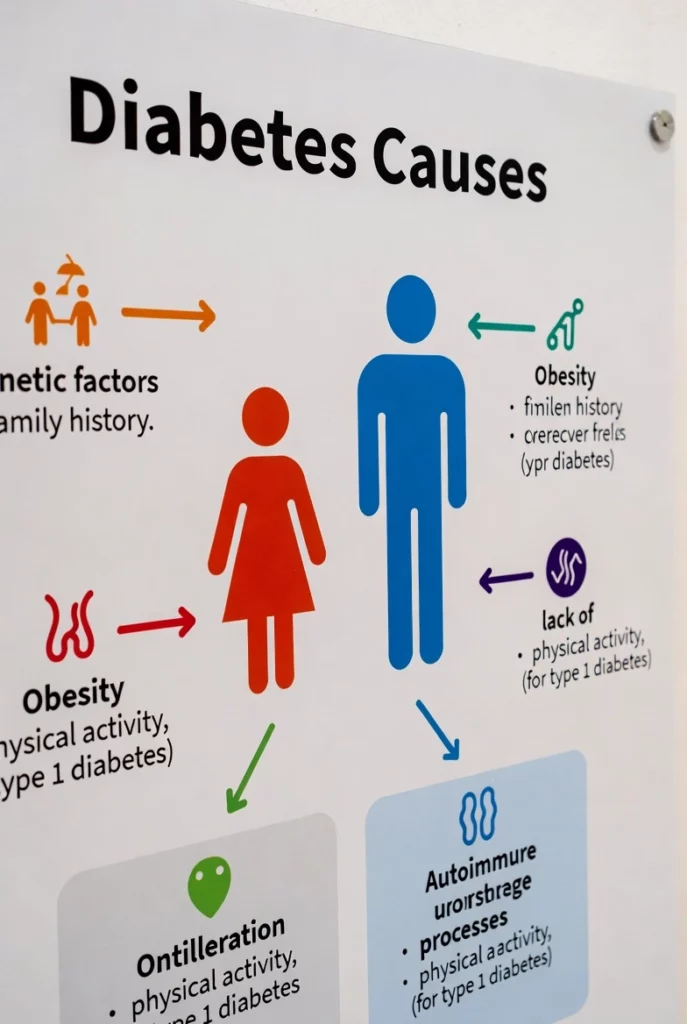
In the past, we mostly saw Type 1 in kids. This led to the old name “juvenile diabetes”; however, we are now seeing more cases of Type 2 in younger people. So, what causes diabetes in children today? For Type 1, the causes remain genetic and autoimmune. It often peaks during puberty due to hormone shifts.
Regarding what causes diabetes in kids of the Type 2 variety, the answer is usually weight and inactivity. Childhood obesity has risen significantly. Furthermore, teens spend more time on screens and less time playing outside. This makes their bodies more resistant to insulin early in life.
What causes diabetes in toddlers is almost always Type 1. It is heartbreaking for parents to deal with. But with modern tech like pumps and sensors, these kids lead full lives. It is also important to note that what causes type 1 diabetes in children is never the parent’s fault. No amount of “less sugar” would have stopped an autoimmune attack.
What Causes Diabetes During Pregnancy?
This condition is known as gestational diabetes. If you are wondering what causes diabetes in pregnancy, look at the placenta. The placenta grows to support the baby. While doing this, it produces hormones that help the baby grow. Unfortunately, these hormones also cause insulin resistance in the mother.
Most women’s bodies can handle this by making more insulin. But for some, the pancreas can’t keep up. This is what causes gestational diabetes in about 10% of US pregnancies. It usually happens around the 24th week. That is why doctors test you during the second trimester. What causes gestational diabetes and pregnancy risks? Also, if you’ve had it before, you’re likely to have it again. The good news is that it usually goes away after birth. However, it does increase your risk for Type 2 later in life.
What Causes Diabetes in Adults and Men?
We’ve touched on the general causes, but what causes diabetes in adults specifically? Men are actually more likely to be diagnosed at a lower weight than women. This is because men tend to store more “visceral” fat. This is the deep fat around the organs. So, what causes diabetes in men to be so common? Testosterone levels might play a role. Low testosterone is linked to higher insulin resistance. Additionally, men are often less likely to visit the doctor for early warning signs. This allows the condition to progress further before treatment starts.
In women, PCOS (Polycystic Ovary Syndrome) is a major driver. This hormonal disorder is closely tied to insulin issues. Regardless of gender, stress also plays a hidden role. Stress hormones like cortisol tell the liver to dump sugar into the blood. If you are chronically stressed, your blood sugar stays high.
Does Eating Too Much Sugar Cause Diabetes?
Many people ask me, “Doessugar cause diabetes directly?” The answer is actually quite nuanced. Eating sugar does not instantly cause the disease. However, it plays a major role in the risk factors. First of all, sugary drinks like soda lead to weight gain. This weight gain is what causes diabetes mellitus in many cases. When you drink liquid sugar, your blood glucose spikes. Consequently, your pancreas must pump out massive amounts of insulin.
Furthermore, high sugar intake can lead to fatty liver disease. A fatty liver makes your body more resistant to insulin. This is a primary driver of Type 2. So, while a single cookie won’t do it, a high-sugar diet is what causes diabetes symptoms to eventually emerge. Another factor is the type of sugar. Refined sugars and high-fructose corn syrup are the most problematic. Natural sugars in fruit are usually fine. The fiber in fruit slows down the sugar absorption. To summarize, sugar is a contributor, but not the sole cause.
What Foods Should Diabetics Avoid?
If you are worried about what food causes diabetes, you should look at your plate. Certain foods put a heavy “tax” on your pancreas. In addition, ultra-processed foods are often hidden sources of sugar. What foods should diabetics avoid to stay safe? I always tell my patients to watch out for the “White Three.” These are white bread, white rice, and white pasta. These foods have a high glycemic index. This means they turn into sugar very quickly in your blood. A good breakfast for diabetics is very essential to maintain daily lifestyle.
Fried foods are another risk. They contain trans fats that increase inflammation. This inflammation is a sneaky factor in what causes diabetes in adults. Furthermore, sugary breakfast cereals are often the worst way to start your day. They cause a massive sugar crash later.
I often see patients who think fruit juice is healthy. It seems like a good choice. However, juice lacks the fiber found in whole fruit. Consequently, it acts just like soda in your body. In addition, you should limit processed meats. Deli meats and bacon are linked to higher insulin resistance. Instead, focus on leafy greens and lean proteins. These foods help stabilize your energy. They don’t force your pancreas to work overtime. Changing your diet is the best way to address what causes pre-diabetes before it progresses.
What Causes Diabetes Insipidus?
It is important to clear up a common confusion. What causes diabetes insipidus is entirely different from blood sugar. This condition involves how your kidneys handle fluids. There are two main types. Central diabetes insipidus is caused by a lack of ADH. This is a hormone from the brain. Nephrogenic diabetes insipidus happens when the kidneys don’t respond to that hormone.
Consequently, you produce huge amounts of very pale urine. You might also notice what causes diabetes insipidus in dogs. It usually presents as extreme thirst that never goes away. It has nothing to do with insulin or sugar. However, it is a serious medical issue that needs a specialist.
What Causes Blood Sugar Problems Without Diabetes?
Sometimes, your numbers might look “off” even if you aren’t diabetic. So, what causes low blood sugar without diabetes? This is often called reactive hypoglycemia.
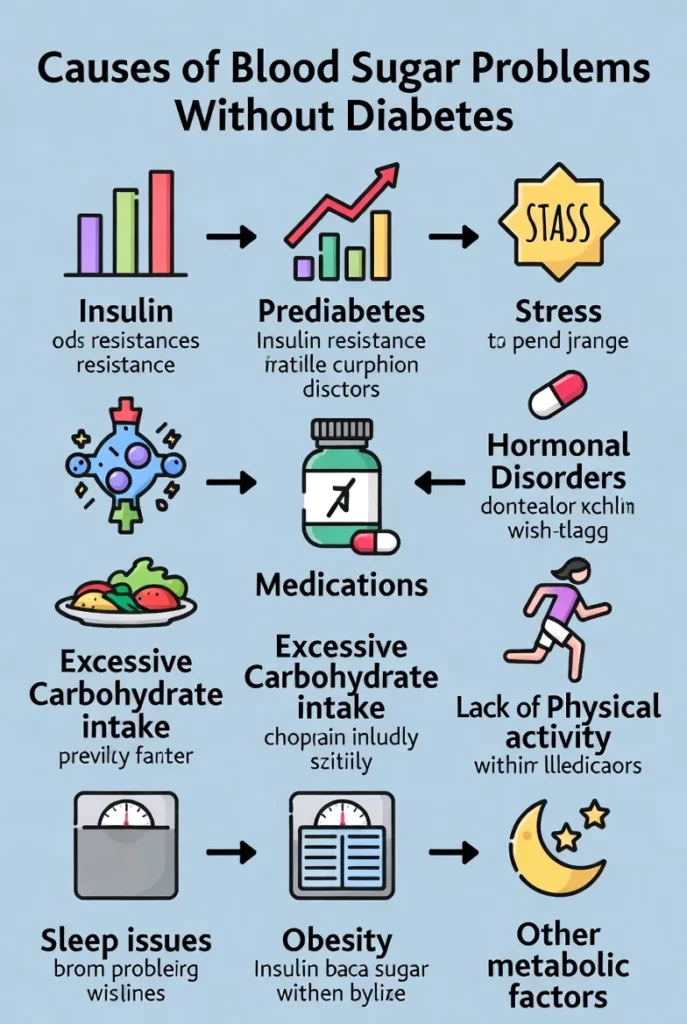
It happens when your body releases too much insulin after a meal. This makes your sugar drop too low. In addition, some medications can cause this. Drinking alcohol on an empty stomach is another common trigger.
On the flip side, what causes high blood sugar without diabetes? Physical stress is a big one. If you have a major infection, your body releases cortisol. This hormone raises blood sugar to give you “fight or flight” energy. Consequently, your labs might look scary even if your pancreas is healthy.
12 Warning Signs of Diabetes
Knowing the symptoms of diabetes can save your life. Many people ignore the early signs of diabetes because they seem minor. I once saw a patient who thought his dry mouth was just due to the weather. It turns out his sugar was over 400.
Here are the 12 warning signs of diabetes you must watch for:
- Frequent Urination: Do you wake up multiple times at night to go?
- Excessive Thirst: Does it feel like you can never drink enough water?
- Unexplained Fatigue: Are you exhausted even after a full night’s sleep?
- Blurred Vision: Does your sight seem to “flicker” or change during the day?
- Slow Healing: Do small cuts or bruises take weeks to disappear?
- Frequent Infections: Are you dealing with constant yeast infections or skin issues?
- Unexplained Weight Loss: Are you losing weight without trying? (Common in Type 1).
- Increased Hunger: Do you feel starved right after eating a meal?
- Tingling or Numbness: Do your hands or feet feel like “pins and needles”?
- Dark Skin Patches: Do you have velvety dark skin around your neck or armpits?
- Dry Mouth: Does your mouth feel like it’s full of cotton?
- Irritability: Do you find yourself getting angry or moody for no reason?
These are often the 10 warning signs of diabetes people notice first. If you have more than two of these, please see a doctor. A simple A1C test can give you answers.
How to Prevent Diabetes
The good news is that you have power. Knowing how to prevent diabetes starts with small choices. First of all, aim for 150 minutes of movement a week. This sounds like a lot, but it is just 20 minutes a day.
Furthermore, focus on “whole” foods. Avoid things that come in a box or a bag. In addition, weight loss makes a massive difference. Even losing 5% to 7% of your body weight can slash your risk. Finally, get enough sleep. Poor sleep disrupts the hormones that control hunger and insulin. To summarize, your daily habits are your best defense against metabolic disease.
When to See a Doctor
If you are worried about what causes diabetes, don’t wait for a crisis. You should see a professional if you have a family history. Also, get checked if you are over age 35 and have a high BMI. Early detection is the key to preventing complications. Your doctor will likely run a fasting glucose test. They might also check your A1C. These tests are quick and covered by most insurance.
Don’t let fear keep you away. Most of the time, we can manage the condition with simple steps. Taking action now protects your heart, eyes, and kidneys for the future.
Frequently Asked Questions
What is the major cause of diabetes?
The major cause is a failure of insulin. In Type 1, the body stops making it. In Type 2, the cells become resistant to it. Genetics and lifestyle factors usually trigger these failures.
Does eating sugar cause diabetes?
Sugar does not cause it directly. However, it leads to obesity and insulin resistance. These are the primary drivers of Type 2. Sugary drinks are particularly risky.
What foods cause diabetes?
No single food “causes” it. But diets high in refined carbs and trans fats increase your risk. Ultra-processed foods and sugary beverages are the most problematic.
What are 10 warning signs of diabetes?
The top signs include thirst, frequent urination, fatigue, and blurred vision. You might also notice slow healing, hunger, and tingling in your feet.
What causes diabetes in adults?
In adults, it is usually caused by a mix of aging, weight gain, and lack of exercise. Genes also play a large role. Stress and poor sleep can make it worse.
Conclusion: Taking Control of Your Metabolic Health
In the final analysis, understanding what causes diabetes is your best weapon for a healthy future. It isn’t just a list of complex medical terms. Instead, it is about learning how your body’s fuel system works. Knowledge truly is power in this journey.
First of all, remember that Type 1 is an autoimmune challenge. It is not something you can prevent with a “perfect” diet. However, for Type 2 and prediabetes, your daily habits are vital. Your choices can slow or even stop the disease’s progress.
I often tell my patients that their genes load the gun, but lifestyle pulls the trigger. This means you have a massive say in your own outcome. As a result, small and consistent steps lead to big health wins over time.