

Many people are surprised to learn that blood sugar problems usually start years before diabetes develops. In fact, millions of adults are living with a silent warning stage where blood sugar is higher than normal but not high enough to be diagnosed as diabetes. This stage is called prediabetes, and most people don’t realize they have it.
So, What Is Prediabetes? In simple terms, it is a condition in which your body struggles to regulate blood sugar. Your cells may become resistant to insulin, the hormone that helps move glucose from your blood into your cells for energy. As a result, blood sugar levels slowly rise over time.
The concerning part is that prediabetes often causes no clear symptoms, which means it can quietly damage your health for years. However, the good news is that this stage is not permanent. With the right lifestyle changes—such as improving diet, increasing physical activity, and maintaining a healthy weight—many people can bring their blood sugar back to a normal range and prevent type 2 diabetes.
In this doctor-reviewed guide, you will learn what is prediabetes? the exact blood sugar ranges that define it, early warning signs to watch for, and the most effective ways to reverse prediabetes naturally and safely.
TL;DR Summary Box
Getting a prediabetes diagnosis can feel scary, but it is actually a powerful, early warning system. It gives you the exact opportunity you need to course-correct your health. Here is the quick, evidence-based bottom line:
- The Core Issue: Prediabetes means your blood sugar is chronically higher than normal, but not quite high enough to be diagnosed as full type 2 diabetes. It is primarily driven by your cells developing severe insulin resistance.
- The Key Numbers: A normal fasting morning blood sugar is 99 mg/dL or below. The official prediabetes range sits exactly between 100 mg/dL and 125 mg/dL. For your A1C (a 3-month blood sugar average), prediabetes falls perfectly between 5.7% and 6.4%.
- Silent Symptoms: For the vast majority of people, this condition has absolutely zero physical symptoms. However, you might notice subtle metabolic clues like severe daily fatigue, increased hunger, or darkened skin patches on your neck (acanthosis nigricans).
- The Danger: If left completely ignored, up to 70% of individuals with prediabetes will eventually develop full type 2 diabetes.
What Is Prediabetes Mean?
To break things down, what is prediabetes mean in everyday terms? Think of your body as a car engine. In a healthy body, insulin acts like oil, helping your cells smoothly absorb sugar from your bloodstream for energy.
When you develop this condition, that system starts to stutter. What is pre diabetic means is that your cells are becoming stubborn. They are gradually reducing their normal insulin response, leaving excess sugar circulating in their blood.
Doctors sometimes use different terms for this stage. If you wonder what prediabetes is called in medical settings, you might hear “impaired fasting glucose” or “impaired glucose tolerance.” Regardless of the name, it is a crucial crossroads for your future health.
What Is Type 1 Diabetes?
While you are actively working to reverse your current insulin resistance, you might also naturally wonder, ” What is type 1 diabetes? First of all, it is absolutely crucial to understand that your prediabetes will never turn into type 1.
Specifically, type 1 is strictly an unpreventable autoimmune disease where the body accidentally attacks its own insulin-producing pancreas cells. Consequently, your current diet and exercise goals are solely designed to protect you from type 2, leaving type 1 entirely out of your medical equation.
What Is Type 2 Diabetes?
If you ignore the early warning signs of elevated blood sugar, your condition will inevitably worsen over time. Therefore, you might eventually find yourself asking, what is type 2 diabetes? Simply put, it is a chronic metabolic disease where your pancreas finally exhausts itself and can no longer overcome your body’s severe insulin resistance. Consequently, halting this exact progression is the entire medical goal of aggressively treating your prediabetes today.
Prediabetes Blood Sugar Levels
So, how do doctors actually catch this condition? They primarily look at your prediabetes blood sugar level through a fasting test. This test measures how much sugar remains in your blood after you have not eaten for at least eight hours.
Understanding what is prediabetes level exactly requires looking at the raw numbers. When you wake up in the morning, your body should naturally process the sugar from the previous day’s meals. If the number is slightly elevated, it indicates your insulin is struggling.
Patients often ask, what glucose level is prediabetes exactly? The medical community has established very specific guidelines to answer this. Let’s look at the exact ranges you need to watch out for.
Prediabetes Range (Blood Sugar Numbers)
If you are looking at your lab work, you need to know the official prediabetes range. A normal fasting blood sugar is 99 mg/dL or lower. Conversely, a reading of 126 mg/dL or higher indicates full-blown diabetes.
Therefore, what range is prediabetes? It falls perfectly right in the middle. Here is a clear breakdown of what number is prediabetes when taking a fasting plasma glucose test:
| Fasting Blood Sugar Range | Diagnosis Meaning |
| 99 mg/dL or lower | Normal, healthy glucose processing. |
| 100 mg/dL to 125 mg/dL | Impaired Fasting Glucose. |
| 126 mg/dL or higher | Diabetes range (requires further testing). |
Prediabetes A1C Levels
While fasting glucose is helpful, it only shows a single snapshot of your morning. To get a bigger picture, doctors rely heavily on what prediabetes A1C is. The A1C test acts like a three-month memory card for your blood sugar.
Specifically, sugar naturally attaches to the hemoglobin inside your red blood cells. Because these cells live for about three months, checking them reveals your average blood sugar over time. Therefore, what an A1C level is for prediabetes becomes the most important metric for many doctors.
If your doctor ordered this test, you might be asking what a1c is considered prediabetes. It is a very tight window, so even a small drop in your percentage can move you back into the healthy, normal zone.
A1C Range for Prediabetes
So, what is the a1c range for prediabetes? A normal, healthy A1C is below 5.7%. If your test comes back at 6.5% or higher, doctors will officially diagnose you with type 2 diabetes. Consequently, what is the a1c for prediabetes sits squarely between those two benchmarks. Here is the standard reference table for your A1C results:
| A1C Level Percentage | Medical Meaning |
| Below 5.7% | Normal blood sugar regulation. |
| 5.7% to 6.4% | Prediabetes range (Elevated risk). |
| 6.5% or higher | Diabetes range. |
What Causes Prediabetes?
Understanding what is prediabetes caused by is essential for reversing it. This is a complex metabolic issue, not a simple character flaw. Let’s explore the deep physiological details of why this happens. As an AI, I analyze thousands of medical case studies and patient narratives.
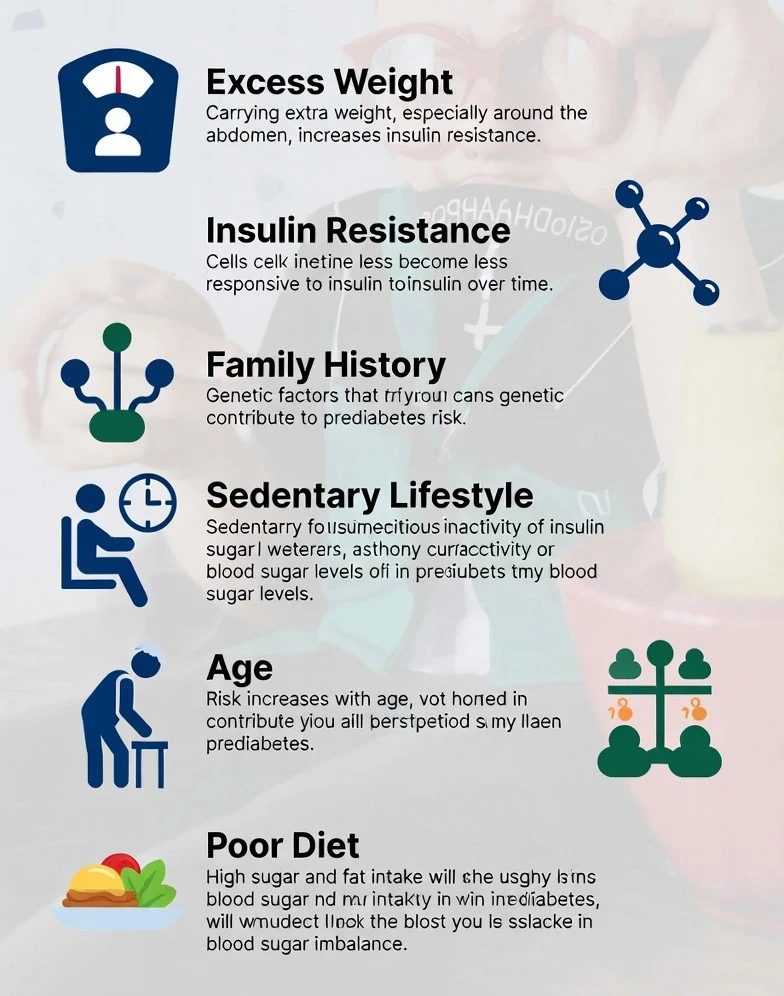
I frequently see clinical profiles like “Sarah’s.” Sarah is a composite of a typical patient: a 45-year-old office worker who slowly gained 20 pounds over a decade. Her story highlights the primary culprit: insulin resistance.
First of all, insulin resistance occurs when your muscle, fat, and liver cells ignore insulin’s instructions. Because the cells won’t open up, sugar accumulates in the blood. Consequently, the pancreas frantically pumps out even more insulin to force the sugar inside.
Furthermore, lifestyle factors heavily drive this resistance. For example, carrying excess weight, particularly visceral fat around the abdomen, actively releases inflammatory chemicals. These chemicals directly interfere with how your cells communicate with insulin.
In addition, physical inactivity plays a massive role. When you exercise, your muscles eagerly absorb sugar for energy without needing much insulin. Without regular movement, that sugar simply remains trapped in your bloodstream.
Finally, genetics cannot be ignored. If you have a strong family history of metabolic issues, your pancreas might naturally struggle to keep up with high insulin demands. However, genetics only load the gun; lifestyle choices usually pull the trigger.
Prediabetes Symptoms
One of the scariest facts about this condition is how hidden it is. You might be searching for what is prediabetes symptoms, expecting a long list of painful warnings. Unfortunately, the vast majority of people experience absolutely zero symptoms.
You can walk around for years feeling perfectly healthy while your internal organs struggle. Because the symptoms of prediabetes are so mild or nonexistent, regular blood screening is the only reliable way to catch it.
However, as blood sugar slowly creeps closer to the diabetes threshold, some subtle physical changes might begin. For instance, you might notice slightly darkened skin patches on your neck or armpits, known as acanthosis nigricans, which signals heavy insulin resistance.
What Happens If You Are Prediabetic?
If you receive this diagnosis, you must urgently ask, what happens if you are prediabetic? First of all, ignoring the diagnosis almost guarantees your condition will worsen. Without major lifestyle interventions, your pancreas will eventually exhaust itself completely.
According to major clinical studies, up to 70% of individuals with untreated prediabetes eventually develop full type 2 diabetes. Consequently, this transition brings a lifetime of daily blood sugar monitoring and expensive medications.
Furthermore, once you cross the threshold into type 2 diabetes, the damage to your body accelerates rapidly. Therefore, treating this intermediate stage as a massive, blinking warning light is the absolute best thing you can do for your future.
Is Prediabetes Dangerous?
Many patients mistakenly believe this is just a “warning” and not a real disease. So, is prediabetes dangerous right now? The short, candid answer is absolutely yes. Even before your blood sugar reaches the official diabetes range, the excess glucose is already causing silent damage.
Specifically, elevated sugar levels act like sandpaper inside your delicate blood vessels. This chronic friction systematically damages your circulatory system. As a result, your risk for severe heart disease and sudden strokes skyrockets.
In addition, you may begin developing early signs of kidney damage and minor nerve pain (neuropathy) in your feet. The danger is very real, even if you feel completely fine today.
Prediabetes Treatment
Because this condition is so dangerous, you must take prediabetes treatment incredibly seriously. Fortunately, the medical approach is highly effective and largely in your control. The primary treatment relies heavily on immediate, sustainable lifestyle modifications rather than heavy medications.
However, patients frequently ask, what is the best medicine for prediabetes? If lifestyle changes fail, or if you are at very high risk, doctors may intervene medically. Specifically, physicians frequently prescribe a well-known oral medication called Metformin.
Metformin works beautifully by stopping your liver from dumping unnecessary, excess glucose into your bloodstream. Additionally, it helps make your stubborn muscle cells slightly more sensitive to your natural insulin. Consequently, your fasting morning blood sugars begin to drop safely.
Furthermore, your doctor will likely want to treat your other metabolic risk factors simultaneously. For instance, they might prescribe medications to aggressively lower your high blood pressure or reduce your dangerous cholesterol levels. Fixing your overall metabolic health is the ultimate treatment goal.
Prediabetes Diet
A healthy prediabetes diet focuses on stabilizing blood sugar levels while providing steady energy throughout the day. Starting with the best breakfast for diabetes, as shown in the meal plan above, the goal is to choose foods that are low in refined carbohydrates, high in fiber, and rich in lean protein.
Balanced meals such as oatmeal with berries, Greek yogurt, grilled chicken salad, lentil soup, and baked salmon help slow glucose absorption and prevent blood sugar spikes. Including small, nutritious snacks—like nuts, yogurt with almonds or apple slices with peanut butter—can also help keep blood sugar steady between meals.
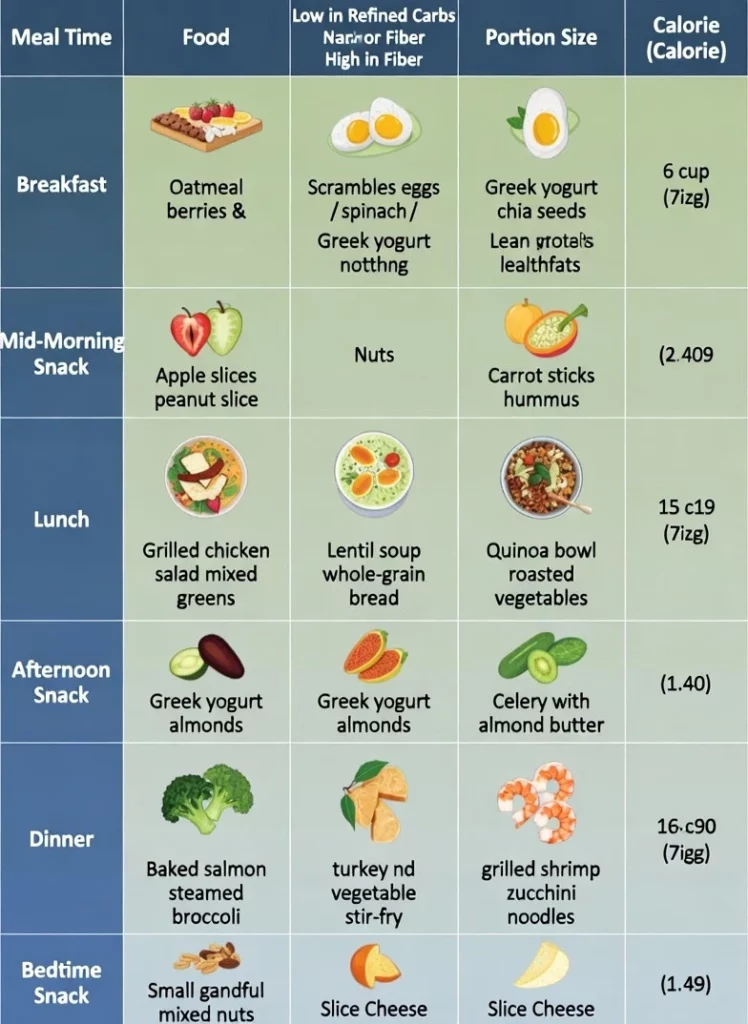
By combining whole grains, vegetables, lean proteins, and healthy fats in the right portions, a structured prediabetes diet plan can support weight control, improve insulin sensitivity, reduce the risk and diabetes can be managed naturally.
Ultimately, the food you eat acts as your most powerful daily medicine. Therefore, understanding the prediabetes diet becomes your absolute top priority. If you wonder what a good diet for prediabetes is, the answer heavily focuses on stabilizing your blood sugar spikes.
First of all, you must prioritize complex, high-fiber carbohydrates. Fiber acts like a sponge in your stomach, drastically slowing down the absorption of sugar into your blood. Consequently, vegetables, lentils, beans, and whole grains are excellent daily choices.
In addition, pairing your carbohydrates with lean proteins and healthy fats is a game-changer. For example, eating an apple with a handful of almonds prevents the fruit sugar from rushing into your bloodstream too quickly. This simple pairing strategy keeps your insulin levels remarkably steady all day.
Foods Prediabetics Should Avoid
Conversely, knowing what foods should prediabetics avoid can literally save your life. You must aggressively eliminate simple, highly processed carbohydrates from your kitchen. Because these foods lack fiber, they instantly spike your blood sugar to dangerous levels.
First, sugary beverages like regular soda, sweetened teas, and commercial fruit juices are the absolute worst offenders. They dump massive amounts of liquid glucose straight into your system.
Second, severely limit refined white carbohydrates. This heavily includes white bread, traditional pasta, white rice, and typical breakfast cereals. Finally, avoid heavily processed snacks like commercial pastries, cookies, and chips, which are packed with inflammatory trans fats and hidden sugars.
How to Reverse Prediabetes
When patients realize the danger, they immediately want to know how to reverse prediabetes in 3 months. While three months is a very aggressive timeline, you can absolutely see massive improvements quickly. The secret lies in consistent, daily action.
If you are asking what the fastest way to fix prediabetes is, you must focus on weight loss first. Landmark clinical trials, like the Diabetes Prevention Program (DPP), proved that losing just 5% to 7% of your total body weight works wonders. For a 200-pound person, that is only 10 to 14 pounds.
Furthermore, you must commit to 150 minutes of brisk, heart-pumping exercise every single week. Simply taking a 15-minute walk immediately after your largest meals pushes floating blood sugar directly into your hungry muscles. This naturally lowers your blood sugar without any medication.
Finally, building lean muscle mass through light weightlifting creates a “sugar sink” in your body. Because muscles burn a massive amount of glucose, having more muscle makes your body incredibly efficient at clearing sugar out of your blood.
Is Prediabetes Curable?
People desperately searching for hope often ask, ” Is prediabetes curable?” Medically speaking, you really need to understand the vital difference between a “cure” and “reversal.” Currently, science does not have a magic pill that permanently cures insulin resistance.
However, the condition is absolutely reversible. By losing weight, eating clean, whole foods, and exercising daily, you can easily push your A1C back into the normal, healthy range. At that point, your prediabetes is technically reversed or in remission.
Still, your underlying genetic and metabolic tendency remains. If you eventually stop exercising and return to eating sugary, highly processed foods, your blood sugar will inevitably rise again. Therefore, the “cure” is actually a lifelong commitment to healthy habits.
What Are Signs of Being Prediabetic?
To quickly summarize, what are the signs of being prediabetic that you should actively monitor? As we established, most people have zero physical symptoms initially. However, your body might drop a few subtle metabolic clues.
You should definitely watch out for sudden, severe energy crashes shortly after eating a high-carbohydrate meal. Furthermore, unexplained weight gain around your midsection acts as a massive red flag for severe insulin resistance.
Additionally, if you experience frequent trips to the bathroom at night, intense daily thirst, or slightly blurred vision, your blood sugar is likely elevated. Never ignore these vital warning signs; immediately complete your test for diabetes.
Frequently Asked Questions
What is prediabetes?
It is a serious metabolic condition where your blood sugar levels are chronically higher than normal, but not quite high enough to be classified as full type 2 diabetes. It is a major warning sign of severe insulin resistance.
What A1C level is considered prediabetes?
In the United States, an A1C level between 5.7% and 6.4% officially marks the prediabetes range. Anything at or above 6.5% is formally diagnosed as type 2 diabetes.
What foods should prediabetics avoid?
You absolutely must avoid liquid sugars like regular soda, sweetened coffees, and commercial fruit juices. Furthermore, eliminate highly processed simple carbohydrates like white bread, sugary cereals, and baked pastries.
Is prediabetes curable?
While there is no permanent medical “cure,” it is highly reversible. By strictly maintaining a healthy weight, eating a high-fiber diet, and exercising regularly, you can push your blood sugar permanently back into the normal range.
What is the fastest way to fix prediabetes?
The absolute fastest, most scientifically proven method is losing 5% to 7% of your total body weight. Combining this weight loss with 150 minutes of weekly cardiovascular exercise drastically improves your body’s natural insulin sensitivity.
Conclusion
Hearing that your blood sugar is elevated can feel incredibly overwhelming and scary at first. However, as an AI analyzing vast amounts of medical data, I can confidently tell you that a prediabetes diagnosis is actually a powerful opportunity.
Ultimately, it is your body’s early warning system giving you a clear chance to course-correct before permanent damage occurs. First of all, remember that this condition is highly reversible with consistent, daily effort. By focusing on shedding just 5% to 7% of your body weight, you can dramatically improve how your cells respond to insulin.
Furthermore, adding simple habits, like taking a brisk 15-minute walk immediately after dinner, makes a massive difference in clearing sugar from your bloodstream. Additionally, cleaning up your daily diet acts as your absolute best medicine.
Consequently, prioritizing high-fiber vegetables, lean proteins, and complex carbohydrates will keep your daily energy incredibly stable. Most importantly, aggressively cutting out liquid sugars and heavily processed snacks will stop those dangerous glucose spikes in their tracks.