
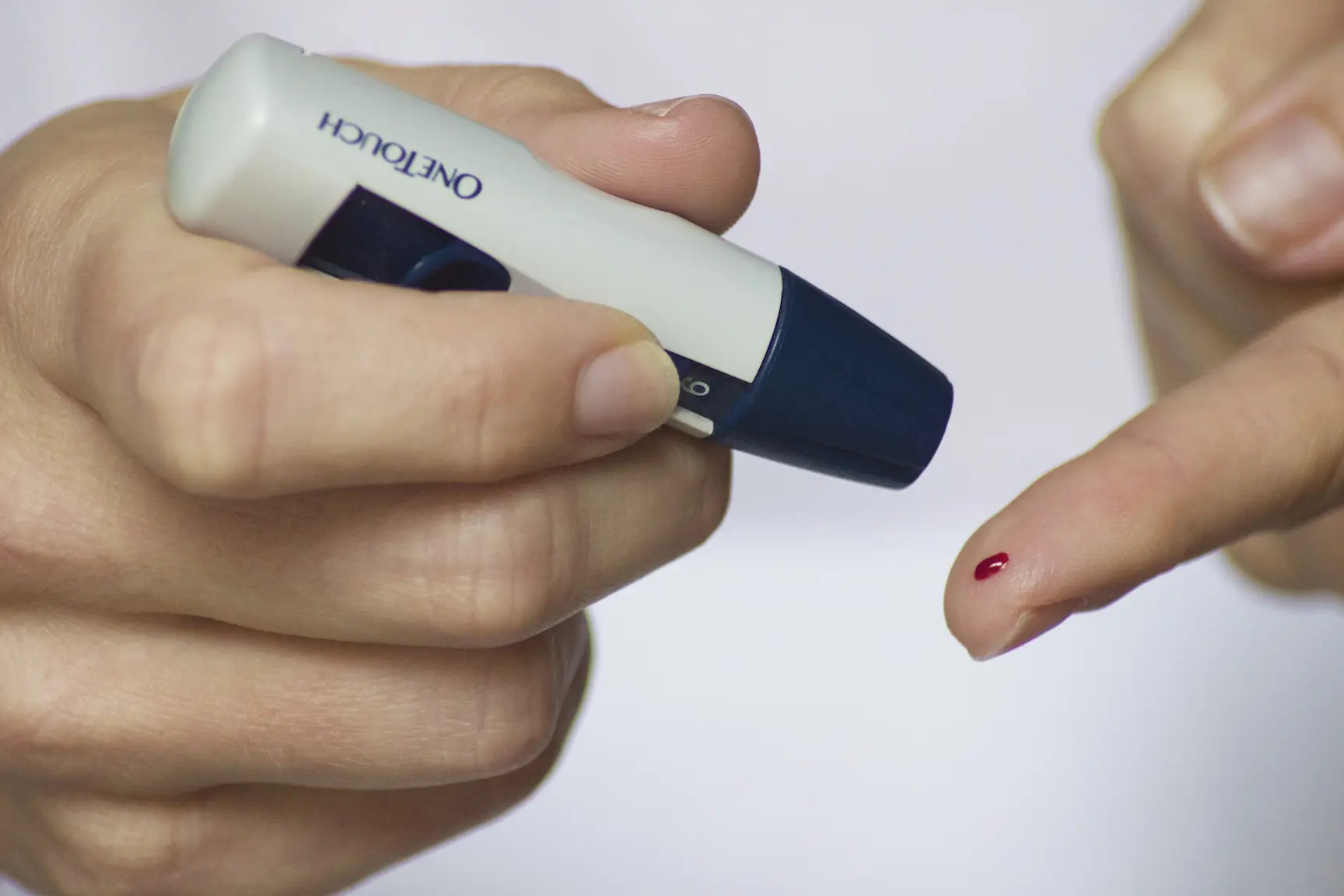
Identifying type 1 diabetes symptoms early can be a life-saving skill. Unlike other forms of metabolic conditions that develop slowly over many years, this specific autoimmune disorder often strikes with sudden and aggressive force.
For parents, caregivers, and adults, understanding the subtle shifts in energy, thirst, and behavior is the first line of defense against serious medical complications. Because the body stops producing insulin entirely, blood glucose levels rise, leading to a state of internal starvation.
If these type 1 diabetes symptoms are missed, the body begins breaking down fat for fuel at a dangerous rate, which can lead to a medical emergency. Awareness is not just helpful; it is essential for a safe diagnosis.
Type 1 diabetes symptoms often develop quickly and include excessive thirst, frequent urination, unexplained weight loss, fatigue, and blurred vision. In children, signs may also include irritability and bedwetting. Early diagnosis is critical to prevent serious complications like diabetic ketoacidosis (DKA).
What Is Type 1 Diabetes?
To understand the symptoms, one must first ask, what is diabetes? and what is type 1 diabetes? It is an autoimmune condition where the body’s immune system mistakenly attacks and destroys the insulin-producing beta cells in the pancreas.
Without insulin, the “key” that lets sugar into your cells is missing, causing blood sugar to skyrocket while your cells starve for energy. Unlike Type 2, this has nothing to do with diet or lifestyle choices. It is a chronic condition that requires lifelong insulin therapy.
Knowing about type 1 helps reduce the stigma often associated with the diagnosis and directs attention where it belongs: on biological management and early symptom recognition.
What Are the Symptoms of Type 1 Diabetes?
When glucose cannot enter the cells, the body enters a state of crisis. If you are wondering what are the symptoms of type 1 diabetes, they typically revolve around the body’s desperate attempt to flush out excess sugar and find alternative energy sources.
The most common symptomsof type 1 include a cycle of dehydration and exhaustion. Patients often find themselves drinking gallons of water yet remaining thirsty and using the restroom constantly.
This happens because the kidneys are working overtime to filter the sugar out of the blood and into the urine, taking precious body water with it.
Early Warning Signs
The early type 1 diabetes symptoms can be subtle at first, often masquerading as a common cold, a growth spurt, or general stress.
You might also notice a strange, fruity odor on the breath—often compared to Juicy Fruit gum or nail polish remover. This is a sign that the body is producing ketones. Catching these early type 1 diabetes symptoms before they escalate into vomiting or labored breathing is the primary goal of early screening.
Common Symptoms and Signs
These physical markers serve as a loud alarm that the pancreas is no longer functioning.
- Extreme Thirst (Polydipsia): An urgent need to drink fluids constantly.
- Frequent Urination (Polyuria): This includes waking up multiple times a night to use the bathroom.
- Unexplained Weight Loss: Losing weight rapidly despite eating more than usual.
- Extreme Hunger (Polyphagia): Feeling famished because the cells aren’t receiving the glucose they need.
- Blurred Vision: High sugar levels pull fluid from the lenses of the eyes, affecting focus.
When Do Type 1 Diabetes Symptoms Start?
A common question for concerned parents is, “When do type 1 diabetes symptoms start?” In many cases, the symptoms appear over a matter of weeks or even days.
While the autoimmune attack on the pancreas may have been happening silently for months, the physical “crash” only occurs once about 90% of the insulin-producing cells are destroyed. Because of this rapid onset, knowing when symptoms of type 1 diabetes appear is vital.
If you notice a sudden change in bathroom habits or energy levels that wasn’t there two weeks ago, it is time to seek a medical consultation immediately.
Type 1 Diabetes Symptoms in Children
In pediatric cases, type 1 diabetes symptoms in children can be particularly tricky to spot because they often mirror typical childhood behaviors. However, a “bathroom accident” in a child who has been potty-trained for years is a massive red flag for type 1 diabetes symptoms kids might be experiencing.
During a recent interview with a patient’s mother, Sarah, she described how her son’s diagnosis came about. She noticed he was drinking from the bathroom tap because his water bottle wasn’t enough, and he became uncharacteristically moody.
“I thought it was just a phase or the summer heat,” she noted, “but his type 1 diabetes symptoms child presentation was actually a cry for help from his body.”
Symptoms in Toddlers and Babies
It is even harder to identify type 1 diabetes symptoms in toddlers and babies. Since they cannot vocalize their thirst, you must look for physical clues.
A type 1 diabetes toddler symptom indicator is a heavy, soaking diaper that leaks frequently or a sudden, severe diaper rash that won’t heal (caused by yeast thriving on the sugar in the urine).
For type 1 diabetes symptoms in babies, look for extreme lethargy, weakness, or a lack of interest in feeding despite showing signs of dehydration, like a sunken soft spot on the head. If a baby is unusually fussy and has a fruity scent to their breath, medical attention is required.
How Do You Know If Your Child Has Type 1 Diabetes?
If you are asking how you know if your child has type 1 diabetes, the best method is a simple finger-prick blood test at the pediatrician’s office. You should trust your intuition.
If your child is constantly asking for water, losing weight while eating normally, or seems perpetually exhausted, do not wait for a scheduled check-up. These are symptoms of type 1 diabetes in children that are specific and rarely resolve on their own.
Type 1 Diabetes Symptoms in Adults
While often called “juvenile diabetes” in the past, type 1 diabetes symptoms in adults are becoming increasingly recognized. In older patients, the symptoms can be misdiagnosed as Type 2 or even thyroid issues.
Type 1 diabetes symptoms adults face often include profound fatigue that doesn’t improve with rest and sudden changes in vision.
Adults may also experience “brain fog” and a significant drop in athletic performance or physical stamina. Because type 1 diabetes symptoms in adults can develop slightly more slowly than in children (sometimes called LADA), it is often overlooked until the patient is in significant distress.
Late-Onset Type 1 Diabetes Symptoms
Understanding late-onset type 1 diabetes symptoms—also known as adult-onset type 1 diabetes symptoms—is crucial for those in their 30s, 40s, or 50s. Unlike the typical Type 2 profile, these patients are often (but not always) lean and do not have a history of metabolic syndrome.
If you are healthy and active but suddenly find yourself losing weight and feeling parched, it could be a late-onset autoimmune attack.
Symptoms in Women and Teens
Specific type 1 diabetes symptoms in women often include frequent yeast infections or urinary tract infections (UTIs), as sugar-rich urine creates a breeding ground for bacteria and fungi.
In a type 1 diabetic teenage girl, you might see a sudden cessation of menstrual periods or extreme irritability that goes beyond typical teenage mood swings. Teens are also at a higher risk for hiding their symptoms, so caregivers must stay vigilant.
Type 1 Diabetes Symptoms vs Type 2
Distinguishing between the two primary forms of diabetes is vital because the treatments are fundamentally different. While both involve high blood sugar, type 1 diabetes symptoms vs. type 2 differ in their speed of onset and underlying cause.
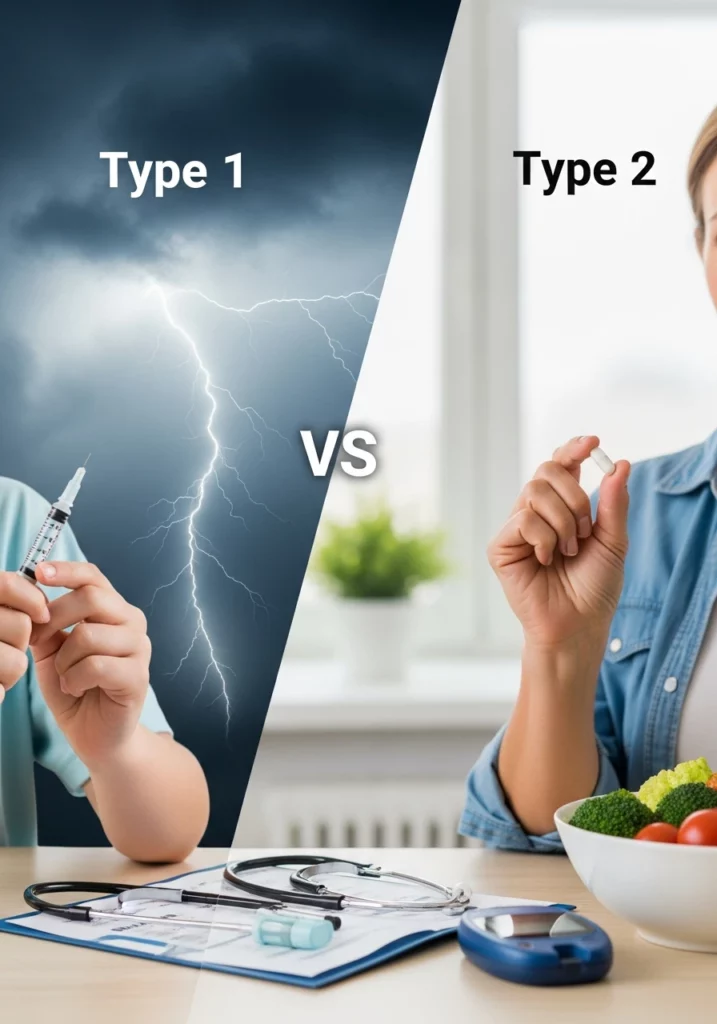
In Type 1, the immune system is the culprit, and symptoms appear like a sudden storm. In type 2 diabetes symptoms, the body becomes resistant to insulin over years, often showing no signs until internal damage has already occurred.
Because Type 2 is often linked to lifestyle, it is frequently managed with pills and diet, whereas Type 1 requires immediate insulin injections to survive.
| Feature | Type 1 Diabetes | Type 2 Diabetes |
| Onset Speed | Rapid (days or weeks) | Gradual (years) |
| Age of Onset | Usually children/young adults | Usually adults (over 45) |
| Body Weight | Often lean or sudden weight loss | Often associated with being heaby |
| Insulin Status | The body produces zero insulin | The body is resistant to insulin |
| Ketones | Common at diagnosis (DKA risk) | Rare at diagnosis |
What Causes Type 1 Diabetes?
When a patient asks what is type 1 diabetes?, and what are the causes, they are looking for a reason. Scientifically, type 1 diabetes causes are not fully understood, but we know it is an autoimmune reaction.
For reasons still being studied, the body’s internal defense system decides that the insulin-producing cells in the pancreas are “invaders” and destroys them.
Genetics play a role, but they aren’t the whole story. Environmental triggers—such as a specific virus or exposure to certain toxins—may “flip the switch” in people who are already genetically predisposed.
It is important to reiterate that what causes type 1 diabetes has nothing to do with how much sugar a person ate or how much they exercised as a child.
How Do You Diagnose Type 1 Diabetes?
The process for how you diagnose type 1 diabetes is straightforward but urgent. If a doctor suspects the condition based on your symptoms, they will perform a series of blood tests. The primary tool is the A1C test, which measures average blood sugar over the past three months.
However, in a sudden-onset case, a random blood glucose test is often more telling; a reading over 200 mg/dL accompanied by symptoms is a strong indicator. Doctors may also test for specific autoantibodies in the blood to confirm the autoimmune nature of the disease and check the urine for ketones.
Type 1 Diabetes Treatment and Management
Modern type 1 diabetes treatment has come a long way since the discovery of insulin in the 1920s. Because the body cannot make its own insulin, the primary type 1 diabetes treatments involve replacing that hormone manually.
This is done through multiple daily injections (MDI) using insulin pens or through an insulin pump, which delivers a steady stream of the hormone through a small catheter under the skin.
Best Way to Manage Type 1 Diabetes
If you are looking for what is the best way to manage type 1 diabetes, the answer is a combination of technology and consistency. Many patients now use a Continuous Glucose Monitor (CGM), a sensor that stays on the arm or abdomen and sends real-time sugar readings to a smartphone.
This allows for proactive adjustments before a “high” or “low” becomes dangerous. Consistency in monitoring and dose timing is the cornerstone of a healthy life with Type 1.
Type 1 Diabetes Diet

There is no such thing as a “forbidden” food, but a type 1 diabetes diet focuses heavily on carbohydrate counting. Because insulin doses are matched to the amount of sugar and starch in a meal, understanding “carb-to-insulin ratios” is a critical skill.
Most specialists recommend a diet rich in fiber, lean proteins, and healthy fats to slow down the absorption of sugar and prevent sharp spikes after eating.
Type 1 Diabetes Complications
If left untreated or poorly managed, type 1 diabetes complications can be severe. Chronic high blood sugar in non-diabetes or type 1 diabetes damages the small blood vessels throughout the body. Over time, this can lead to:
- Retinopathy: Damage to the eyes that can lead to blindness.
- Nephropathy: Kidney damage that may require dialysis.
- Neuropathy: Nerve damage, typically causing tingling or numbness in the feet.
- Heart Disease: Increased risk of stroke and heart attack.
The most immediate and dangerous complication is diabetic ketoacidosis (DKA), a state where the blood becomes acidic due to high ketone levels. DKA is a medical emergency that requires hospitalization.
Low Blood Sugar Symptoms in Type 1 Diabetes
While high sugar is the main concern at diagnosis, low blood sugar symptoms in type 1 diabetes (hypoglycemia) become a daily concern once treatment begins. Taking too much insulin or exercising without enough snacks can cause glucose to drop too low.
Watch for type 1 diabetes symptoms, low blood sugar like sudden shakiness, sweating, irritability, and confusion. Every person with Type 1 should carry “rescue carbs,” such as glucose tablets or juice, to treat these drops immediately.
Symptoms of Type 1 Diabetes: What to Look For
To wrap up, the most important symptoms of type 1 diabetes to look for are the “4 Ts”:
- Thirst: Unquenchable and constant.
- Toilet: Frequent trips, especially at night.
- Tiredness: Profound, bone-deep exhaustion.
- Thinner: Rapid, unexplained weight loss.
If you or a loved one exhibits these signs, do not wait. A simple trip to the doctor for a blood test can change the course of a life.
Frequently Asked Questions
What are the first warning signs of type 1 diabetes?
The most common first signs are excessive thirst and frequent urination. Many people also report a sudden, unexplained weight loss and a strange, fruity odor on their breath, which indicates the body is burning fat for energy.
How do you diagnose type 1 diabetes?
Diagnosis is typically made through blood tests, including a random blood glucose test, a fasting glucose test, or an A1C test. Doctors may also look for autoantibodies in the blood to confirm the immune system is attacking the pancreas.
What causes type 1 diabetes?
Type 1 diabetes is an autoimmune disease. It occurs when the immune system mistakenly destroys insulin-producing cells in the pancreas. It is thought to be caused by a combination of genetic predisposition and environmental triggers like viruses.
What is the best way to manage type 1 diabetes?
The gold standard for management is the use of a continuous glucose monitor (CGM) paired with an insulin pump or pens. Consistently tracking carbohydrate intake and maintaining regular communication with an endocrinologist are also essential.
Can adults get type 1 diabetes?
Yes. While it is often diagnosed in children, “adult-onset” Type 1 diabetes (sometimes called LADA) can occur at any age. It is often misdiagnosed as Type 2 initially, making awareness of the symptoms critical for adults.
Conclusion
Recognizing type 1 diabetes symptoms is the bridge between a dangerous health crisis and a manageable life. Whether it is a child who is suddenly wetting the bed or an adult who can’t seem to drink enough water, these signs are the body’s way of asking for help.
While a diagnosis is life-changing, it is not the end of a healthy, active life. With modern technology and early intervention, individuals with Type 1 can thrive, compete in sports, and achieve their dreams. If you see these signs, act today—early detection is the most powerful tool we have.