
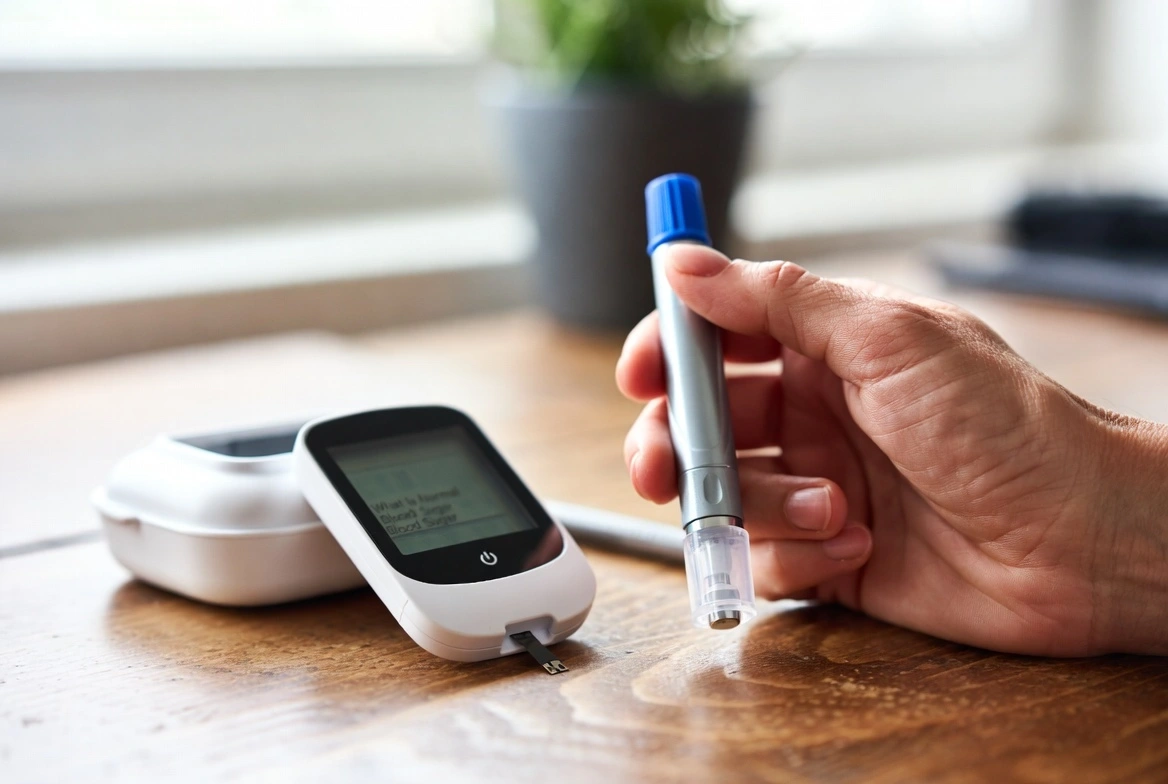
As the global burden of metabolic disorders continues to escalate, understanding Type 2 Diabetes Symptoms has become increasingly important for early identification and prevention. Persistently elevated blood glucose levels often trigger subtle physiological warning signs that can easily go unnoticed.
Many individuals mistakenly attribute these early symptoms to normal aging, fatigue, or everyday stress, delaying timely diagnosis and intervention. Understanding exactly what to look for can be the difference between a simple lifestyle adjustment and severe, irreversible medical complications.
If you are wondering about what is type 2 diabetes? or what are the symptoms of type 2 diabetes, you are taking the vital first step toward protecting your long-term health.
Recognizing type 2 diabetes symptoms early empowers you to seek medical testing before serious damage occurs to your nerves, eyes, and blood vessels.
What Are the Symptoms of Type 2 Diabetes?
When someone asks what are type 2 diabetes symptoms, they are usually looking for a clear, definitive list. However, metabolic symptoms are a direct reflection of how your cells handle energy, and understanding what is insulin is key to making sense of this process.
In a healthy body, insulin acts as a hormone that functions like a key, unlocking cells to let glucose in for fuel. With insulin resistance, your cells stop responding to this key, causing sugar to build up rapidly in your bloodstream.
Your body then attempts to forcefully flush out this toxic excess of sugar through various, often uncomfortable physical mechanisms. Therefore, what are some symptoms of type 2 diabetes?
They are essentially your body’s emergency response systems working overtime. This includes your kidneys working constantly to filter sugar, your brain signaling false hunger because your cells are starving, and your energy levels plummeting.
Early Warning Signs of Type 2 Diabetes
Catching early stage type 2 diabetes symptoms requires paying very close attention to subtle changes in your daily routine. Often, what are the first warning signs of type 2 diabetes are dismissed as minor annoyances. For example, needing to wake up twice a night to use the bathroom is a classic red flag.
To bring some real-world perspective to this, consider an interview conducted for this guide with Dr. Aris, a certified diabetes educator. She noted that her patients almost always miss the very first signs.
“People tell me they just thought they were drinking more water because it was hot out, completely missing that their extreme thirst was actually an early type 2 diabetes symptom,” she explained.
Another incredibly common but overlooked early warning is unexpected fatigue after eating a heavy meal. Instead of feeling energized by food, the intense insulin demand leaves you feeling completely drained and lethargic.
Common Signs and Symptoms of Type 2 Diabetes
When the condition progresses, the signs of type 2 diabetes symptoms become much more pronounced and difficult to ignore. The classic triad of diabetes type 2 symptoms signs involves the three “polys”: polyuria, polydipsia, and polyphagia.

Here is a detailed breakdown of the most common daily symptoms:
- Excessive Thirst (Polydipsia): As your kidneys pull extra water from your tissues to dilute blood sugar, you feel constantly, unquenchably dehydrated.
- Frequent Urination (Polyuria): Your body tries to physically excrete the excess glucose through urine, leading to frequent bathroom trips.
- Extreme Fatigue: Because glucose cannot enter your cells, your muscles and organs are literally starved of their primary energy source.
- Blurred Vision: High blood sugar pulls fluid directly from the lenses of your eyes, changing their shape and making it incredibly hard to focus.
Type 2 Diabetes Symptoms in Women
While the core mechanisms of elevated blood sugar affect everyone, type 2 diabetes symptoms in women can present with unique, gender-specific complications. High blood sugar creates a highly favorable environment for certain types of fungal and bacterial infections to thrive.
As a result, frequent or chronic yeast infections are incredibly common diabetes type 2 symptoms in women. When excess glucose is expelled through urine, it feeds the natural yeast present in the vaginal tract, leading to painful, recurring overgrowth.
Additionally, many women experience severe urinary tract infections (UTIs) that do not easily respond to standard antibiotics. Hormonal imbalances related to insulin resistance, such as Polycystic Ovary Syndrome (PCOS), also frequently co-occur, causing irregular menstrual cycles and unexpected weight gain.
Type 2 Diabetes Symptoms in Men
Just as women experience unique challenges, type 2 diabetes symptoms in men also have distinct physical manifestations. One of the most distressing and frequently underreported signs is sudden or worsening erectile dysfunction (ED).
Chronic high blood sugar heavily damages the delicate autonomic nerves and tiny blood vessels required to achieve and maintain an erection. In fact, for many younger adult males, ED is the very first clinical sign that prompts them to finally get their fasting glucose checked.
Furthermore, men with severe insulin resistance often experience a noticeable loss of muscle mass and strength. Because the body’s tissues cannot properly utilize glucose for fuel, it begins breaking down muscle fibers for emergency energy, leading to unexpected weakness.
Type 2 Diabetes Symptoms in Children and Adults
Historically, metabolic conditions were exclusively associated with older generations, but the landscape has shifted dramatically. When comparing type 2 diabetes symptoms in adults to those in younger populations, the core physiological signs are remarkably similar. However, the speed of onset can differ.
One of the most visually distinctive type 2 diabetes symptoms in children is a condition known as acanthosis nigricans. This presents as darkened, velvety, and thickened patches of skin, usually appearing heavily on the back of the neck or in the armpits. It is a direct, visible marker of severe insulin resistance in youth.
For adults, the onset is typically much slower, often spanning over a decade of gradually worsening fatigue and creeping weight gain. Regardless of age, if a child or an adult begins displaying unquenchable thirst and frequent urination, immediate pediatric or general medical evaluation is absolutely essential.
Uncontrolled Type 2 Diabetes Symptoms
When blood sugar remains elevated for months or years, the disease damages the body’s microscopic blood vessels and nerve endings. Uncontrolled type 2 diabetes symptoms are no longer just warning signs; they are clinical indicators of systemic bodily damage.
One of the most severe complications is diabetic neuropathy, which causes excruciating tingling or complete numbness in the extremities. Because high glucose levels create a toxic environment for blood vessels, the eyes and kidneys are also heavily impacted.
Patients often experience diabetic retinopathy, where damaged blood vessels in the retina cause progressive vision loss or complete blindness. Similarly, the kidneys’ delicate filtering systems degrade, leading to chronic kidney disease or total renal failure.
Specific and Less Common Symptoms
Beyond the classic signs of thirst and urination, many patients experience highly specific, localized issues that are frequently misdiagnosed. For instance, severe type 2 diabetes symptoms leg pain often occurs at night, caused by poor circulation and nerve damage.
This throbbing, burning sensation in the calves and feet can make sleeping nearly impossible. Skin issues are another major indicator of metabolic distress. When looking for a type 2 diabetes symptoms on skin, recurrent fungal infections, extremely dry, itchy patches, or slow-healing blisters are incredibly common.
Another highly visible marker is the appearance of dark, velvety patches of skin, specifically considered neck type 2 diabetes symptoms (acanthosis nigricans). Additionally, many people suffer from a persistent dry mouth type 2 diabetes symptom.
As the body loses fluids through frequent urination, saliva production drops dramatically, increasing the risk of severe dental decay. Furthermore, an intense, increased hunger type 2 diabetes symptom occurs because insulin resistance prevents glucose from entering the cells, leaving your body perpetually starving for energy.
Can You Have Type 2 Diabetes Without Symptoms?
It is entirely possible to live with a heavily impaired metabolism and feel perfectly fine for years. In fact, undiagnosed type 2 diabetes symptoms are often so incredibly mild that patients attribute them to simply aging or working too hard.
Your body slowly adapts to the rising glucose levels, masking the severity of the internal damage. During a recent health screening event, a patient named Robert discovered his fasting blood sugar was over 250 mg/dL.
He was completely shocked, stating he had zero noticeable symptoms and felt entirely healthy. This silent progression is exactly why routine annual blood work is the only definitive way to catch the disease before irreversible organ damage occurs.
Thin Type 2 Diabetes Symptoms
There is a dangerous, widespread misconception that only corpulent individuals develop metabolic conditions. However, thin type 2 diabetes symptoms are a very real, well-documented medical phenomenon often referred to as TOFI (Thin Outside, Fat Inside).
These individuals have a normal Body Mass Index (BMI) but carry dangerous visceral fat directly wrapped around their internal organs. This hidden, internal fat heavily promotes insulin resistance, severely impairing the liver and pancreas.
Thin patients experience the exact same symptoms—thirst, fatigue, and frequent urination—but are frequently misdiagnosed or overlooked by doctors due to their outward appearance. Genetics and family history play a massive role in this specific demographic.
Type 1 vs Type 2 Diabetes Symptoms
While both conditions involve high blood sugar, their origins and symptom onset are drastically different, and understanding what is type 1 diabetes? helps clarify this distinction. Type 1 is an autoimmune disease where the body completely destroys its own insulin-producing cells, whereas Type 2 is driven by cellular insulin resistance.
Understanding type 1 vs type 2 diabetes symptoms helps clarify the urgency of medical treatment.
The onset of type 1 diabetes symptoms is notoriously rapid, aggressive, and life-threatening, often developing over just a few weeks. Conversely, Type 2 develops insidiously over many years. Below is a clear comparison to help you distinguish between the two presentations:
| Feature | Type 1 Symptoms | Type 2 Symptoms |
| Speed of Onset | Very rapid (days to weeks) | Very slow, gradual (months to years) |
| Typical Age | Usually diagnosed in childhood or youth | Usually diagnosed in adults (though rising in youth) |
| Weight Changes | Sudden, severe, unexplained weight loss | Often associated with gradual weight gain |
| Ketone Presence | High risk of dangerous ketones (DKA) | Rare, usually only in extreme, advanced cases |
| Primary Treatment | Immediate, lifelong insulin therapy required | Diet, lifestyle, oral medications, sometimes insulin |
Causes of Type 2 Diabetes
At its core, the primary driver of this condition is cellular insulin resistance. When investigating type 2 diabetes causes, scientists point to a complex breakdown in how muscle, fat, and liver cells respond to insulin.
The pancreas tries to compensate by pumping out massive amounts of extra insulin, but it eventually burns out and fails. The leading diabetes type 2 causes are heavily rooted in a combination of genetic predisposition and environmental lifestyle factors.
A diet extremely high in ultra-processed foods, refined carbohydrates, and sugary drinks directly fuels cellular resistance. Coupled with a sedentary lifestyle, the body loses its natural ability to efficiently burn off circulating glucose.
Risk Factors for Type 2 Diabetes

While you cannot change your genetics, understanding your personal risk profile is the first step in prevention. The most significant causes of diabetes type 2 risk factors include having a first-degree relative (parent or sibling) with the disease.
Your ethnic background also plays a role, with African American, Hispanic, Native American, and Asian populations facing statistically higher risks. Age is another major factor; the risk heavily increases after age 45, though pediatric cases are surging.
Carrying excess weight, particularly dense visceral fat around the abdomen, is the strongest modifiable risk factor. Finally, women who experienced gestational diabetes during pregnancy have a significantly higher chance of developing Type 2 later in life.
What Happens If Type 2 Diabetes Is Left Untreated?
Many newly diagnosed individuals anxiously ask: What happens if you are type 2 diabetic and simply ignore it? The grim reality is that untreated high blood sugar acts like slow-moving acid within your blood vessels.
It systematically destroys the circulatory system, leading to a massive increase in heart attacks and debilitating strokes. Without intervention, the nerve damage (neuropathy) in the lower extremities often leads to severe, non-healing foot ulcers.
In advanced stages, these infected ulcers frequently result in surgical amputations of the toes, feet, or lower legs. Furthermore, the constant strain on the kidneys eventually necessitates lifelong dialysis or a full kidney transplant to survive.
Type 2 Diabetes Treatments
Receiving a diagnosis is not a life sentence; it is an urgent call to action. And with expert monitoring, diabetes can be managed naturally in the early stage. Modern type 2 diabetes treatments are incredibly effective at halting and even reversing the progression of the disease.
The primary goal of any diabetes type 2 treatment plan is to rapidly lower fasting blood glucose and permanently reduce HbA1c levels through a multi-faceted approach. Medical intervention often begins with oral medications designed to force the body to utilize insulin better.
Metformin is globally recognized as the first-line medication; it drastically reduces the amount of glucose your liver produces while improving cellular insulin sensitivity. For many patients, Metformin alone, combined with slight dietary tweaks, is enough to stabilize their numbers completely.
In more advanced cases, doctors frequently prescribe GLP-1 receptor agonists (like Ozempic or Trulicity). These powerful, injectable medications slow down digestion, prevent the liver from dumping excess sugar, and heavily promote sustainable weight loss.
If oral medications and non-insulin injectables fail to control the blood sugar, basal or mealtime insulin therapy becomes a necessary, life-saving addition to the regimen.
Diet and Lifestyle Modifications
Medication alone cannot outpace a poor diet. The foundational pillar of managing this condition relies heavily on a strict diabetes type 2 diet. A clinical dietitian I frequently consult emphasizes that “carbohydrate awareness, not total restriction, is the absolute key to long-term success.”
Patients must shift their focus toward high-fiber, low-glycemic foods that digest slowly, such as leafy greens, lean proteins, and complex whole grains like quinoa or steel-cut oats. Completely eliminating liquid sugars—like sodas, sweetened teas, and fruit juices—is the fastest way to drop elevated blood sugar levels naturally.
Daily physical movement is equally critical. Brisk walking for just 30 minutes a day actively forces your muscles to absorb circulating glucose for energy, bypassing the need for heavy insulin reliance.
Combined with proper sleep hygiene and stress management, these lifestyle shifts can frequently put the condition into full remission.
Is Type 2 Diabetes Hard to Live With?
Upon diagnosis, the sheer volume of new medical information can feel utterly paralyzing. Patients frequently ask: Is type 2 diabetes hard to live with? The honest answer is that the initial transition phase requires significant discipline, strict routine changes, and emotional adjustment.
You must suddenly become hyper-aware of every meal, physical activity, and medication dosage. However, once you establish a solid, predictable routine, managing the condition becomes seamlessly integrated into your daily life.
Millions of people live vibrant, active, and completely normal lives while perfectly managing their blood sugar. With the support of modern continuous glucose monitors (CGMs) and supportive medical teams, the disease is highly manageable and should not limit your potential.
When to See a Doctor
Do not wait for your symptoms to become unbearable before seeking professional medical help. If you notice a sudden, unexplainable increase in your daily thirst, find yourself waking up multiple times at night to urinate, or experience unusual blurred vision, schedule an appointment immediately.
A simple, inexpensive fasting blood glucose test or an A1C blood draw can provide definitive answers in a matter of hours. Early detection is your absolute best weapon against this disease. Catching the condition in the prediabetic stage gives you the incredible opportunity to reverse the insulin resistance entirely before it becomes a permanent, lifelong diagnosis.
Frequently Asked Questions
What are the symptoms of type 2 diabetes?
The most common symptoms include excessive thirst, frequent urination (especially at night), extreme chronic fatigue, unexplained blurred vision, and slow-healing cuts or bruises. Many patients also experience a noticeable increase in hunger and painful tingling or numbness in their hands and feet.
What are the first warning signs of type 2 diabetes?
The earliest warning signs are often incredibly subtle. They usually present as a slight, persistent increase in thirst, waking up once or twice a night to use the bathroom, and feeling unusually lethargic or exhausted immediately after eating a carbohydrate-heavy meal.
What happens if you are type 2 diabetic?
If you are diagnosed, your body can no longer properly use insulin to process sugar, leading to dangerous glucose buildup in your blood. You will need to actively manage your diet, increase daily physical activity, and likely take specialized medications to prevent severe damage to your heart, eyes, and kidneys.
Is type 2 diabetes hard to live with?
The initial adjustment period requires significant dedication to learning new dietary habits and medication routines, which can be stressful. However, once you build a consistent, healthy lifestyle, it becomes highly manageable, allowing you to live a long, active, and completely normal life without major daily disruptions.
Can you have type 2 diabetes without showing any symptoms?
Yes, it is entirely possible to live with type 2 diabetes for years without noticing a single symptom. Because the body slowly adapts to gradually rising blood sugar levels, the early stages are often completely silent.
This hidden progression is exactly why routine annual blood tests are the only reliable way to catch the condition before permanent damage occurs.
Conclusion
Recognizing the subtle, early warning signs of metabolic distress is your absolute best defense against long-term complications. Whether you are experiencing sudden fatigue, unquenchable thirst, or frequent nighttime urination, your body is actively asking for help.
Ignoring these vital signals only allows the underlying insulin resistance to silently damage your vascular system over time. However, receiving a prediabetes or definitive diagnosis is never a reason to panic; rather, it is a crucial turning point.
Modern medicine, combined with powerful lifestyle shifts like a fiber-rich diet and daily exercise, makes this condition highly manageable. Many patients successfully reverse their early-stage insulin resistance entirely, proving that your health is largely in your hands.
Do not wait for severe, irreversible complications to force you into a doctor’s office. If you have a strong family history, carry excess visceral weight, or simply feel that your energy levels are off, schedule a routine fasting blood glucose test immediately.
Taking proactive control of your metabolism today ensures a vibrant, active, and complication-free future.
References:
- Centers for Disease Control and Prevention (CDC) – Type 2 Diabetes
- Mayo Clinic – Type 2 Diabetes Symptoms and Causes
- American Diabetes Association (ADA) – Type 2 Diabetes Overview
- Cleveland Clinic – Type 2 Diabetes
- National Institute of Diabetes and Digestive and Kidney Diseases (NIDDK) – Symptoms & Causes of Diabetes