
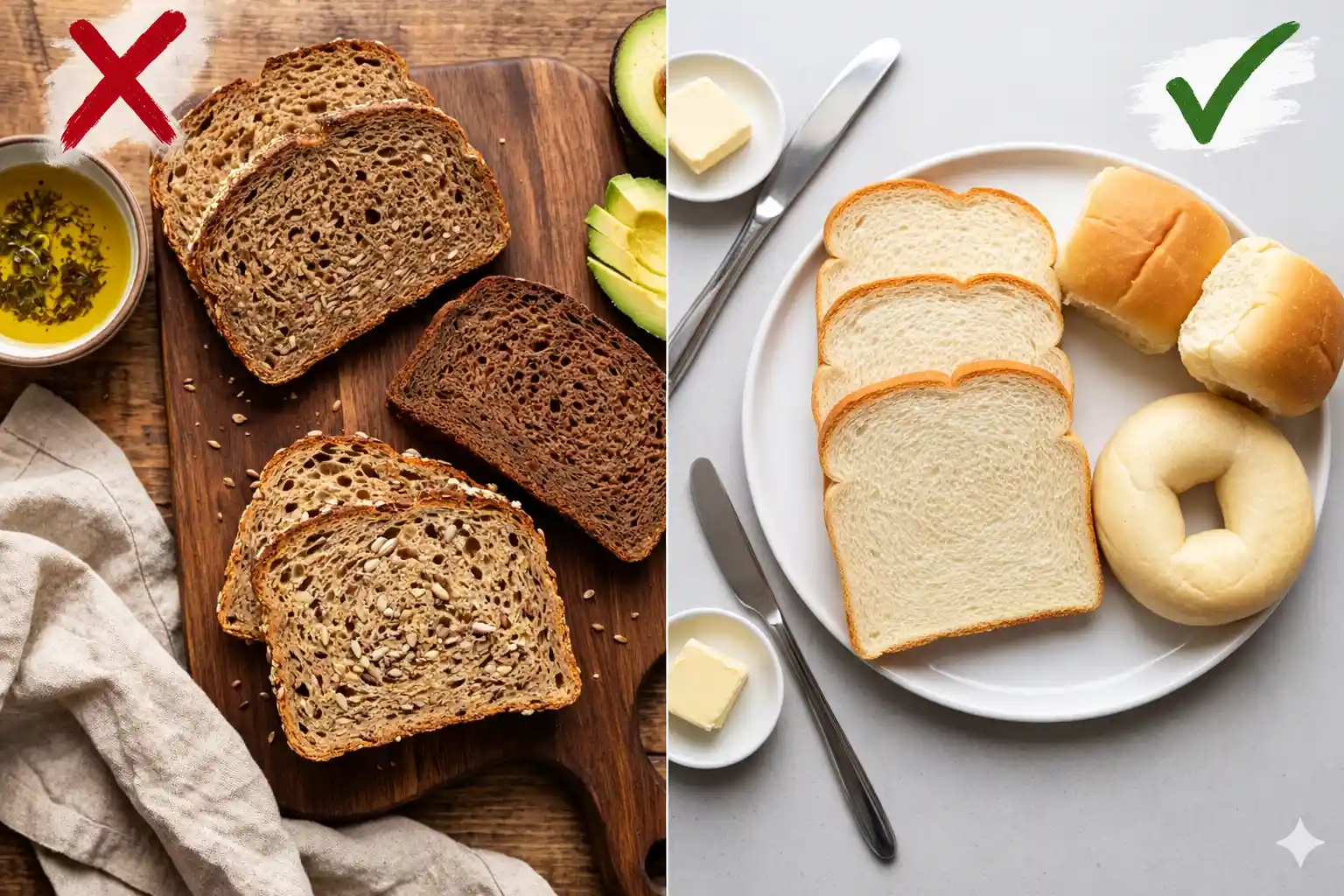
In my clinical practice, I frequently treat patients experiencing severe emotional distress following a new diabetes diagnosis. They often sit in my office, utterly exhausted by the endless dietary rules, and frantically ask, “What kind of bread is best for diabetics?”
Bread holds a deeply comforting, culturally significant place in our daily lives, and the thought of giving it up completely causes immense psychological grief. However, you do not have to banish sandwiches from your life entirely; you simply must learn how to choose the right loaf.
TL;DR Summary
The absolute best bread for diabetics is 100% whole grain, containing at least three grams of dietary fiber per slice and zero added sugar. Minimally processed varieties like dense sourdough and heavy rye breads typically have a significantly lower glycemic impact than highly refined white bread.
Strict portion control is always essential, regardless of the bread type. Always look for the words “100% whole grain” as the very first ingredient on the nutritional label.
Why Bread Affects Blood Sugar
Understanding exactly how your body processes carbohydrates is the foundational key to mastering your daily glucose control. When you consume bread, your digestive system rapidly breaks down those complex starches into simple glucose molecules.
This glucose then immediately floods your bloodstream, aggressively signaling your pancreas to release massive amounts of insulin.
Highly refined white bread is essentially pre-digested during the massive industrial milling process, completely stripping away its protective bran. Consequently, it digests almost instantaneously, causing a violent, rapid spike in your blood sugar. Conversely, whole grains retain their natural, tough fibrous exterior, which physically forces your stomach to work much harder.
This slower, much more difficult digestion process creates a gentle, rolling hill of glucose rather than a terrifying, sheer cliff. Furthermore, individuals battling severe cellular insulin resistance will naturally experience higher, longer-lasting spikes after eating heavily processed starches. Therefore, aggressively prioritizing fiber is the absolute best dietary defense mechanism you possess against sudden hyperglycemia.
Which Bread Is Best for Diabetics?
When desperately scanning the crowded, confusing supermarket aisles, you must look for specific, protective nutritional characteristics. A truly diabetes-friendly loaf acts more like a slow-burning log on a fire than an explosive, highly combustible kindling. Here is a quick ranking of the best daily options for stable metabolic control.
- 100% Whole Grain Bread: Retains the entire, intact grain kernel, providing maximum natural fiber and essential nutrients.
- Sprouted Grain Bread: The natural sprouting process slightly lowers the total carbohydrate count and increases protein availability.
- Traditional Sourdough: Uses wild yeast fermentation, which naturally produces organic acids that actively slow stomach emptying.
- 100% Rye Bread: An incredibly dense, highly satisfying loaf that produces a famously low glycemic response.
- Low-Carb, High-Fiber Breads: Specifically engineered commercial loaves that utilize massive amounts of added seed fiber to replace flour.
Best Bread for Type 2 Diabetes
Type 2 diabetes is primarily characterized by profound, systemic cellular insulin resistance throughout your entire body. Therefore, the best bread for type 2 diabetics must directly address and actively combat this severe metabolic dysfunction. You cannot simply switch from white bread to “wheat” bread and expect miraculous clinical results.
You must aggressively aim for a massive daily fiber intake of roughly 25 to 38 grams. Every single slice of bread you consume must contribute heavily to this critical, daily nutritional goal. Furthermore, strict portion control is absolutely vital; limiting yourself to one single slice per meal is highly recommended.
I recently counseled a patient who was terribly frustrated because her morning toast kept spiking her continuous glucose monitor (CGM). We discovered she was eating two massive slices of “honey wheat” bread, which is essentially just brown-colored white bread. Once she switched to a single slice of dense, sprouted grain bread, her morning spikes completely vanished.
Whole Grain Bread—Why It’s Often the Best Choice
When patients nervously ask, “What is the best whole grain bread for diabetics?” the answer lies in its structural integrity. A true whole grain contains all three original parts: the fibrous bran, the nutrient-dense germ, and the starchy endosperm. This complete, intact package delivers vital magnesium, which actually helps your cells absorb insulin much more efficiently.
Because the tough bran remains completely physically intact, your digestive enzymes struggle significantly to break it down. This physical barrier actively forces the starches to enter your bloodstream at a very slow, highly manageable trickle. Always aggressively verify the packaging; the label must explicitly say “100% whole grain,” not just “made with whole grains.”
Is Sourdough Bread Good for Diabetics?
The intense, recent popularity of artisanal baking has led many patients to ask, is sourdough bread ok for diabetics? The clinical answer is a highly nuanced yes, due to the fascinating biological process of natural fermentation. Wild yeast and bacteria consume many of the simple sugars present in the dough before you even bake it.
Furthermore, this lengthy fermentation process produces powerful organic acids, specifically lactic acid. Lactic acid physically alters the starch structure and actively delays how quickly your stomach empties its contents into your intestines. Consequently, traditional sourdough produces a significantly lower glycemic response compared to standard, commercially yeasted breads.
However, you must be incredibly careful about the specific type of flour the baker used. A heavy, dark, whole-grain sourdough is infinitely superior to a massive, fluffy loaf made entirely of highly refined white flour. Always pair your sourdough with massive amounts of healthy fats, like avocado, to further blunt the glucose impact.
Is Rye Bread Good for Diabetics?
Traditional, authentic rye bread is an absolute nutritional powerhouse that many modern American diets completely ignore. Are diabetics recommended to have rye bread? Yes, absolutely, because rye possesses an incredibly unique, highly protective carbohydrate structure.
The dense, heavy nature of a true pumpernickel or 100% rye loaf makes it incredibly difficult to digest rapidly. Clinical studies consistently demonstrate that rye bread produces a significantly lower, much flatter insulin response than standard wheat bread. It actively promotes deep, long-lasting satiety, directly preventing the dangerous urge to snack heavily between major meals.
However, you must strictly avoid “marble rye” or cheap commercial rye blends found in typical grocery stores. These imposter loaves are usually just highly refined white flour heavily dyed with dark molasses or caramel coloring. You must actively seek out authentic, dense loaves where whole rye flour is the only grain listed.
What Bread Is Lowest in Sugar?
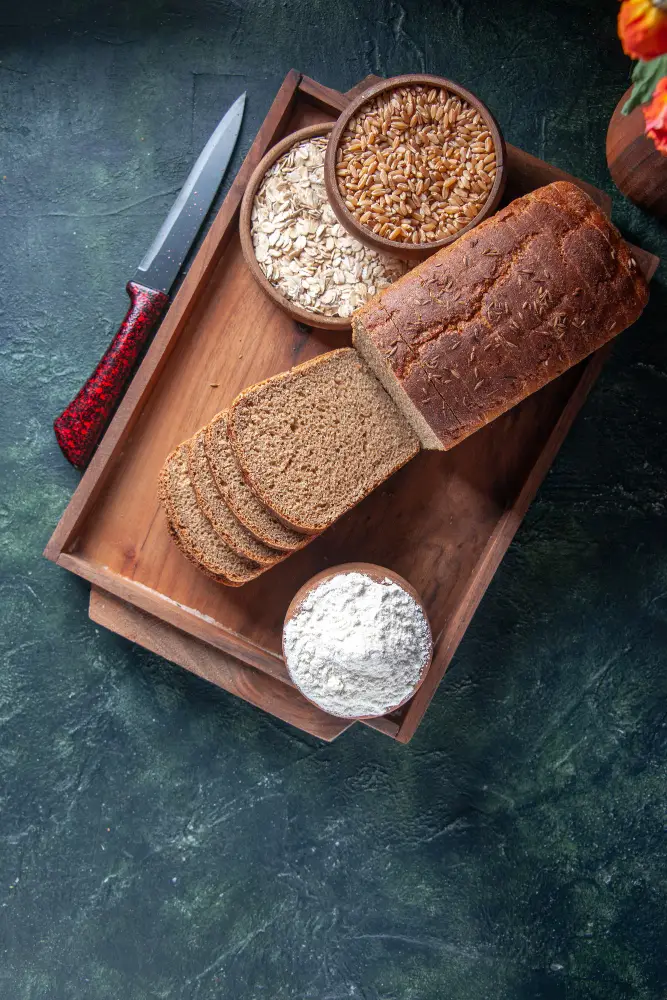
Hidden, heavily processed sugars are the absolute greatest enemy hiding within modern, commercial bread aisles. High-fructose corn syrup and refined cane sugar are routinely injected into loaves to artificially increase shelf life and softness. Therefore, understanding which bread is lowest in sugar is absolutely critical for your metabolic safety.
You must become a ruthless, highly observant reader of the tiny nutritional facts panel on the back of the bag. Any loaf containing more than two grams of added sugar per slice should be immediately placed back on the shelf. Let’s compare the typical glycemic impact of various common bread categories.
| Bread Type | Typical Added Sugar | Dietary Fiber | Expected Glycemic Impact |
| Commercial White Bread | High (3g+) | Very Low (<1g) | Extremely High |
| 100% Whole Grain | Low (<2g) | High (3g+) | Moderate |
| Sprouted Grain | Very Low (0g) | High (3g+) | Lower |
| Commercial Low-Carb | Minimal (0g) | Very High (5g+) | Very Low |
Best Store-Bought Bread for Diabetics
Navigating a massive, brightly lit supermarket aisle is often incredibly overwhelming for patients managing chronic illness. Finding the absolute best store-bought bread for diabetics requires ruthlessly ignoring flashy front-of-package marketing claims entirely. Instead, you must immediately flip the bag over and scrutinize the black-and-white nutritional facts panel.
You should strictly look for loaves boasting at least three grams of dietary fiber per single slice. Furthermore, the total added sugar must remain strictly under two grams to prevent unnecessary glucose spikes. When searching for the best bread for diabetics at Walmart or similar large retailers, look for Ezekiel 4:9 Sprouted Grain bread in the freezer section.
Many patients specifically ask, which Dave’s Killer Bread is best for diabetics? The “21 Whole Grains and Seeds Thin-Sliced” version is an excellent, widely available commercial choice. Because it is intentionally sliced much thinner, it automatically enforces strict portion control while delivering massive amounts of protective seed fiber.
Best Bread for Diabetics at Subway
Dining at fast-casual restaurants frequently triggers intense anxiety for individuals desperately trying to manage their daily blood sugar. If you find yourself needing a quick meal, what is the best bread for diabetics at Subway? You should always request the 9-Grain Wheat bread, assuming your specific location still bakes it fresh daily.
However, you must strictly avoid heavily sweetened condiments like teriyaki glaze or honey mustard, which completely negate the healthy bread choice. To further optimize your metabolic response, kindly ask the sandwich artist to “scoop out” the soft interior of the bread. Alternatively, eating your meal as an open-faced sandwich instantly cuts your carbohydrate load entirely in half.
Best Bread for Diabetics and High Blood Pressure
Type 2 diabetes and clinical hypertension are deeply interconnected, frequently occurring together in a dangerous metabolic cluster. Therefore, the best bread for diabetics and high blood pressure must actively support the clinical DASH diet principles. You must aggressively monitor hidden sodium levels, as commercial bakeries heavily salt their dough to improve flavor and shelf life.
Always seek out specialized, low-sodium loaves that contain strictly less than 140 milligrams of sodium per slice. Furthermore, massive amounts of potassium-rich whole grains help your blood vessels naturally relax and dilate safely. Consistently reading labels for hidden salt is just as vital as checking for hidden sugars.
Best Bread for Diabetics and High Cholesterol
Similarly, dangerously elevated LDL cholesterol levels demand a highly specific, targeted dietary intervention to protect your cardiovascular system. The absolute best bread for diabetics and high cholesterol actively utilizes massive amounts of dense, soluble fiber. Soluble fiber physically forms a thick gel in your digestive tract, actively binding to circulating cholesterol particles.
Consequently, your body safely excretes this dangerous cholesterol before it can permanently harden inside your delicate arteries. Heavily oat-based breads and authentic, 100% rye loaves are absolutely fantastic sources of this vital soluble fiber. Always pair these heart-healthy breads with fresh avocado instead of highly processed, saturated dairy butter.
Healthiest Homemade Bread for Diabetics
Baking your own daily loaf provides the ultimate, uncompromising control over your entire metabolic health. The healthiest homemade bread for diabetics entirely skips heavily processed white flour and cheap commercial yeast accelerators. Instead, you can carefully curate incredibly dense, nutrient-packed ingredients that actively stabilize your afternoon blood sugar.
You should heavily utilize whole wheat pastry flour, raw oat bran, and massive amounts of crushed flaxseed in your dough. Furthermore, adding pure psyllium husk powder actively forces the bread to retain massive amounts of moisture and protective fiber. You must completely avoid adding honey, maple syrup, or refined cane sugar to your yeast mixtures.
What Is a Good Substitute for Bread for Diabetics?
Sometimes, completely removing traditional bread from your daily routine is the absolute easiest path to clinical success. Mental health professionals specializing in chronic illness often observe patients experiencing profound relief when they stop fighting their glucose meters. So, what is a good substitute for bread for diabetics who are exhausted by constant blood sugar spikes?
Crisp, refreshing butter lettuce leaves make absolutely perfect, incredibly low-carbohydrate wraps for turkey and cheese. Additionally, massive, roasted portobello mushroom caps serve as fantastic, savory buns for your weekend hamburgers. You can also easily utilize commercially available, high-fiber almond flour tortillas for your morning breakfast wraps.
Best Bread for Weight Loss & Diabetes
Carrying excess visceral fat directly worsens severe cellular insulin resistance, making your daily diabetes management significantly harder. The best bread for weight loss must possess a remarkably low overall calorie density while heavily maximizing physical satiety. If a slice of bread leaves you starving thirty minutes later, it has completely failed its nutritional purpose.
You must choose highly textured, intensely fibrous breads that require aggressive chewing and slow stomach digestion. Furthermore, always pair your complex carbohydrates with a massive serving of lean protein, like sliced chicken breast. (Internal Link: Explore our Complete Guide to Weight Loss and Insulin Resistance).
Best Snacks for Diabetics (Bread Alternatives)

When mid-afternoon hunger violently strikes, reaching for a heavily processed carbohydrate snack is a terrible clinical mistake. The best snacks for diabetics completely avoid bread entirely, focusing strictly on stabilizing blood sugar through protein. A massive handful of raw, unsalted tree nuts provides incredible crunch and zero refined starches.
Furthermore, a small bowl of plain, unsweetened Greek yogurt actively delivers massive amounts of slow-digesting casein protein. You can also quickly prepare sliced cucumbers and celery sticks dipped in a heavy, olive-oil-based hummus. These specific snacks actively prevent the terrifying, late-afternoon glucose crashes that derail your entire day.
How Much Bread Can a Diabetic Eat?
Even the absolute healthiest, most fiber-dense loaf in the world will spike your sugar if you eat half the bag. Knowing exactly how much bread a diabetic can eat depends entirely on your doctor’s specific daily carbohydrate targets. Generally, clinical dietitians recommend aiming for roughly 30 to 60 grams of complex carbohydrates per main meal.
One standard slice of whole-grain bread typically contains exactly 15 grams of total carbohydrates. Therefore, a standard sandwich utilizing two slices immediately consumes 30 grams of your strict dietary allowance. You must always aggressively utilize a Continuous Glucose Monitor (CGM) to personalize these clinical guidelines to your unique body.
When to Avoid Bread Completely
There are highly specific clinical scenarios where you must temporarily banish all bread from your daily diet completely. If your most recent Hemoglobin A1C test reveals dangerously uncontrolled, highly elevated blood sugar averages, you must stop eating starches. Continuing to eat bread while experiencing massive metabolic dysfunction is incredibly dangerous for your vital organs.
Furthermore, if your post-meal glucose readings consistently soar above 180 mg/dL after eating a sandwich, your body is failing. This indicates severe, total cellular insulin resistance that requires immediate, strict carbohydrate restriction to correct safely. Always work directly with your primary endocrinologist before making massive, sweeping changes to your nutritional plan.
Frequently Asked Questions
Which bread is best for diabetes?
The absolute best breads are minimally processed, 100% whole grain options that retain their natural, protective fiber. Sprouted grain breads and traditional, slow-fermented sourdoughs are highly recommended for stabilizing post-meal blood sugar. You must aggressively avoid all highly refined white breads and cheap, commercial wheat blends entirely.
What bread is lowest in sugar?
Authentic sprouted grain breads and heavily seeded, commercial low-carbohydrate loaves typically contain absolutely zero added dietary sugars. Conversely, standard commercial white breads often hide massive amounts of high-fructose corn syrup to artificially increase shelf life. You must ruthlessly check the nutritional label to ensure added sugars remain strictly under two grams.
Is sourdough bread ok for diabetics?
Yes, authentic sourdough bread is an excellent choice due to the fascinating biological process of wild yeast fermentation. This process actively produces powerful organic acids that physically delay how fast your stomach empties carbohydrates into your bloodstream. However, you must prioritize whole-grain sourdough over loaves baked exclusively with highly refined white flour.
What is the best bread for type 2 diabetics?
Individuals battling severe insulin resistance must prioritize extremely dense, highly fibrous breads that strictly limit total carbohydrate exposure. Thin-sliced, 100% whole grain loaves or authentic pumpernickel rye are clinically fantastic options for daily consumption. Strict portion control, usually limited to one single slice per meal, is absolutely mandatory for clinical success.
What is a good substitute for bread for diabetics?
If you want to eliminate bread-based carbohydrates, crisp butter lettuce leaves make a phenomenal, refreshing sandwich wrap. You can also actively utilize large, roasted portobello mushroom caps to comfortably hold your favorite weekend hamburger patties. Finally, high-fiber, almond-flour tortillas are excellent, widely available substitutes for traditional flour wraps.
Conclusion
In conclusion, managing your complex relationship with carbohydrates requires massive amounts of patience, education, and deep self-compassion. The best bread for diabetics actively leverages the immense biological power of intact whole grains and slow-digesting fibers. By completely avoiding highly refined white flour and hidden commercial sugars, you can absolutely enjoy bread safely.
Remember that treating type 2 diabetes is a highly personalized, deeply individual clinical journey that takes time. A dense rye bread that perfectly stabilizes one patient might completely spike another person’s delicate glucose monitor. Therefore, diligent daily testing and strict portion control remain your absolute best defensive tools.
Finally, you do not have to navigate this overwhelming supermarket landscape entirely alone. Please download our free “Low-Glycemic Bread Shopping Guide” below to make your next grocery trip completely stress-free. Always remember to discuss your specific dietary targets directly with your registered dietitian or primary care physician.
Authoritative Medical References:
- American Diabetes Association (ADA) – Understanding Carbs
- Cleveland Clinic – Glycemic Index (Explains how different carbs like bread affect blood sugar)
- Harvard T.H. Chan School of Public Health – Carbohydrates and Blood Sugar
- National Institute of Diabetes and Digestive and Kidney Diseases (NIDDK) – Diabetes Diet, Eating, & Physical Activity
- Mayo Clinic – Dietary Fiber: Essential for a Healthy Diet (Details why whole grains and fiber are crucial)