
Diabetic Test Strips: Cost, Coverage, Where to Buy, Sell & How to Use Safely
Living with diabetes means navigating a complex landscape of daily decisions—what to eat, when to move, how to dose medication, and critically, how to monitor your blood glucose. At the heart of this self-care routine are diabetic test strips, those small but mighty tools that transform a single drop of blood into actionable data. As…

Reviewed by
David T. Broome, MD, MS
Written by
Quick Overview
Living with diabetes means navigating a complex landscape of daily decisions—what to eat, when to move, how to dose medication, and critically, how to monitor your blood glucose.
At the heart of this self-care routine are diabetic test strips, those small but mighty tools that transform a single drop of blood into actionable data.
As a board-certified physician who has spent years counseling patients on diabetes management, I understand that choosing the right strips isn’t just about convenience; it’s about accuracy, affordability, and peace of mind.
For many Americans, the cost of testing supplies creates real stress. A 2023 study in Diabetes Care found that nearly one in four adults with diabetes rationed test strips due to expense—a practice that can dangerously compromise glycemic control.
That’s why this guide exists: to cut through the noise on pricing, insurance coverage, safe purchasing, and even the nuanced world of resale, all while prioritizing your clinical safety.
Whether you’re newly diagnosed, supporting a loved one, or simply seeking smarter ways to manage long-term costs, you deserve clear, evidence-based answers.
In the sections ahead, we’ll break down exactly how test strips work, compare real-world prices across major retailers, clarify Medicare Part B coverage rules, and outline critical safety checks for buying or selling strips online.
I’ve also included practical tips I share with my own patients—like how to store strips properly to preserve accuracy, or which questions to ask your pharmacist before switching brands. Because in diabetes care, small details often make the biggest difference in outcomes.
Let’s get started with the fundamentals: what diabetic test strips are, how they function, and why using them correctly is non-negotiable for your health.
Key Takeaways
- Diabetic test strips are essential, FDA-regulated devices for safe glucose monitoring.
- Costs vary widely; explore generics, bulk buying, and insurance to save money.
- Medicare and other programs offer coverage with proper documentation.
- Never use expired strips, and exercise extreme caution in the secondary resale market.
- Always partner with your healthcare team to choose the right testing strategy for you.
What Are Diabetic Test Strips?
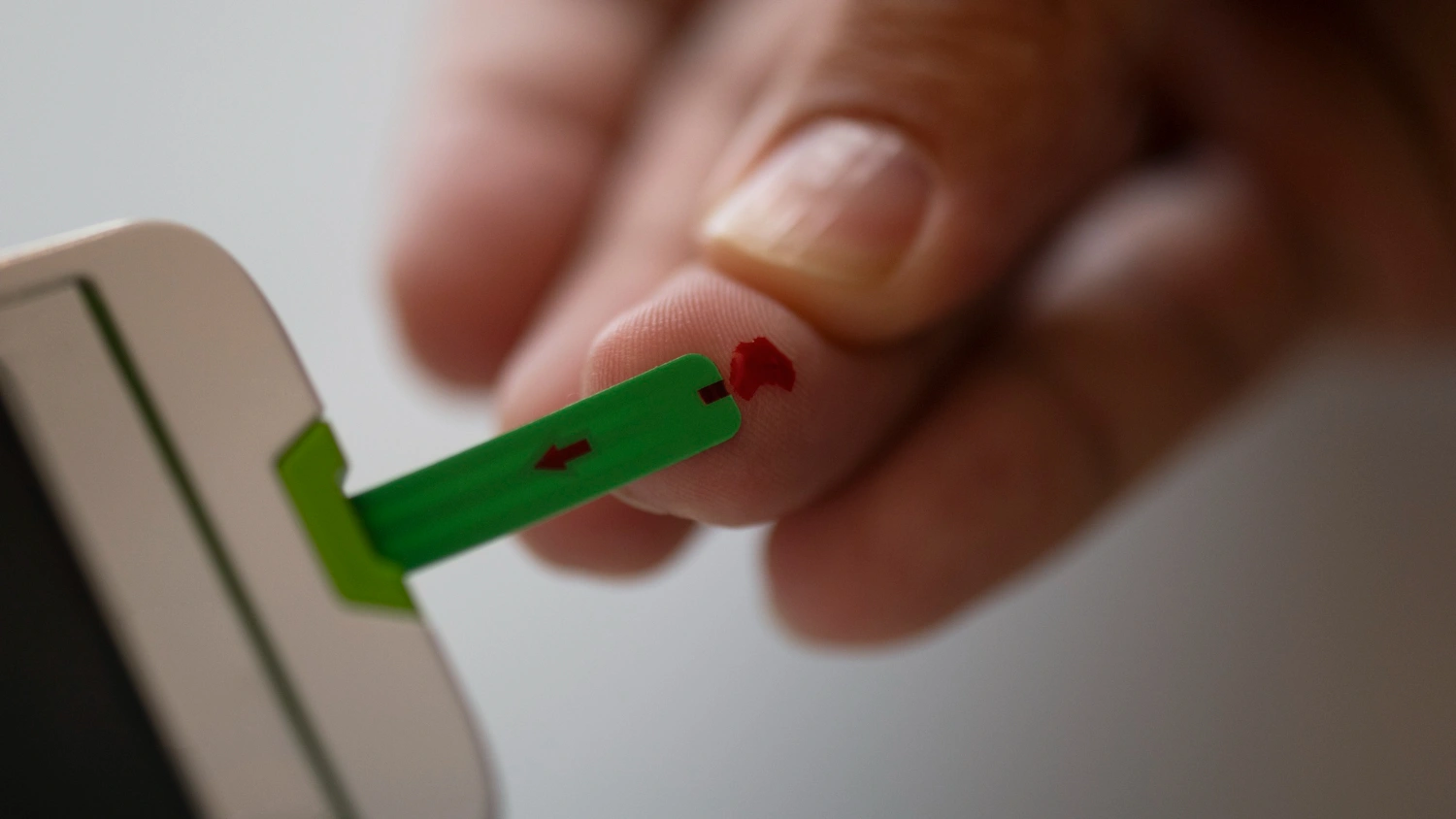
Diabetic test strips are small, single-use biosensors designed to work with a compatible glucose meter. When a tiny drop of blood is applied, enzymes on the strip (typically glucose oxidase) react with glucose to generate an electrical current.
The meter translates this signal into a blood sugar reading displayed in mg/dL or mmol/L. They are distinct from urine test strips and are essential for both type 1 and type 2 diabetes management per American Diabetes Association (ADA) standards.
How Do Diabetic Test Strips Work?
Understanding the mechanism helps ensure accurate use. The process involves four precise steps:
- Insert: Place a fresh strip into your meter’s slot; most meters auto-calibrate.
- Prick: Use a new lancet in a lancing device to prick the side of your fingertip.
- Apply: Gently touch the strip’s absorbent tip to the blood drop; avoid smearing.
- Read: Wait 5-15 seconds for your meter to display the result.
Proper technique minimizes pain and error. In my practice, I often demonstrate this with patients, as improper application is a common source of inaccurate readings. The ADA emphasizes that consistent, correct testing informs critical decisions about medication, diet, and activity.
How Much Do Diabetic Test Strips Cost?
Cost is a major concern for many. Without insurance, diabetic test strips typically range from $0.25 to $1.50 per strip. A box of 50 can cost $15–$75. Key factors influencing price include:
- Brand vs. Generic: Name-brand strips (e.g., OneTouch, Accu-Chek) cost more than store-brand equivalents.
- Meter Compatibility: Strips are brand-specific; switching meters may be needed for cheaper strips.
- Insurance Negotiations: Prices vary drastically based on your plan’s formulary.
A 2023 analysis in Diabetes Care highlighted that out-of-pocket costs for testing supplies remain a significant barrier to optimal glycemic control for many US adults.
Cheap Diabetic Test Strips: How to Save Money
You can reduce costs without sacrificing accuracy. First, ask your provider about prescribing a meter with lower-cost generic strips. Second, purchase in bulk from reputable online retailers, but always verify expiration dates.
Third, utilize pharmacy discount programs (e.g., Walmart’s $9 list) or manufacturer coupons. Finally, check if your insurance prefers a specific brand through its mail-order pharmacy, which often offers 90-day supplies at a lower per-strip cost.
Where to Buy Diabetic Test Strips

You have several reliable options for purchasing diabetic test strips:
- Local Pharmacies: CVS, Walgreens, and independent pharmacies offer convenience and pharmacist guidance.
- Big-Box Retailers: Walmart diabetic test strips (e.g., ReliOn brand) are notably affordable and available in-store and online.
- Online Retailers: Amazon and manufacturer websites provide bulk options; ensure the seller is authorized to avoid counterfeit products.
- Insurance Mail-Order: Often the most cost-effective for covered brands with a valid prescription.
Can You Buy Diabetic Test Strips Over the Counter?
Yes. Most diabetic test strips and glucose meters are classified as Class II medical devices by the FDA and are available over the counter without a prescription. This allows for immediate access.
However, a prescription is still required for insurance or Medicare reimbursement. I advise patients to discuss OTC choices with their care team to ensure meter accuracy and compatibility with their management plan.
Does Medicare Cover Diabetic Test Strips?
Medicare Part B typically covers diabetic test strips as durable medical equipment (DME) for beneficiaries with diabetes. Key requirements include:
- A doctor’s prescription and documentation of medical necessity.
- Using a Medicare-enrolled supplier.
- Adherence to frequency limits (e.g., up to 300 strips every 3 months for insulin users).
Coverage details can be complex. The Centers for Medicare & Medicaid Services (CMS) provides specific guidelines, and I recommend patients contact their State Health Insurance Assistance Program (SHIP) for personalized help navigating benefits.
How to Get Free Diabetic Test Strips
While completely free strips are rare, several programs can significantly reduce or eliminate costs:
- Insurance Plans: Many Medicaid and private plans cover strips with low copays.
- Manufacturer Patient Assistance Programs: Companies like Ascensia and Abbott offer programs for eligible uninsured or underinsured patients.
- Community Health Centers: Federally Qualified Health Centers (FQHCs) may provide supplies on a sliding scale.
- Non-Profit Organizations: Groups like the ADA or local charities sometimes offer emergency assistance.
Do Diabetic Test Strips Expire?
Yes, all diabetic test strips have an expiration date, typically 3-6 months after opening the vial or as printed on the package. The enzymes and chemicals degrade over time, especially when exposed to humidity, heat, or light. Using expired strips can lead to falsely high or low readings, posing serious risks for insulin dosing decisions.
Can You Use Expired Diabetic Test Strips?
It is not recommended to use expired diabetic test strips. The FDA warns that compromised accuracy can lead to dangerous management errors.
In a clinical anecdote, I once evaluated a patient with recurrent hypoglycemia; we discovered they were using expired strips, which were underreporting their true blood glucose levels. Always check the date before each use and store strips in their original, tightly closed container.
Selling Diabetic Test Strips: What You Need to Know
The resale of unused diabetic test strips exists in a legal gray area. Key points:
- Condition: Strips must be unopened, sealed, and well within their expiration date.
- Legality: Federal law does not explicitly prohibit the resale of legally obtained, unused strips. However, state laws vary significantly; some states regulate the resale of prescription medical devices.
- Fraud Alert: It is illegal to sell strips obtained through fraud (e.g., using someone else’s insurance). This constitutes healthcare fraud, a federal crime.
- Safety Risk: Buyers assume risk for storage conditions; improper handling can ruin strip accuracy.
Who Buys Diabetic Test Strips?

The secondary market includes online buyback websites, specialized medical supply resellers, and some local buyers. These entities typically purchase name-brand, unexpired strips at a fraction of retail price for resale to uninsured individuals or for export.
Prices offered are usually $5–$30 per unopened box, heavily dependent on brand and expiration date.
Safety Considerations When Buying or Selling
Your health is paramount. Whether buying or selling:
- Never buy opened boxes or strips stored in non-original containers.
- Always verify the expiration date and lot number.
- Purchase only from reputable, verified sellers with clear return policies.
- Consult your pharmacist to confirm a meter-strip combination’s accuracy before switching.
- Report suspected counterfeit products to the FDA.
Related Diabetes Diet Questions: Is a Tuna Sandwich Good for Diabetics?
Yes, a tuna sandwich can be a good option if made with whole-grain bread, light mayonnaise, and plenty of non-starchy vegetables. The protein and fiber help blunt post-meal blood sugar spikes. Avoid white bread and high-sugar condiments.
Which Nuts Should Diabetics Avoid?
Diabetics should generally avoid nuts that are heavily salted, sugar-coated, or honey-roasted, as these add unnecessary sodium and carbohydrates. Plain, raw, or dry-roasted nuts in controlled portions (about 1 oz) are a heart-healthy snack choice.
Action Plan
- Compare: Research strip costs for your specific meter across pharmacies and online.
- Verify Coverage: Contact your insurer or Medicare to understand your benefits and prior authorization needs.
- Master Technique: Ask your diabetes educator to observe your testing method to ensure accuracy.
- Store Properly: Keep strips in a cool, dry place, never in the bathroom or car.
- Dispose Safely: Use a sharps container for lancets; follow local guidelines for strip disposal.
Frequently Asked Questions
Can I buy diabetic test strips over the counter?
Yes, most glucose meters and diabetic test strips are available over the counter without a prescription. However, a prescription is required for insurance reimbursement.
Does Medicare cover test strips?
Yes, Medicare Part B covers diabetic test strips as durable medical equipment for beneficiaries with diabetes who have a prescription and use a Medicare-enrolled supplier.
Is it legal to sell diabetic test strips?
Selling unused, unexpired strips that were legally obtained is generally legal at the federal level, but state laws vary. It is illegal to sell strips obtained through insurance fraud.
How much do test strips cost?
Without insurance, diabetic test strips typically cost between $0.25 and $1.50 per strip. Prices depend on brand, quantity, and retailer.
How can I get free test strips for diabetes?
While rarely completely free, you may access low-cost or free strips through manufacturer assistance programs, community health centers, or non-profit organizations if you are uninsured or underinsured.
Conclusion
Managing diabetes effectively hinges on reliable, accurate blood glucose monitoring—and diabetic test strips are an indispensable tool in that process.
From understanding costs and insurance coverage to navigating safe purchasing practices and legal resale considerations, informed decisions empower better health outcomes. As a physician, I emphasize that no cost-saving measure should ever compromise the accuracy of your readings or the safety of your regimen.
Always prioritize strips that are unexpired, properly stored, and compatible with your meter. If financial barriers exist, explore manufacturer assistance programs, Medicare benefits, or community resources before considering secondary markets.
Your health is too important to gamble with uncertain supplies. Partner with your healthcare team to create a monitoring plan that is clinically sound, financially sustainable, and tailored to your unique needs. When in doubt, consult your pharmacist or diabetes educator—they are invaluable allies in your care journey.
Medical References:
- American Diabetes Association – Standards of Care in Diabetes | ADA Clinical Guidelines
- Centers for Disease Control and Prevention – Manage Blood Sugar | Diabetes
- U.S. Food and Drug Administration – How to Safely Use Glucose Meters and Test Strips for Diabetes
- National Institutes of Health – Benefits and Limitations of Self-Monitoring of Blood Glucose

SOURCES
Related articles

Intermittent Fasting and Diabetes Safety: Schedules, Risks, & Blood Sugar Guide

Diabetic-Friendly Weight Loss Meals: 1500-Calorie Plans, Easy Recipes & 7-Day Guide


Online Counseling for Chronic Illness: Therapists, Platforms & Coping Strategies

Therapy for Diabetes Depression: Treatments, Mental Health Workbooks & Best Support Resources (2026)