
How to Know If You Have Diabetes: Early Signs, Tests, and Self-Checks
Have you been feeling unusually tired lately, or finding yourself waking up multiple times a night to use the bathroom? You might brush these things off as stress or getting older, but they could be your body’s subtle distress signals. Diabetes often develops silently, and millions of people live with undiagnosed diabetes right now without…

Reviewed by
David T. Broome, MD, MS
Written by

Quick Overview
Have you been feeling unusually tired lately, or finding yourself waking up multiple times a night to use the bathroom? You might brush these things off as stress or getting older, but they could be your body’s subtle distress signals. Diabetes often develops silently, and millions of people live with undiagnosed diabetes right now without even realizing it.
In her clinical experience, she frequently sees patients whose underlying physical symptoms—like chronic fatigue and “brain fog”—are initially mistaken for mood disorders before a simple blood test reveals the true metabolic culprit.
Early detection of diabetes symptoms is crucial because it prevents severe, long-term complications. If you are wondering how to know if you have diabetes, understanding the early signs of diabetes and what causes diabetes is your vital first step. Let’s break down exactly what to look for and how to get tested.
TL;DR: How to Know If You Have Diabetes
First of all, diabetes often starts silently. You might notice frequent urination, extreme thirst, and constant fatigue. Furthermore, blurred vision and unexplained weight loss are major red flags that you should never ignore. Therefore, you cannot rely on symptoms alone to make a diagnosis.
The only way to confirm diabetes is with a clinical blood test. Doctors use A1C, fasting glucose, or glucose tolerance tests to check your metabolic status. Finally, if you experience these warning signs, do not wait. Catching the condition early can prevent severe complications and keep you healthy. You can often reverse prediabetes entirely with quick action.
5 Early Warning Signs of Diabetes
When blood sugar levels begin to rise, your body tries to compensate. This effort creates the classic early signs of diabetes. If you are asking, “What are 5 warning signs of diabetes?” these are the most common red flags to watch for.
Frequent urination
When your blood contains too much glucose, your kidneys are forced to work overtime to filter and absorb the excess sugar. If your kidneys can’t keep up, the excess sugar is excreted into your urine, dragging along fluids from your tissues. This makes you urinate more often, especially at night (a condition called nocturia).
Excessive thirst
Because you are urinating more frequently, your body becomes dehydrated. This excessive fluid loss triggers an intense, unquenchable thirst. It is a direct cycle: the more you pee, the more you need to drink. Experiencing low blood sugar from not eating, a common symptom during long fasts.
Fatigue
Your body’s cells rely on glucose for energy. In diabetes, insulin resistance or a lack of insulin prevents glucose from entering the cells. Without this essential fuel, you will feel constantly exhausted and lethargic, no matter how much sleep you get.
Blurred vision
High blood sugar levels can actually pull fluid from the lenses of your eyes. This swelling changes the shape of the lens and makes it difficult to focus, resulting in blurred vision. If blood sugar levels are stabilized, this symptom often resolves.
Unexplained weight loss
This is particularly common in Type 1 diabetes but can happen in Type 2 as well. When your body cannot use glucose for energy, it starts burning fat and muscle stores instead. You may lose weight rapidly even if you are eating more than usual.
10 Warning Signs of Diabetes
While the five signs above are the most frequent, diabetes can affect the entire body. If you are researching “What are 10 warning signs of diabetes?” here is a more comprehensive list to help you identify potential issues.
- Frequent Urination: Needing to go constantly.
- Excessive Thirst: Feeling like you can’t drink enough water.
- Extreme Fatigue: Feeling drained of energy.
- Blurred Vision: Trouble focusing your eyes.
- Unexplained Weight Loss: Dropping pounds without trying.
- Increased Hunger: Feeling starved even after a large meal.
- Slow-Healing Wounds: Cuts or bruises that take weeks to heal.
- Frequent Infections: Recurring yeast infections, UTIs, or skin infections.
- Tingling or Numbness: A “pins and needles” sensation in your hands or feet (neuropathy).
- Darkened Skin Patches: Velvety, dark skin (Acanthosis Nigricans), often on the neck or armpits, signaling insulin resistance.
How Do You Feel If You Have Diabetes?
Many patients ask, “How do I feel if I am diabetic?” The physical sensations can be overwhelming and confusing before a diagnosis. How do diabetics start to notice something is wrong? It usually begins as a general sense of being unwell.
You might experience constant tiredness that coffee cannot fix. Many describe a persistent “brain fog” that makes it hard to concentrate at work or school. Because your body is struggling to manage its energy source, you may feel an intense, driving hunger combined with an unquenchable, excessive thirst. It often feels like your body is running on empty while simultaneously craving fluids.
How to Know If You Have Diabetes at Home
If you are nervous about visiting a doctor, you might wonder how to know if you have diabetes at home. While you cannot officially diagnose yourself, you can gather crucial clues. “How can I check myself to see if I have diabetes?” is a common question, and there are a few safe methods.
- Home Blood Glucose Monitoring: You can purchase an over-the-counter glucometer. By pricking your finger, you can test your fasting blood sugar (first thing in the morning) or post-meal levels to see if they are elevated.
- Common Symptom Tracking: Keep a daily journal. Note how often you urinate, how much water you drink, your fatigue levels, and any vision changes. This log is invaluable for your doctor.
- Urine Glucose Testing Strips: Available at pharmacies, these strips change color if glucose is present in your urine. While not as precise as a blood test, they can indicate that your kidneys are spilling sugar.
How Blood Tests Diagnose Diabetes
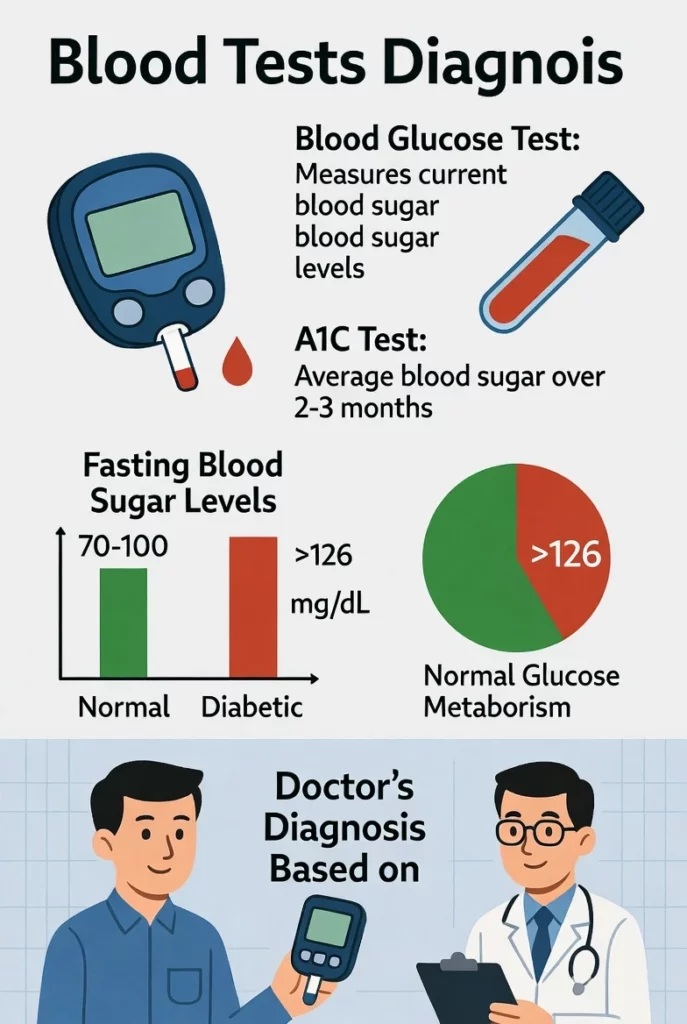
The definitive answer to how to know if you have diabetes from blood test results lies in specific clinical metrics. You cannot know for sure without these tests. If you are wondering how to know if you have diabetes from blood test results, doctors rely on three main diagnostic tools.
A1C Test
The A1C test measures your average blood sugar levels over the past 2 to 3 months. It does not require fasting. An A1C level of 6.5% or higher on two separate tests indicates diabetes.
Fasting Blood Sugar
This test is taken after you have not eaten anything for at least 8 hours (usually overnight). A fasting blood sugar level of 126 mg/dL or higher indicates diabetes.
Oral Glucose Tolerance Test
Often used during pregnancy, this test requires you to fast, drink a sugary liquid, and then have your blood sugar tested periodically over two hours. A reading of 200 mg/dL or higher after two hours indicates diabetes.
How to Know If You Have Type 2 Diabetes
Type 2 is the most common form of the disease. How to know if you have diabetes type 2 involves looking for gradual changes. Often, people wonder how to know if they have type 2 diabetes because the symptoms are so mild they go unnoticed for years.
This type is deeply linked to insulin resistance, where your body produces insulin but cannot use it effectively. You should be especially vigilant if you have risk factors such as obesity, are over age 45, have a sedentary lifestyle, or have a strong family history of the disease. Routine screening is often the only way it is caught early.
How to Know If You Have Type 1 Diabetes
Unlike Type 2, the onset of Type 1 is usually dramatic. How to know if you have diabetes type 1 involves recognizing severe, sudden symptoms. If you need to know how to know if you have type one diabetes, watch for a rapid onset over just a few weeks.
Symptoms usually appear suddenly and include rapid weight loss, severe and unquenchable thirst, and extreme fatigue. There is also a high risk of diabetic ketoacidosis (DKA), a life-threatening complication where the body burns fat too quickly, leading to fruity-smelling breath, nausea, and confusion.
How to Know If You Have Gestational Diabetes
Pregnancy changes how your body uses insulin. How to know if you have gestational diabetes is usually handled by your OBGYN. Women often ask how to know if you have diabetes while pregnant or how to know if you have pregnancy-induced diabetes. It rarely causes noticeable symptoms, which is why universal screening during pregnancy is standard. Doctors typically perform an oral glucose tolerance test between 24 and 28 weeks of gestation to ensure both mother and baby are safe.
How to Know If a Child or Teen Has Diabetes
Recognizing diabetes in youth is critical. Parents often ask how to know if you have diabetes as a kid or how to know if you have diabetes as a teenager. The signs can easily be mistaken for growth spurts or typical teenage fatigue. Common signs in children include sudden bedwetting (especially if they were previously dry at night), sudden and unexplained weight loss, and extreme thirst. If your child is constantly drinking water and seems unusually exhausted, a pediatric evaluation is necessary.
How to Know If You Have Prediabetes
Prediabetes is the warning bell before a full diagnosis. How to know if you have prediabetes can be tricky because it usually presents with very mild symptoms, if any at all. In prediabetes, your blood sugar is slightly elevated (an A1C between 5.7% and 6.4%), but not high enough to be classified as type 2 diabetes. Detecting it through a routine blood test is vital because lifestyle changes at this stage can often reverse the condition entirely.
Do I Have Diabetes? Quick Self-Assessment Quiz
If you are still unsure, taking a “how to know if you have diabetes” quiz can help you decide if it’s time to see a doctor. While a “Do I have diabetes?” quiz is not a diagnosis, it is a good screening tool. Ask yourself:
- Do you urinate frequently, especially waking up multiple times during the night?
- Are you constantly thirsty, even after drinking plenty of fluids?
- Do you feel unusually tired or fatigued every day?
- Have you noticed your vision becoming blurry?
- Do you have cuts or bruises that seem to take forever to heal?
- Are you experiencing tingling or numbness in your hands or feet?
Symptoms of Diabetes in Women
While many symptoms are universal, there are specific symptoms of diabetes in women. Recognizing these early signs of diabetes in women can lead to a faster diagnosis.
High blood sugar creates an environment where bacteria and yeast thrive. Therefore, women with undiagnosed diabetes frequently suffer from recurrent vaginal yeast infections and frequent urinary tract infections (UTIs). Additionally, conditions like Polycystic Ovary Syndrome (PCOS) are strongly linked to insulin resistance and a higher risk of developing diabetes.
Diabetes Symptoms in Men
Men also experience unique warning signs. When discussing diabetes symptoms men should watch for, sexual health is a major indicator.
Nerve damage and restricted blood flow caused by high blood sugar can lead to erectile dysfunction (ED). In fact, ED can sometimes be one of the earliest signs of diabetes in men. Furthermore, because the body may begin burning muscle for energy when it cannot access glucose, men may notice reduced muscle strength and unexpected muscle loss.
What Causes Diabetes?
Understanding the root problem helps demystify the disease. What causes diabetes depends entirely on the type.
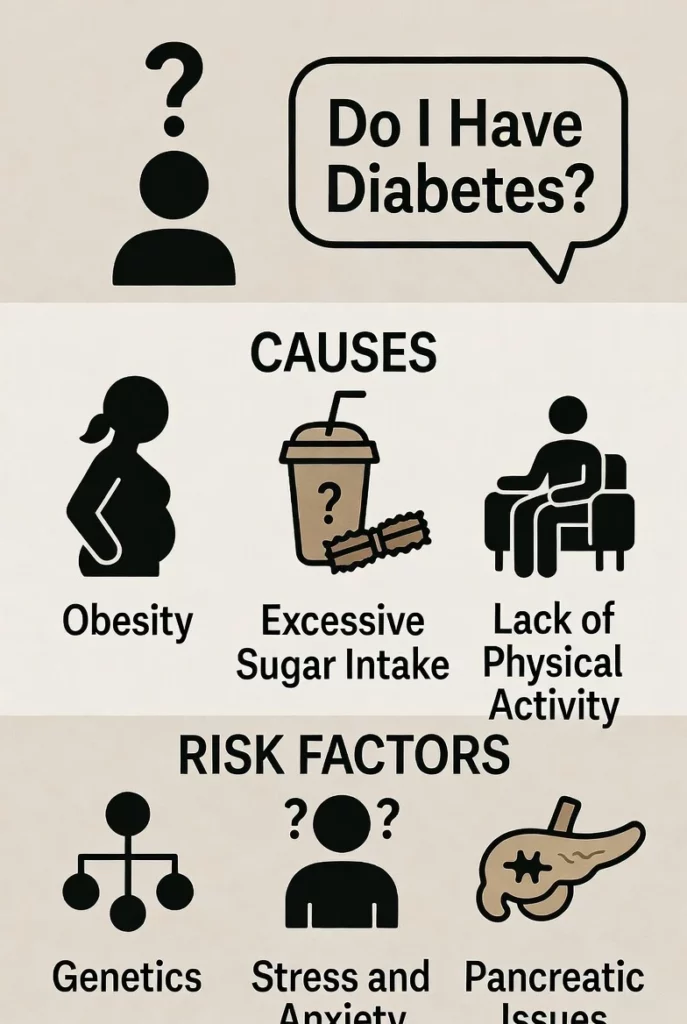
- Type 1: This is an autoimmune condition. The body’s immune system mistakenly attacks and destroys the insulin-producing beta cells in the pancreas. The exact cause is unknown but involves genetics and environmental triggers.
- Type 2: This is primarily caused by insulin resistance. The body’s cells stop responding to insulin properly. Over time, the pancreas cannot make enough insulin to overcome this resistance. It is heavily influenced by lifestyle factors (like obesity and inactivity) and genetics.
How to Prevent Diabetes
While Type 1 cannot be prevented, Type 2 is highly preventable. How to prevent diabetes focuses on actionable lifestyle modifications.
- Weight Management: Losing just 5% to 7% of your body weight can significantly reduce your risk.
- Healthy Diet: Focus on whole grains, lean proteins, and plenty of vegetables while cutting back on processed carbs and sugary drinks.
- Exercise: Aim for at least 150 minutes of moderate aerobic activity (like brisk walking) per week to help your body use insulin better.
- Regular Screening: Catching prediabetes early gives you the chance to reverse the trajectory before it becomes type 2 diabetes.
When to See a Doctor
Do not rely solely on internet research if you suspect a health issue. You should seek a medical evaluation if multiple symptoms appear simultaneously, especially if they are disrupting your daily life. Early medical intervention can stabilize your blood sugar, protect your organs, and ensure you continue to live a healthy, active life.
Frequently Asked Questions
How to know if you have diabetes without testing?
You cannot definitively know without a blood test. However, tracking severe symptoms like unquenchable thirst, frequent urination, and sudden weight loss strongly indicates the need for medical evaluation.
How to know if you have diabetes at home?
You can use an over-the-counter glucometer to check your fasting blood sugar or use urine test strips to check for excess glucose. While helpful for screening, a doctor must confirm the diagnosis.
How do you know if you have gestational diabetes?
Gestational diabetes usually has no symptoms. You will know if you have it when your doctor performs a routine oral glucose tolerance test between weeks 24 and 28 of your pregnancy.
How do you know if you have diabetes from a blood test?
A doctor will look for specific thresholds: an A1C of 6.5% or higher, a fasting blood sugar of 126 mg/dL or higher, or a 2-hour glucose tolerance test result of 200 mg/dL or higher.
What are early signs of diabetes?
The earliest signs are usually increased thirst, frequent trips to the bathroom (especially at night), unexplained fatigue, and sometimes blurred vision.
Conclusion: Take Control of Your Health Today
In conclusion, wondering how to know if you have diabetes is a very valid concern. Therefore, paying close attention to your body is your best defense. Whether you notice excessive thirst or constant fatigue, these early signs are a direct call to action.
Furthermore, remember that millions of people live with this condition successfully. Catching the symptoms early means you can prevent severe nerve or kidney damage. As a result, you can take control of your metabolic health before it controls you.
Finally, please do not rely on internet research alone to make a diagnosis. If you score high on a diabetes self-assessment, schedule a doctor’s appointment immediately. A simple A1C blood test can give you peace of mind and a clear path forward.
Evidence-Based References:

SOURCES
Related articles


Diabetic-Friendly Weight Loss Meals: 1500-Calorie Plans, Easy Recipes & 7-Day Guide


Online Counseling for Chronic Illness: Therapists, Platforms & Coping Strategies

Therapy for Diabetes Depression: Treatments, Mental Health Workbooks & Best Support Resources (2026)