
What Causes Low Blood Sugar Without Diabetes? Symptoms, Causes & Treatment
Healthy people can experience low blood sugar too. Non-diabetic hypoglycemia often stems from skipped meals, reactive insulin spikes, alcohol, or medications — occasionally hormonal disorders. Learn the symptoms, dangerous thresholds, fast fixes, and when sudden dizziness or confusion means it’s time to see a doctor.

Reviewed by
David T. Broome, MD, MS
Written by
Dr. Jack Reynolds, MD

Quick Overview
- Non-diabetic hypoglycemia can happen to healthy people and is usually caused by skipped meals, reactive insulin spikes after high-carb meals, alcohol on an empty stomach, or certain medications.
- Rarer causes include hormonal disorders (adrenal, pituitary, and thyroid) and severe illness like sepsis or liver/kidney failure — these need medical workup.
- Blood sugar below 70 mg/dL is low and needs a fast-acting carb snack; below 54 mg/dL is clinically significant and needs urgent attention.
- Morning and nighttime crashes are often linked to prolonged overnight fasting, evening alcohol, or late-night exercise.
- Prevention centers on regular balanced meals, limiting alcohol on an empty stomach, and pairing carbs with protein and fiber.
- Frequent fainting, confusion, or seizures are medical emergencies requiring immediate care.
Feeling suddenly dizzy and weak can be terrifying. Many people instantly assume they have a severe metabolic disease when they feel these symptoms. However, that is not always the case. You might simply be experiencing a temporary drop in your glucose levels. Consequently, patients frequently ask me what causes low blood sugar without diabetes. It is a very valid and common concern in my daily medical practice.
Recently, a highly active patient visited my clinic complaining of severe morning tremors. She was completely shocked to learn that healthy people can also experience these crashes. Therefore, understanding the exact reasons behind these sudden drops is incredibly important. In this guide, we will explore the symptoms, triggers, and the best ways to fix them.
TL;DR: Quick Overview
- Low blood sugar without diabetes is medically known as non-diabetic hypoglycemia.
- This condition frequently happens due to skipped meals, heavy alcohol, or hormonal imbalances.
- Common symptoms include intense shakiness, sudden sweating, severe dizziness, and mental confusion.
- Eating fast-acting carbohydrates quickly restores your energy and resolves the uncomfortable symptoms.
- Preventing these sudden crashes requires eating highly balanced meals throughout the day.
Hypoglycemia – Symptoms and Causes – Mayo Clinic
What Is Hypoglycemia?
First of all, we must clearly define this medical term. Basically, hypoglycemia means your circulating blood glucose levels drop significantly below the normal blood sugar range. Medically speaking, any reading under 70 mg/dL is generally considered low.
Glucose is the primary energy source for your entire body and brain. Therefore, your body cannot function properly without a steady, continuous supply. When levels drop, your system instantly enters a severe panic mode.
People often wonder what causes hypoglycemia in everyday life. Usually, it happens when your body uses up glucose much faster than you consume it. Furthermore, certain medications or illnesses can forcefully alter this delicate balance.
Low Blood Glucose (Hypoglycemia) – NIDDK
Can You Have Hypoglycemia Without Diabetes?
Many individuals falsely believe this condition only affects people who require insulin therapy. Can you have hypoglycemia and not be diabetic? Yes, you absolutely can.
In fact, can non-diabetics get hypoglycemia frequently? Yes, it is surprisingly common. Can you have low blood sugar without diabetes and still be healthy? Certainly, but you must identify the exact trigger. I regularly treat healthy individuals who experience these frustrating energy crashes.
Usually, a simple lifestyle factor or a minor dietary habit is to blame. However, we must always rule out any hidden underlying medical conditions first.
Hypoglycemia Without Diabetes: Causes and Symptoms – Healthline
Low Blood Sugar Without Diabetes?
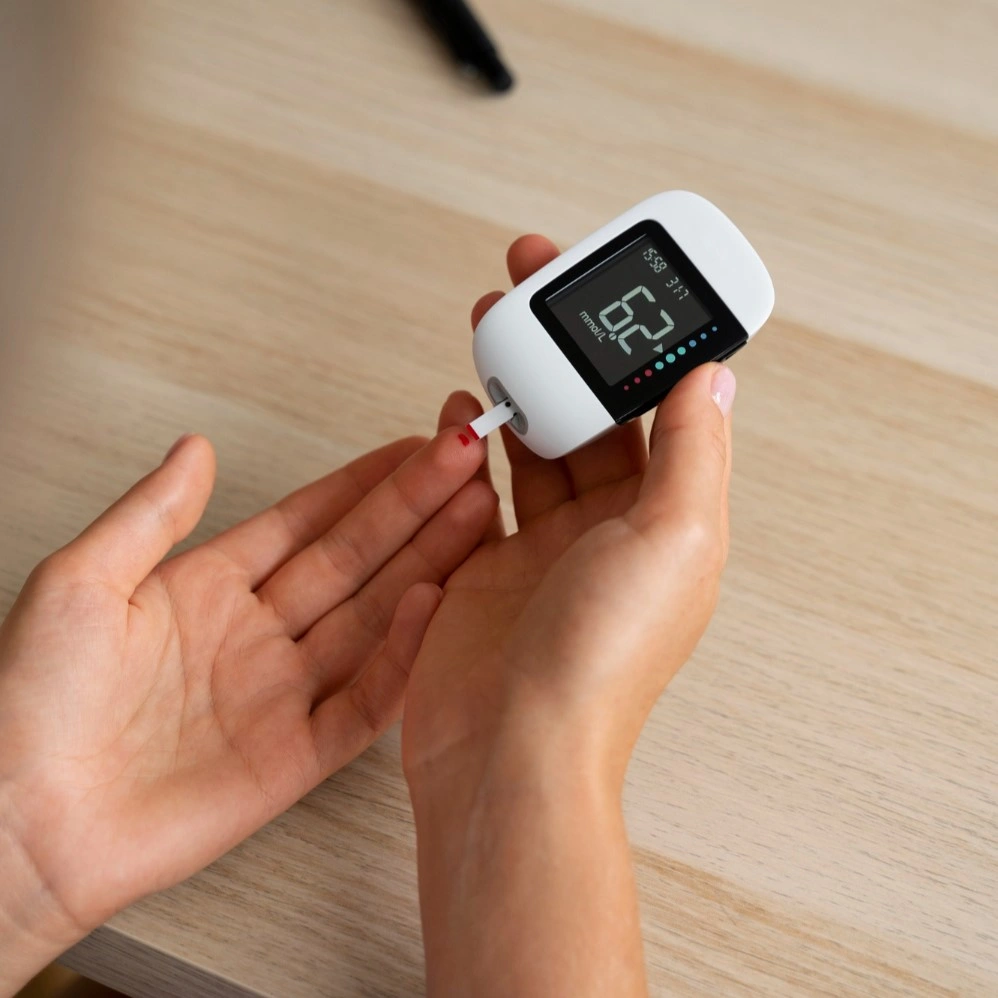
This is the most critical section for understanding your sudden symptoms. What causes low blood sugar without diabetes? There are actually several distinct physiological and lifestyle triggers. Understanding the specific causes of hypoglycemia in non-diabetics helps you prevent future episodes. What causes low blood sugar without diabetes? Let’s explore the most common culprits right now.
Skipping Meals or Fasting
First of all, avoiding food for long periods is the absolute biggest offender. Your body stores a limited amount of backup glucose in your liver. Eventually, these natural reserves run completely dry. When you skip breakfast or fast intensely, your brain lacks essential fuel.
Consequently, you feel deeply fatigued, extremely irritable, and physically weak. Eating regular, highly balanced meals easily prevents this massive energy deficit.
Reactive Hypoglycemia
Another major cause is a condition called reactive hypoglycemia. This happens specifically after you eat a massive, carbohydrate-heavy meal. Your body aggressively overproduces insulin to handle the massive sugar influx.
Because of this hormonal surge, your blood sugar plummets a few hours later. As a result, you feel starving and dizzy even though you recently ate. Therefore, choosing complex carbohydrates and lean proteins is vital for stability.
Reactive Hypoglycemia: What Can I Do? – Mayo Clinic
Alcohol Consumption
Drinking heavy alcohol on an empty stomach is incredibly dangerous for your glucose levels. Your liver has two primary jobs. It processes toxic alcohol and releases stored glucose. However, your liver will always prioritize clearing the alcohol first.
Therefore, it completely stops releasing the glucose your brain desperately needs. This sudden halt quickly creates a severe, unexpected drop in your blood sugar.
Certain Medications
Many common prescription drugs can alter your metabolic balance. For example, certain malaria medications or specific antibiotics directly trigger unexpected drops. Furthermore, accidentally taking someone else’s diabetes medications is a major emergency.
Always review your current medication list carefully with your doctor. If you suspect a drug is causing your crashes, never stop taking it abruptly. Instead, we can safely adjust your dosage together.
Hormonal Disorders
Your adrenal and pituitary glands produce hormones that naturally raise your blood sugar. If these specific glands fail, your glucose levels can easily plummet. For instance, Addison’s disease significantly lowers your vital cortisol production.
Without enough cortisol, your body struggles immensely to maintain energy during stressful times. Additionally, severe thyroid disorders can heavily impact your daily metabolic rate. We usually run specialized blood tests to identify these rare hormonal imbalances.
Severe Illness or Infection
Massive systemic infections or severe liver diseases disrupt your body’s energy production. Your liver simply cannot manufacture or store glucose properly when it is diseased. Furthermore, kidney failure prevents your body from clearing insulin normally.
Consequently, the insulin builds up and aggressively lowers your blood sugar. Sepsis, a life-threatening bodily infection, also consumes massive amounts of glucose very rapidly. These severe conditions require immediate, intensive medical care in a hospital setting.
Conditions That Cause Hypoglycemia – Cleveland Clinic
Symptoms of Low Blood Sugar in Non-Diabetics
Recognizing the early warning signs is absolutely crucial for your safety. The symptoms of low blood sugar in non-diabetics vary greatly between individuals. However, the most common hypoglycemia symptoms happen suddenly and intensely.
You must act quickly when you notice these low blood sugar symptoms. What causes low blood sugar without diabetes symptoms? Your body rapidly releases adrenaline to warn you of the danger. Common early symptoms include sudden sweating, intense trembling, and extreme hunger.
You might also feel severe dizziness, intense anxiety, and a rapid heartbeat. Mental confusion is another major red flag that requires immediate attention. If left untreated, severe symptoms like neurological seizures or complete loss of consciousness can occur.
Low Blood Sugar (Hypoglycemia) – CDC
Low Blood Sugar in the Morning and at Night
Waking up feeling sick and shaky is a terrible way to start the day. Low blood sugar in the morning non-diabetic cases are very common in my practice. Usually, this happens due to a prolonged overnight fast. Your body simply uses up all its stored liver glucose while you sleep.
Additionally, drinking alcohol the night before heavily suppresses your morning glucose production. Hormonal imbalances also play a major role in early morning crashes. Eating a highly balanced snack before bed often solves this frustrating problem entirely.
What causes low blood sugar without diabetes at night specifically? Late-night exercise is a very frequent trigger. Intense physical activity heavily drains your muscle energy stores. Furthermore, long gaps between your evening dinner and bedtime leave you vulnerable. Sleep-related hormone fluctuations also naturally dip your glucose levels around 3:00 AM. If you wake up sweating intensely, you likely need a small bedtime snack.
Mayo Clinic — Diabetic hypoglycemia – Diagnosis & treatment
What Causes Low Blood Sugar Without Diabetes During Pregnancy?
Pregnancy completely changes how your body utilizes daily energy. What causes low blood sugar without diabetes or pregnancy issues? First of all, your metabolic demands skyrocket to support the growing baby.
Secondly, severe morning sickness often prevents you from eating enough vital calories. This sudden nutritional deficiency easily triggers a painful, throbbing headache and dizziness, and it is crucial to monitor what causes gestational diabetes if symptoms persist. Pregnant individuals should always seek urgent medical evaluation for recurrent hypoglycemia. Keeping fast-acting snacks nearby is essential for maternal safety.
What Level of Low Blood Sugar Is Dangerous?
You need to know exactly when a simple crash becomes a true emergency. What level of blood sugar is dangerous for a normal adult? Any reading below 70 mg/dL indicates low blood sugar and requires food.
However, readings below 54 mg/dL represent clinically significant hypoglycemia. At this severe level, you will likely experience extreme confusion or sudden fainting.
| Blood Sugar Level | Meaning |
| 70 mg/dL or below | Low blood sugar |
| Below 54 mg/dL | Clinically significant hypoglycemia |
| Severe symptoms | Medical emergency |
If you cannot swallow safely, you need immediate emergency medical services.
Hypoglycemia (Low Blood Sugar) – ADA
Is Non-Diabetic Hypoglycemia Dangerous?
Patients often ask me about the long-term risks. Is non-diabetic hypoglycemia dangerous to my overall health? Yes, it certainly can be if you ignore it completely.
First of all, sudden dizziness causes dangerous falls and severe driving accidents. Secondly, frequent crashes create severe cognitive impairment and ruin your daily focus. While rare, severe untreated episodes can cause lasting neurological damage. Therefore, you must take absolute control of your daily nutrition immediately.
What to Eat When Blood Sugar Is Low
Taking immediate action saves you from severe physical discomfort. What to eat when blood sugar is low is a crucial survival skill. First of all, you need fast-acting carbohydrates to spike your levels quickly.
Drink half a cup of sweet juice or chew three glucose tablets immediately. A small spoonful of pure honey also works incredibly fast. After your levels stabilize, you must eat longer-lasting foods.
| Fast Relief | Sustained Energy |
| Fruit juice | Nuts |
| Glucose tablets | Whole grain crackers |
| Regular soda | Greek yogurt |
Eat peanut butter, plain yogurt, or whole grains to prevent another sudden crash.
How to Treat Low Blood Sugar – WebMD
How Doctors Diagnose Hypoglycemia Without Diabetes
Finding the exact root cause requires careful medical detective work. First of all, we rely heavily on accurate blood glucose testing during an active episode. We might ask you to perform supervised fasting tests in the clinic.
During these tests, we carefully monitor your hormones and glucose over several hours. Additionally, we often evaluate your adrenal and thyroid hormone levels through standard blood work. Sometimes, we utilize continuous glucose monitoring devices like a blood sugar monitor to track your nighttime fluctuations. This detailed data helps us create the perfect treatment plan for you.
Treatment for Non-Diabetic Hypoglycemia

The best treatment directly targets the exact underlying cause. First of all, simple lifestyle changes for diabetes and blood sugar management cure the vast majority of my patients. Eating smaller, frequent meals keeps your energy highly stable all day long.
You must strictly focus on balancing complex carbohydrates with healthy protein intake. If you have reactive drops, avoid heavy sugars and highly refined white breads completely. For medical treatments, we focus strictly on treating the underlying hormonal conditions. Sometimes, simple medication adjustments fix the entire problem instantly.
Mayo Clinic — Hypoglycemia – Symptoms and causes
How to Prevent Low Blood Sugar Episodes
Prevention is always much easier than treating a severe crash. First of all, avoid skipping your main meals at all costs. Set an alarm on your phone to remind yourself to eat a small snack.
Secondly, strictly limit drinking alcohol on a completely empty stomach. Always eat highly balanced meals that contain heavy fiber and lean proteins. Finally, closely monitor your early symptoms and act immediately before you feel dizzy. Staying highly proactive gives you absolute control over your daily health.
When to See a Doctor
Most minor episodes resolve quickly with a simple snack. However, you must recognize the severe red flags that demand professional care. If you experience frequent fainting, you need an urgent medical evaluation today.
Furthermore, severe mental confusion or any neurological seizures are absolute medical emergencies. Recurrent nighttime hypoglycemia that disrupts your sleep also requires an immediate clinic visit. Never ignore these massive warning signs, because your brain health is on the line.
Low Blood Sugar (Hypoglycaemia) – NHS
FAQs
Can stress cause low blood sugar?
Yes, intense emotional stress directly affects your natural stress hormones. Furthermore, highly stressed people frequently skip meals or eat very poorly. These combined factors can certainly influence and disrupt your normal blood sugar levels.
Is reactive hypoglycemia serious?
It is rarely life-threatening, but it is deeply uncomfortable. It can severely affect your overall quality of life and daily focus. You should definitely get evaluated if these episodes happen frequently after you eat meals.
Can dehydration cause low blood sugar?
Severe dehydration alone usually does not directly cause hypoglycemia. However, it absolutely worsens your dizziness and makes you feel much sicker. Staying highly hydrated supports your liver function and overall daily metabolic health.
Can low blood sugar happen after eating?
Yes, this specific condition is medically called reactive hypoglycemia. It typically occurs a few hours after eating very heavy, sugary meals. Your body aggressively overproduces insulin, which then aggressively crashes your glucose levels.
What is the fastest way to raise glucose?
Consuming pure, simple sugars is the absolute fastest recovery method. Drinking a small glass of apple juice or chewing glucose tablets works incredibly well. You must avoid chocolate, because the heavy fat slows down the vital sugar absorption.
Conclusion
Managing your daily energy levels does not have to be a frustrating mystery. You now know exactly what causes low blood sugar without diabetes. Your body relies on a very delicate, complex balance of food and natural hormones.
When that balance breaks, your brain sends out intense, painful warning signals. Throughout my career, I have successfully helped countless patients regain their total metabolic control. You simply do not have to live in constant fear of sudden dizziness or severe shakes.
By closely monitoring your diet and eating consistently, you can easily banish these crashes forever. Always remember to prioritize healthy proteins and complex carbohydrates at every single meal. Keep fast-acting snacks nearby, and strictly limit alcohol on an empty stomach.
If you constantly wonder what causes low blood sugar without diabetes, you now hold the answers. Take absolute control of your daily nutrition today, and enjoy a highly stable, energetic life.

SOURCES
- Centers for Disease Control and Prevention — Low Blood Sugar (Hypoglycemia): https://www.cdc.gov/diabetes/about/low-blood-sugar-hypoglycemia.html
- National Institute of Diabetes and Digestive and Kidney Diseases — Low Blood Sugar (Hypoglycemia): https://www.niddk.nih.gov/health-information/diabetes/overview/preventing-problems/low-blood-glucose-hypoglycemia
- American Diabetes Association — Hypoglycemia (Low Blood Glucose): https://diabetes.org/healthy-living/medication-treatments/blood-glucose-testing-and-control/hypoglycemia
- Mayo Clinic — Hypoglycemia – Symptoms and causes: https://www.mayoclinic.org/diseases-conditions/hypoglycemia/symptoms-causes/syc-20373685
- Cleveland Clinic — Hypoglycemia (Low Blood Sugar): https://my.clevelandclinic.org/health/diseases/11647-hypoglycemia-low-blood-sugar
- Johns Hopkins Medicine — Hypoglycemia: https://www.hopkinsmedicine.org/health/conditions-and-diseases/diabetes/hypoglycemia
- World Health Organization — Diabetes: https://www.who.int/news-room/fact-sheets/detail/diabetes
- Endocrine Society — Hypoglycemia: https://www.endocrine.org/patient-engagement/endocrine-library/hypoglycemia
- MedlinePlus — Hypoglycemia: https://medlineplus.gov/hypoglycemia.html
- Harvard Health Publishing — Hypoglycemia: https://www.health.harvard.edu/a_to_z/hypoglycemia-a-to-z
Related articles


Diabetic-Friendly Weight Loss Meals: 1500-Calorie Plans, Easy Recipes & 7-Day Guide


Online Counseling for Chronic Illness: Therapists, Platforms & Coping Strategies

Therapy for Diabetes Depression: Treatments, Mental Health Workbooks & Best Support Resources (2026)