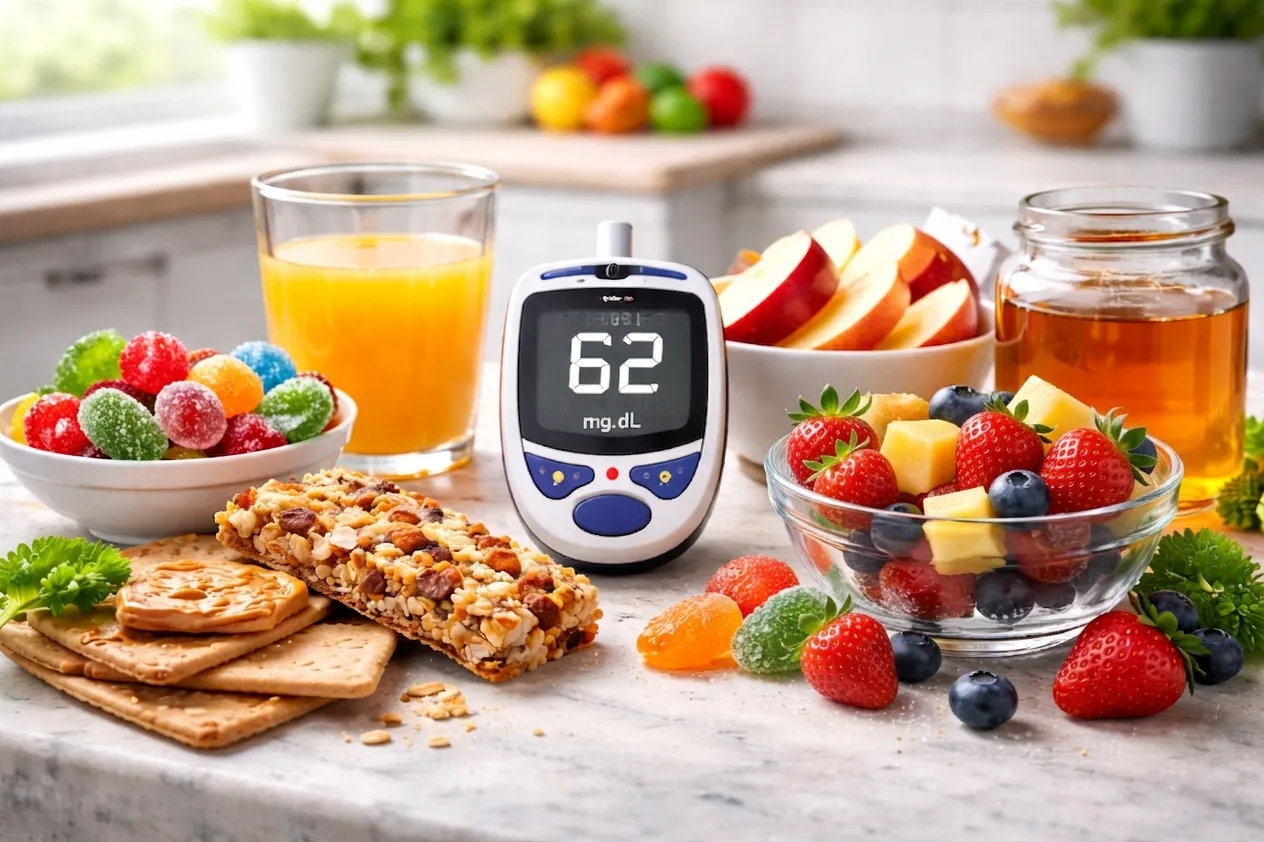
Experiencing a sudden drop in blood sugar can be incredibly frightening, leaving you feeling shaky, dizzy, and deeply confused. Whether you have diabetes or simply experience occasional metabolic crashes, knowing exactly what to eat when blood sugar is low is a critical survival skill.
Dr. Marcus Thorne, a clinical endocrinologist and Certified Diabetes Care and Education Specialist, emphasizes that acting quickly is essential to prevent a mild crash from turning into a severe medical emergency. When your blood glucose drops below the safe threshold of 70 mg/dL, your brain and body become rapidly starved of their primary fuel source.
This immediate starvation causes intense physical symptoms like profound sweating, a racing heartbeat, and sudden, overwhelming weakness. Introducing the right fast-acting carbohydrates immediately restores your energy and stabilizes your fragile nervous system.
Quick Answer
When blood sugar is low, eat fast-acting carbohydrates such as fruit juice, glucose tablets, honey, or candy. These foods quickly raise blood glucose levels and help relieve symptoms of hypoglycemia.
What Happens When Blood Sugar Drops Below 70?
Many patients frequently ask what to do when blood sugar drops below 70 because they do not fully understand the internal alarms going off in their bodies. A reading of 70 mg/dL officially marks the beginning of clinical hypoglycemia, signaling that your brain is actively losing its fuel supply.
At this stage, your body releases massive amounts of adrenaline to force stored sugar into the bloodstream, causing classic shakiness and anxiety. If the number continues to fall to 54 mg/dL or lower, the situation becomes clinically significant and highly concerning. At this stage, severe neurological symptoms begin to appear, including profound confusion, slurred speech, and noticeably blurred vision.
When considering what level of low blood sugar is dangerous, anything below 40 mg/dL is an absolute medical emergency. At this critically low level, patients experience extreme weakness and are at a significantly high risk for seizures or falling into a diabetic coma.
What Foods Help Raise Blood Sugar Quickly?
When you are actively crashing, you need immediate, readily available fuel. When people search for what foods help raise blood sugar quickly, endocrinologists immediately point to fast-acting sugars. These are simple carbohydrates that require zero digestion to enter the bloodstream instantly.
The medical gold standard for treating this is the “15-15 rule.” First, consume exactly 15 grams of simple carbohydrates. Second, wait exactly 15 minutes and recheck your blood sugar to see if it has safely risen above 70 mg/dL.
If you are looking for fast-acting sugars for hypoglycemia, pure glucose tablets are the most reliable and accurately measured option available. Other highly effective emergency options include drinking four ounces of fruit juice or a half-can of regular, non-diet soda.
If you are at home and wondering how to increase your sugar level immediately, a tablespoon of pure honey or a small handful of jelly beans works perfectly. Even a small box of raisins can provide the immediate glucose spike your body desperately needs to recover from the crash.
Best Foods to Eat for Low Blood Sugar Levels
Once you have successfully raised your blood sugar out of the danger zone using the 15-15 rule, you must proactively stabilize it. Finding the best food to eat for low blood sugar levels means choosing smart snacks that offer sustained, long-lasting energy.
If you only consume simple sugars, your glucose will rapidly spike and quickly crash again within an hour. Therefore, when asking what is best to eat when blood sugar is low, you must intentionally pair complex carbohydrates with a healthy source of protein or fat.
Excellent examples of sustained recovery foods include a fresh banana paired with a spoonful of natural peanut butter. Alternatively, eating crisp apple slices with a small piece of cheese provides a perfect balance of natural sugars and slow-digesting proteins.
If you are wondering what is good to eat when blood sugar is low during mid-afternoon, a small bowl of Greek yogurt or a high-fiber granola bar works exceptionally well. These specific nutritional combinations prevent dangerous secondary crashes and keep you feeling energized for hours.
Low Blood Sugar Emergency Snacks
Preparation is your absolute best defense against sudden, unpredictable hypoglycemic episodes. Keeping low blood sugar emergency snacks within arm’s reach ensures you are never caught off guard during a dangerous metabolic drop.
Dr. Thorne constantly reminds his patients to prioritize portability and convenience when packing their daily bags. You need items that will not melt in a hot car, freeze in the winter, or spoil if left in a desk drawer for several weeks.
The absolute best foods to eat when hypoglycemic on the go include tightly sealed tubes of glucose tablets or small, shelf-stable fruit juice boxes. Hard candy, jelly beans, and specialized sports energy gels are also fantastic, highly portable options that fit in any pocket.
Having these foods that help with hypoglycemia readily available at work, in your purse, and on your nightstand provides immense peace of mind. You should never have to wander around a store looking for food while experiencing severe confusion or physical dizziness.
What to Eat or Drink When Blood Sugar Is Low
During a severe crash, chewing and swallowing solid food can sometimes feel incredibly difficult due to intense nausea, dry mouth, or weakness. In these critical moments, knowing what to eat or drink when blood sugar is low can literally save your life.
Liquids are vastly superior for immediate emergency treatment because they pass through the stomach and enter the bloodstream much faster than solid foods. When questioning what to eat or drink when your blood sugar is low, you should actively reach for liquids first.
Four ounces of pulp-free orange juice or clear apple juice are classic, highly effective remedies used in emergency rooms and clinics worldwide. Half a cup of regular, sugar-sweetened soda will also rapidly reverse the terrifying symptoms of a sudden crash.
If juice or soda is completely unavailable, standard sports drinks loaded with fast-digesting carbohydrates and electrolytes are an excellent emergency backup. They quickly restore your metabolic balance and rapidly pull you out of the danger zone.
What to Eat When Blood Sugar Is Too Low
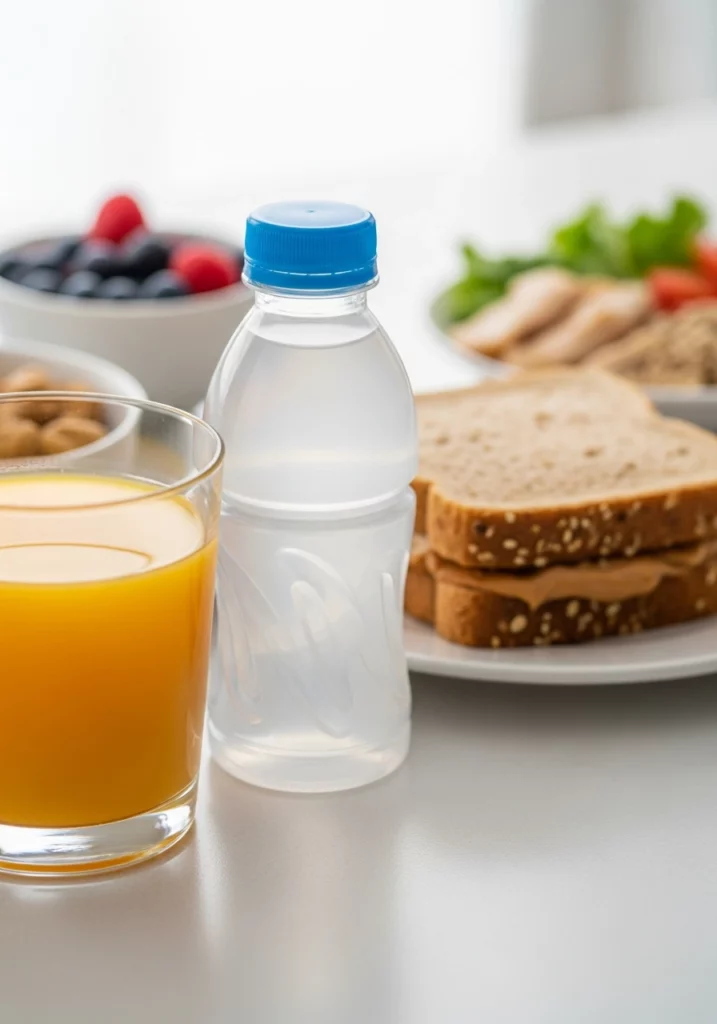
It is clinically crucial to distinguish between the immediate emergency treatment phase and the secondary recovery phase. When figuring out what to eat when blood sugar is too low, your very first step must always be the fast-acting liquid or simple sugar.
However, once your glucose monitor safely reads above 70 mg/dL, you must transition to a combination food strategy to lock in that newfound stability. Many patients make the dangerous mistake of stopping after the juice, only to crash again 30 minutes later.
When considering what to eat when blood sugar level is low post-recovery, prioritize a balanced mini-meal combining lean protein and complex carbohydrates. A classic half peanut butter sandwich on whole-wheat bread is an absolutely ideal choice for this phase.
If it is close to your normal mealtime and you are wondering what to eat when the blood sugar is low, simply sit down and eat your planned lunch or dinner. Just ensure your meal contains lean protein, healthy fats, and high-fiber grains to anchor your glucose securely for the rest of the day.
What to Eat When Blood Sugar Is Low for Diabetes
Managing insulin therapy or oral medications requires strict attention to your daily nutritional intake. When figuring out what to eat when blood sugar is low, diabetes patients must act swiftly, as pharmaceutical treatments can drive glucose down rapidly.
Endocrinologist Dr. Marcus Thorne notes that diabetes what to eat when blood sugar is low often depends on the severity of the drop. Lows frequently happen due to accidentally injecting too much insulin, exercising more than usual, or simply skipping a scheduled meal.
If you have something to eat when blood sugar is low, type 2 diabetes, or type 1, your immediate defense should always be pure glucose tablets, fruit juice, or hard candy. After treating the immediate emergency, you must follow up with a highly balanced snack containing both protein and complex carbohydrates to prevent another rapid drop.
What to Eat When Blood Sugar Is Low (Non-Diabetic)
Experiencing severe energy crashes without a diabetes diagnosis is known clinically as reactive hypoglycemia. When considering what to eat when blood sugar is low, non diabetic, the approach shifts slightly toward prevention and long-term metabolic stabilization.
These sudden drops often occur a few hours after eating a heavy, highly refined carbohydrate meal, causing your body to overproduce insulin. To combat this effectively, your recommended rescue foods should always pair a moderate natural sugar with a high-quality protein source.
Excellent choices include fresh fruit with a handful of almonds, whole-grain snacks with cheese, or a bowl of plain, unsweetened Greek yogurt. Understanding what causes low blood sugar without diabetes is crucial; prioritizing high-fiber, low-glycemic foods throughout the day will stop these reactive crashes completely.
What to Eat When Blood Sugar Is Low at Night
Waking up covered in sweat with a pounding heart is a terrifying indicator of nocturnal hypoglycemia. Knowing exactly what to eat when blood sugar is low at night can save you from a severe midnight medical emergency and ensure you sleep soundly.
When searching for what to eat when sugar is low at night, you need snacks that digest very slowly to sustain your brain until morning. A spoonful of peanut butter on whole-grain crackers is a classic, highly effective bedtime choice that provides hours of stable energy.
Other fantastic, sleep-friendly options include a small glass of milk paired with whole-grain toast or plain yogurt topped with fresh berries. Eating these specific combinations right before bed acts as a powerful anchor, stabilizing overnight blood sugar and preventing dangerous drops while you sleep.
What to Eat When Blood Sugar Is Low During Pregnancy
Pregnancy completely rewires a woman’s metabolism, placing massive daily energy demands on her body to support fetal growth. If you are wondering what to eat when blood sugar is low in pregnancy, you must factor in intense hormonal changes and naturally increased metabolic rates.
Severe morning sickness and missed meals can quickly drain a pregnant woman’s glucose reserves, leading to dizziness and sudden fainting spells. For safe, immediate relief, half a cup of clear fruit juice or a ripe banana will provide the necessary fast-acting carbohydrates without causing severe nausea.
Following up with a cup of protein-rich yogurt or a small handful of walnuts ensures the baby receives steady, sustained nutrition. We strongly recommend immediate medical consultation if these drops become a daily occurrence during your pregnancy.
What Foods to Eat When Your Blood Sugar Is Low
Creating a reliable mental checklist of rescue snacks is the best way to eliminate panic during a sudden metabolic crash. When reviewing what foods to eat when blood sugar is low, you must cleanly divide your options into two distinct categories: fast-acting and sustained.
First, if you are dizzy and need to know what food to eat when blood sugar is low right this second, grab simple sugars. A tablespoon of pure honey, four ounces of apple juice, or three chewable glucose tablets will immediately pull you out of the danger zone.
Second, when asking what foods to eat when your blood sugar is low to stay stable afterward, look for complex combinations. Eating a handful of mixed nuts, whole-grain crackers, or a slice of cheddar cheese will safely lock in your newly restored glucose levels.
What Not to Eat When Blood Sugar Is Low

In the middle of a frightening energy crash, it is incredibly tempting to grab the first sweet treat you see in the pantry. However, knowing what not to eat when blood sugar is low is just as critical as knowing what to consume, as the wrong food can dangerously delay your recovery.
You must strictly avoid foods that raise your blood sugar too slowly, such as rich chocolate bars, ice cream, or high-fat pastries. Fat acts as a massive roadblock in your digestive system, significantly slowing down how quickly your body can absorb the life-saving sugar it desperately needs.
Furthermore, heavy, greasy fast food or extremely large, complex meals take entirely too long to break down into usable glucose. Stick strictly to fat-free, simple carbohydrates during the initial emergency phase to ensure the sugar enters your bloodstream instantly.
What Is the Best Snack for Low Blood Sugar?
Once the immediate panic of a crash has subsided, maintaining your equilibrium becomes your top priority. If you frequently wonder what the best snack for low blood sugar is, the answer always involves pairing a slow-digesting carbohydrate with a healthy fat or lean protein.
Dr. Thorne frequently tells his patients that the ultimate, clinically proven snack is a simple banana sliced with natural, unsweetened peanut butter. Another excellent choice when asking what is good to eat when you have low blood sugar is crisp apple slices paired with a sharp cheddar cheese stick.
For a more savory option, try spreading canned tuna or hummus over three or four high-fiber, whole-grain crackers. These specific pairings provide a tiny, immediate energy boost followed by hours of reliable, sustained metabolic stability.
What Should I Eat If I Feel Shaky and Weak?
Sudden tremors, a racing heart, and profound physical weakness are your body’s blaring alarm bells signaling a severe lack of brain fuel. If you are panicking and asking what to eat if you feel shaky and weak, you must completely bypass complex foods and go straight for liquid sugar.
Drink four ounces of standard, non-diet soda or any pulp-free fruit juice immediately to halt the adrenaline surge causing your shakiness. Once the trembling physically stops, you must eat a small, balanced meal, like a turkey sandwich, to ensure the weakness does not return.
Best Diet for People With Hypoglycemia
Preventing crashes is vastly more enjoyable than constantly treating them with emergency juice boxes and candy. What is the best diet for those who suffer from hypoglycemia protocol focuses entirely on flattening your daily glucose curve so it never violently spikes or drops.
The key principles involve eating small, frequent, highly balanced meals every three to four hours to maintain a constant trickle of energy. You must prioritize high-fiber foods like leafy greens, legumes, and complex whole grains, which digest incredibly slowly.
Furthermore, committing to eating a solid portion of lean protein with absolutely every meal and snack is non-negotiable. This dietary structure actively prevents your pancreas from overreacting, keeping your daily energy levels remarkably smooth and predictable.
7-Day Meal Plan for Hypoglycemia
Transitioning to a highly stable way of eating is much easier when you have a structured, visual guide for your weekly groceries. Following a simple 7-day meal plan for hypoglycemia takes the daily guesswork out of balancing your critical macronutrients.
| Day | Breakfast | Mid-Day Snack | Dinner |
| Day 1 | Steel-cut oatmeal with walnuts | Plain Greek yogurt with berries | Grilled chicken breast and mixed vegetables |
| Day 2 | Two scrambled eggs and whole-grain toast | Crisp apple slices and almonds | Baked white fish, brown rice, and broccoli |
| Day 3 | Protein smoothie with spinach and chia seeds | Whole-grain crackers and hummus | Turkey meatballs with zucchini noodles |
By focusing on these specific combinations, you naturally stabilize your blood sugar throughout the entire week, preventing unexpected mid-afternoon energy crashes.
Frequently Asked Questions
What foods help raise blood sugar quickly?
Foods that contain simple, fast-acting carbohydrates without any fat or protein will raise your blood sugar the fastest. Excellent examples include half a cup of clear fruit juice, three to four chewable glucose tablets, a tablespoon of pure honey, hard candy, and regular, non-diet soda.
What should I eat if my blood sugar is low?
You must follow the clinical 15-15 rule: eat 15 grams of fast-acting carbohydrates first, wait 15 minutes, and then recheck your levels. Once your glucose safely rises above 70 mg/dL, follow up immediately with a balanced snack containing protein and complex carbohydrates, like a peanut butter sandwich.
What is the best snack for low blood sugar?
The best recovery snacks combine natural sugars for immediate energy with slow-digesting proteins to prevent a secondary crash. A fresh banana with natural peanut butter, crisp apple slices with a piece of cheese, or whole-grain crackers with tuna provide excellent, long-lasting glucose stability.
What level of low blood sugar is dangerous?
A reading of 70 mg/dL marks the beginning of hypoglycemia, but blood sugar levels dropping below 54 mg/dL are considered clinically significant and require immediate treatment. Anything falling below 40 mg/dL is a severe medical emergency that can lead to seizures, loss of consciousness, or a diabetic coma.
Conclusion
Understanding exactly what to eat when blood sugar is low is a highly empowering skill that protects your brain, body, and overall safety. Hypoglycemia requires immediate, fast-acting carbohydrate treatment to quickly raise your glucose and halt severe neurological symptoms.
However, the true secret to lifelong metabolic health is preventing these terrifying episodes from ever happening in the first place. By consistently eating highly balanced, fiber-rich meals, you can maintain perfectly stable energy levels from morning until night.
If you find yourself experiencing these severe drops frequently, do not simply rely on emergency candy to get through the day. We strongly encourage you to schedule a comprehensive medical consultation to uncover the root cause of your symptoms.
Authoritative Medical References:
- National Center for Biotechnology Information (NCBI / StatPearls) – Hypoglycemia
- Mayo Clinic – Diabetic Hypoglycemia (Diagnosis & Treatment)
- National Institute of Diabetes and Digestive and Kidney Diseases (NIDDK) – Low Blood Sugar (Hypoglycemia)
- Cleveland Clinic – Hypoglycemia (Low Blood Sugar)
- American Diabetes Association (ADA) – Hypoglycemia (Low Blood Sugar)