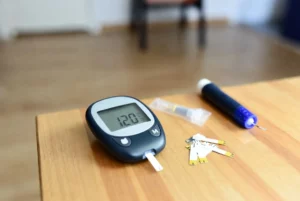
Dangerous blood sugar levels occur when readings fall below 70 mg/dL (hypoglycemia) or rise above 300 mg/dL (hyperglycemia). A level below 54 mg/dL is a medical emergency, while levels over 400 mg/dL are critical. These extremes can cause confusion, loss of consciousness, organ stress, or coma and require immediate treatment or emergency care.
What level of blood sugar is dangerous? It’s one of the most common—and most important—questions people with diabetes or prediabetes ask. Blood sugar levels naturally rise and fall throughout the day, but certain numbers can signal a serious medical problem requiring immediate attention.
The challenge is that many people are unsure which readings are normal fluctuations and which indicate danger. That uncertainty can lead to panic, delayed treatment, or ignoring symptoms that should never be overlooked.
In clinical practice, I frequently see patients confused by sudden spikes or drops in glucose readings. Some become overly alarmed by temporary changes, while others underestimate dangerously high or low levels that can quickly turn into emergencies. Understanding these thresholds is essential for protecting your brain, heart, kidneys, and overall metabolic health.
Generally, blood sugar below 70 mg/dL is considered dangerously low, while levels above 300 mg/dL may indicate severe hyperglycemia. Both extremes can affect cognitive function, energy levels, hydration, and organ function. In this guide, you’ll learn the warning signs, emergency thresholds, and practical steps to stabilize blood sugar safely and confidently in 2026.
What Is a Dangerous Blood Sugar Level?
Glucose fuels your brain and body. When levels swing too high or low, cellular function breaks down. Dr. Robert Vance, a board-certified endocrinologist, explains that extreme fluctuations disrupt vital organ systems within minutes. For context, learning what normal blood sugar is helps establish your personal baseline. Dangerous thresholds aren’t arbitrary—they reflect when physiological stress becomes life-threatening.
Low Blood Sugar
Hypoglycemia occurs when insulin outweighs available glucose. Any reading below 70 mg/dL requires immediate correction. Below 54 mg/dL, you face a severe, life-threatening risk. Your brain cannot store glucose—it depends on a continuous bloodstream supply. When that supply drops, brain cells misfire rapidly. Recognizing low blood sugar symptoms early can prevent seizures or loss of consciousness.
Symptoms of Dangerously Low Blood Sugar:
- Uncontrollable shaking, tremors, or muscle weakness
- Profuse cold sweating in cool environments
- Sudden confusion, brain fog, or slurred speech
- Rapid heartbeat and severe anxiety
- Dizziness leading to fainting or collapse
If untreated, severe hypoglycemia can cause permanent neurological damage. Always carry fast-acting carbs. Learn what to eat when blood sugar is low to respond safely.
High Blood Sugar
Hyperglycemia means excess glucose builds up in your bloodstream. While readings over 180 mg/dL cause long-term damage, immediate danger starts at a higher level. Endocrinologists flag 250–300 mg/dL as highly concerning. At 400 mg/dL+, you face a critical emergency. Understanding what high blood sugar is helps you recognize escalation patterns.
Symptoms of Dangerously High Blood Sugar:
- Excessive thirst and dry mouth
- Frequent, high-volume urination
- Blurred vision or inability to focus
- Crushing fatigue and heavy limbs
- Nausea, vomiting, or abdominal pain
When glucose can’t enter cells, blood thickens. This raises risks of diabetic ketoacidosis (DKA) or hyperosmolar hyperglycemic state (HHS). Learn about diabetic ketoacidosis symptoms to spot emergencies early.
What Happens If Blood Sugar Is Too High?
Sustained high glucose triggers systemic failure. Extreme urination causes dangerous dehydration and electrolyte loss. Acidic, viscous blood struggles to deliver oxygen, risking organ damage. Without IV fluids and medical insulin, progression to diabetic coma can be swift. The CDC’s guidance on preventing diabetic ketoacidosis outlines critical intervention steps. Early recognition saves lives.
Are Low Blood Sugar Levels Dangerous?
Yes—often more immediately life-threatening than temporary highs. Severe hypoglycemia can be fatal within minutes, especially during sleep when warning signs go unnoticed. Older adults face higher risks due to reduced metabolic resilience. Those using insulin or sulfonylureas require extra vigilance. Review hypoglycemia management protocols with your care team.
Normal vs Dangerous Blood Sugar Levels Chart
| Category | mg/dL | mmol/L | Meaning |
|---|---|---|---|
| Normal (fasting) | 70–99 | 3.9–5.5 | Healthy, stable range |
| Prediabetes | 100–125 | 5.6–6.9 | Elevated baseline risk |
| Diabetes | ≥126 | ≥7.0 | Diagnostic threshold |
| Low (dangerous) | <70 | <3.9 | Clinical Hypoglycemia |
| Severe low | <54 | <3.0 | Immediate emergency risk |
| High (dangerous) | >300 | >16.7 | Severe Hyperglycemia |
| Severe high | >400 | >22.2 | Critical medical emergency |
This blood sugar levels chart provides a quick reference. Remember: trends matter more than single readings. Track patterns with your provider.
Dangerous Blood Sugar Levels by Diabetes Type
Type 1 Diabetes Risk Factors
Type 1 diabetes involves zero natural insulin production. Patients rely entirely on injected insulin, raising risks of rapid glucose spikes. Dangerous thresholds start around 250 mg/dL. Without baseline insulin, fat breakdown floods the blood with ketones, risking DKA within hours. Dr. Vance advises checking urine ketones anytime readings exceed 250 mg/dL. Understanding what type 1 diabetes is clarifies these unique risks.
Type 2 Diabetes Risk Factors
Type 2 diabetes features insulin resistance—insulin is present but ineffective. Dangerous highs typically start at 300–400 mg/dL. However, slow-building hyperosmolar hyperglycemic states (HHS) pose severe risks. Profound dehydration and thickened blood can trigger organ failure. Learn how type 2 diabetes develops to anticipate complications.
What Level of Blood Sugar Is Dangerous After Meals?
Post-meal spikes are normal but should resolve within two hours. Non-diabetics stay under 140 mg/dL. Readings of 140–199 mg/dL indicate prediabetes. Surges past 250–300 mg/dL damage blood vessels and require intervention. Consistent post-meal highs signal poor insulin response. Review foods to include in a diabetic diet to stabilize postprandial glucose.
Dangerous Fasting Blood Sugar Levels
Fasting glucose reflects overnight liver management. Healthy range: 70–99 mg/dL. A level below 70 mg/dL indicates failed glycogen release. For diagnosed diabetics, consistent fasting highs above 130 mg/dL guarantee progressive kidney and eye damage. Morning patterns inform medication adjustments. Discuss how to lower fasting blood sugar with your endocrinologist.
Global Units: mmol/L Conversion Guide
| mg/dL (US) | mmol/L (International) | Clinical Meaning |
|---|---|---|
| 70 | 3.9 | Borderline Hypoglycemia |
| 100 | 5.6 | Borderline Prediabetes |
| 180 | 10.0 | Maximum Safe Post-Meal |
| 300 | 16.7 | Dangerous Hyperglycemia |
| 400 | 22.2 | Critical Medical Emergency |
If you use mmol/L devices, bookmark this conversion. Global guidelines align on danger thresholds regardless of units.
Is a Blood Sugar Level of 400 Dangerous?
Yes—400 mg/dL is a life-threatening emergency. At this level, blood becomes toxic to the brain, heart, and kidneys. Risks include irreversible coma. Common causes: missed insulin doses, severe infection, or pump failure. Seek emergency care immediately for IV fluids and insulin stabilization. The Mayo Clinic’s hyperglycemia guidance details emergency protocols.
How High Can Blood Sugar Go?
In extreme HHS cases, glucose can exceed 600–1,000 mg/dL. Blood thickens to a syrup-like consistency, impairing circulation. Brain cells lose water, causing swelling, confusion, and seizures. Without ICU intervention, mortality is high. Early recognition of early warning signs of diabetes prevents escalation to these extremes.
Recognizing the Warning Signs of Critical Glucose Levels
Five Primary Indicators of Dangerous Hyperglycemia
- Unquenchable thirst—brain signals to dilute toxic blood sugar
- Relentless urination—kidneys flush excess glucose
- Severe visual distortion—fluid pulled from the eye lenses
- Crushing fatigue—glucose trapped outside starving cells
- Fruity-smelling breath—ketone production signals DKA risk
Five Primary Indicators of Dangerous Hypoglycemia
- Intense dizziness—brain fuel depletion
- Profuse cold sweating—adrenaline surge response
- Ravenous hunger—body demands fast carbs
- Acute confusion—neurological misfiring
- Uncontrollable tremors—nervous system distress
Dr. Vance trains patients to act on symptoms before monitors confirm emergencies. Trust your body’s alarms.
When to Seek Immediate Emergency Hospital Care
Home management has limits. Call emergency services if:
- Blood sugar reads than 54 mg/dL or greater than 400 mg/dL
- Patient loses consciousness, has seizures, or cannot swallow safely
- Symptoms worsen despite home interventions
Never force food/liquids into an unconscious person—the risk of choking is fatal. Emergency teams provide IV glucose or insulin as needed.
How to Stabilize Dangerous Blood Sugar Levels Immediately
Rapid Action for Severe Lows (The 15-15 Rule)
If conscious and able to swallow:
- Consume 15g fast-acting carbs (glucose tabs, 4oz juice, 1 tbsp honey)
- Wait 15 minutes and retest
- Repeat if still < 70 mg/dL
- Follow with protein + complex carb snack to prevent rebound crash
Avoid chocolate or peanut butter during lows—fat delays glucose absorption. Learn how to raise blood sugar fast for emergency preparedness.
Safe Protocols for High Blood Sugar Reduction
For readings 300–400 mg/dL:
- Drink water continuously to rehydrate and flush glucose
- Administer the prescribed correction insulin dose if applicable
- If no ketones present, take a gentle 20-minute walk
- Avoid exercise if ketones are detected—it worsens acidosis
Always follow your personalized sick-day plan. Contact your provider if levels remain elevated after interventions.
Nutritional Strategies to Maintain Safe Glucose Zones
Emergency Foods for Sudden Drops
Carry portable fast-acting options: glucose tablets, pure juice, or honey. Keep them accessible in the car, purse, or gym bag. Avoid high-fat treats during emergencies—they delay life-saving glucose delivery.
Dietary Choices to Prevent Severe Spikes
Prioritize fiber-rich, low-glycemic foods: leafy greens, lean proteins, and legumes. Fiber slows carb digestion, preventing violent glucose floods. Explore healthy snacks for diabetics for practical meal ideas.
Normal Blood Sugar Levels Chart by Age
| Age Group | Fasting Range (mg/dL) | Post-Meal Maximum (mg/dL) |
|---|---|---|
| Children (Under 6) | 80–130 | Up to 180 |
| Children (6–12) | 80–130 | Up to 180 |
| Teens (13–19) | 70–130 | Up to 180 |
| Adults (20+) | 70–99 | Under 140 |
| Older Adults (65+) | 90–130 | Under 180 |
Older adults receive wider targets to prevent dangerous nocturnal lows. Discuss age-appropriate goals with your care team.
Frequently Asked Questions
What is a dangerous blood sugar level?
Dangerous levels fall below 70 mg/dL or exceed 300 mg/dL. Low risk of confusion or unconsciousness; highs may cause dehydration or organ stress. Always verify with a test if you feel unwell. Keep fast-acting carbs accessible for lows. Follow your personalized sick-day plan for highs. Contact your care team when uncertain—safety always comes first.
What level of blood sugar is dangerously low?
Readings below 54 mg/dL constitute a medical emergency. At this level, your brain lacks essential fuel, risking seizures or loss of consciousness. Treat immediately with 15–20 grams of fast-acting carbohydrates. If swallowing is unsafe, administer glucagon and call emergency services. Never ignore severe lows. Discuss prevention strategies with your provider.
What is a dangerously high blood sugar level?
Blood sugar exceeding 400 mg/dL requires urgent medical attention. Risks include diabetic ketoacidosis (Type 1) or hyperosmolar syndrome (Type 2)—both life-threatening conditions. Check for ketones, hydrate well, and follow your correction protocol. Seek emergency care if levels persist or symptoms like nausea, confusion, or shortness of breath develop.
How do I bring my blood sugar down quickly?
First, confirm the high reading with a test. If you use insulin, administer your prescribed correction dose. Drink water to help flush excess glucose. If no ketones are present, a short, gentle walk may assist. Avoid exercise if ketones are detected—it can worsen acidosis. Always follow your personalized sick-day plan and contact your provider if levels remain elevated.
What is the highest you should let your blood sugar go?
Aim to keep post-meal blood sugar under 180 mg/dL. Occasional spikes occur, but frequent highs increase long-term complication risks. If patterns exceed targets, review meal timing, carb estimates, or medications with your care team. Small adjustments—like adding fiber or walking after meals—can smooth glucose curves. Consistency drives sustainable health outcomes.
Conclusion
Understanding dangerous blood sugar levels is a critical survival skill. Occasional fluctuations are normal, but extremes demand immediate action. Below 70 mg/dL? Act instantly with fast-acting carbs. Above 300 mg/dL? Monitor for ketones and hydrate aggressively.
Never guess during a metabolic crisis. Early recognition and decisive action prevent emergencies. Partner with your care team to personalize thresholds and response plans. Your vigilance protects your long-term health.
Authoritative References
- Centers for Disease Control and Prevention. (2025). Preventing Diabetic Ketoacidosis. https://www.cdc.gov/diabetes/about/diabetic-ketoacidosis.html
- American Diabetes Association. (2025). Hyperglycemia (High Blood Glucose). https://diabetes.org/living-with-diabetes/treatment-care/hyperglycemia
- American Diabetes Association. (2025). Low Blood Glucose (Hypoglycemia). https://diabetes.org/living-with-diabetes/treatment-care/hypoglycemia
- Mayo Clinic. (2025). Hyperglycemia in Diabetes. https://www.mayoclinic.org/diseases-conditions/hyperglycemia/symptoms-causes/syc-20373631
- Mayo Clinic. (2025). Diabetic Ketoacidosis. https://www.mayoclinic.org/diseases-conditions/diabetic-ketoacidosis/symptoms-causes/syc-20371551
- Cleveland Clinic. (2025). Hyperglycemia (High Blood Sugar). https://my.clevelandclinic.org/health/diseases/9815-hyperglycemia-high-blood-sugar
- Cleveland Clinic. (2025). Hypoglycemia (Low Blood Sugar). https://my.clevelandclinic.org/health/diseases/11647-hypoglycemia-low-blood-sugar
- Harvard T.H. Chan School of Public Health. (2025). Carbohydrates and Blood Sugar. https://nutritionsource.hsph.harvard.edu/carbohydrates/carbohydrates-and-blood-sugar
- World Health Organization. (2025). Diabetes. https://www.who.int/news-room/fact-sheets/detail/diabetes
- National Health Service. (2025). Hyperglycemia (High Blood Sugar). https://www.nhs.uk/conditions/high-blood-sugar-hyperglycaemia/