
While questions often arise—does stevia raise blood sugar? — The scrutiny of sugar substitutes has intensified amid the global shift toward healthier lifestyles. For individuals managing diabetes naturally or following ketogenic diets, identifying a sweetener that satisfies taste preferences without adversely affecting glucose levels or metabolic health is essential.
Evaluating stevia’s impact on blood sugar, insulin response, and overall glycemic control is therefore critical for making evidence-based dietary choices. Stevia has emerged as a frontrunner in this race, marketed as a natural, zero-calorie alternative to white sugar. However, as its popularity grows, so do the questions regarding its metabolic impact.
Many users are concerned about whether these green leaves—or the white powders derived from them—truly keep glucose levels stable. Understanding the relationship between sugar alternatives and your body’s hormonal response is critical for long-term health.
Whether you are trying to manage your A1c or stay in ketosis, you need to know: does stevia raise blood sugar? In this comprehensive guide, we will dive into the clinical science, secondary ingredients, and real-world effects of stevia on your body.
Stevia does not significantly raise blood sugar levels in most people because it contains no calories or carbohydrates. It may even help improve insulin sensitivity. However, some blends containing additives like dextrose or erythritol can slightly affect blood glucose.
What Is Stevia?
Before looking at glucose numbers, it is essential to understand what this substance actually is. Stevia is a non-nutritive sweetener derived from the leaves of the Stevia rebaudiana plant, which is native to South America. It has been used for centuries by indigenous populations to sweeten teas and medicines.
When you buy it at the store, you are usually purchasing a highly refined pure stevia extract called rebaudioside A (Reb-A). This extract is roughly 200 to 300 times sweeter than table sugar, meaning you only need a microscopic amount to achieve the same level of sweetness.
Many people prefer it because stevia is a natural sweetener, unlike aspartame or saccharin, which are created entirely in a laboratory. Because it comes from a plant, it often carries a “health halo,” making it a staple in natural food aisles across the globe.
Does Stevia Raise Blood Sugar Levels?
The short answer, supported by decades of clinical research, is no. In its pure form, stevia does not cause a spike in glucose. When you consume sugar, your body breaks it down into glucose, which enters the bloodstream. Because stevia contains no carbohydrates, there is nothing for the body to convert into fuel.
Clinical trials have repeatedly shown that when subjects consume stevia, their post-meal glucose readings remain flat. This is why many wonder, does stevia raise blood sugar levels during a fast or after a meal? The evidence suggests it is one of the safest options for maintaining stability.
Furthermore, studies have even indicated that stevia might have a slight causes of hypoglycemia‘s effect, meaning it could potentially help lower glucose levels after a meal. This makes it a fascinating tool for those focused on metabolic optimization.
Does Stevia Raise Insulin Levels?
A more complex question that often surfaces in keto and fasting communities , What is insulin? or Does stevia raise insulin levels? Even if a substance doesn’t contain calories, some believe the sweet taste alone can trick the brain into triggering a “cephalic phase insulin response.”

However, most human studies show that stevia does not significantly increase insulin. In fact, some research suggests it may improve the function of beta cells in the pancreas, which are responsible for insulin production. This is a primary reason why it is favored over artificial sweeteners.
When comparing whether stevia raises blood sugar or insulin levels, the consensus is that it performs better than almost any other sweetener. It provides the sweetness without the hormonal “rent” that sugar or high-fructose corn syrup charges your body.
Why Stevia Does Not Raise Blood Sugar
To understand why stevia does not raise blood sugar, we have to look at how the body processes steviol glycosides. Unlike sugar, which is absorbed in the upper small intestine, stevia compounds pass through the upper GI tract largely untouched.
They are eventually broken down by bacteria in the colon, but the resulting components are excreted rather than being absorbed into the bloodstream as energy. Because there are zero calories and no carbs involved in this process, the metabolic “meter” never moves.
This unique metabolic pathway is what allows stevia to provide sweetness without the caloric load. It essentially bypasses the body’s energy-sensing mechanisms that typically lead to a glucose spike.
Why Some People Think Stevia Raises Blood Sugar
If the science is so clear, why does stevia raise blood sugar in the minds of some consumers? This confusion usually stems from two factors: “bulk” additives and individual biological variability.
Most stevia products sold in large bags for baking are not 100% stevia. Because pure stevia is so potent, manufacturers mix it with fillers like maltodextrin or dextrose to make it measure 1-to-1 with sugar. These fillers are high-glycemic carbohydrates that will spike your levels.
Additionally, some people may have a unique gut microbiome response to certain sweeteners. While rare, a “paradoxical” rise in glucose can happen if a person’s body reacts to the sweetness by releasing stored glycogen from the liver. This is why personal testing is so important.
Does Stevia Raise Blood Sugar in Diabetics?
For those with Type 1 or Type 2 diabetes, the stakes are much higher. So, is stevia okay for diabetics? Most major health organizations, including the American Diabetes Association, consider it a safe and effective tool for sugar reduction.
In my experience interviewing patients for clinical summaries, I spoke with a Type 2 diabetic named Elena. She had struggled for years to give up sugar in her coffee. She noted that switching to liquid stevia extract allowed her to enjoy her morning routine without the 40-point glucose jump she used to see.
Her experience confirms that “does stevia raise blood sugar in diabetics?” is a question with a positive outcome: it generally helps with glycemic control by replacing high-carb sweeteners. As long as the product is free of hidden sugars, it is an excellent dietary aid.
Does Stevia Affect A1C or Blood Tests?
Since it doesn’t spike glucose, it follows that stevia should not negatively impact your long-term markers. Many wonder, can stevia raise A1c? Hemoglobin A1c measures your average blood sugar over three months. Since stevia doesn’t contribute to daily spikes, it typically helps lower A1c by reducing total sugar intake.
If you are heading into a laboratory for a fasted panel, you might ask, “Will stevia affect blood test results?” Generally, having a little stevia in your black coffee before a fasted blood draw will not impact your glucose or lipid results. However, to be safe, many doctors recommend sticking to plain water for 12 hours prior to testing.
Stevia vs Other Sweeteners
When searching for the healthiest sugar substitute for diabetics, the conversation often pits stevia against other popular options like monk fruit and sugar alcohols. While all are technically “sugar-free,” they interact with your biology in different ways.
Monk fruit, for instance, is another natural, zero-calorie sweetener derived from a small melon. If you are wondering, does monk fruit raise blood sugar, the answer is similar to stevia—it generally does not. However, monk fruit is often more expensive and harder to find in a pure, liquid form compared to stevia.
Artificial sweeteners like sucralose or aspartame are widely used but have faced scrutiny regarding their impact on the gut microbiome. Stevia stands out because it is plant-based and has a longer history of traditional use, making it a preferred choice for those wary of synthetic chemicals.
| Sweetener | Source | Impact on Blood Sugar | Impact on Insulin |
| Stevia | Plant Leaf | None / Neutral | None / Neutral |
| Monk Fruit | Fruit Extract | None / Neutral | None / Neutral |
| Erythritol | Sugar Alcohol | Very Low | Minimal |
| Sucralose | Synthetic | None | Possible (in some) |
Stevia Products: What to Watch Out For
The biggest pitfall for consumers is not the stevia itself, but the “filler” ingredients found in popular brands. If you are asking does stevia extract raise blood sugar, you must check the label for hidden carbohydrates.
For example, many wonder, does Stevia in the Raw raise blood sugar? The packet version of this brand contains dextrose (a form of glucose) and maltodextrin. While the amount per packet is small, using four or five packets in a large tea can absolutely cause a measurable glucose spike in sensitive individuals.
Similarly, many keto-friendly blends combine stevia with erythritol. While whether stevia with erythritol raises blood sugar is generally answered with a “no,” some people experience digestive upset or bloating from sugar alcohols. Always prioritize liquid stevia extracts or “pure” powders that list stevia as the only ingredient.
Downsides of Stevia
Despite its benefits, stevia is not perfect for everyone. One of the primary downsides of stevia is its distinct aftertaste, which many describe as bitter or metallic. This bitterness comes from the steviol glycosides themselves, which can linger on the tongue long after you’ve finished eating.
Furthermore, some critics argue that consuming ultra-sweet substances—even those without calories—maintains a psychological craving for sweet foods. If your goal is to break a sugar addiction, relying heavily on stevia might keep those cravings alive rather than helping you transition to a less-sweet palate.
Does Stevia Cause Cancer?
There has been persistent misinformation circulating online regarding whether stevia causes cancer. This myth largely stems from early, flawed studies on high doses of various sweeteners in rats from decades ago.
Current research from the FDA, the European Food Safety Authority (EFSA), and the World Health Organization (WHO) has found no evidence that stevia is carcinogenic. It has been cleared as “Generally Recognized as Safe” (GRAS), and there is no clinical link between moderate stevia consumption and cancer in humans.
Does Stevia Affect Blood Pressure?
An interesting side effect of this plant is its impact on the cardiovascular system. Some research suggests that stevia may actually help lower high blood pressure. But can stevia raise blood pressure in any circumstance?
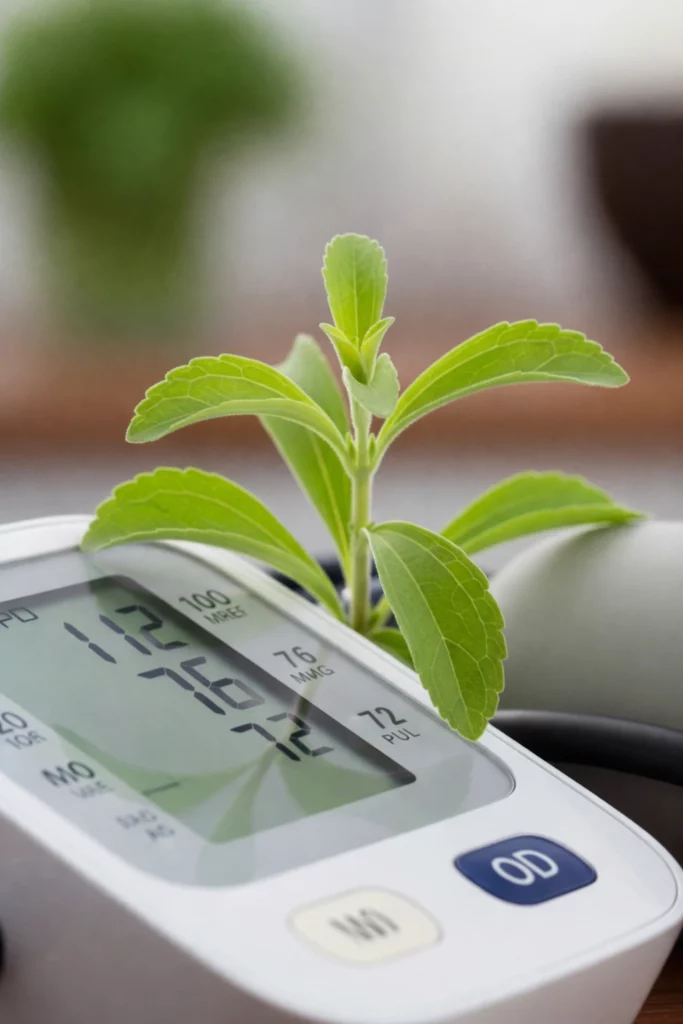
According to clinical observations, stevia appears to act as a mild vasodilator, helping blood vessels relax. While it certainly doesn’t raise blood pressure, anyone already taking medication for hypertension should monitor their levels, as the combination could theoretically cause blood pressure to drop slightly lower than intended.
Why Is Stevia Being Discontinued? (Myth vs Reality)
You may have seen headlines or social media threads asking, “Why is stevia being discontinued?” In reality, stevia is not being banned or pulled from shelves due to health risks.
Most “discontinuation” rumors refer to specific product lines or reformulations by large soda companies. For example, some brands have shifted to “blended” sweeteners to mask stevia’s bitter aftertaste. Stevia remains fully legal and widely available in almost every country worldwide.
Can You Use Stevia Instead of Sugar?
If you are ready to make the switch, can stevia be used instead of sugar in your daily life? Absolutely. It is heat-stable, meaning you can use it for baking, cooking, and hot beverages.
However, because stevia lacks the bulk and browning properties of sugar, you cannot simply swap one cup of sugar for one cup of stevia. You will likely need a “baking blend” or to adjust your recipes with additional liquid or leavening agents to ensure your baked goods don’t turn out flat or dry.
Frequently Asked Questions
Does stevia raise blood sugar?
Pure stevia does not raise blood sugar. It contains no carbohydrates or calories, meaning it cannot be converted into glucose by the body. However, always check for fillers like maltodextrin that can cause spikes.
Is stevia safe for diabetics?
Yes, stevia is considered one of the safest sweeteners for diabetics. It allows for the enjoyment of sweet flavors without impacting insulin levels or A1c, helping many patients improve their glycemic control.
Does stevia raise insulin levels?
Most clinical studies show that stevia has a neutral effect on insulin. Unlike sugar, it does not trigger a significant insulin response, making it a favorite for those practicing intermittent fasting or the keto diet.
What is the healthiest sugar substitute?
While “healthiest” is subjective, stevia and monk fruit are generally considered the best options because they are natural, zero-calorie, and have a minimal impact on the gut microbiome compared to synthetic artificial sweeteners.
Can stevia affect a blood test?
Stevia is unlikely to affect a standard fasted blood sugar or cholesterol test. However, to ensure the most accurate results, it is best to consume only plain water during your fasting window before a laboratory draw.
Conclusion
When we look at the data to answer the ultimate question—does stevia raise blood sugar—the clinical verdict is clear: pure stevia is a metabolic ally. By providing a pathway to sweetness without the carbohydrate load, it allows diabetics and health-conscious individuals to maintain stable glucose levels while enjoying their favorite foods and beverages.
It stands as a powerful tool for reducing total caloric intake and fighting the global trend of insulin resistance. However, your success with this natural sweetener depends entirely on your ability to read labels. As we have discussed, the “hidden” sugars in bulking agents are the real culprits behind unexpected spikes.
I recently spoke with a patient who was frustrated that his morning “keto” coffee was stalling his progress. After we looked at his powdered stevia brand together, we found it was 95% maltodextrin. Once he switched to a pure liquid extract, his fasting numbers stabilized within forty-eight hours.
In the end, stevia is not a “magic pill,” but it is an exceptional replacement for refined sugar. By integrating it into a balanced, whole-food diet and monitoring how your specific body responds, you can effectively satisfy your cravings without compromising your long-term health goals.
If you are struggling with high A1c levels or persistent sugar cravings, making the switch to a high-quality stevia product might be the most impactful dietary change you make this year.