

Managing stress with diabetes involves both mental and physical strategies. Practice deep breathing, yoga, or meditation daily to lower cortisol levels and stabilize blood sugar. Stay physically active, maintain consistent sleep, lean on a support network, and work with your diabetes care team to set realistic management goals — reducing pressure is part of treatment.
Living with a metabolic condition requires constant awareness of diet, medication, and physical activity, but one of the most underestimated factors affecting blood glucose is psychological stress. Many patients who ask how to reduce stress with diabetes are already taking an essential step toward improving long-term metabolic stability.
Stress is not only an emotional experience—it is a powerful physiological response that directly influences how the body regulates energy. When the brain perceives pressure, danger, or overwhelm, it activates the body’s survival systems. This triggers a cascade of hormonal changes designed to prepare for immediate action.
In everyday life, this response can be activated by work deadlines, financial concerns, lack of sleep, or even emotional frustration. These stressors may seem minor individually, but when they are constant, they keep the body in a prolonged state of alert.
For individuals with insulin resistance or impaired glucose regulation, this stress response can significantly disrupt blood sugar balance. Hormones such as cortisol and adrenaline increase glucose release into the bloodstream, making it harder for insulin to function effectively.
In clinical practice, endocrinologists frequently observe patients who follow structured diets, take medications correctly, and exercise regularly, yet still experience unpredictable glucose patterns. In many of these cases, chronic stress and anxiety play a major underlying role.
This is why addressing emotional health is just as important as managing nutrition and medication in diabetes care.
In this guide, we will explore how stress impacts metabolic function at a biological level and provide practical, evidence-based strategies to help reduce stress, stabilize blood sugar levels, and support both physical and mental well-being in daily life.
TL;DR (Quick Summary)
- Hormonal Impact: Stress rapidly raises blood sugar by releasing heavy amounts of cortisol and adrenaline into your bloodstream.
- Universal Effect: Both Type 1 and Type 2 diabetes are severely affected by both emotional and physical stress triggers, according to the ACOG Guidelines.
- Daily Management: Implementing daily stress management (like exercise, sleep optimization, and mindfulness) heavily improves overall glucose control.
- Long-Term Risks: Chronic, unmanaged stress actively worsens cellular insulin resistance and significantly increases the risk of diabetic complications.
What Is Stress in Diabetes?
To effectively manage your condition, you must first understand what stress actually is from a biological perspective.
Direct Answer: Stress is a severe physiological and psychological response that triggers the rapid release of hormones (such as cortisol and adrenaline), which directly and powerfully increase blood sugar levels.
There are two primary types of stress to consider: acute and chronic. Acute stress is a sudden, short-term event, like slamming on your brakes in traffic. Chronic stress is a heavy, lingering burden, such as long-term financial worry or ongoing relationship issues.
Individuals with metabolic disorders are deeply vulnerable to both types because their bodies cannot automatically release the precise amount of insulin needed to counteract these hormonal surges, per Mayo Clinic.
Furthermore, the constant demands of managing the disease itself often lead to a specific condition known clinically as “diabetes distress.” Understanding what is type 2 diabetes provides crucial context for this emotional burden.
How Does Stress Affect Diabetes?
Understanding the exact science behind your body’s reaction helps demystify sudden, frustrating glucose spikes.
The Science Behind Stress and Blood Sugar
When you experience psychological pressure, your sympathetic nervous system initiates a fight-or-flight response. Your adrenal glands immediately pump cortisol and adrenaline into your bloodstream.
These hormones actively signal your liver to dump its emergency stores of glucose, providing fuel to fight or flee the perceived danger. However, because you are likely just sitting at a desk feeling anxious, this excess sugar is not burned off by physical activity.
Simultaneously, cortisol actively blocks insulin from doing its job, severely worsening your baseline insulin resistance. This combination of extra sugar and blocked insulin creates a perfect metabolic storm.
Immediate Blood Sugar Spikes from Stress
Many patients wonder if stress can raise blood sugar immediately. The answer is unequivocally yes, particularly in the case of acute anxiety or sudden fear.
An adrenaline dump can cause your continuous glucose monitor arrow to point straight up within a matter of minutes. This short-term spike is a direct, hardwired survival mechanism.
How Much Stress Raises Blood Sugar
The exact magnitude of these spikes varies heavily from person to person. Clinical data show that severe emotional events can cause blood sugar to jump anywhere from 20 to over 100 mg/dL rapidly.
Can Stress Make Diabetes Worse?
Direct Answer: Yes. Chronic stress actively worsens glycemic control, significantly increases your A1C over time, and severely raises your risk for long-term complications.
When you live in a constant state of nervous system activation, your blood sugar never has the opportunity to return to a safe baseline. This persistent hyperglycemia damages delicate blood vessels throughout the body.
Furthermore, stress severely damages your behavioral management. Highly stressed individuals are significantly more likely to experience sleep disruption and skip their prescribed diabetes medications.
They are also biologically driven to crave highly processed, carbohydrate-heavy comfort foods, which only exacerbates the underlying metabolic dysfunction.
Stress-Induced Diabetes: Myth or Reality?
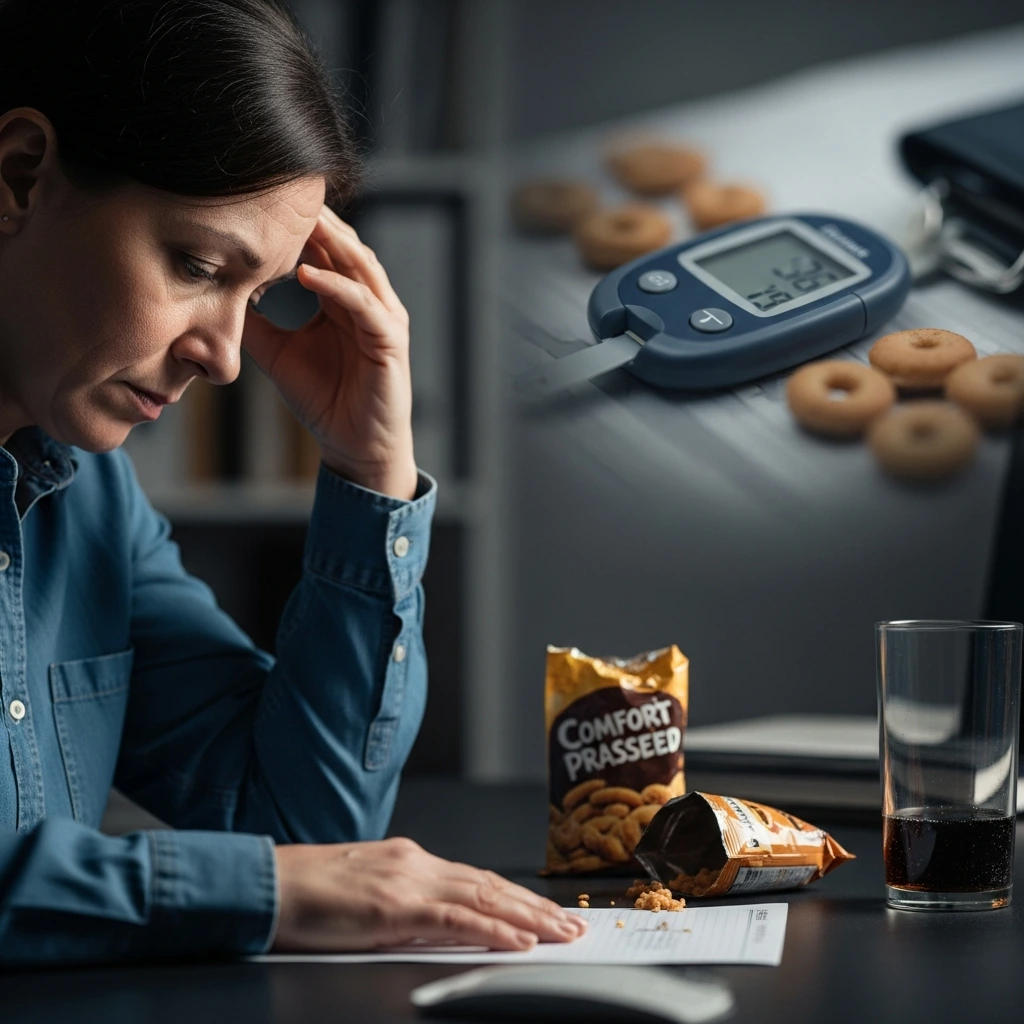
Patients frequently ask if a highly traumatic event or a toxic job can literally cause them to develop a metabolic disorder, per NIH Research.
Stress as a Catalyst for Symptoms
Stress alone does not magically create diabetes out of nowhere. However, it is a massive, proven catalyst that can trigger the onset of symptoms in individuals who are already genetically predisposed.
The heavy, continuous flood of cortisol directly drives central weight gain and severe insulin resistance. This pushes a struggling pancreas entirely over the edge.
Cortisol’s Link to Prediabetes
Can high cortisol cause prediabetes? There is strong, clinical evidence linking chronic cortisol elevation directly to severe metabolic dysfunction.
When your body is bathed in stress hormones for months or years, your cells become entirely deaf to insulin’s signals, officially pushing your numbers into the prediabetic range. Understanding prediabetes early can help prevent this progression.
Reversibility of Stress-Induced Conditions
Can diabetes caused by stress be reversed? If a patient is diagnosed with prediabetes strictly driven by lifestyle stress and weight gain, aggressive lifestyle intervention can often reverse the condition.
By removing the stressor, losing weight, and lowering cortisol, insulin sensitivity frequently returns. However, this reversibility does not apply to autoimmune Type 1 diabetes. Learn more about what is type 1 diabetes for clarity.
Common Stress Diabetes Symptoms
It is absolutely vital to recognize the physical and emotional manifestations of tension before they cause a metabolic crisis.
Physical Symptoms
The most obvious physical symptom is stubbornly elevated blood sugar that does not respond to your usual medication doses.
You may also experience profound physical fatigue, tension headaches, and severe sleep disturbances that leave you feeling entirely drained upon waking.
Emotional Diabetes Symptoms
The psychological markers are equally disruptive. You may notice heavy, unprovoked anxiety, intense irritability over minor inconveniences, and severe mood swings.
Over time, this constant emotional turbulence leads to total burnout, where you entirely lose the motivation to check your numbers or take your insulin.
Stress Diabetes Symptoms Checklist
- Unexplained, sudden spikes in daily glucose readings.
- Heavy brain fog or inability to concentrate.
- Racing heart or nervous tension without a physical cause.
- Craving sugary or highly processed foods constantly.
- Feeling completely overwhelmed by daily medical tasks.
Recognizing low blood sugar symptoms helps differentiate stress effects from hypoglycemia.
Type-Specific Impact
While stress is universally harmful, it affects different metabolic classifications in slightly different ways.
Stress and Diabetes Type 1
For Type 1 patients, stress causes massive, unpredictable blood sugar variability. Because they completely lack endogenous insulin, a sudden cortisol spike can push glucose dangerously high very quickly.
If this stress goes unmanaged and insulin is missed, the patient is at a severely high risk for developing life-threatening Diabetic Ketoacidosis (DKA).
Anxiety and Diabetes Type 2
For Type 2 patients, chronic anxiety acts as a slow, destructive force. The persistent release of stress hormones aggressively worsens existing cellular insulin resistance.
This often leads to deeply frustrating weight gain cycles, as the body pumps out more and more insulin to compensate for the cortisol, heavily promoting fat storage.
How to Reduce Stress With Diabetes
This is the most critical section of your management plan. Effectively lowering your daily tension requires a strict, proactive, and highly structured clinical approach. You cannot simply wish your anxiety away; you must actively outsmart it.
Below are the most heavily researched, doctor-approved methods to stabilize both your mind and your metabolism, according to the Cleveland Clinic.
Blood Sugar Monitoring Strategy
When you enter a high-stress period, you must immediately increase the frequency of your glucose checks. Knowledge is power, and seeing your exact numbers prevents panic.
If possible, transition to a Continuous Glucose Monitor (CGM). A CGM entirely removes the pain and friction of finger pricks, allowing you to clearly see how specific emotional triggers impact your glucose trends in real-time.
Exercise for Insulin Sensitivity
Physical activity is the absolute most potent, immediate stress-reliever available. When you exercise, your muscles bypass the need for insulin, pulling glucose straight out of your bloodstream to use as fuel.
Furthermore, a brisk 20-minute walk actively metabolizes and clears excess cortisol and adrenaline from your system. Aim for daily, moderate-intensity movement to keep your nervous system strictly regulated.
Mindfulness and Relaxation Techniques
You must train your nervous system to return to a state of calm. Deep breathing exercises physically force your heart rate to slow down, stopping the fight-or-flight response.
Practice the 4-7-8 breathing method: inhale deeply for 4 seconds, hold the breath for 7 seconds, and exhale slowly for 8 seconds. Repeating this cycle heavily suppresses adrenaline production and instantly lowers physical anxiety.
Sleep Optimization
Poor sleep is a massive physical stressor. Just one night of severe sleep deprivation can drastically reduce your insulin sensitivity the following day.
You must strictly aim for 7 to 9 hours of high-quality sleep per night. Establish a rigid sleep hygiene routine: remove all blue light screens an hour before bed, keep the room heavily cooled, and maintain a consistent sleep schedule.
Nutrition for Stress Control
What you eat directly impacts how your brain handles tension. Avoid highly refined sugars and excessive caffeine, as they violently mimic the physical symptoms of an anxiety attack.
Instead, focus strictly on a Mediterranean-style diet rich in low-glycemic foods. Incorporate magnesium-rich foods like spinach, almonds, and pumpkin seeds, as magnesium actively calms the central nervous system. Choosing the best foods for diabetics supports this approach.
Social Support and Therapy
Isolation deeply breeds anxiety. Do not attempt to carry the heavy burden of chronic illness entirely alone.
Join moderated diabetes support groups to connect with peers who truly understand your daily struggles. Additionally, seek out Cognitive Behavioral Therapy (CBT), which is clinically proven to help patients dismantle toxic thought patterns that drive emotional distress.
Time and Routine Management
Chaos in your schedule equals chaos in your bloodstream. Managing this condition requires heavy biological consistency.
Set strict, recurring alarms for your meals, medication doses, and bedtime. When your daily routine is highly predictable, your brain perceives safety, which keeps your baseline cortisol levels deeply suppressed, according to PubMed
Daily Stress Factors and Diabetes

Modern life provides an endless supply of psychological triggers that silently elevate your A1C. Recognizing these daily triggers is the first step toward neutralizing them.
Common culprits include severe workplace pressure, heavy financial strain, deep relationship conflicts, and the relentless mental burden of managing a chronic disease.
| Daily Stressor | Effect on Blood Sugar | Clinical Solution |
|---|---|---|
| Poor Sleep Quality | Heavily increases fasting morning glucose | Strict sleep hygiene and screen curfews |
| Workplace Anxiety | Rapid, unpredictable afternoon glucose spikes | Implementation of 4-7-8 breathing exercises |
| Skipped Meals | Triggers reactive hypo/hyperglycemia swings | Pre-planning strictly structured, balanced eating |
What Are the Signs Stress Is Affecting Your Diabetes?
You must learn to read the warning signs before a minor issue becomes a major clinical event.
The primary red flag is frequent, highly erratic glucose fluctuations despite adhering strictly to your diet and medication. You may also notice a creeping increase in your quarterly A1C results.
Behaviorally, you might experience deep emotional burnout, leading to poor medication adherence and a complete lack of desire to manage your health. Learning how to lower A1C provides actionable steps to regain control.
Clinical Management: When to Seek Help
There is a distinct line between normal daily tension and a dangerous medical crisis.
You must strictly seek professional clinical help if you experience persistently high glucose levels that entirely refuse to respond to your standard correction doses.
Furthermore, if you develop severe clinical depression, heavy panic attacks, or display signs of severe diabetic distress, contact your endocrinologist and a behavioral health specialist immediately.
Frequently Asked Questions
How does stress affect diabetes?
Stress triggers your adrenal glands to release cortisol and adrenaline. These hormones signal your liver to release stored glucose while temporarily reducing insulin sensitivity.
The result? A quick blood sugar rise. This biological response made sense for ancient threats—but today’s daily stressors can keep levels elevated. Managing stress isn’t just calming; it’s a key part of diabetes care.
Can stress make diabetes worse?
Yes, chronic stress can worsen diabetes long-term. Ongoing tension promotes abdominal weight gain, increases insulin resistance, and makes glucose targets harder to reach. Over time, this raises risks for eye, kidney, or nerve complications.
The good news? Small, consistent stress-reduction habits—like walking, journaling, or talking with a therapist—can protect both your mind and metabolic health.
Can stress raise blood sugar immediately?
Absolutely. A sudden scare, argument, or panic moment floods your body with adrenaline. This “fight-or-flight” surge can spike blood sugar within minutes—even without eating. If you notice unexplained highs after stressful events, track patterns and share them with your provider. Quick calming techniques, like box breathing, may help blunt these rapid rises.
Can high cortisol cause prediabetes?
Yes, persistently high cortisol can push blood sugar into the prediabetes range. Chronic stress hormones make cells less responsive to insulin, disrupting normal glucose processing. Over time, this metabolic strain may progress to type 2 diabetes.
Protecting your stress response—through sleep, movement, and mindfulness—is a powerful, evidence-backed strategy for preserving long-term metabolic health.
How do I manage diabetes stress daily?
Start small: add a 10-minute walk, practice deep breathing before meals, or set a consistent bedtime. Prioritize balanced, low-glycemic foods that stabilize energy. Consider CBT or diabetes-focused counseling for persistent worry.
Remember: you don’t need perfection. Consistent, compassionate self-care—not strict control—builds resilience. Talk with your care team about personalizing a stress-management plan that fits your life.
Conclusion
Learning exactly how to reduce stress with diabetes is not a luxury; it is a strict medical necessity for protecting your long-term health. Your mind and your metabolism are deeply, inextricably linked.
Every time you actively choose to take a deep breath, go for a walk, or prioritize your sleep, you are directly lowering your blood sugar and protecting your vital organs.
Do not let chronic anxiety hijack your metabolic control. Take immediate, powerful action today.
Evidence-Based References:
- CDC — Diabetes and Mental Health NIDDK — Diabetes Distress and Depression
- PubMed — Psychological stress and type 2 diabetes mellitus
- PubMed — Mindfulness-based interventions in diabetes: a systematic review and meta-analysis
- PubMed — Addressing diabetes distress in clinical care: a practical guide
- PubMed — The detection and management of diabetes distress in people with type 1 diabetes
- PubMed — What is diabetes distress and how can we measure it? A narrative review and conceptual model
- PubMed — Assessing psychosocial distress in diabetes: development of the diabetes distress scale
- PubMed — Association of diabetes with anxiety: a systematic review and meta-analysis
- PubMed — Diabetic Patients: Psychological Aspects