

Seeing your little one feel unwell is tough for any parent. First of all, you want answers fast. Rising childhood diabetes rates worry many caregivers today. Because of this, knowing the exact diabetes symptoms in children is crucial.
How do you know if a child has diabetes? It is not always obvious at first glance. Sugar diabetes symptoms in children often look different than in adults. Therefore, early diagnosis is incredibly important.
As a medical doctor, I treat these pediatric cases frequently. Recently, I spoke with a mother named Sarah. She almost missed her seven-year-old son’s early signs. Consequently, her terrifying experience reminds me why urgent detection matters. Let us explore these critical warning signs together.
What Are the Symptoms of Diabetes in Children?
Parents ask me this vital question daily in my clinic. What are the symptoms of diabetes in children that need urgent care? Furthermore, what are symptoms of diabetes in children that hide in plain sight?
Medical professionals look for specific metabolic clues. High blood sugar changes how a child’s body functions. As a result, certain physical signs become very clear.
The 4 Key Symptoms of Childhood Diabetes
You need to know the core signs. What are 4 key symptoms of diabetes in children? Doctors call these the classic “four P’s” of diabetes.
- Polyuria (Frequent Urination): The kidneys work harder to clear extra blood sugar. Therefore, your child pees much more often.
- Polydipsia (Excess Thirst): Because of frequent urination, dehydration happens quickly. As a result, your child drinks endless amounts of water.
- Polyphagia (Increased Hunger): Without insulin, cells starve for energy. Consequently, your child feels constantly hungry.
- Weight Loss: The body burns fat and muscle for fuel instead of glucose. Thus, you see rapid, unexplained weight loss.
10 Warning Signs of Diabetes in Kids
Beyond the main four, other clues exist. What are 10 warning signs of diabetes for kids? What are 10 warning signs of diabetes overall?
- Extreme, unquenchable thirst.
- Needing bathroom breaks constantly.
- Sudden, heavy bedwetting.
- Dropping weight without trying.
- Feeling tired or lethargic all day.
- Blurry vision or trouble focusing.
- Cuts and bruises are healing very slowly.
- Dark, velvety skin patches.
- Fruity-smelling breath.
- Sudden mood swings or irritability.
Early Symptoms of Type 1 Diabetes in Kids
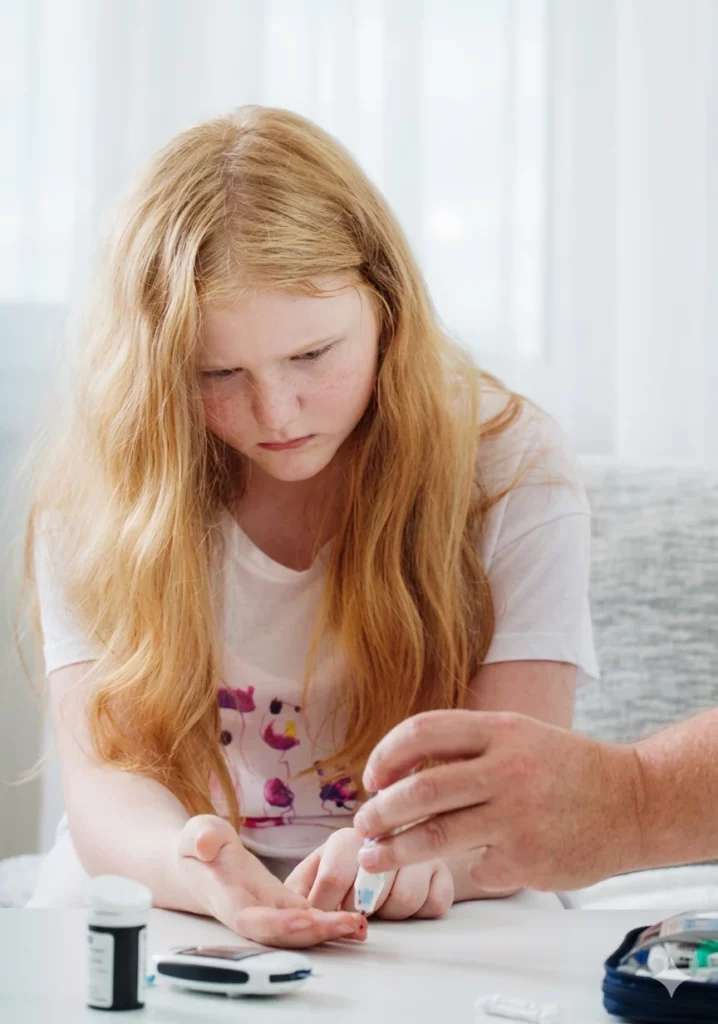
Type 1 diabetes requires immediate focus. Type 1 diabetes symptoms in children usually appear fast. First, the child’s immune system attacks the pancreas. As a result, the body stops making insulin completely. Blood sugar spikes quickly to dangerous levels.
Juvenile diabetes symptoms in children demand immediate medical attention. Furthermore, diabetes symptoms in children with type 1 can become life-threatening without rapid treatment.
This condition can lead to diabetic ketoacidosis (DKA). DKA causes nausea, vomiting, and confusion. Therefore, you must act fast. If you notice these signs, go to an emergency room immediately.
Type 1 Diabetes Child Behavior Changes
Behavior shifts often happen before physical signs become obvious. A type 1 diabetes child’s behavior changes suddenly. For example, a normally happy child becomes incredibly cranky.
They might cry more often over small things. Similarly, extreme fatigue makes them lethargic and withdrawn. Due to cellular starvation, their brain lacks energy. You must take these sudden mood swings seriously.
Symptoms of Type 2 Diabetes in Children
Type 2 diabetes operates differently. Type 2 diabetes symptoms in children develop much slower. Currently, this condition links closely to lifestyle, diet, and genetics. The pancreas still makes insulin. However, the child’s body becomes resistant to it.
Childhood diabetes type 2 symptoms might hide for months or years. Consequently, diabetes symptoms in children with type 2 are harder to spot early. You might just notice gradual weight gain or slight fatigue.
Type 2 Diabetes Child Behavior Changes
Behavior changes here are more subtle. Type 2 diabetes child behavior shifts slowly over time. First of all, kids might seem constantly tired after meals.
They may avoid playing outside or doing sports. Furthermore, poor sleep quality affects their daily mood and school focus. Therefore, watch for slow, gradual energy drops in your child.
Early Diabetes Symptoms in Children
Catching early signs prevents severe medical complications. First, look for mild thirst increases during the day. Also, note any sudden low energy levels after school.
Early intervention protects your child’s developing brain and organs. Do not ignore minor changes in bathroom habits. A quick doctor visit can provide immediate peace of mind.
Specific Symptoms Parents Should Watch
Some signs surprise parents completely. We need to look closely at these specific indicators.
Bedwetting and Frequent Urination Issues
Diabetes symptoms in children, like bedwetting, often shock caregivers. A fully potty-trained child suddenly wets the bed at night.
Due to extra glucose, the kidneys work overtime while they sleep. Therefore, the body creates excessive urine overnight. This is a massive red flag that requires a pediatrician visit.
Weight Changes
Weight shifts tell a deep medical story. Diabetes symptoms in children, weight gain or loss, require immediate checks.
Type 1 usually causes rapid, scary weight loss. In contrast, Type 2 often associates with steady weight gain. Regardless, sudden scale shifts need a doctor’s evaluation.
Diabetes Symptoms by Age Group
Symptoms manifest differently depending on the child’s age. Babies cannot tell you they feel thirsty. Teenagers might hide their fatigue.
Symptoms in Toddlers and Young Children
Finding clues in little ones takes extra observation. Diabetes symptoms in children age 5 can be very tricky to catch. Toddlers cannot always express how their bodies feel.
Signs of diabetes in a toddler girl or boy include incredibly heavy diapers. You might need to change them twice as often. Also, look for intense thirst and constant crying without a clear reason.
Prediabetes Symptoms in Children
Furthermore, you must watch for early warning signs. Prediabetes symptoms in children often hide completely. The blood sugar is slightly high, but not high enough for a full diagnosis.
Therefore, you might not see extreme thirst just yet. However, you might notice gradual weight gain. Also, look closely at their neck for dark, velvety skin patches.
Because early intervention works, prediabetes is reversible. Consequently, improving their daily diet and increasing active playtime can restore normal blood sugar levels.
Type 1 vs Type 2 Diabetes Symptoms in Children vs Adults
How do kids differ from adults? Type 1 diabetes symptoms in children vs adults usually appear much faster. A child can get dangerously sick in just a few weeks.
In contrast, adults might develop these symptoms over several months. Moreover, kids with Type 1 face sudden, extreme energy crashes. Adults might just feel mildly tired at first.
Similarly, Type 2 diabetes shows different timelines. Children often experience faster metabolic changes than adults do. Thus, you must never ignore sudden behavioral shifts in your kids.
How Do You Know If a Child Has Diabetes?

So, how do you know if a child has diabetes? You cannot guess based on behavior alone. First of all, you need a medical professional to run specific tests.
Because symptoms overlap with common pediatric viruses, we must test the blood. Consequently, seeing a doctor is the only confirmed way to know for sure.
How Long Can a Child Have Diabetes Without Knowing?
Parents frequently ask, “How long can a child have diabetes without knowing?” For Type 1, a child usually shows severe signs within a few weeks. The pancreas fails very quickly.
Conversely, Type 2 can hide in a child for months or years. Due to slow insulin resistance, the body adapts temporarily. Therefore, routine pediatric blood work remains absolutely vital.
Diabetes Diagnosis in Children
In my clinic, I prioritize fast and accurate testing. Following strict medical protocols like the diabetes symptoms in children NHS guidelines, we check blood sugar safely.
First, we perform a fasting blood glucose test. Also, we run an A1C blood test. This specific test shows the child’s average blood sugar over three months.
Recently, I diagnosed a ten-year-old boy named Leo. His mother noticed his extreme thirst and frequent bathroom trips. Because she acted fast, we caught his Type 1 early and avoided an emergency room visit.
How Do Kids Manage Diabetes?
How do kids manage diabetes every day? It requires strong, consistent teamwork. First, parents and children learn to check blood sugar levels together.
Also, they count carbohydrates at every single meal. Furthermore, kids learn to recognize when their sugar drops too low. With practice, this management becomes a completely normal daily routine.
Diabetes Treatment in Children
Treatment saves lives and quickly restores energy. Diabetes in children’s treatment depends entirely on the specific diagnosis. You must follow your endocrinologist’s exact medical plan.
As a doctor, I ensure families understand these medical tools completely. Because children grow fast, we adjust their treatments frequently. Let us look at the specific medical treatments required.
Type 1 Diabetes Treatment
Type 1 requires lifelong, mandatory insulin therapy. Because the pancreas produces zero insulin, we must replace it manually. Consequently, children take insulin through multiple daily injections.
Many families now use a smart insulin pump. This small device delivers insulin continuously throughout the day. Also, kids often wear a continuous glucose monitor (CGM) on their arm.
A CGM tracks blood sugar constantly without painful finger pricks. Most importantly, diet plays a massive role in treatment. Kids must accurately match their insulin doses to their food intake.
If blood sugar drops dangerously low, parents use an emergency glucagon pen. This rescue medicine raises blood sugar instantly. Therefore, preparation is always your best defense against complications.
Type 2 Diabetes Treatment
How do we tackle type 2 diabetes in children? First of all, we focus heavily on immediate lifestyle changes. We encourage daily vigorous exercise to naturally improve cellular insulin sensitivity.
Also, we create a balanced, low-sugar nutrition plan. If diet and exercise fail to lower glucose, we use oral medications. Metformin is a common, highly safe pill for kids.
Metformin actively stops the liver from making excess sugar. Furthermore, it helps the child’s body use its natural insulin much better. In severe, advanced cases, Type 2 kids might also need insulin injections.
Frequently Asked Questions
What are the symptoms of diabetes in children?
The main signs include excessive thirst, frequent urination, extreme hunger, and sudden weight loss. You might also notice intense fatigue, irritability, or blurry vision.
How do you know if a child has diabetes?
You must visit a pediatrician for a standard blood test. A fasting glucose test or an A1C test provides a clear, medically accurate diagnosis.
What are 10 warning signs of diabetes in kids?
Watch for extreme thirst, frequent urination, bedwetting, weight loss, and severe fatigue. Also look for blurry vision, slow-healing cuts, dark skin patches, fruity breath, and sudden mood swings.
How do kids manage diabetes?
Kids manage it by checking blood sugar daily, counting meal carbohydrates, and taking prescribed medications like insulin. Furthermore, they stay active and work closely with their doctors.
How long can a child have diabetes without knowing?
Type 1 develops rapidly over a few short weeks. In contrast, Type 2 can hide silently for many months or even years before physical signs finally appear.
Conclusion
In conclusion, spotting diabetes symptoms in children early changes everything. As a doctor, I see worried parents constantly in my clinic. However, knowledge remains your absolute best defense against this condition.
Therefore, always trust your gut if your child acts differently. Unexplained thirst, frequent urination, and sudden weight loss demand quick answers. Ultimately, catching these early warning signs prevents severe medical emergencies.
Furthermore, remember that early diagnosis can be life-saving. Medical treatments today are incredibly advanced and effective. Consequently, kids with diabetes live very long, happy, and highly active lives.
Finally, never hesitate to seek professional medical help. Please consult a pediatrician immediately if symptoms appear. We are here to help your child thrive safely.