

Being diagnosed with high blood sugar during pregnancy can feel overwhelming, but it is highly manageable. A proper gestational diabetes diet is the most powerful tool you have to protect your health and your baby’s development.
What is a gestational diabetes diet? It is a specialized eating plan focused on stabilizing your blood glucose levels through balanced nutrition. It does not mean starving yourself; it means eating strategically to support a healthy pregnancy.
According to Sarah Jenkins, a Registered Dietitian and certified diabetes care specialist, “The pregnancy gestational diabetes diet focuses on pairing the right carbohydrates with lean proteins and healthy fats.” This prevents sudden blood sugar spikes after meals.
Learning exactly what to eat with gestational diabetes can prevent complications like premature birth or excessive birth weight. By carefully controlling blood sugar through nutrition, most mothers can experience a healthy, normal delivery without needing insulin.
What Is a Gestational Diabetes Diet?
When expecting mothers ask what a gestational diabetes diet is, the answer centers on consistency and balance. This eating style strictly regulates how and when carbohydrates enter your bloodstream.
The primary goal of the gestational diabetes diet is to avoid sharp peaks and valleys in your blood sugar. You achieve this by eating low glycemic index (GI) foods that digest slowly, providing steady energy for both you and your baby.
If you are wondering what diet is good for gestational diabetes, it is one that prioritizes whole, unprocessed foods. You will need to spread your food intake across three moderate meals and two to three snacks daily. This meal timing prevents your pancreas from being overwhelmed by too much glucose at once.
Gestational Diabetes Diet Guidelines
Managing your blood sugar effectively requires following specific, evidence-based gestational diabetes diet guidelines. The American Diabetes Association (ADA) stresses that every pregnant woman’s body responds differently to food.
However, universal gestational diabetes diet recommendations focus heavily on carbohydrate control. You cannot eliminate carbs entirely, as your baby needs them for brain development. Instead, you must pair them with protein and healthy fats to slow down glucose absorption.
Understanding how to control gestational diabetes with diet also means prioritizing dietary fiber. Fiber acts as a physical barrier in your digestive tract, slowing the release of sugars. Furthermore, eating frequent small meals is essential to keep your fasting numbers stable between meals and overnight.
Carbohydrate Management in the Diet
Patients frequently ask how many carbs are allowed in gestational diabetes diet plans. While individual needs vary, dietitians generally recommend limiting breakfast carbohydrates to 15-30 grams.
For lunch and dinner, the gestational diabetes diet’s target for how many carbs per meal is usually between 30 and 45 grams. Snacks should be kept tightly controlled, ideally containing 15 grams of complex carbohydrates paired with a protein source.
Gestational Diabetes Food Chart
Having a quick visual reference is incredibly helpful when planning your weekly grocery trips. Use this gestational diabetes food chart to build balanced, blood-sugar-friendly meals.
| Food Category | Recommended (Low Glycemic) | Avoid (Spikes Blood Sugar) |
| Proteins | Chicken, turkey, eggs, tofu, Greek yogurt, fish, lentils | Processed deli meats, sweetened yogurts, breaded/fried meats |
| Carbohydrates | Brown rice, quinoa, sweet potatoes, whole wheat bread, oats | White bread, white rice, pasta, sugary cereals, and pastries |
| Vegetables | Spinach, broccoli, zucchini, green beans, cauliflower, kale | Canned vegetables with added syrups, fried vegetables |
| Fruits | Berries, green apples, grapefruit, plums, kiwi | Watermelon, pineapples, dried fruits, canned fruit in syrup |
| Fats | Avocado, olive oil, almonds, walnuts, chia seeds | Trans fats, margarine, and heavily processed vegetable oils |
| Beverages | Water, sparkling water, unsweetened almond milk | Soda, fruit juice, sweet tea, sweetened coffee drinks |
This diabetic diet chart during pregnancy serves as a foundational guide. You can find more comprehensive versions on the Centers for Disease Control and Prevention (CDC) website.
Foods to Eat & Avoid
Navigating the grocery aisles requires knowing exactly how different ingredients impact your metabolism. A clear list of foods to eat with gestational diabetes will make meal prep significantly less stressful.
Best Nutrient-Dense Foods
Your focus should be on nutrient-dense, whole grains like quinoa, barley, and steel-cut oats. These complex carbohydrates take significant time for your body to break down.
Lean protein is your best friend during this journey; eggs, baked chicken, and wild-caught salmon should be staples. Non-starchy vegetables can be eaten in abundance, as they have virtually no impact on your glucose levels. For sweet cravings, low-GI fruits like raspberries and blackberries are excellent choices.
Items to Strictly Avoid
Knowing what foods you should avoid during gestational diabetes is just as important as knowing what to eat. You must completely eliminate liquid sugars, as they bypass digestion and spike blood glucose instantly.
Refined carbohydrates, including white flour, pizza crusts, and traditional baked goods, act identically to pure sugar in your body. Patients often ask what 7 fruits diabetics should avoid; typically, it is best to avoid dates, raisins, overripe bananas, watermelon, pineapples, canned peaches in syrup, and mangoes.
Gestational Diabetes Diet Meal Plan
Transitioning to a structured gestational diabetes diet plan removes the daily stress of guessing what to eat. The key is planning ahead so you are never caught hungry without a safe option.
Sample Daily Routine
A simple gestational diabetes meal plan starts with a low-carb breakfast, as insulin resistance is naturally highest in the morning. A sample gestational diabetes diet breakfast might be two scrambled eggs with spinach and one slice of Ezekiel bread.
For lunch, focus on a massive salad topped with grilled chicken, avocado, and a small side of quinoa. A gestational diabetes diet meal plan dinner could feature baked salmon, roasted asparagus, and half a sweet potato. Do not forget your evening snack, like a handful of almonds and a string cheese, to keep fasting numbers low.
Comprehensive 7-Day Menu
Building a 7-day meal plan for gestational diabetes ensures you get a wide variety of micronutrients. Having a set schedule prevents decision fatigue and helps you stick to the plan perfectly.
A well-rounded gestational diabetes meal plan will rotate different protein sources daily. For example, Monday might be a turkey chili, while Tuesday focuses on a tofu and broccoli stir-fry. Searching for a 7-day meal plan for gestational diabetes on a blog can yield dozens of creative, chef-inspired ideas tailored for expecting mothers.
Meal Ideas & Recipes

Finding the right balance of macronutrients can be challenging when you are dealing with pregnancy cravings and nausea. However, discovering delicious, blood-sugar-friendly options makes the process enjoyable rather than restrictive.
Breakfast Strategies
Morning insulin resistance is notoriously high during pregnancy, making your first meal the trickiest to manage. A standard gestational diabetes diet breakfast must heavily prioritize protein and fat over carbohydrates to prevent a rapid morning glucose spike.
So, what is the best breakfast for gestational diabetes? Stick to savory options rather than sweet ones. Two eggs cooked in butter, half an avocado, and a single slice of sprouted-grain toast provide exceptional morning energy. Alternatively, a cup of plain, full-fat Greek yogurt topped with a tablespoon of chia seeds and a few almonds offers excellent protein and fiber.
Lunch & Dinner Options
Your midday and evening meals should follow the “plate method”: half non-starchy vegetables, one-quarter lean protein, and one-quarter complex carbohydrates. For lunch, a massive spinach salad with grilled chicken, cucumbers, and a vinaigrette dressing is perfect.
Dinner should be hearty but balanced. A fantastic option is baked turkey meatballs served over zucchini noodles (zoodles) with a low-sugar marinara sauce. Pairing this with a small side of quinoa ensures you get the necessary carbohydrates for your baby’s development without overwhelming your system.
Safe and Easy Recipes
Cooking at home is the easiest way to control hidden sugars and refined oils. Simple recipes for gestational diabetes diet plans focus on whole foods. One great recipe is a sheet-pan salmon and asparagus bake. Simply toss the vegetables in olive oil, season the salmon with dill, and bake at 200°C for 15 minutes.
Another excellent option among gestational diabetes diet recipes is a crustless vegetable quiche. Whisk together six eggs, a splash of heavy cream, spinach, and feta cheese, then bake until set. This provides multiple days of safe, zero-prep breakfasts that keep your morning numbers perfectly in range.
Vegetarian & Indian Diet Options
Cultural and ethical dietary preferences require specific adjustments when managing blood sugar. Plant-based diets and traditional regional cuisines can be perfectly adapted to meet your medical needs.
Plant-Based Protein Approaches
A gestational diabetes diet vegetarian plan requires careful attention to protein sources, as many plant proteins (like beans) carry a high carbohydrate load. You must balance these carefully to avoid unintended spikes.
Excellent vegetarian proteins include extra-firm tofu, tempeh, edamame, and cottage cheese. When eating lentils or chickpeas, you must measure the portion strictly, as they serve as both your protein and your carbohydrate for that specific meal.
Indian Diet Plan Strategies
Traditional Indian cuisine is deeply nutritious but often relies heavily on simple carbohydrates like white rice and refined flour. A gestational diabetes diet Indian plan modifies these staples rather than eliminating them entirely.
How to control gestational diabetes with indian diet modifications? First, swap white rice for portion-controlled brown rice or cauliflower rice. Replace traditional wheat roti with roti made from almond flour, besan (chickpea flour), or ragi (finger millet), which digest much more slowly.
Focus your meals heavily on protein-rich dal, paneer tikka, and massive portions of low-carb sabzi (vegetable dishes) like bhindi (okra) or palak (spinach). Always pair your carbohydrate source with a healthy fat, like a small spoonful of ghee, to blunt the glycemic impact.
Can Diet Cause Gestational Diabetes?
A common source of guilt for newly diagnosed mothers is wondering if their eating habits caused the condition. You need to know the biological facts to alleviate this stress.
So, is gestational diabetes caused by diet? The simple answer is no. Gestational diabetes is primarily driven by placental hormones. As the placenta grows, it naturally produces hormones that block the action of the mother’s insulin, a condition known as insulin resistance.
While wondering if diet causes gestational diabetes, remember that even Olympic athletes with perfect diets can develop this condition. Therefore, can diet cause gestational diabetes directly? No, but eating a high-sugar diet after the hormones cause resistance will absolutely exacerbate the problem.
Can You Drink Diet Soda with Gestational Diabetes?
Pregnancy often triggers intense cravings for carbonated, sweet beverages. Since regular soda is strictly off-limits, many mothers turn to artificially sweetened alternatives.
Patients frequently ask, “Can I drink a Diet Coke with gestational diabetes?” Generally, major health organizations state that artificial sweeteners like aspartame and sucralose are safe in moderation during pregnancy. Therefore, you can drink a gestational diabetes diet Coke occasionally without spiking your blood glucose.
However, when asking “Can I drink diet soda with gestational diabetes?”, remember that water should always be your primary beverage. Excessive artificial sweeteners can sometimes alter your gut microbiome or trigger cravings for real sugar later in the day.
How to Manage Gestational Diabetes with Diet
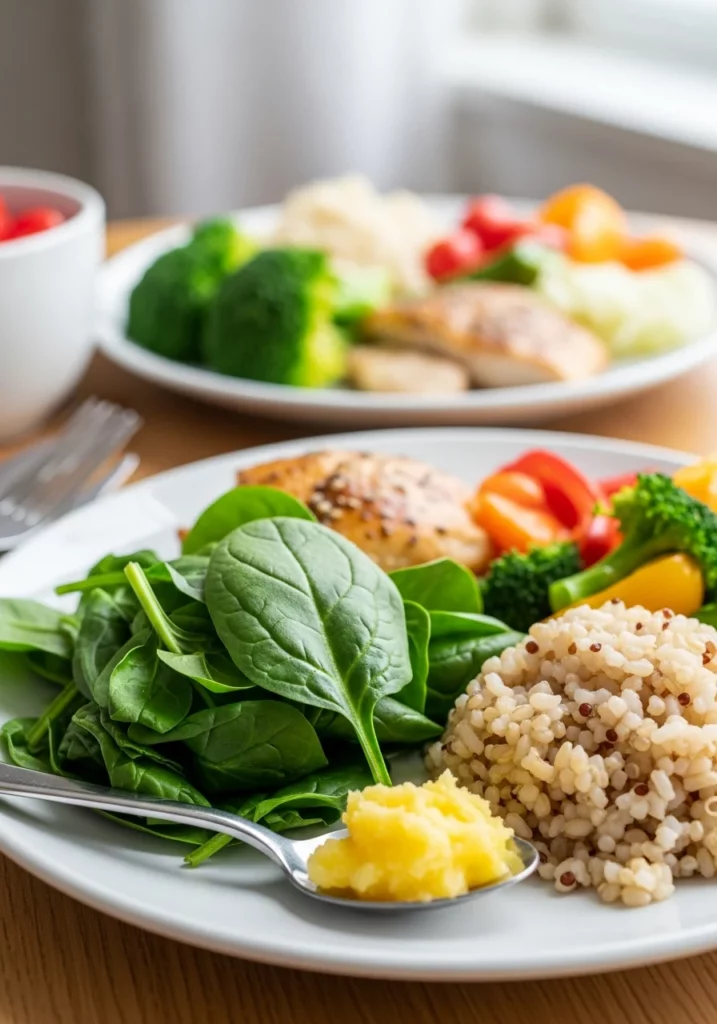
Transforming your eating habits is a deeply practical process. Knowing how to manage gestational diabetes with diet requires implementing a few daily habits that keep your metabolism stable.
The most crucial step in how to treat gestational diabetes with diet is strict portion control, particularly with your carbohydrates. Use measuring cups for grains and starches until you can accurately eyeball a healthy 1/2 cup serving.
Understanding how to change diet for gestational diabetes also involves strict meal timing. You should never go more than three to four hours without eating. A small, protein-rich bedtime snack (like a piece of cheese and an apple) is especially vital to keep your morning fasting numbers low.
Special Considerations
Every pregnancy is unique, and some dietary approaches require specialized medical oversight to ensure both maternal and fetal safety.
Pre-Gestational Diabetes Care
If you had Type 1 or Type 2 diabetes before becoming pregnant, your needs are distinct. A pre-gestational diabetes diet is significantly stricter because your body’s baseline insulin production is already compromised. You will likely require immediate insulin adjustments alongside your meal planning from week one of your pregnancy.
Low-Carb and Keto Concerns
With the popularity of low-carb lifestyles, many mothers ask, “Is the keto diet good for gestational diabetes?” The medical consensus is a firm no. The ketogenic diet produces ketones, which are byproducts of fat burning. High levels of ketones in the blood can be dangerous for fetal brain development, meaning you must consume a safe, minimum threshold of complex carbs daily.
Real-Life Tips & Reddit Insights
Medical textbooks offer great guidelines, but community support provides the emotional endurance needed for this journey. Browsing a gestational diabetes diet Reddit thread reveals that struggling with fasting numbers is incredibly common.
Many mothers share that walking for just 10 to 15 minutes immediately after dinner dramatically lowers their morning blood sugar. Additionally, community insights emphasize that stress and poor sleep spike glucose just as badly as a sugary dessert, highlighting the need for overall prenatal relaxation.
Recommended Resources
Expanding your knowledge will make you feel far more in control. We highly recommend picking up a reputable gestational diabetes diet book, such as Lily Nichols’ “Real Food for Gestational Diabetes,” which challenges outdated nutritional guidelines with modern science.
For up-to-date clinical perspectives, checking articles from sources like today’s dietitian gestational diabetes archives can provide you with the exact strategies that modern registered dietitians are currently using with their pregnant clients.
Frequently Asked Questions
What is the 10 10 10 rule for diabetes?
The 10 10 10 rule is an easy-to-remember management tool. It stands for doing 10 minutes of light exercise (like walking) after meals, ensuring you get at least 10 hours of overnight fasting, and drinking 10 glasses of water daily.
How to reduce gestational diabetes in pregnancy?
While you cannot change your placental hormones, you can reduce the severity of the condition by walking daily, adhering strictly to a low-glycemic diet, and gaining weight at a slow, medically recommended pace.
Can I eat eggs with gestational diabetes?
Yes, eggs are an incredible superfood for this condition. They contain almost zero carbohydrates and are packed with high-quality protein and choline, which is essential for your baby’s brain development.
Are bananas ok for diabetes?
Bananas can be tricky because they are very high in simple sugars, especially as they ripen. If you eat a banana, choose a slightly green one, eat only half, and always pair it with a fat like peanut butter.
What is the average week of delivery for gestational diabetes?
If your blood sugar is perfectly diet-controlled, most doctors will allow you to go to full term (39-40 weeks). If you require insulin or have complications, doctors may recommend induction around week 38.
Conclusion
Managing a gestational diabetes diet might seem like a daunting challenge at first, but it is entirely within your power to master. By focusing on whole, unprocessed foods, balancing your carbohydrates with lean proteins, and monitoring your portions, you are giving your baby the best possible start to life.
Remember that this diet is temporary, but the healthy habits you build now will benefit your family for a lifetime. Be kind to yourself, as hormone fluctuations can make blood sugar unpredictable despite your best efforts.
Stay consistent with your meal plans, communicate openly with your healthcare team, and keep your focus on the wonderful reward at the end of this journey. Start your new, healthy menu today, and confidently take control of your pregnancy.
Medical References:
- American Diabetes Association (ADA) – Diabetes Care Journal
- The American College of Obstetricians and Gynecologists (ACOG) – Gestational Diabetes Guidelines
- National Institute of Diabetes and Digestive and Kidney Diseases (NIDDK) – Managing Gestational Diabetes
- Centers for Disease Control and Prevention (CDC) – Gestational Diabetes Portal
- Mayo Clinic – Gestational Diabetes Diagnosis & Treatment