

A few days ago, a patient named Sarah brought a heavy shopping bag into my exam room. She had been diagnosed with Type 2 diabetes a year ago and was deeply frustrated.
She unloaded dozens of over-the-counter bottles onto my desk, asking me to identify the best supplements for diabetic weight loss and separate the real science from the marketing hype.
This is a scenario I encounter almost daily in my medical practice. The internet is flooded with “miracle” pills promising overnight fat loss and perfect blood sugar.
However, when you are managing diabetes, taking the wrong supplement isn’t just a waste of money—it can dangerously interact with your prescribed medications or trigger severe hypoglycemia.
Finding safe, effective metabolic support is absolutely possible, provided you know what to look for. In this guide, we will explore the science behind the supplements that actually work, how they support your metabolism, and how to use them safely alongside your current treatment plan.
Key Takeaways
- Supportive role only: Supplements are designed to fill nutritional gaps, not replace a caloric deficit, daily movement, or prescribed insulin.
- Evidence matters: Stick to heavily researched compounds like soluble fiber, magnesium, and omega-3s rather than flashy, unregulated fat burners.
- Gut health is metabolic health: Using probiotics and fiber helps heal the microbiome, indirectly supporting better insulin sensitivity and weight management.
- Medical supervision is mandatory: Never add a biologically active botanical (like berberine or bitter melon) without checking for dangerous drug interactions.
Can Supplements Help with Diabetic Weight Loss?
When patients ask me, “What can a diabetic take to help lose weight?”, I always start with a dose of clinical reality. Certain supplements may support weight loss and blood sugar control, but they work best only when combined with a healthy diet, daily exercise, and professional medical guidance.
If you are wondering, “How can I lose weight if I have diabetes?”, the core answer remains a caloric deficit and improved insulin sensitivity. There is no legal, over-the-counter pill that will magically melt away body fat.
However, what supplements can do is address underlying nutritional deficiencies that are holding your metabolism back. They can help lower inflammation, improve how your cells respond to insulin, and keep you feeling full, which makes sticking to your diet significantly easier.
What to Look for in Supplements for Diabetic Weight Loss
Before you purchase any vitamin or botanical extract, you must evaluate it through a strict medical lens. Not all products are created equal, and the supplement industry is not tightly regulated by the FDA.
- Blood sugar support: Does the ingredient actually have clinical trials proving it helps stabilize glucose levels?
- Weight management benefits: Does it promote satiety (fullness) or actively improve metabolic pathways?
- Safety profile: Does it have known, dangerous interactions with insulin, metformin, or other common diabetic medications?
- Evidence-based ingredients: Look for products that clearly list active ingredients and undergo third-party testing (like USP or NSF certifications) for purity.
Best Supplements for Diabetic Weight Loss
Because this is the most critical part of your metabolic toolkit, we need to look at the top contenders in detail. Whether you are searching for the best supplements for type 2 diabetes to reverse insulin resistance or the best supplements for type 1 diabetes to support overall cellular health, these five options have the strongest clinical backing.
Fiber Supplements
If I could only recommend one supplement to my diabetic patients seeking weight loss, it would be high-quality soluble fiber. Supplements like psyllium husk or glucomannan are metabolic powerhouses.
First, fiber physically expands in your stomach by absorbing water, which powerfully promotes fullness and stops overeating. Second, it forms a gel in your digestive tract that actively slows down the absorption of glucose into your bloodstream. This prevents the rapid blood sugar spikes that trigger fat-storing insulin surges.
Magnesium
Magnesium is a vital mineral responsible for over 300 enzymatic reactions in the human body, including how your cells process glucose. Unfortunately, a massive percentage of diabetic patients have a clinical magnesium deficiency.
High blood sugar forces your kidneys to excrete extra urine, washing essential magnesium out of your system. Supplementing with a highly absorbable form, like magnesium glycinate, directly supports insulin sensitivity. When your cells use insulin more efficiently, your body stores less fat.
Omega-3 Fatty Acids
Omega-3 fatty acids, typically found in high-quality fish oil, are essential for anyone managing a metabolic condition. Diabetes is fundamentally an inflammatory disease, and systemic inflammation aggressively blocks weight loss.
Omega-3s are powerful anti-inflammatory agents. While they may not directly burn fat, they reduce the inflammatory markers that cause insulin resistance. Furthermore, they heavily support heart health and lower triglycerides, mitigating the cardiovascular risks associated with being a heavier person and a diabetic.
Probiotics
The medical community is discovering that your gut microbiome dictates a massive portion of your metabolic health. Patients often ask me what a good probiotic supplement is for weight loss.
Look for multi-strain probiotics containing Lactobacillus and Bifidobacterium. A healthy gut microbiome improves how your body extracts calories from food and reduces systemic inflammation. By healing your gut lining, probiotics can indirectly improve your body’s insulin response, aiding in gradual, sustainable weight management.
Berberine
Berberine is a bioactive compound extracted from several different plants. In the functional medicine world, it is highly regarded for its profound impact on metabolic health.
Clinical studies suggest berberine may help lower blood sugar by activating an enzyme called AMPK, often called the body’s “metabolic master switch.” Its mechanism of action is strikingly similar to the prescription drug metformin. However, because it is so potent, you absolutely must clear it with your doctor first, as it can cause dangerous hypoglycemia if combined with your current glucose-lowering medications.
Supplements to Lower Blood Sugar Naturally

While the supplements listed above are fantastic for overall weight management, some patients specifically need help stabilizing erratic glucose levels. If you are looking for supplements to lower blood sugar naturally, a few specific micronutrients stand out.
Chromium is a trace mineral that enhances the action of insulin. While evidence is mixed, some studies show it can help improve glucose tolerance in patients with severe deficiencies.
Alpha-lipoic acid (ALA) is a potent antioxidant that helps lower blood sugar and is particularly effective at reducing the painful symptoms of diabetic neuropathy (nerve damage). Lastly, cinnamon extract is one of the most popular and best supplements to control blood sugar. It mimics insulin and slows the breakdown of carbohydrates in the digestive tract, though you need a medical-grade extract (Ceylon cinnamon) rather than standard baking spices to see real results.
What Supplements Bring Down A1C?
Your A1C represents your average blood sugar over a three-month period. Patients frequently ask what supplements bring down A1C quickly, hoping for a fast fix. In clinical practice, no supplement drastically lowers A1C on its own.
However, certain evidence-based supplements can help move the needle when combined with diet. Berberine has the strongest clinical evidence for lowering A1C, often performing similarly to mild prescription medications in studies. Alpha-lipoic acid and high-dose soluble fiber also show consistent, albeit modest, A1C reductions over time.
It is vital to have realistic expectations. Supplements might lower your A1C by a fraction of a percentage point. They are supportive tools, not primary therapies, and should be viewed as a bonus to your core lifestyle changes.
Are Zinc Supplements Good for Diabetes?
Zinc is a fascinating trace mineral that directly impacts how your pancreas functions. Are zinc supplements good for diabetes? The clinical evidence is somewhat mixed but generally leans positive for those who are deficient.
Your body requires zinc to properly synthesize, store, and release insulin. When diabetic patients excrete too much urine due to high blood sugar, they often lose essential zinc in the process. Replenishing this mineral can gently support healthy insulin function.
However, taking massive doses of zinc is dangerous and can interfere with copper absorption. I usually advise patients to get their zinc levels checked via a simple blood test before starting a high-dose supplement.
Best Multivitamins for Diabetics
Diabetes places a unique metabolic stress on your body, often leading to specific nutrient gaps. Therefore, finding the best multivitamins for type 2 diabetics is about targeted nutritional support.
Patients taking metformin long-term frequently develop vitamin B12 deficiencies, which can worsen nerve damage. A high-quality diabetic multivitamin should include bioavailable B12, magnesium, and chromium.
When looking for the best vitamins for diabetics over 50, bone health and vision support become equally important. Look for comprehensive formulas that include vitamin D, calcium, and lutein to protect your eyes from diabetic retinopathy.
Natural Supplements for Diabetes
Many patients prefer plant-based options, asking about natural supplements for diabetes. Botanicals like Gymnema Sylvestre, often called the “sugar destroyer,” can temporarily suppress the ability to taste sweetness, reducing sugar cravings.
Bitter melon is another traditional remedy that contains compounds mimicking insulin. While these natural options have been used for centuries, “natural” does not always mean “harmless.”
These plant extracts are biologically active. If you take them alongside prescription insulin or sulfonylureas, they can stack together and cause severe, life-threatening drops in blood sugar. Always seek medical clearance first.
Supplements to Lower Blood Sugar and Cholesterol
Diabetes and high cholesterol are incredibly closely linked, a condition often referred to as diabetic dyslipidemia. When looking for the best supplements to lower blood sugar and cholesterol simultaneously, focus on dual-action ingredients.
High-dose omega-3 fish oil is exceptional for lowering triglycerides and reducing cardiovascular inflammation. Soluble fiber (like psyllium) is also a powerful dual-action supplement, as it traps both excess glucose and cholesterol in the gut, carrying them out of the body.
Plant sterols and stanols are another excellent addition. They actively block the digestive tract from absorbing cholesterol, effectively lowering your LDL (bad) cholesterol while you manage your weight.
Meal Replacement Shakes for Diabetic Weight Loss
Meal replacements are one of the most practical tools I recommend in the clinic. The best diabetic meal replacement shakes eliminate the stress of calorie counting and portion control, providing a perfectly measured meal.
Nutritional Guidelines for Shakes
When choosing diabetes-friendly meal replacement shakes, strictly read the nutrition label. The shake must contain less than 5 to 10 grams of net carbohydrates and minimal added sugars.
It should also be heavily fortified with protein (at least 15 to 20 grams) and rich in dietary fiber. This specific macronutrient ratio ensures the shake digests slowly, keeping you full for hours without causing a glucose spike.
Evaluating Shake Options
Patients often ask about the healthiest diabetic drink meal replacement versus the cheapest options. High-quality shakes typically use whey isolate or clean plant proteins and sweeten with stevia or monk fruit.
Cheaper alternatives often rely on artificial sweeteners and poor-quality protein blends that can cause digestive distress. Investing in a higher-quality, lower-sugar meal replacement shake is usually worth the slight price increase for better metabolic results.
Diabetic Approved Weight Loss Programs
Sometimes, supplements and shakes are not enough, and patients need structured support. Diabetic-approved weight loss programs combine nutritional education with medical oversight.
Programs recognized by the CDC’s National Diabetes Prevention Program focus on sustainable lifestyle interventions. They pair you with health coaches who understand the nuances of insulin resistance and safe physical activity.
For those needing more aggressive intervention, medical weight loss programs overseen by an endocrinologist or obesity medicine specialist are the gold standard. These programs safely integrate prescription therapies with your diabetes management plan.
Safest Diet Pills for Diabetics
The over-the-counter diet pill market is notoriously dangerous, particularly for metabolic patients. When patients ask about the safest diet pills for diabetics, I caution against almost all gas-station or internet fat burners.
Most commercial diet pills rely on massive doses of caffeine and unregulated stimulants. These actively trigger a stress response in your body, spiking cortisol and adrenaline, which subsequently spikes your blood sugar.
True safety lies in FDA-approved weight loss medications prescribed by a doctor, such as Orlistat or Contrave. These require rigorous medical supervision to ensure they do not disrupt your primary diabetes treatments.
What Is an Alternative to Ozempic for Type 2 Diabetes?
GLP-1 receptor agonists have revolutionized diabetic weight loss, but they are expensive and often in short supply. Patients constantly ask, “What is an alternative to Ozempic for type 2 diabetes?”
Medically, other prescription options like SGLT2 inhibitors (Jardiance) offer modest weight loss and excellent heart protection. Metformin remains a solid foundational alternative that gently improves insulin sensitivity.
From a supplement perspective, while nothing perfectly replicates Ozempic, high-dose fiber and berberine are the closest natural alternatives. They support fullness and glucose regulation, acting as supportive lifestyle enhancers rather than miracle cures.
What Is the 3-Hour Rule in Diabetes?
Metabolic stability requires consistent pacing. What is the 3-hour rule in diabetes? It is a straightforward dietary strategy designed to prevent both severe hunger and dangerous blood sugar crashes.
The rule advises eating a small, nutritionally balanced meal or snack roughly every three hours. This prevents the liver from dumping excess stored glucose into your blood when it senses you are starving.
By eating protein and fiber at these regular intervals, you maintain a completely flat, predictable blood sugar curve. This makes weight loss significantly easier because your body never panics into a fat-storing starvation mode.
Is GS Stabili-T a Good Diabetes Supplement?
I frequently get asked to evaluate specific commercial blends. Is GS Stabili-T a good diabetes supplement? To evaluate any proprietary blend, you must dissect the ingredient list.
Products like this often contain a mix of well-known botanicals like Gymnema, Chromium, and Bitter Melon. While these individual ingredients have modest clinical backing, proprietary blends often hide the exact dosages.
If a blend contains sufficient quantities of active ingredients, it may offer gentle blood sugar support. However, you must bring the bottle to your physician to ensure none of the combined herbs interact with your liver enzymes or current prescriptions.
How to Use Supplements Safely
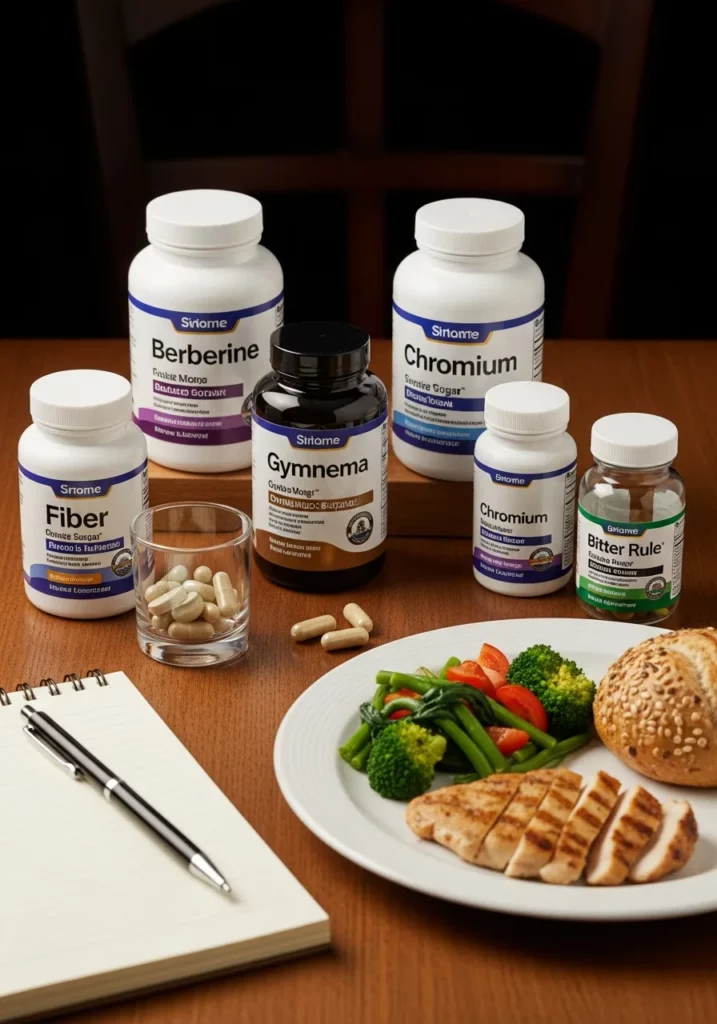
Safety is the absolute priority when adding pills to your regimen. The most critical rule is to introduce only one new supplement at a time.
If you start fiber, berberine, and a new multivitamin on the same day and experience a dangerous blood sugar drop, you won’t know which pill caused it. Start one supplement, monitor your glucose for two weeks, and evaluate the results.
Always space your supplements away from your prescription medications by at least two hours. Some supplements, particularly heavy minerals or thick fibers, can block the physical absorption of your life-saving pharmaceuticals.
Who Should Avoid Supplements?
While generally safe for the public, certain diabetic patients should avoid over-the-counter supplements entirely. Pregnant individuals managing gestational diabetes must stick strictly to doctor-approved prenatal vitamins.
Patients with diabetic kidney disease or liver disease must be incredibly cautious. Your kidneys and liver have to filter every supplement you swallow; adding heavy botanical extracts can push compromised organs into failure.
Finally, patients taking multiple glucose-lowering medications (like a combination of insulin and sulfonylureas) should avoid blood-sugar-lowering supplements unless explicitly instructed by their endocrinologist.
Action Plan: Getting Started
- Audit your current pills: Gather all your current vitamins and prescriptions into a bag to review at your next doctor’s appointment.
- Start with the basics: If you are deficient, begin with a high-quality magnesium glycinate and a fiber supplement to build a solid metabolic foundation.
- Track your glucose: Test your blood sugar strictly before and two hours after taking a new supplement to see how your body reacts.
- Focus on food first: Ensure your diet consists of lean proteins and vegetables before spending money on expensive pill regimens.
Frequently Asked Questions
What supplements are best for diabetic weight loss?
Soluble fiber (like psyllium), magnesium, omega-3 fatty acids, and probiotics are generally considered the safest and most effective baseline supplements. They support satiety, reduce systemic inflammation, and improve insulin sensitivity.
Can supplements lower blood sugar?
Yes, certain supplements like berberine, alpha-lipoic acid, and chromium have mild to moderate clinical evidence showing they can help lower blood sugar. However, their effects vary wildly and should never replace prescription medications.
Are meal replacement shakes good for diabetics?
They can be an excellent tool for weight loss if chosen correctly. You must select shakes that are high in protein and fiber, and contain less than 5 to 10 grams of total sugar to prevent dangerous glucose spikes.
Are diet pills safe for diabetics?
Most over-the-counter commercial diet pills are highly unsafe due to excessive stimulants that can spike blood pressure and glucose. Only use FDA-approved weight loss medications prescribed directly by your physician.
Can I stop taking my medication if I use natural supplements?
Absolutely not. You must never stop or reduce your prescribed diabetes medications without direct authorization from your doctor. Natural supplements are meant to assist your medical treatment, not replace it.
Conclusion
Navigating the world of supplements when you have diabetes can feel overwhelming, but it doesn’t have to be. As I continually remind my patients, true healing and sustainable weight loss come from a foundation of consistent, healthy lifestyle choices.
Supplements should be viewed exactly as their name implies: supplemental to the hard work you are already doing in the kitchen and the gym. While products like fiber, magnesium, and certain botanicals can absolutely give your metabolism an evidence-based edge, there is no magic pill that will outwork a poor diet.
Take a proactive, safety-first approach. Work closely with your healthcare team to select high-quality, targeted supplements that fill your specific nutritional gaps. By combining modern medical advice with sensible nutritional support, you can safely accelerate your weight loss journey and achieve lasting metabolic health.
Authoritative Medical References:
- National Center for Complementary and Integrative Health (NCCIH) – Diabetes and Dietary Supplements
- National Institutes of Health (NIH) Office of Dietary Supplements – Dietary Supplements for Weight Loss
- PubMed (National Library of Medicine) – Meta-analysis of the effect and safety of berberine in the treatment of type 2 diabetes mellitus
- American Diabetes Association (ADA) – Food & Nutrition Products
- Mayo Clinic – Over-the-counter weight-loss pills