
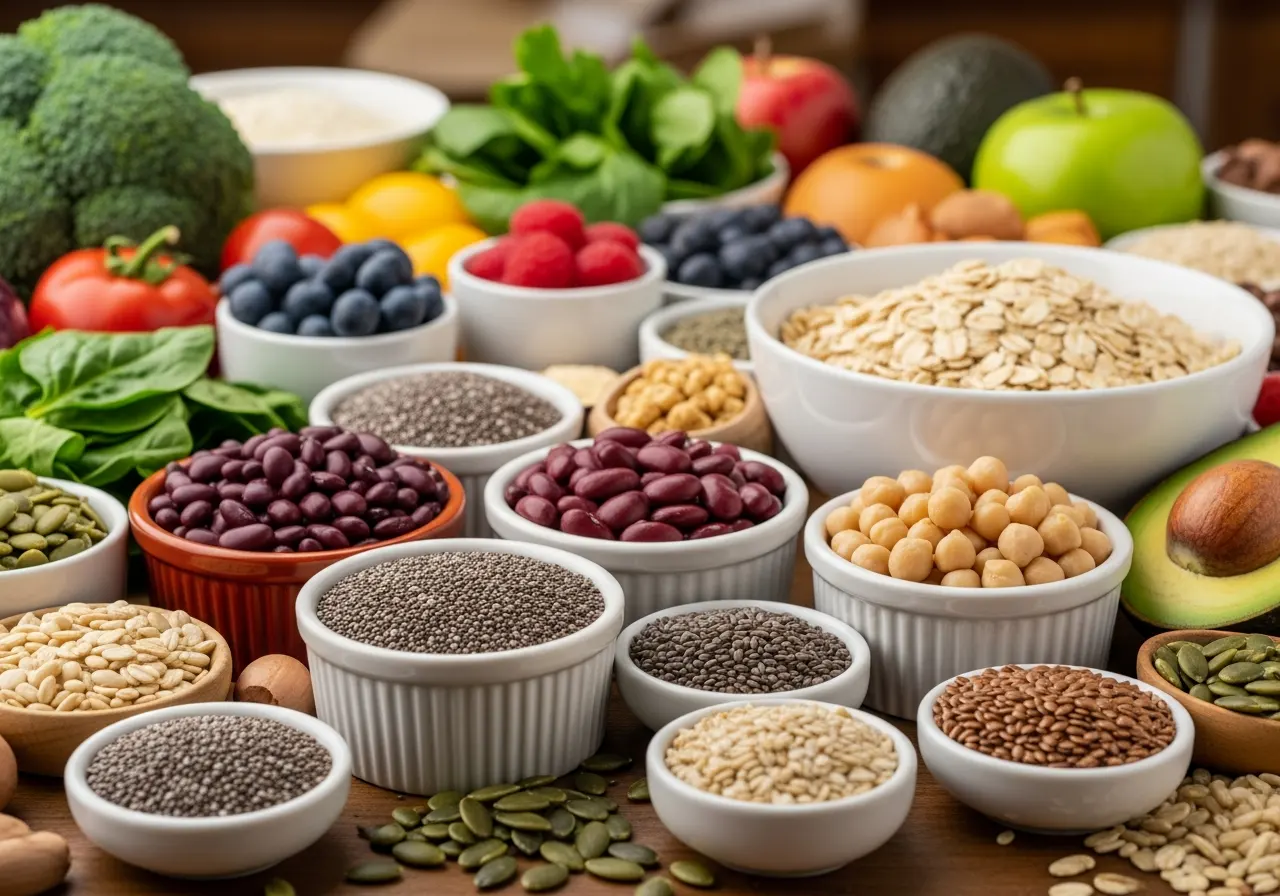
If you have recently been diagnosed with elevated blood sugar, adding fiber rich foods for prediabetes to your meals might be the most powerful, life-changing intervention you can make.
Just last month, I sat down with Maria, a 46-year-old patient who was terrified by her recent lab results. She asked me what the best food to eat when you are prediabetic is, expecting a restrictive, miserable diet plan.
Instead, I told her we were going to focus on adding one specific nutrient: fiber. Prediabetes fundamentally alters your body’s glucose metabolism and decreases your insulin sensitivity. While medications have their place, clinical nutrition is always the first-line intervention.
In this comprehensive guide, we will explore exactly how a high-fiber diet repairs your metabolism. I will provide you with a definitive list of the best fibers for blood sugar control and give you a practical prediabetes diet food list to kickstart your journey to better health.
Key Takeaways
- Fiber is your absolute best defense against insulin resistance, acting as a natural regulator for your blood sugar levels.
- Focus intensely on whole, plant-based foods, prioritizing soluble fiber sources like oats, beans, and seeds.
- A diagnosis of prediabetes is a reversible warning sign. By combining a fiber-rich diet with daily physical activity, you can safely and effectively restore your metabolic health.
What Is Prediabetes?
Prediabetes is a critical metabolic warning sign. Medically, it is diagnosed when your hemoglobin A1C—a measure of your average blood sugar over three months—falls between 5.7% and 6.4%. Your blood glucose is consistently higher than normal, but not quite high enough to be classified as full-blown Type 2 diabetes.
At the core of this condition is insulin resistance. Your pancreas is pumping out insulin to move sugar from your blood into your cells, but your cells have stopped responding effectively. The sugar gets backed up in your bloodstream, causing systemic inflammation and cellular damage.
The most important thing I tell my patients is that prediabetes is completely reversible. Especially when designing a diet for prediabetic female patients—who often deal with compounding hormonal shifts like perimenopause—focusing on nutrient-dense, blood-sugar-stabilizing foods can completely reverse insulin resistance before it progresses.
Why Fiber Is Critical for Prediabetes
When treating metabolic conditions, fiber is not just a digestive aid; it is a metabolic regulator. Dietary fiber physically alters how your digestive system processes the carbohydrates you eat.
First, fiber actively slows down the absorption of glucose into your bloodstream. Instead of a sudden sugar spike that forces your pancreas to panic, fiber ensures a slow, steady trickle of energy. This gentle absorption significantly improves insulin sensitivity over time, which is why it is considered the best fiber for insulin resistance.
Second, a high-fiber diet promotes profound satiety. It physically stretches the stomach and delays gastric emptying, keeping you full for hours. This naturally leads to a caloric deficit and weight loss, which directly burns away the visceral fat, causing your insulin resistance.
Lastly, it feeds the healthy bacteria in your gut microbiome, which produce short-chain fatty acids that further regulate systemic blood sugar.
What Is the Best Fiber for Prediabetes?
There are two main categories of fiber: soluble and insoluble. Both are essential, but they perform different jobs. Soluble fiber, such as beta-glucan and psyllium, is the most effective for blood sugar control because it forms a thick, gel-like substance in the gut that traps sugars and prevents rapid absorption.
Insoluble fiber, found in wheat bran and vegetable skins, adds bulk to your stool and keeps your digestive tract moving smoothly. If you are wondering what the best fiber for prediabetes is to actively lower an A1C, you must prioritize soluble sources.
Beta-glucan, found heavily in oats and barley, is clinically proven to blunt post-meal glucose spikes. Psyllium husk is another powerful soluble fiber that can be taken as a supplement or baked into foods. I
nulin (found in chicory root and asparagus) and resistant starches (found in cooled potatoes or green bananas) act as powerful prebiotics that repair metabolic function from the inside out.
List of High-Fiber Foods for Prediabetes
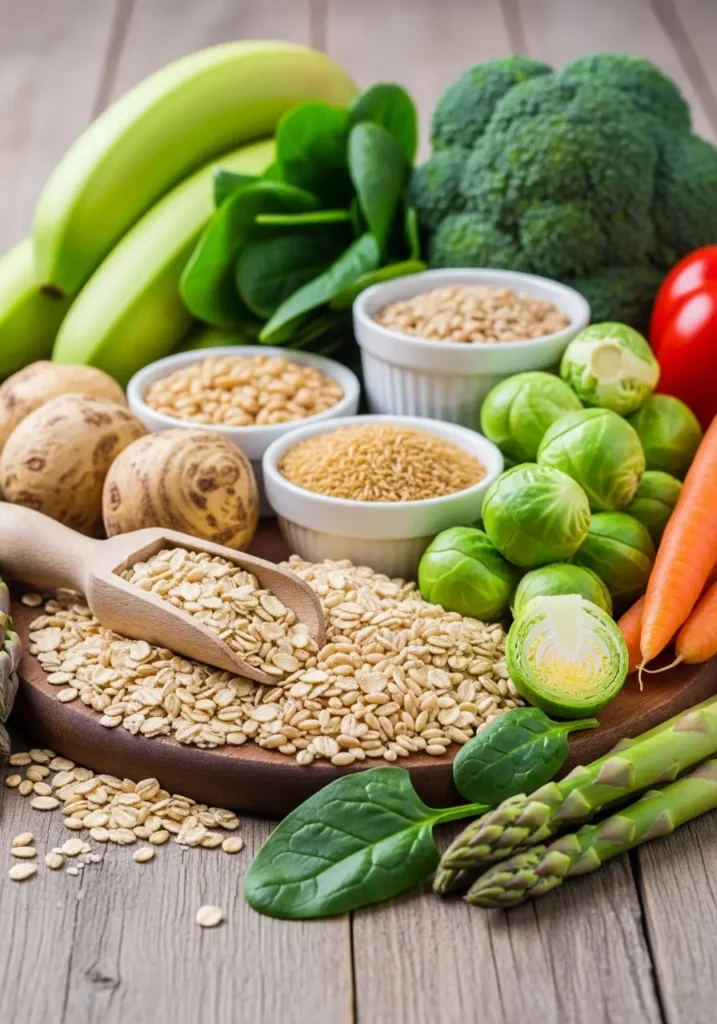
When my patients ask for a list of high-fiber foods for diabetics or prediabetics, I break it down into realistic, accessible grocery categories. Incorporating these foods daily is the cornerstone of reversing your diagnosis.
Vegetables
Non-starchy vegetables should make up half of your plate at every meal. They provide massive volume and micronutrients with almost zero glycemic impact.
- Broccoli: Contains sulforaphane, a compound shown to decrease glucose production in the liver, alongside a massive dose of fiber.
- Spinach and Leafy Greens: Incredibly low in calories but rich in insoluble fiber to keep your digestive tract healthy.
- Brussels Sprouts: One of the densest sources of soluble fiber in the vegetable kingdom, perfect for trapping excess dietary sugars.
- Carrots (Raw): When eaten raw, they have a low glycemic index and provide a satisfying, fiber-rich crunch that replaces processed snacks.
Fruits
You do not have to avoid fruit, but you must choose wisely. What foods are high in fiber for pre-diabetic patients who crave sweetness? The answer is fruits with a high skin-to-flesh ratio.
- Berries: Raspberries and blackberries are the absolute gold standard. They pack up to 8 grams of fiber per cup with very little fructose.
- Apples: Always eat them with the skin on. The skin contains pectin, a soluble fiber that actively improves insulin response.
- Pears: Slightly higher in fiber than apples, making them an excellent choice for a midday snack when paired with almonds.
Whole Grains
Refined grains are the enemy, but intact whole grains are essential metabolic tools. The intact bran and germ provide the exact beta-glucans your body needs.
- Steel-Cut Oats: Unlike instant oatmeal, steel-cut oats retain their complex fiber structure, requiring your body to work hard to break them down.
- Quinoa: Technically a seed, quinoa acts as a grain but provides a rare combination of high fiber and complete protein.
- Brown Rice or Barley: Hulled barley, in particular, is a beta-glucan powerhouse that provides sustained energy without the glucose crash.
Legumes
If there is a superfood category for prediabetes, it is legumes. They possess a unique carbohydrate structure that is exceptionally slow to digest.
- Lentils: Packing over 15 grams of fiber per cooked cup, lentils are incredibly cheap, versatile, and blood-sugar-friendly.
- Chickpeas: Rich in both soluble fiber and resistant starch, chickpeas help lower your overall daily insulin requirements.
- Black Beans: Excellent for heart health and blood sugar stability, black beans form the perfect base for a metabolic-friendly meal.
Nuts and Seeds
Nuts and seeds provide the ultimate combination of fiber, protein, and healthy fats. This trifecta is guaranteed to keep your blood sugar flat.
- Chia Seeds: When mixed with liquid, chia seeds form a massive gel, slowing digestion and keeping you full for hours.
- Flaxseeds (Ground): Packed with fiber and omega-3 fatty acids, which help reduce the cellular inflammation driving insulin resistance.
- Almonds: A handful of raw almonds provides excellent dietary fiber and magnesium, a mineral crucial for proper insulin function.
Prediabetes Diet Food List
Creating a comprehensive prediabetes diet food list is about building a sustainable nutritional foundation. It is not about starvation; it is about strategic substitution. You must pair your high-fiber carbohydrates with high-quality lean proteins and anti-inflammatory healthy fats.
Proteins like grilled chicken, turkey, tofu, and eggs do not raise blood sugar and keep your muscle mass strong. Healthy fats, such as avocados, extra-virgin olive oil, and walnuts, actively slow the digestive process. When you eat fiber, protein, and fat together, your blood sugar curve remains completely flat.
Conversely, you must strictly avoid the worst foods for prediabetes. These include ultra-processed snacks, refined flour products, and anything containing high-fructose corn syrup. These foods strip away all natural fiber, leaving behind a concentrated carbohydrate load that severely damages your insulin receptors.
Mediterranean Diet for Prediabetes
When my patients are overwhelmed by dietary changes, I almost always transition them to a Mediterranean diet for prediabetes. Decades of clinical research consistently rank this eating pattern as the gold standard for metabolic health and cardiovascular protection.
The Mediterranean approach naturally incorporates massive amounts of soluble and insoluble fiber through daily servings of vegetables, legumes, and whole grains. It heavily utilizes extra-virgin olive oil, which provides monounsaturated fats that actively reduce cellular inflammation and improve how your body utilizes insulin.
Furthermore, this diet prioritizes fatty fish like salmon and sardines over red meat. The omega-3 fatty acids in fish are critical for repairing the metabolic damage caused by chronically high blood sugar. It is a highly sustainable, flavorful way to eat that never feels like a restrictive medical diet.
7-Day Meal Plan for Prediabetes
Patients often tell me they understand the science, but they need to see what it looks like on a plate. Here is a fiber-focused 7-day meal plan for prediabetes designed to keep your glucose stable and your stomach full.
Day 1: Fiber Foundation
- Breakfast: Steel-cut oatmeal topped with two tablespoons of chia seeds and fresh raspberries.
- Lunch: A large mixed greens salad with chickpeas, cherry tomatoes, and grilled chicken, dressed with olive oil.
- Dinner: Baked wild-caught salmon alongside roasted Brussels sprouts and a small portion of quinoa.
Day 2: Plant-Powered Protein
- Breakfast: Greek yogurt (unsweetened) topped with ground flaxseeds, walnuts, and a handful of blueberries.
- Lunch: Hearty lentil soup with a side of steamed broccoli and a slice of sprouted grain bread.
- Dinner: Turkey meatballs served over zucchini noodles (zoodles) with a low-sugar marinara sauce.
Day 3: Healthy Fats and Fiber
- Breakfast: Two scrambled eggs cooked in olive oil with a side of sliced avocado and a green apple.
- Lunch: Tuna salad made with avocado instead of mayo, served on high-fiber crispbreads with carrot sticks.
- Dinner: Grilled chicken breast with a generous portion of roasted asparagus and half a baked sweet potato.
Day 4: Metabolic Reset
- Breakfast: A smoothie made with spinach, a scoop of unsweetened protein powder, chia seeds, and almond milk.
- Lunch: Leftover chicken breast chopped into a black bean and corn salad, heavily dressed with lime juice.
- Dinner: Baked cod with a side of sauteed Swiss chard and a small serving of hulled barley.
Day 5: Sustained Energy
- Breakfast: A slice of dense, seeded whole-grain toast topped with mashed avocado and a poached egg.
- Lunch: A warm quinoa bowl mixed with roasted cauliflower, spinach, and a tahini lemon dressing.
- Dinner: Lean beef stir-fry loaded with broccoli, snap peas, and bell peppers, served without rice.
Day 6: Gut Health Focus
- Breakfast: Chia seed pudding (soaked overnight in almond milk) topped with sliced almonds and blackberries.
- Lunch: A large spinach salad topped with canned sardines, pumpkin seeds, and a sharp vinaigrette.
- Dinner: Baked chicken thighs with a side of roasted carrots and a large portion of steamed green beans.
Day 7: Balanced Basics
- Breakfast: A vegetable omelet packed with mushrooms, spinach, and onions.
- Lunch: Minestrone soup loaded with kidney beans and non-starchy vegetables.
- Dinner: Grilled shrimp skewers served over a bed of cauliflower rice and roasted asparagus.
How Fiber Helps Reverse Prediabetes
Many patients desperately ask me how to reverse prediabetes in 3 months. While individual results vary, aggressively increasing your dietary fiber is the fastest nutritional path to that goal.
Fiber physically blocks a portion of the dietary fats and carbohydrates you consume from ever being absorbed into your bloodstream. This gently forces your body to rely on stored visceral fat for energy, leading to rapid, sustainable weight loss.
As you lose that deep belly fat, your cells become highly sensitive to insulin once again. Your pancreas no longer has to overwork, your fasting glucose numbers plummet, and your metabolism effectively resets itself.
Best Diet for Prediabetes
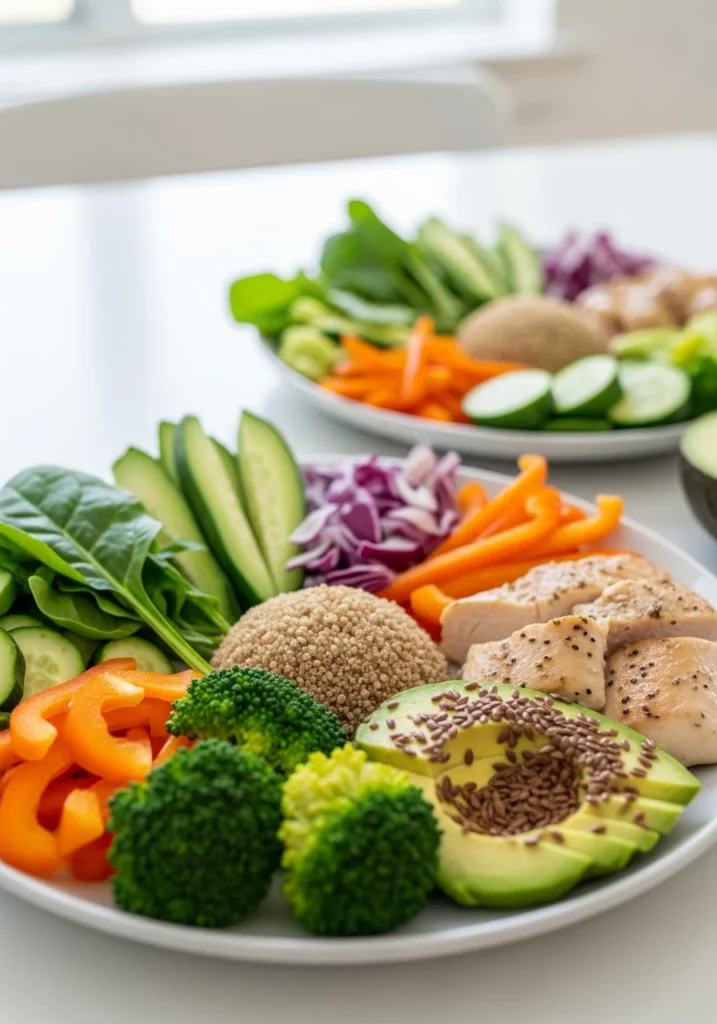
When determining the best overall dietary approach, we must consider specific physiological factors. For example, a proper diet for prediabetic female patients must account for hormonal fluctuations.
As estrogen drops during perimenopause, insulin resistance naturally increases, making weight management incredibly difficult.
Therefore, the best diet is one that prioritizes nutrient density over severe calorie counting. It must be rich in phytoestrogens (like ground flaxseed), high in lean protein to preserve bone and muscle mass, and loaded with fibrous vegetables to naturally sweep excess hormones from the digestive tract.
Worst Foods for Prediabetes
To protect your progress, you must aggressively limit the worst foods for prediabetes. Sugary drinks, including sodas, sweet teas, and most fruit juices, are the absolute most dangerous items you can consume. They hit your liver like a metabolic bomb, instantly converting to fat.
White bread, conventional pasta, and white rice act identically to table sugar inside your body. Fried foods and commercially baked goods are loaded with trans fats and highly refined oils that inflame your cells and severely worsen insulin resistance.
Practical Tips to Increase Fiber Intake
- Start very slowly: If you rapidly increase your fiber intake overnight, you will experience severe bloating and gastric distress. Add only 3 to 5 grams of extra fiber per day to let your gut microbiome adjust.
- Drink massive amounts of water: Fiber needs water to form its protective gel in your stomach. Without adequate hydration, high fiber intake can actually cause severe constipation.
- Leave the skins on: Never peel your apples, pears, cucumbers, or carrots. The outer skins contain the highest concentration of protective insoluble fiber.
Frequently Asked Questions
What foods are high in fiber for pre-diabetic?
The best high-fiber foods include legumes (lentils, black beans), non-starchy vegetables (broccoli, Brussels sprouts), whole intact grains (steel-cut oats, quinoa), and specific fruits with thick skins or lots of seeds (raspberries, apples).
What is the best food to eat when you are prediabetic?
There is no single magic food, but the best approach is a balanced plate consisting of 50% non-starchy vegetables, 25% lean protein (like grilled chicken or fish), and 25% complex, high-fiber carbohydrates paired with a healthy fat.
What is the best fiber for prediabetes?
Soluble fiber is the absolute best for blood sugar control. It forms a gel in your digestive tract that slows glucose absorption. Excellent sources include beta-glucan from oats and barley, or a daily psyllium husk supplement.
How to reverse prediabetes in 3 months?
Reversing the condition quickly requires a strict commitment to a calorie deficit, exercising for at least 30 minutes daily to burn muscle glycogen, and eating a high-fiber, low-sugar diet to dramatically lower your daily insulin requirements.
Can I take fiber supplements instead of eating whole foods?
While high-quality supplements like psyllium husk are excellent metabolic tools, they should never completely replace a balanced, whole-food diet. Real foods provide a complex matrix of vitamins, minerals, and cellular hydration that an isolated powder simply cannot replicate.
I advise my patients to use fiber supplements to bridge the gap on busy days, but your primary focus must always remain on building a sustainable, plant-rich plate.
Conclusion
In my practice, I always remind patients that a prediabetes diagnosis is not a life sentence; it is a critical opportunity. By making the conscious choice to incorporate more fiber-rich foods into your daily meals, you are actively taking control of your metabolic health.
You do not need to overhaul your entire life overnight. Start by adding a handful of raspberries to your morning routine or swapping out white rice for quinoa. These small, fiber-focused changes compound over time, drastically lowering your blood sugar and improving your insulin sensitivity.
Remember, consistency is far more important than perfection. Pair your new high-fiber diet with regular daily movement, adequate hydration, and ongoing guidance from your healthcare team to ensure you stay on track safely.
If you are ready to take the next step, start building your grocery list today using the foods outlined in this guide. Your metabolism—and your future health—will thank you for it.
Authoritative Medical References:
- Centers for Disease Control and Prevention (CDC) – Fiber: The Carb That Helps You Manage Diabetes
- Harvard T.H. Chan School of Public Health – Fiber
- Mayo Clinic – Dietary fiber: Essential for a healthy diet
- National Institute of Diabetes and Digestive and Kidney Diseases (NIDDK) – Diabetes Diet, Eating, & Physical Activity
- National Library of Medicine (PubMed) – Impact of Dietary Fiber Consumption on Insulin Resistance and the Prevention of Type 2 Diabetes