
Managing prediabetes starts with smart food choices. And whole grains for prediabetes are a powerful, evidence-backed tool in your metabolic toolkit. Prediabetes means elevated fasting glucose (100-125 mg/dL) and underlying insulin resistance.
Without intervention, 15-30% progress to type 2 diabetes within five years. But diet remains the most effective, accessible intervention. Yet confusion abounds: “Are grains good or bad for prediabetes?” The answer isn’t black and white.
Refined grains spike blood sugar rapidly. But whole grains, chosen wisely and portioned correctly, actively stabilize it. They deliver soluble fiber, B vitamins, magnesium, and antioxidants. They slow gastric emptying and glucose absorption.
This guide clarifies exactly which grains to embrace. You’ll get a practical, printable food list. You’ll access a simple, flexible meal plan. Let’s harness whole grains for lasting metabolic health.
What Grains Can Prediabetics Eat?
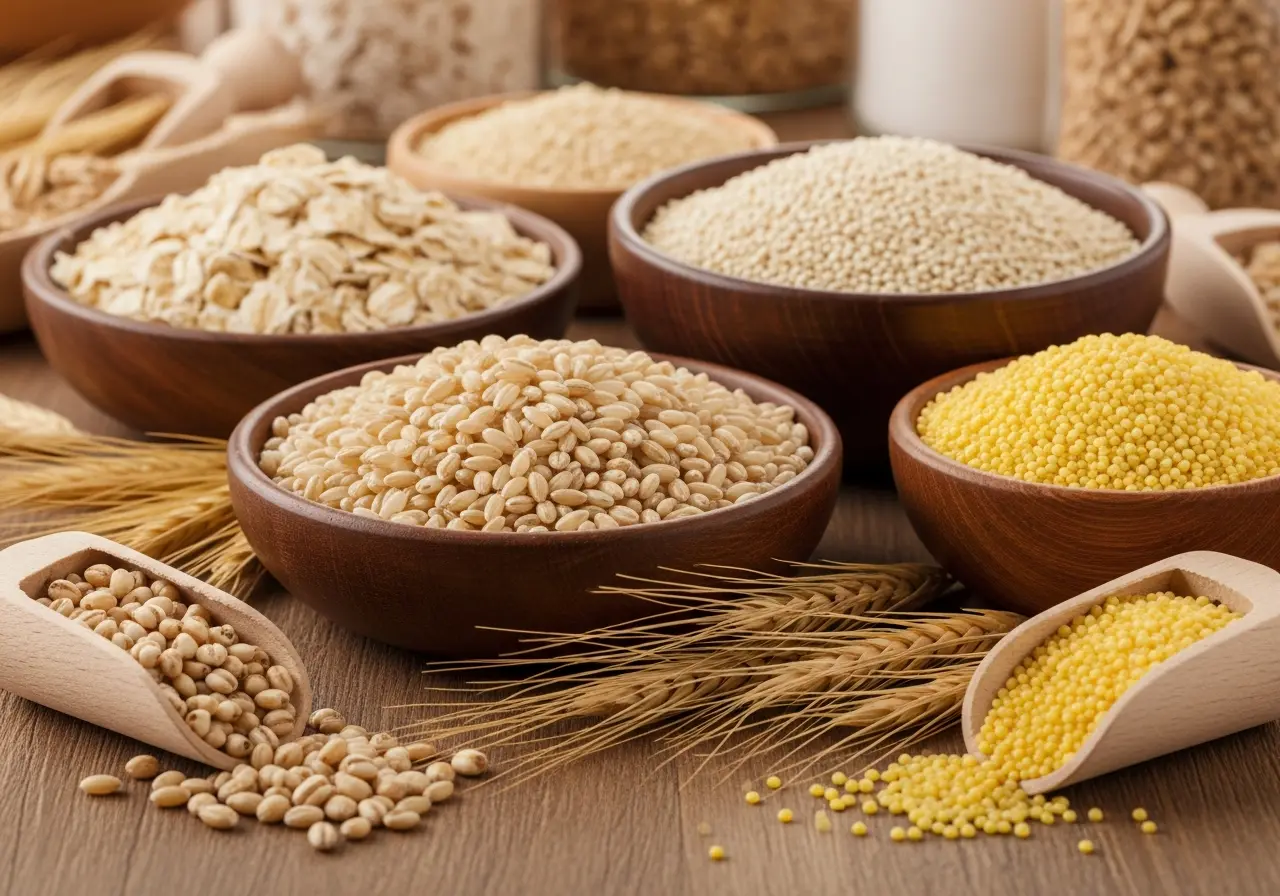
Prediabetics can safely eat low-glycemic whole grains such as steel-cut oats, quinoa, barley, brown rice, bulgur, and millet. These grains are rich in soluble fiber, which forms a viscous gel in the digestive tract. This physically slows carbohydrate breakdown and glucose absorption.
The result? Reduced post-meal blood sugar spikes and improved insulin sensitivity over time. Always pair grains with a protein source and healthy fat. This combination further blunts the glycemic response.
Consult your healthcare provider or a registered dietitian for personalized portion guidance based on your activity level and metabolic goals.
Why Whole Grains Matter for Prediabetes
Whole grains aren’t just “less bad” than refined options. They actively support metabolic health through multiple physiological pathways. Understanding the science empowers smarter choices.
Whole Grains vs Refined Grains
Whole grains contain the entire kernel: the fiber-rich bran, nutrient-dense germ, and starchy endosperm. This preserves dietary fiber, B vitamins (thiamin, riboflavin, niacin), iron, magnesium, and phytochemicals. Refined grains strip away the bran and germ during milling.
This removes up to 25% of the protein and 17 key nutrients. Manufacturers often “enrich” them with a few synthetic vitamins, but the fiber is gone. The result? A product that digests rapidly into pure glucose.
Whole grains have a significantly lower glycemic index (GI). They cause a slower, steadier rise in blood sugar and insulin. This reduces oxidative stress on pancreatic beta cells. It supports better insulin sensitivity long-term.
Impact on Blood Sugar Control
The soluble fiber in whole grains, particularly beta-glucan in oats and barley, forms a gel-like substance in the small intestine. This physically slows the enzymatic breakdown of carbohydrates. Glucose enters the bloodstream gradually rather than in a surge.
Post-meal spikes are minimized, reducing the demand for large insulin bursts. Research shows this pattern improves HbA1c and fasting glucose over time.
A 2024 meta-analysis in Diabetes Care reviewing 18 RCTs confirmed that high-fiber whole grain intake (≥3 servings/day) significantly improved insulin sensitivity and reduced prediabetes progression risk by 26%. This isn’t theoretical. It’s robust clinical evidence you can apply today.
Best Whole Grains for Prediabetes
Not all whole grains are equal. Focus on these low-glycemic, nutrient-dense options. They form the foundation of a protective, sustainable prediabetes diet. Each offers unique benefits backed by clinical research.
Top Choices
| Grain | Key Benefit | Glycemic Index | Practical Tip |
|---|---|---|---|
| Oats (steel-cut) | High in beta-glucan fiber; shown to lower LDL cholesterol and blunt postprandial glucose | Low (42-55) | Prepare overnight to save time; add cinnamon for extra insulin-sensitizing benefits |
| Quinoa | Complete plant protein (all 9 essential amino acids) + fiber; naturally gluten-free | Low (35-53) | Rinse before cooking to remove bitter saponins; use as a rice substitute |
| Barley (hulled) | Beta-glucan content improves insulin sensitivity; very low GI stabilizes morning glucose | Very Low (25-45) | Use in soups, salads, or as a pilaf base; hull-less barley cooks faster |
| Brown Rice | Retains bran layer with magnesium, which supports insulin signaling; better nutrient profile than white | Medium (50-66) | Choose long-grain for lower GI; rinse to remove excess starch before cooking |
| Millet | Gluten-free; rich in magnesium and antioxidants; alkaline-forming for gut health | Low (54-68) | Toast lightly before cooking to enhance nutty flavor; works well in porridge |
| Bulgur | Pre-cooked and cracked wheat; high fiber; quick-cooking versatile option for busy days | Low (46-53) | Ideal for tabbouleh or as a rice substitute; rehydrates in hot water in 15 minutes |
These best grains for diabetics and prediabetics share critical, evidence-based traits. They are minimally processed, retaining their natural fiber matrix. They have a low to medium glycemic index, preventing rapid glucose spikes.
They provide sustained energy and promote satiety hormones like GLP-1. Incorporate them mindfully. Portion control still matters significantly. A standard serving is ½ cup cooked grain (about 15-20g carbs). Always pair with protein (eggs, fish, legumes) and healthy fat (avocado, olive oil, nuts).
This trio slows digestion further, creating a flat, manageable glucose curve. Start with one serving per meal and monitor your response with a glucose meter if possible. Individual responses vary based on gut microbiome and insulin sensitivity.
Which Whole Grain Is Best for Diabetes?
Barley is often considered the best whole grain for diabetes and prediabetes management. Its exceptionally high beta-glucan fiber content (up to 10% in hulled barley) significantly slows glucose absorption in the small intestine.
Clinical studies, including a 2023 RCT in The American Journal of Clinical Nutrition, show that barley consumption reduces post-meal blood sugar spikes by up to 30% compared to other grains. It also improves insulin sensitivity and lowers LDL cholesterol over 8-12 weeks.
Choose hulled or hull-less barley for maximum fiber benefit. Pearl barley is more processed but still a good option.
Which Grain Is Lowest in Sugar?
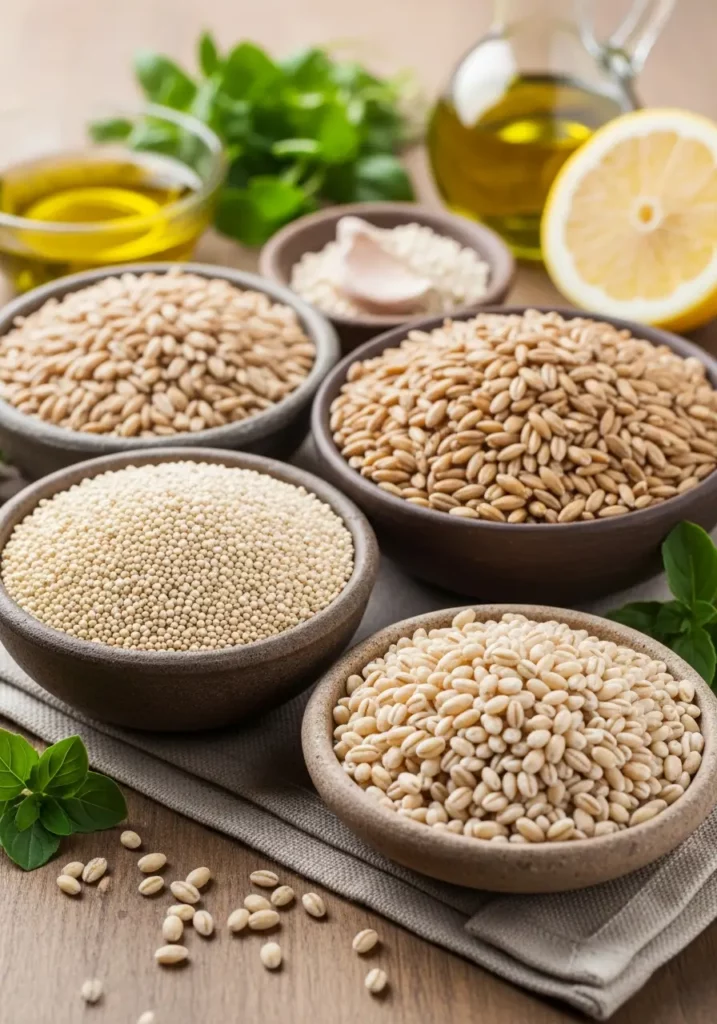
Quinoa and barley are among the lowest-sugar whole grains available. They have minimal impact on blood glucose when eaten in appropriate ½-cup cooked portions. Their naturally high fiber (quinoa: 5g/cup; barley: 6g/cup) and protein content (quinoa: 8g/cup) further blunt any glycemic response.
This makes them ideal, versatile staples for any prediabetes food list. Always prepare them without added sugars, sweetened sauces, or high-glycemic toppings like dried fruit. Flavor with herbs, spices, lemon juice, or a drizzle of olive oil instead.
Worst Foods for Prediabetes
While embracing beneficial whole grains, strictly avoid these high-glycemic, low-nutrient items. They actively undermine blood sugar control and promote insulin resistance.
- White bread, bagels, tortillas, and refined flour products: Stripped of fiber, they convert to glucose within minutes.
- White rice and instant rice mixes: High GI, low fiber; choose brown, black, or wild rice instead.
- Sugary breakfast cereals and granola bars: Often contain 10-20g added sugar per serving; check labels meticulously.
- Pastries, cookies, cakes, and muffins: Triple threat of refined flour, added sugar, and unhealthy fats.
- Soda, fruit juice, sweetened coffee drinks, and energy drinks: Liquid sugar bypasses satiety signals, causing massive glucose spikes.
These worst foods for prediabetes cause rapid, high-amplitude glucose spikes. They offer minimal nutritional value relative to their metabolic cost. They promote systemic inflammation and visceral fat storage.
Reading nutrition labels is non-negotiable. Added sugars hide under 60+ names: cane juice, malt syrup, evaporated cane crystals, dextrose, and more.
Prediabetes Food List
Use this quick-reference, evidence-based guide for smart grocery shopping and stress-free meal planning.
Foods to Eat Liberally
- Whole grains: Steel-cut oats, quinoa, barley, brown/black rice, millet, bulgur, farro
- Lean proteins: Skinless poultry, fatty fish (salmon, mackerel), eggs, tofu, tempeh, legumes, plain Greek yogurt
- Non-starchy vegetables: Leafy greens, broccoli, cauliflower, peppers, zucchini, asparagus, green beans (fill half your plate)
- Healthy fats: Avocado, raw nuts (walnuts, almonds), seeds (chia, flax), extra-virgin olive oil
Foods to Limit Strictly
- Refined carbs: White bread, white pasta, pastries, crackers, pretzels, most packaged snacks
- Sugar-heavy foods: Candy, desserts, sweetened yogurts, ketchup, BBQ sauce, flavored coffees
- Processed snacks: Chips, cheese puffs, packaged baked goods, “low-fat” products with added sugar
This prediabetes food list aligns precisely with CDC and NIH nutrition guidelines for preventing type 2 diabetes. It prioritizes whole, minimally processed foods. It supports stable blood sugar, healthy weight, and overall metabolic resilience.
7-Day Meal Plan for Prediabetes
Structure reduces decision fatigue and improves adherence. This simple, flexible plan strategically incorporates whole grains while balancing protein and healthy fats.
| Day | Breakfast | Lunch | Dinner |
|---|---|---|---|
| Day 1 | Steel-cut oats + walnuts + cinnamon + berries | Quinoa salad with chickpeas, cucumber, tomatoes, olive oil | Grilled chicken + barley pilaf + roasted broccoli |
| Day 2 | Plain Greek yogurt + chia seeds + millet flakes + blueberries | Leftover chicken & barley bowl with mixed greens | Baked salmon + ½ cup brown rice + asparagus |
| Day 3 | Veggie omelet + 1 slice 100% whole-grain toast | Lentil soup + large side salad with vinaigrette | Turkey stir-fry + millet + snap peas and bell peppers |
| Day 4 | Chia pudding (almond milk, chia, vanilla) + sliced almonds | Large salad with quinoa, hard-boiled egg, avocado, lemon-tahini dressing | Shrimp + zucchini noodles + bulgur tabbouleh |
| Day 5 | Smoothie: unsweetened protein powder, spinach, ¼ cup oats, almond milk | Leftover shrimp & bulgur bowl with extra greens | Lean beef stir-fry + roasted veggies + ⅓ cup brown rice |
| Day 6 | Cottage cheese + ground flaxseed + fresh blueberries | Whole-grain wrap with hummus, cucumber, spinach, grilled chicken | Baked cod + quinoa + steamed green beans with lemon |
| Day 7 | Scrambled eggs + ¼ avocado + 1 slice millet toast | Big salad with tuna, olive oil, barley, cherry tomatoes, red onion | Chicken curry (light coconut milk) + cauliflower rice + small side brown rice |
This 7-day meal plan for prediabetes emphasizes balance, variety, and real-world practicality. Rotate items based on seasonal produce and personal preference. Adjust portions to your individual calorie and carbohydrate needs. Consistency in pattern matters far more than perfection in any single meal.
Diet for Prediabetes Female
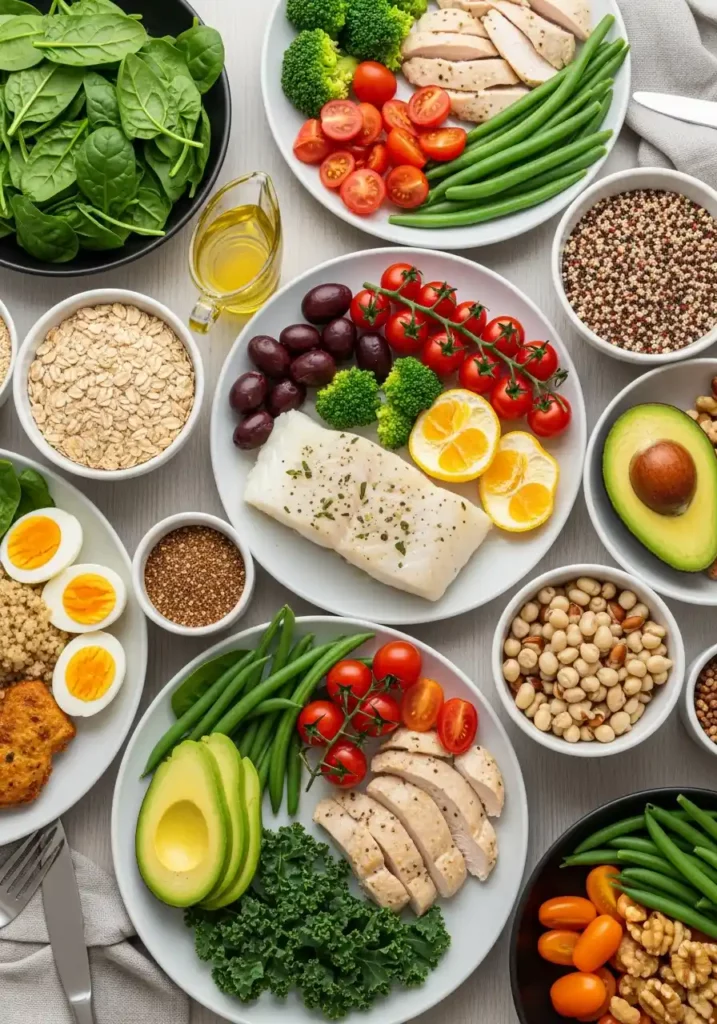
Women with prediabetes have unique nutritional considerations influenced by hormonal fluctuations across the menstrual cycle, perimenopause, and conditions like PCOS.
Key Considerations
Prioritize nutrients that support hormonal balance and insulin sensitivity. Ensure adequate iron intake, especially during menstruation, to combat fatigue. Include calcium (1,000-1,200 mg/day) and vitamin D (600-800 IU/day) for long-term bone health, as insulin resistance can affect bone density.
Manage portions mindfully to support a healthy weight. Even modest weight loss (5-7% of body weight) significantly improves insulin sensitivity and can restore ovulation in PCOS.
Recommended Foods
- Whole grains: Oats and barley support stable energy and provide B vitamins crucial for hormone metabolism
- Leafy greens: Spinach, kale, and Swiss chard are rich in magnesium, which aids insulin receptor function
- Lean proteins: Chicken, fish, eggs, and legumes support satiety and preserve muscle mass, essential for metabolic health
- Healthy fats: Avocado, olive oil, and walnuts provide building blocks for hormone production and reduce inflammation
This tailored diet for prediabetic female readers supports whole-body wellness, not just glucose numbers. It’s not about restriction. It’s about strategic, nourishing choices that honor your unique physiology.
Can You Reverse Prediabetes in 3 Months?
Yes, many people can reverse prediabetes within 3 months through dedicated, multi-factor lifestyle changes.
Key evidence-based steps include: achieving 5–10% weight loss if a higher-weight person (per the Diabetes Prevention Program); adopting a low-glycemic, high-fiber diet rich in whole grains, non-starchy vegetables, and lean protein; exercising at least 150 minutes per week of moderate activity (brisk walking, cycling); and prioritizing 7-9 hours of quality sleep plus stress management techniques like mindfulness.
Consistency is your greatest accelerator. Work closely with your healthcare team for personalized monitoring and support.
How to Build a Healthy Prediabetes Diet
Sustainable change beats short-term restriction every time. Follow these core, clinically-supported principles for lasting success.
Core Principles
- Balance carbs with protein and fat: Always pair whole grains with a protein source (eggs, fish, legumes) and healthy fat (avocado, olive oil). This trio slows gastric emptying and glucose absorption, creating a flat, manageable blood sugar curve.
- Choose high-fiber foods consistently: Aim for 25-35 grams of total fiber daily from vegetables, legumes, berries, and whole grains. Fiber feeds beneficial gut bacteria, which produce short-chain fatty acids linked to improved insulin sensitivity.
- Avoid hidden refined sugars meticulously: Read ingredient lists, not just nutrition facts. Added sugars hide under 60+ names: cane juice, malt syrup, evaporated cane crystals, dextrose, and more. They lurk in sauces, breads, yogurts, and “healthy” snacks.
- Practice mindful portion control: Even healthy whole grains affect blood sugar in large amounts. Stick to ½ cup cooked grain servings initially. Use your plate as a guide: ½ non-starchy vegetables, ¼ lean protein, ¼ high-fiber carb.
Frequently Asked Questions
What grains can prediabetics eat?
Focus on low-glycemic whole grains: steel-cut oats, quinoa, barley, brown/black rice, millet, and bulgur. Always pair with protein and healthy fat to blunt glucose response. Start with ½ cup cooked portions.
Which whole grain is best for diabetes?
Barley is often top-rated due to its exceptionally high beta-glucan fiber content, which significantly slows glucose absorption and has robust clinical evidence for improving insulin sensitivity and lipid profiles.
Which grain is lowest in sugar?
Quinoa and barley have minimal impact on blood sugar due to their high fiber and protein content. They are excellent staples for a prediabetes food list when prepared without added sugars.
What are the worst foods for prediabetes?
Strictly limit refined carbs (white bread, white rice), sugary foods (soda, pastries, sweetened cereals), and ultra-processed snacks. They cause rapid glucose spikes and promote inflammation.
How much whole grain should I eat daily?
Aim for 3-5 servings of whole grains daily. One serving equals ½ cup cooked grain, 1 slice of 100% whole-grain bread, or 1 small whole-grain tortilla. Adjust based on your activity level, calorie needs, and glucose response.
In my clinic, I worked with “Sarah,” a 52-year-old with prediabetes. She loved bread but feared grains. We started by swapping her white toast for steel-cut oats at breakfast. Within 8 weeks, her fasting glucose dropped from 108 mg/dL to 94 mg/dL. Her story shows that small, informed swaps create meaningful change. You can do this too.
Conclusion
Whole grains are essential for stable blood sugar when chosen wisely. They deliver fiber, nutrients, and sustained energy. Focus on low-glycemic options like oats, quinoa, and barley. Practice portion control. Pair grains with protein and healthy fats.
Avoid refined carbohydrates and added sugars. Sustainable habits beat short-term restriction. Early intervention can reverse prediabetes. You have the power to change your metabolic trajectory. Start with one smart swap today.
Always consult your healthcare provider before making significant dietary changes, especially if you have underlying health conditions or take medications. This content is for informational purposes only and is not medical advice.
Authoritative Medical References:
- American Diabetes Association – Nutrition Therapy for Adults With Diabetes or Prediabetes: A Consensus Report
- National Institute of Diabetes and Digestive and Kidney Diseases – The Diabetes Prevention Program (DPP) & Whole Grains Research
- National Institutes of Health – Whole Grain Intake and Risk of Type 2 Diabetes: A Systematic Review and Meta-Analysis
- Harvard T.H. Chan School of Public Health – Whole Grains and Disease Prevention