Every week in my clinic, I meet patients who feel entirely overwhelmed by their recent lab results. Just last Tuesday, a patient named Robert sat in my office staring at his elevated blood sugar labs.
He looked at me with deep concern and asked, “What is the best medicine to lower A1C? I want to get this under control as fast as possible.”I immediately reassured Robert that having high blood sugar is not a moral failing; it is a metabolic condition with highly effective solutions.
Because of my detailed conversation with Robert, I created this comprehensive clinical guide to help you navigate your options. You will learn exactly which medications work best, how fast they operate, and how to safely protect your long-term health.
TL;DR Summary
- Metformin remains the gold-standard, first-line therapy for most Type 2 diabetes patients.
- GLP-1 receptor agonists and SGLT2 inhibitors offer powerful A1C reduction while actively protecting the heart and kidneys.
- Insulin is the absolute most powerful and fastest medication for rapid A1C reduction.
- With proper medication and lifestyle changes, A1C can safely drop 1–2% within just 3 months.
- Choosing the best medication depends heavily on your weight, heart health, and kidney function.
What Is A1C and Why Does It Matter?

Your A1C (or Hemoglobin A1c) is a simple blood test that measures your average blood sugar levels over the past two to three months. When sugar enters your bloodstream, it naturally attaches to hemoglobin, a specific protein inside your red blood cells.
Because red blood cells live for about three months, checking the percentage of sugar-coated hemoglobin gives doctors a highly accurate, long-term picture of your metabolic health. It prevents a single high or low blood sugar day from skewing your overall diabetes diagnosis.
- Normal: Below 5.7%
- Prediabetes: 5.7% to 6.4%
- Diabetes: 6.5% or higher
What Is the Best Medicine to Lower A1C?
Medically speaking, there is no single “best” medicine that works perfectly for every single human being. Instead, the best medication is the one that is carefully tailored to your specific body, your heart health, and your underlying metabolic needs.
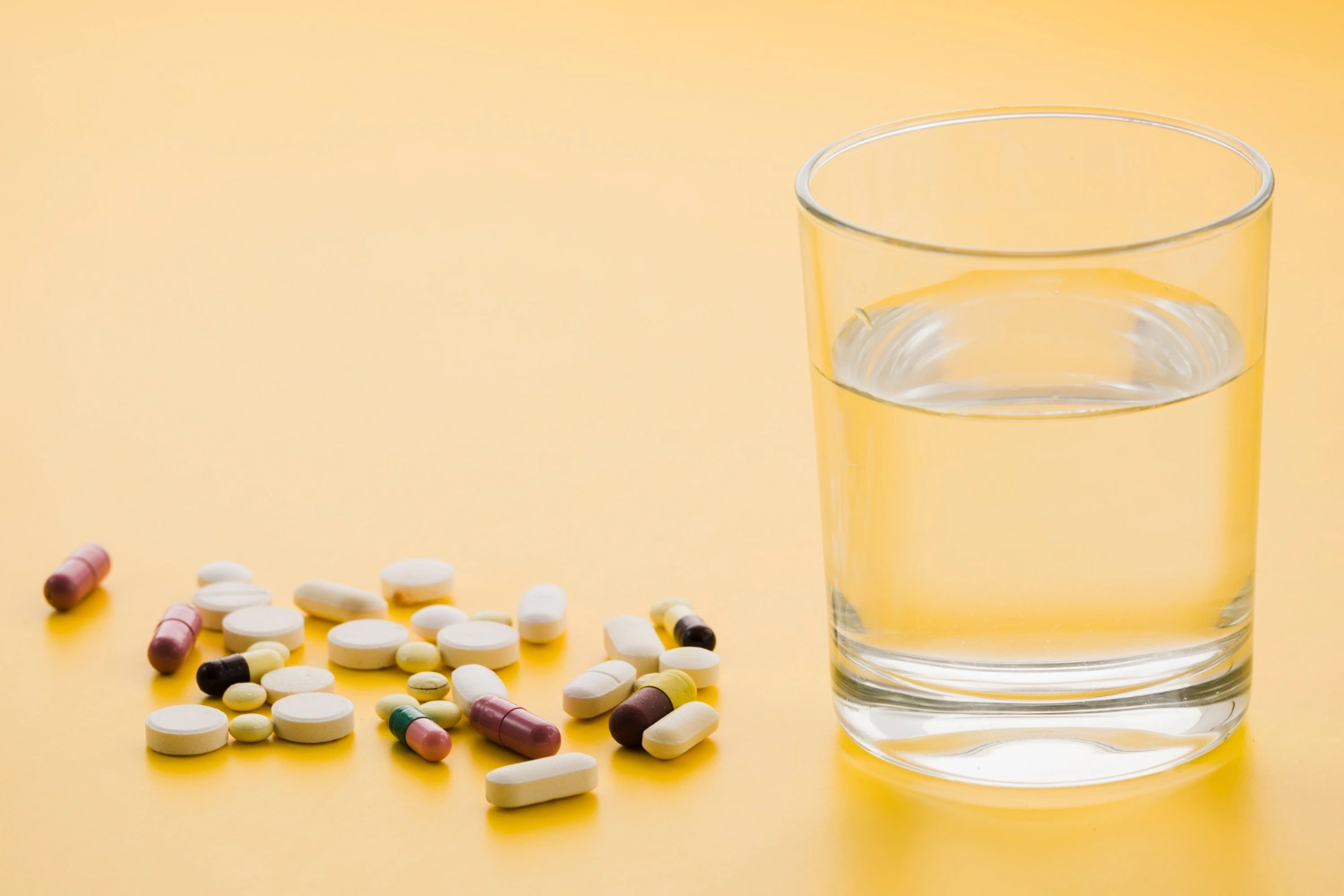
However, modern medicine relies on a hierarchy of highly effective drugs. The most universally prescribed A1C-lowering medications include foundation therapies like Metformin, modern injectable GLP-1 receptor agonists, oral SGLT2 inhibitors, and traditional Insulin. Your physician will choose the right tool based on how aggressively your blood sugar needs to be lowered.
Medications Used to Lower A1C Levels
When you are diagnosed with Type 2 diabetes, choosing the right pharmacological intervention is critical. Because this is the core of modern diabetes management, let’s explore these specific drug classes in much greater detail.
First-Line Therapy: Metformin
For decades, Metformin has stood as the undisputed heavyweight champion of early diabetes treatment. Unless a patient has severe kidney disease or an extreme intolerance, I almost always start them on this oral medication.
Metformin works primarily by strictly telling your liver to stop overproducing background glucose. Simultaneously, it actively improves your body’s natural insulin sensitivity, allowing your muscle cells to absorb sugar from your bloodstream more effectively.
Most patients see a highly reliable A1C reduction of about 1.0% to 1.5%. Because it does not force the pancreas to pump out extra insulin, it carries an incredibly low risk of causing dangerously low blood sugar (hypoglycemia). It is also highly affordable and weight-neutral.
High-Efficacy Medications: GLP-1 Receptor Agonists
In recent years, GLP-1 receptor agonists have completely revolutionized the way endocrinologists and internal medicine doctors treat diabetes. These medications, which include semaglutide and liraglutide, are typically administered as convenient weekly injections.
They work by mimicking a natural gut hormone that tells your pancreas to release insulin exactly when you eat a meal. Furthermore, they significantly slow down gastric emptying, keeping you full for hours. This unique mechanism leads to incredible A1C reductions of 1.0% to 2.0%.
Beyond blood sugar control, GLP-1 drugs provide massive secondary benefits. They are proven to induce significant, sustainable weight loss and offer profound cardiovascular protection, actively reducing the risk of major heart attacks and strokes in diabetic patients.
High-Efficacy Medications: SGLT2 Inhibitors
SGLT2 inhibitors, such as empagliflozin and dapagliflozin, utilize a completely different, highly fascinating biological pathway. Instead of focusing on the liver or pancreas, these oral daily pills target your kidneys.
They actively block a specific protein inside the kidney tubules that normally reabsorbs sugar back into your blood. Consequently, your body safely flushes excess, unwanted glucose directly out of your system through your urine. This simple flushing mechanism consistently lowers A1C by roughly 0.7% to 1.0%.
Just like GLP-1s, SGLT2 inhibitors are now prescribed for much more than just blood sugar. Clinical guidelines heavily recommend them because they aggressively protect against chronic kidney disease progression and significantly lower the risk of severe heart failure.
Powerful Reduction: Insulin Therapy
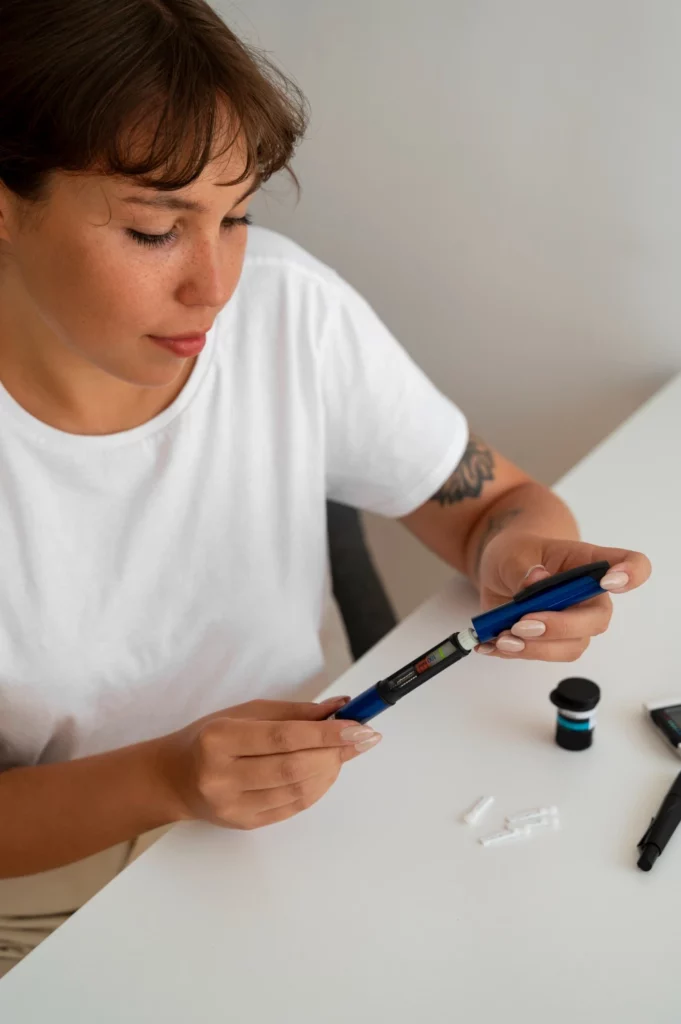
When a patient walks into my clinic with an A1C towering over 9.0% or 10.0%, we often bypass the pills and go straight to Insulin therapy. Insulin remains the absolute most powerful medication available for immediate blood sugar reduction.
Because you are directly injecting the exact hormone your body is missing or ignoring, the A1C reduction is theoretically limitless. Depending on the dosage and regimen, patients can easily see a 1.5% to 3.0% drop in their A1C.
While insulin requires strict monitoring to prevent low blood sugar, it acts incredibly fast. We often use it temporarily to “rescue” a highly toxic metabolic state before slowly transitioning the patient back to pills like Metformin or SGLT2 inhibitors.
Medications That Lower A1C
| Drug Class | Expected A1C Reduction | Key Clinical Benefit |
| Metformin | 1.0% – 1.5% | First-line, low cost, decades of safety data |
| GLP-1 Agonists | 1.0% – 2.0% | Powerful weight loss + major heart protection |
| SGLT2 Inhibitors | 0.7% – 1.0% | Excellent kidney protection + heart failure reduction |
| Insulin | 1.5% – 3.0%+ | Strongest, fastest effect for severe hyperglycemia |
What Lowers A1C the Fastest?
When patients want immediate, rapid results, clinical data provides a very clear hierarchy of speed. Insulin absolutely lowers A1C the fastest, followed closely by high-dose GLP-1 receptor agonists.
Here is the general ranking of interventions, from fastest acting to slowest:
- Direct Insulin therapy (immediate cellular impact)
- GLP-1 receptor agonists (rapid insulin stimulation)
- Combination oral therapy (e.g., Metformin + SGLT2)
- Metformin monotherapy
- Lifestyle and diet changes alone
While insulin is the fastest, “fast” is not always the best long-term strategy for everyone. Your doctor will balance speed with safety, ensuring your blood sugar doesn’t drop to dangerous, dizzying lows.
How Much Can A1C Drop in 3 Months Without Medication?
Many highly motivated patients desperately want to avoid prescription drugs. If you have very mild, newly diagnosed Type 2 diabetes, a massive lifestyle overhaul can indeed lower your numbers naturally.
Without medication, a highly disciplined patient can realistically see a 0.5% to 1.0% A1C reduction in a strict three-month period. However, this absolutely requires unwavering dedication to the process.
To achieve this natural drop, you must aggressively adopt a low-carbohydrate diet to stop glucose spikes. Furthermore, you must aim for at least a 5% to 10% reduction in your total body weight and commit to 150 minutes of moderate cardiovascular exercise every single week.
Best Medication Based on Patient Type
Modern endocrinology has moved far beyond a “one-size-fits-all” approach. When I write a prescription, I am no longer just looking at a patient’s A1C number; I am looking at their entire metabolic profile.
Higher-weight person Patients
If a patient is struggling with significant obesity alongside their diabetes, GLP-1 receptor agonists are undoubtedly the preferred choice. Medications like semaglutide not only lower blood sugar but also actively suppress appetite in the brain. For many patients, shedding 10% to 15% of their body weight practically reverses their insulin resistance.
Heart Disease Patients
For patients with a history of heart attacks, stroke, or heart failure, SGLT2 inhibitors and specific GLP-1 agonists are lifesaving. SGLT2 inhibitors, in particular, reduce the workload on the heart by safely removing excess fluid and sodium along with glucose. They are highly recommended by current cardiology guidelines.
Severe Hyperglycemia
If a patient arrives with extremely toxic blood sugar levels—often presenting with severe dehydration, blurred vision, and rapid weight loss—we do not wait for pills to work. Direct insulin therapy is absolutely required to immediately stabilize the body and prevent diabetic ketoacidosis (DKA).
Can Diet and Exercise Lower A1C Without Medicine?
Yes, absolutely. Especially in the very early stages of Type 2 diabetes, a radical shift in your daily habits can effectively act as your primary “medicine.”
To achieve a meaningful reduction without prescription drugs, you must adopt a strict, low-carbohydrate diet to prevent massive glucose spikes after meals. Additionally, clinical guidelines recommend aiming for a 5% to 10% reduction in body weight, which rapidly offloads fat from your liver and pancreas.
Finally, you must commit to at least 150 minutes of moderate-intensity cardiovascular exercise per week. Walking briskly after meals acts like an “invisible insulin,” forcing your muscles to burn excess sugar directly from your bloodstream.
What Is a Good Non-Statin Medication to Lower LDL Cholesterol?
You might wonder why we are discussing cholesterol in an article about A1C. As a physician, I can tell you that diabetes and high cholesterol are metabolic “twins.” If you have diabetes, your risk of a fatal heart attack doubles.
When standard statins cause muscle pain or are not tolerated, we turn to highly effective non-statin alternatives. Ezetimibe is an excellent, widely used oral medication that physically blocks your digestive tract from absorbing dietary cholesterol into your blood.
For patients needing massive LDL reduction, PCSK9 inhibitors (like Repatha) are incredibly powerful injectable drugs. They help your liver rapidly clear LDL (bad) cholesterol from your blood. Lastly, Bile acid sequestrants bind to cholesterol in the gut, forcing it to be excreted safely in your stool.
Medications to Lower LDL Cholesterol
Protecting your cardiovascular system is just as urgent as lowering your A1C. While the non-statins mentioned above are excellent, Statins remain the absolute first-line therapy for almost every diabetic patient in the world.
Statins (such as atorvastatin or rosuvastatin) directly block the enzyme in your liver responsible for producing cholesterol. More importantly, they aggressively reduce inflammation inside your blood vessels, which physically prevents dangerous plaques from rupturing and causing heart attacks.
If you are over 40 and have Type 2 diabetes, clinical guidelines overwhelmingly suggest you should be on a moderate-intensity statin, regardless of your baseline cholesterol numbers. It is a vital, non-negotiable layer of metabolic armor.
Can Diabetes and Cholesterol Medications Be Combined?
Yes, and they often must be. Combining these therapies is the standard of medical care worldwide.
The most common, foundational combination I prescribe is Metformin paired with a daily statin. This combination safely targets the liver from two different angles: halting excess sugar production and halting excess cholesterol production.
For patients at extremely high cardiovascular risk, combining a GLP-1 receptor agonist with a statin provides phenomenal protection. The GLP-1 promotes weight loss and lowers A1C, while the statin shields the heart arteries. There are no dangerous chemical interactions between these major drug classes.
Hemoglobin A1C 5.7 Meaning
If your lab report shows an A1C of 5.7%, you have officially crossed the threshold into prediabetes.
This means your blood sugar is chronically higher than normal, but not yet high enough to be classified as full Type 2 diabetes. I tell my patients that an A1C of 5.7% is a massive blessing; it is an early warning siren. At this stage, aggressive lifestyle interventions can entirely halt the progression of the disease.
How to Decrease A1C Count Safely
Lowering your numbers requires a highly structured, multi-angle approach. First and foremost, strictly adhere to your prescribed medication schedule; skipping doses causes dangerous blood sugar rollercoasters.
Second, utilize rigorous diet control by eliminating refined sugars and processed carbohydrates. Third, engage in daily physical activity to keep your muscle cells sensitive to insulin.
Lastly, optimize your sleep. Chronic sleep deprivation floods your body with cortisol, a stress hormone that actively drives your fasting blood sugar higher.
Potential Risks of Over-Lowering Blood Sugar
While we want a lower A1C, pushing your daily glucose too low is extremely dangerous. This condition, known as hypoglycemia, occurs primarily in patients using insulin or older drugs called sulfonylureas.
Symptoms of hypoglycemia include severe dizziness, sudden sweating, trembling, and profound fatigue. If your blood sugar drops below 70 mg/dL, it can lead to confusion, fainting, or even a diabetic coma. Always keep fast-acting carbohydrates, like juice or glucose tablets, nearby if you are on insulin therapy.
How Fast Do A1C Medications Work?
While insulin acts within minutes to hours, oral medications take more time. With drugs like Metformin or SGLT2 inhibitors, you will typically notice a positive change in your daily finger-prick glucose readings within 2 to 4 weeks.
However, because the A1C test measures a three-month average of your red blood cells, you will not see the full clinical effect of the medication until you retake the lab test after 90 days. Patience and consistency are absolutely mandatory.
Diabetes Treatment vs Lifestyle
I often hear patients debate whether they should choose prescription medicine or lifestyle changes. The medical reality is that you desperately need both.
Prescription medicine provides faster, highly predictable results and is absolutely required in moderate-to-severe cases to prevent immediate organ damage.
Lifestyle interventions are the essential foundation. Eating well and exercising actively prevents long-term complications and allows your medications to work properly at much lower doses.
What Are the Signs A1C Is Improving?
Long before your three-month lab test is due, your body will give you clear signals that you are healing.
You will notice vastly more stable daily glucose readings without erratic spikes. You will also experience sharply reduced thirst and fewer frustrating trips to the bathroom at night. As your cells begin successfully absorbing sugar again, your chronic daytime fatigue will lift, leaving you with vastly improved energy.
Safety, Side Effects & Warnings
No medication is without risk. Metformin frequently causes early gastrointestinal upset (nausea, diarrhea) and can lead to a vitamin B12 deficiency over many years.
GLP-1 receptor agonists are notorious for causing temporary, sometimes severe, nausea as your stomach adjusts. SGLT2 inhibitors increase the amount of sugar in your urine, which can slightly elevate your risk for urinary tract infections (UTIs) and yeast infections. Always discuss these specific risks openly with your doctor.
When to See a Doctor
Do not try to manage diabetes blindly. You should schedule an urgent appointment if your A1C remains persistently above 7.0% despite taking your medications.
You must also see your doctor if you experience frequent, unexplained blood sugar spikes or dangerous drops. If you develop symptoms of diabetes complications—such as tingling in your feet, blurry vision, or slow-healing wounds—seek medical attention immediately.
Cholesterol + Diabetes Connection (The Metabolic Bridge)
To truly conquer your health, you must understand the deep connection between your glucose and your lipids. Diabetes actively damages your blood vessels, making them “sticky.”
When you have high LDL cholesterol flowing through sticky, damaged arteries, dangerous plaques build up much faster than in a non-diabetic person. This is why aggressive LDL control is just as critical as your A1C control. They are two sides of the exact same cardiovascular coin.
Frequently Asked Questions
What medicine lowers A1C the most?
Insulin is universally the most powerful medication for lowering A1C, followed closely by modern GLP-1 receptor agonists (like semaglutide).
How quickly can A1C drop?
Because A1C measures a 90-day average, you can see a massive, verifiable drop (1% to 2% or more) precisely 2 to 3 months after starting an effective treatment plan.
Can A1C be lowered without medicine?
Yes, but usually only in early or mild cases of diabetes. Strict carbohydrate restriction, significant weight loss, and daily exercise can drastically lower numbers naturally.
What is a normal A1C?
For a person without diabetes, a normal, healthy A1C is considered anything below 5.7%.
Conclusion: Taking Control of Your Metabolic Health
When patients like Robert leave my clinic, my primary goal is that they feel empowered, not overwhelmed. Lowering your A1C is a marathon, not a sprint, and modern medicine has provided us with an incredible arsenal of tools to help you win that race.
While foundational medications like Metformin and modern therapies like GLP-1 agonists and SGLT2 inhibitors offer powerful ways to stabilize your blood sugar, they are not magic bullets. They work absolutely best when paired with fundamental lifestyle changes, such as a low-carbohydrate diet and consistent cardiovascular exercise.
Remember that a high A1C is simply a data point—it is not a moral failing or a life sentence. It is a biological signal telling you that your body needs a new strategy.
By working closely with your healthcare provider, taking your prescribed medications consistently, and being patient with the 90-day biological process, you can safely and effectively bring your numbers back into a healthy range. Your metabolic future is entirely in your hands, and the time to take action is today.
Evidence-Based References:
- Comparative Efficacy and Safety of Glucose-Lowering Drugs for Type 2 Diabetes
- Empagliflozin, Cardiovascular Outcomes, and Mortality in Type 2 Diabetes
- Semaglutide and Cardiovascular Outcomes in Patients with Type 2 Diabetes
- Cardiovascular Effects of Intensive Lifestyle Intervention in Type 2 Diabetes
- Effect of Intensive Blood-Glucose Control with Metformin on Complications in higher-weight person Patients with Type 2 Diabetes