
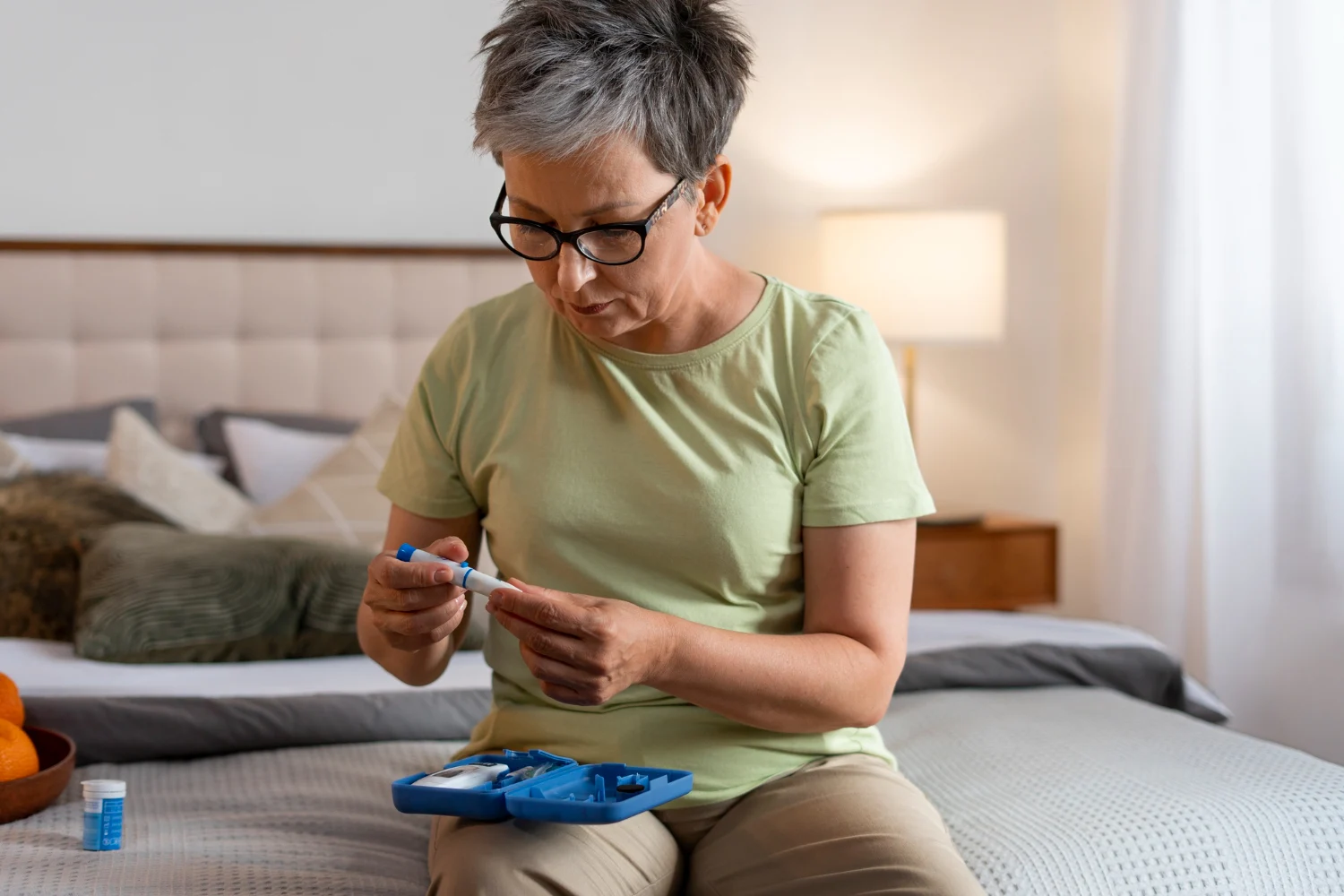
When patients first experience the frightening numbness, burning, and sharp tingling in their feet, a deep panic often sets in. In my clinical practice specializing in endocrinology, the most frequent and urgent question I hear from worried individuals is, “is diabetic neuropathy reversible” through modern medical treatments?
Patients desperately want to know if they can heal their damaged nerves, stop the pain, and regain normal sensation. Living with this condition feels overwhelming, prompting people to search for clear, honest answers about their future.
The medical reality of nerve damage remains complex and depends on the specific progression of the underlying disease. While a total regeneration of dead nerves proves quite difficult, achieving massive symptom improvement and halting further damage are possible with immediate intervention.
We must separate common internet myths from strict evidence-based clinical science to understand your true recovery potential. Chronic high blood sugar destroys small blood vessels over time, starving your nerves of vital oxygen and nutrients. Addressing this root cause stands as the most crucial step toward meaningful relief.
Through structured lifestyle adjustments, better blood glucose management, and advanced medical therapies, many of my patients have reclaimed their daily comfort and quality of life. We will explore the scientific mechanisms, diagnostic tools, and proven treatment options to protect your nervous system starting today.
TL;DR: Quick Overview
- Reversibility status: Early-stage nerve damage may partially reverse, but advanced structural damage is generally considered permanent.
- Primary treatment: Maintaining strict, consistent control over your daily blood sugar levels is the most effective intervention.
- Symptom management: Specialized medications and targeted lifestyle changes can heavily reduce daily pain and prevent further deterioration.
- Prevention strategy: Regular clinical foot exams and a healthy diet are crucial for long-term nervous system protection.
Understanding Diabetic Nerve Damage
Diabetic nerve disease is a severe biological complication directly caused by prolonged, unmanaged blood sugar levels. When glucose remains elevated in your bloodstream for years, it becomes highly toxic to your delicate nerve fibers. This constant chemical exposure slowly degrades the intricate communication network connecting your brain to your extremities.
These specialized nerves are responsible for transmitting vital sensory information, like pain, temperature, and physical touch. When they become structurally damaged, they begin misfiring, sending incorrect pain signals or no signals at all. This condition slowly robs patients of their basic ability to safely feel the ground beneath their feet.
Can You Reverse the Nerve Damage?

The potential for true biological reversal depends entirely on how early the condition is clinically detected. In the very early stages, strictly normalizing your blood sugar can sometimes allow mild nerve injuries to heal. I have seen newly diagnosed patients experience almost complete symptom resolution after rapidly achieving excellent glycemic control.
However, once the protective myelin sheath surrounding the nerve is completely destroyed, full reversal becomes biologically impossible.
At this advanced stage, the medical focus shifts entirely from curing the disease to aggressively managing the severe symptoms. The primary clinical goal becomes halting any further progression and protecting your remaining healthy nerve fibers.
The Mechanism Behind High Glucose and Nerve Injury
Chronically high glucose levels trigger a devastating cascade of microscopic damage throughout your entire vascular system. Elevated sugar directly damages the tiny capillary blood vessels that supply vital oxygen and nutrients to your nerves. Without this crucial blood flow, the nerve fibers literally begin to suffocate and die off slowly.
Furthermore, excessive blood sugar creates massive amounts of oxidative stress and systemic inflammation within your cellular structures. This toxic biological environment prevents the nerves from naturally repairing normal daily wear and tear. Over several years, this relentless chemical assault leads to irreversible structural degradation of the nervous system.
Healing Potential for Diabetic Foot Nerve Pain
Foot-related nerve damage is particularly common because these specific nerve fibers are the longest in the human body. Because they stretch all the way from your spine to your toes, they are highly vulnerable to vascular starvation. Mild cases of foot pain often respond very well to aggressive dietary interventions and daily physical therapy.
Unfortunately, severe foot numbness is notoriously difficult to reverse and requires constant, vigilant daily care. Patients with total loss of protective sensation must visually inspect their feet every single day for hidden wounds. Failing to notice a small pebble in a shoe can easily lead to a massive, life-threatening infection.
Recovery Chances for Peripheral Nerve Damage
Peripheral nerve damage is the most widespread and recognized form of this debilitating vascular complication. It primarily affects the delicate sensory and motor nerves located in your lower legs, feet, and hands. Patients typically describe a “stocking-glove” pattern, where the numbness starts at the toes and slowly creeps upward.
Because peripheral nerves have a very limited capacity for self-repair, early clinical intervention is absolutely critical. We utilize a comprehensive, multidisciplinary approach to target both the underlying metabolic causes and the severe physical pain. Tight glycemic control remains the absolute cornerstone of any successful peripheral nerve treatment protocol.
In my clinic, I recently worked with a patient suffering from agonizing peripheral burning pain at night. By drastically adjusting his insulin regimen and introducing a low-impact walking program, his symptoms decreased significantly. While his nerves are not completely cured, his daily quality of life has improved dramatically.
Diagnostic Methods for Foot Nerve Health
Accurate clinical diagnosis begins with a highly thorough physical examination of your lower extremities in the office. We routinely utilize a simple, painless tool called a monofilament to test your basic tactile sensitivity. This thin plastic wire is gently pressed against specific areas of your foot to see if you can feel the pressure.
We also use specialized tuning forks to assess your ability to detect subtle vibratory sensations in your bones. If your nerve damage is more complex, we may order advanced nerve conduction studies to measure electrical impulses. These precise tests tell us exactly how fast your nerves are transmitting critical signals to your brain.
Recognizing Neuropathy Warning Signs
The earliest warning signs often manifest as a strange, intermittent tingling or a mild “pins and needles” sensation. Many patients initially dismiss these subtle symptoms, incorrectly assuming they just temporarily slept in a bad physical position. As the microscopic damage steadily progresses, this mild tingling frequently transforms into a sharp, constant burning pain.
Eventually, the pain may completely give way to profound, dangerous numbness in the affected limbs. You might feel as though you are constantly walking on thick cotton or wearing heavy socks. This severe loss of physical sensation makes balancing difficult and drastically increases your risk of catastrophic falls.
Top Therapeutic Approaches for Nerve Pain
Treating this complex condition requires a highly customized combination of prescription medications and daily lifestyle adjustments. There is no single magic pill, but rather a structured regimen designed to calm the misfiring nervous system. I always tailor these specific treatments to the patient’s unique metabolic profile and overall pain severity.
Common Treatment Modalities Table
| Category | Examples | Purpose |
| Medications | Gabapentin, Pregabalin | Calms overactive nerve signals and reduces sharp pain. |
| Antidepressants | Duloxetine, Amitriptyline | Alters brain chemicals to change how the body feels pain. |
| Topical Creams | Capsaicin, Lidocaine patches | Provides localized, temporary relief directly to the skin. |
| Supplements | Alpha-lipoic acid | May reduce oxidative stress and improve cellular health. |
| Lifestyle | Daily walking, Swimming | Improves vital blood circulation to the damaged extremities. |
We constantly monitor how patients respond to these specific interventions, adjusting dosages to minimize unwanted side effects. The ultimate goal is to reduce your daily pain levels enough to allow for regular, healthy physical activity.
Effective Interventions for Nerve Regeneration
The absolute most effective intervention for halting nerve damage is keeping your daily blood sugar strictly within target ranges. Consistently utilizing continuous glucose monitors can help you understand exactly how specific foods impact your personal metabolism. Maintaining an A1C level below seven percent is generally recommended to protect your delicate vascular system.
Significant weight loss also plays a massive role in improving your overall nerve health and insulin sensitivity. Shedding excess body fat heavily reduces systemic inflammation and takes unnecessary mechanical pressure off your struggling joints. Adopting a nutrient-dense, whole-food diet provides your body with the biological building blocks required for cellular repair.
The Reality of Curing Diabetic Nerve Disease
Currently, medical science has not discovered a complete, universal cure for advanced structural nerve degradation. It is vital to approach your treatment plan with highly realistic expectations to avoid severe emotional frustration. The focus must remain heavily on aggressive symptom management and preventing any further biological deterioration.
Do not trust unverified internet sources promising a miraculous, overnight cure for your chronic nerve pain. These predatory marketing schemes often sell expensive, useless supplements that provide absolutely zero proven clinical benefits. Always discuss any new alternative therapies directly with your board-certified endocrinologist before spending your money.
Risks and Potential Fatalities of Nerve Damage
While damaged peripheral nerves are not directly fatal, the resulting physical complications can certainly become life-threatening. The profound loss of protective physical sensation means minor foot injuries often go completely unnoticed for several weeks. These tiny cuts can rapidly develop into massive, deep ulcers that are incredibly difficult to heal properly.
If a severe ulcer becomes heavily infected, the dangerous bacteria can quickly spread directly into your bloodstream or bones. In the most tragic, advanced cases, surgical amputation of the infected toe or limb becomes absolutely necessary to save the patient’s life. Furthermore, severe balance issues caused by numb feet frequently lead to fatal falls in older people and patients.
Qualifying for Disability with Severe Neuropathy
If your nerve pain becomes so severe that it prevents normal mobility, it can absolutely be considered a legal disability. Chronic, agonizing pain and profound lower limb numbness make standing or walking for long periods physically impossible. This significantly impacts your ability to safely maintain regular employment in many traditional physical industries.
Patients may legally qualify for government disability benefits if their medical records clearly prove severe, irreversible functional limitations. You must work closely with your medical team to thoroughly document every single symptom and failed treatment attempt. Comprehensive clinical records are absolutely vital when applying for these necessary legal and financial protections.
Analyzing Patient Claims of Reversing Nerve Damage

You will frequently find anecdotal stories on social media forums claiming total, miraculous reversal of severe nerve damage. It is medically crucial to understand that massive symptom improvement is not the exact same thing as structural nerve regeneration. When patients finally achieve strict glucose control, their existing healthy nerves simply function much more efficiently.
This improved biological function heavily reduces their daily pain, making them feel as though they are completely cured. However, the previously dead nerve fibers have not actually grown back or regenerated in any meaningful way. Maintaining those strict, healthy lifestyle habits is absolutely necessary, or the agonizing symptoms will rapidly return.
Canine Diabetic Neuropathy Recovery
Interestingly, metabolic nerve damage also frequently affects our beloved canine companions suffering from uncontrolled veterinary diabetes. Dogs typically present with severe weakness in their hind legs, often walking strangely flat on their back hocks. Just like in human medicine, aggressive insulin therapy and diet control are the primary clinical treatments.
Veterinarians often see significant, rapid physical improvement in dogs once their daily blood glucose levels are properly stabilized. While the underlying damage might remain, many dogs completely regain their ability to walk and run comfortably. This beautifully illustrates the universal biological importance of strict metabolic control across different mammalian species.
Strategies to Prevent Future Nerve Complications
The most powerful medical tool you possess is active, daily prevention before the microscopic damage ever begins. You must commit entirely to a proactive, healthy lifestyle immediately upon receiving a prediabetes or diabetes diagnosis. Check your bare feet every single night using a small hand mirror to spot any hidden cuts or blisters early.
Never walk barefoot, even inside your own home, to strictly avoid accidental punctures or unseen physical injuries. Wear properly fitted, supportive footwear that does not aggressively rub or pinch your toes during daily activities. Schedule a comprehensive clinical foot examination with your podiatrist or endocrinologist at least once every single year.
Knowing When to Seek Medical Attention
You must contact your medical clinic immediately if you notice any sudden, dramatic changes in your daily physical sensation. If a previously painful foot suddenly becomes completely numb, this indicates a severe, rapid progression of the underlying disease. Do not wait for your next scheduled appointment to address these critical, rapidly evolving neurological symptoms.
Seek immediate emergency medical care if you discover any open sores, severe redness, or foul odors coming from your feet. These are massive clinical red flags indicating a highly dangerous, active infection that requires immediate intravenous antibiotics. Early medical intervention is the absolute key to successfully preventing devastating surgical amputations.
Frequently Asked Questions
Can neuropathy symptoms completely disappear forever?
As a physician, patients often ask me if their nerve pain will vanish permanently. Unfortunately, it is highly unlikely for advanced nerve damage to disappear completely.
While early-stage tingling frequently resolves with excellent blood sugar control, severe structural damage usually causes permanent physical deficits. You can manage it, but complete reversal is rare.
What are the most effective treatments for nerve damage?
The absolute most effective treatment method relies on strictly normalizing your daily blood glucose levels. In my clinical experience, controlling your underlying metabolic environment through diet and medication is paramount.
Furthermore, pain-relieving prescriptions and daily physical therapy act as excellent supportive measures. Therefore, managing your blood sugar remains the ultimate priority.
How long does it take for damaged nerves to heal?
If healing is biologically possible, you should know that nerve fibers regenerate incredibly slowly. Consequently, recovery often takes several months or even years.
You must remain highly patient and completely consistent with your daily treatment regimen. Moreover, sticking to your doctor’s routine is essential to see any meaningful clinical improvements over time.
How does daily walking help with nerve pain?
Walking significantly improves your blood circulation, effectively delivering vital oxygen directly to your struggling nerves. I always advise my patients to engage in light, consistent exercise.
However, you must always wear supportive footwear. Additionally, remember to carefully check your bare feet for hidden injuries immediately after exercising to prevent dangerous infections.
Are nerve supplements effective for reducing neuropathy pain?
Over-the-counter supplements like alpha-lipoic acid can safely reduce oxidative stress and alleviate mild burning pain. However, they simply cannot completely cure severe nerve damage on their own.
Therefore, you should always consult your doctor before starting any new supplements. We can ensure they safely interact with your current prescription medications.
Conclusion
Navigating the challenging daily realities of diabetic nerve damage requires immense patience, continuous education, and unwavering personal dedication. As we have thoroughly explored, completely reversing advanced structural neuropathy remains biologically impossible with our current medical technology.
However, you absolutely must not view this chronic condition as a hopeless, uncontrollable downward spiral toward disability. You possess incredible power over your internal metabolic environment through strict daily glucose management and healthy lifestyle choices.
By actively partnering with your dedicated medical team, you can successfully halt the progression of this destructive vascular disease. Every single healthy meal you consume and every short walk you take actively protects your remaining, highly valuable nerve fibers.
Targeted prescription medications and modern therapies can dramatically reduce your daily pain, allowing you to sleep peacefully again. We prioritize aggressive symptom management so you can continue enjoying your daily life without constant, agonizing physical interruptions.
Mental and emotional resilience is just as critical as the physical treatments we prescribe in the medical clinic. Living with chronic nerve pain can easily lead to severe depression, which negatively impacts your overall healing process. Please heavily utilize local support groups and psychological counseling to help you cope with these profound physical changes.
I want to firmly reassure you that severe complications and amputations are absolutely not an inevitable, predetermined destiny. Through vigilant daily foot care, routine clinical examinations, and optimized insulin therapy, you can successfully outsmart this complex disease.
Stay focused on your daily health metrics, trust in evidence-based medicine, and always prioritize your long-term vascular well-being. Your active, daily commitment to metabolic health is the ultimate key to preserving your independence and protecting your future.
Evidence-Based References:
- National Institute of Diabetes and Digestive and Kidney Diseases (NIDDK) – Diabetic Neuropathy
- American Diabetes Association (ADA) – Neuropathy (Nerve Damage)
- Mayo Clinic – Diabetic Neuropathy Symptoms and Causes
- Centers for Disease Control and Prevention (CDC)—Manage Blood Sugar
- National Institute of Neurological Disorders and Stroke (NINDS) – Peripheral Neuropathy