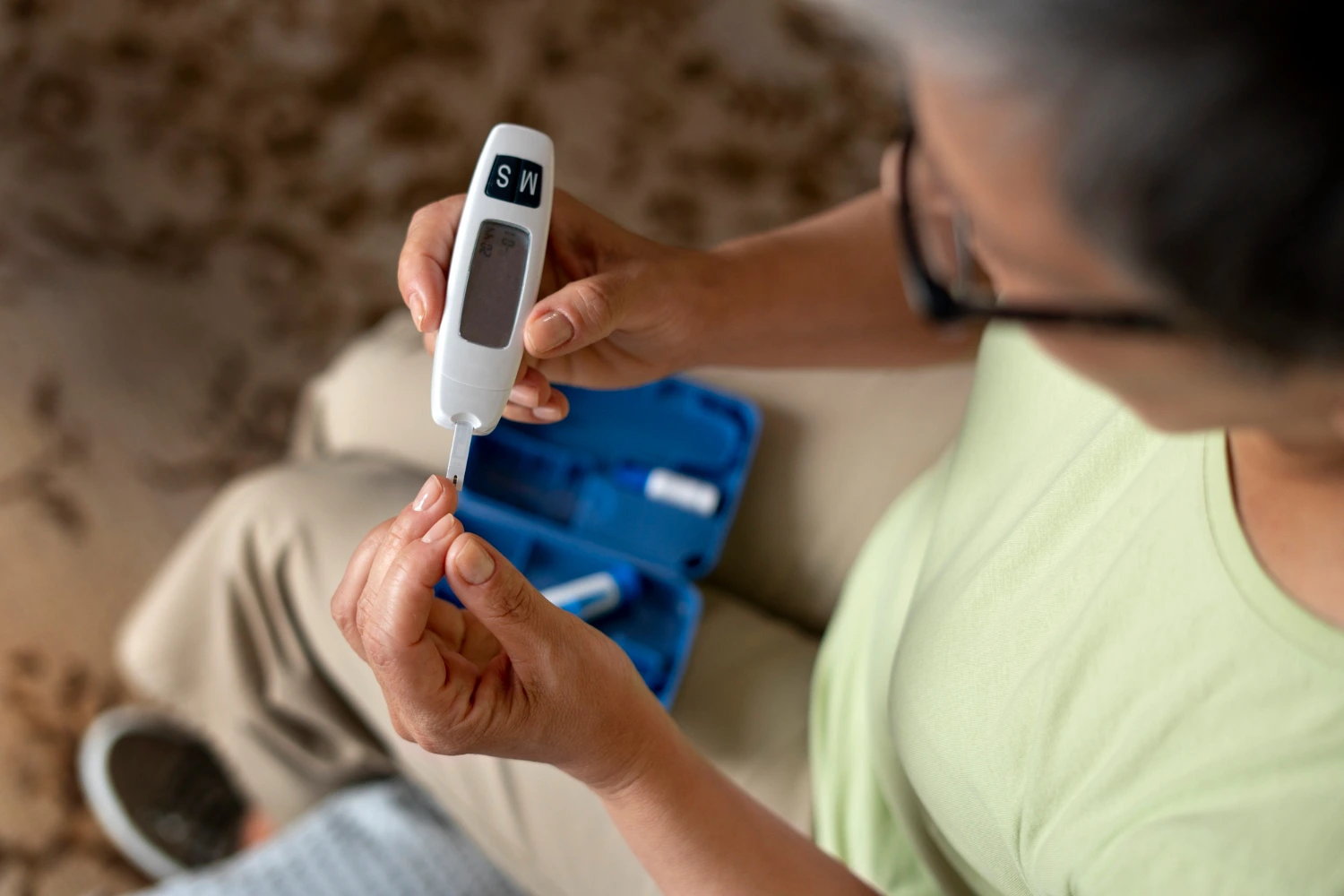
When newly diagnosed patients visit the clinic of Dr. David T. Broome, MD, they are often terrified by the sheer number of pharmaceutical options. During a recent patient consultation, a gentleman named Michael sat overwhelmed with his lab results and directly asked, “What are the top 10 diabetes medications, and which one will actually work for me?”
Navigating diabetes management does not have to be a confusing or frightening experience. Modern medicine has evolved dramatically, moving away from a one-size-fits-all approach to highly personalized treatment plans.
This comprehensive guide, informed by clinical expertise, breaks down the absolute best therapies available today. You will learn how these drugs work, their secondary health benefits, and why your doctor might choose one over another.
TL;DR Summary
- Metformin is still the foundation and first-line diabetes medication.
- GLP-1 and SGLT2 drugs are the most advanced modern options available.
- Insulin remains the most powerful glucose-lowering treatment for severe cases.
- Modern medications now actively support weight loss and kidney protection.
- The best medication always depends on your A1C level, weight, and heart health.
What Are the Top 10 Diabetes Medications?
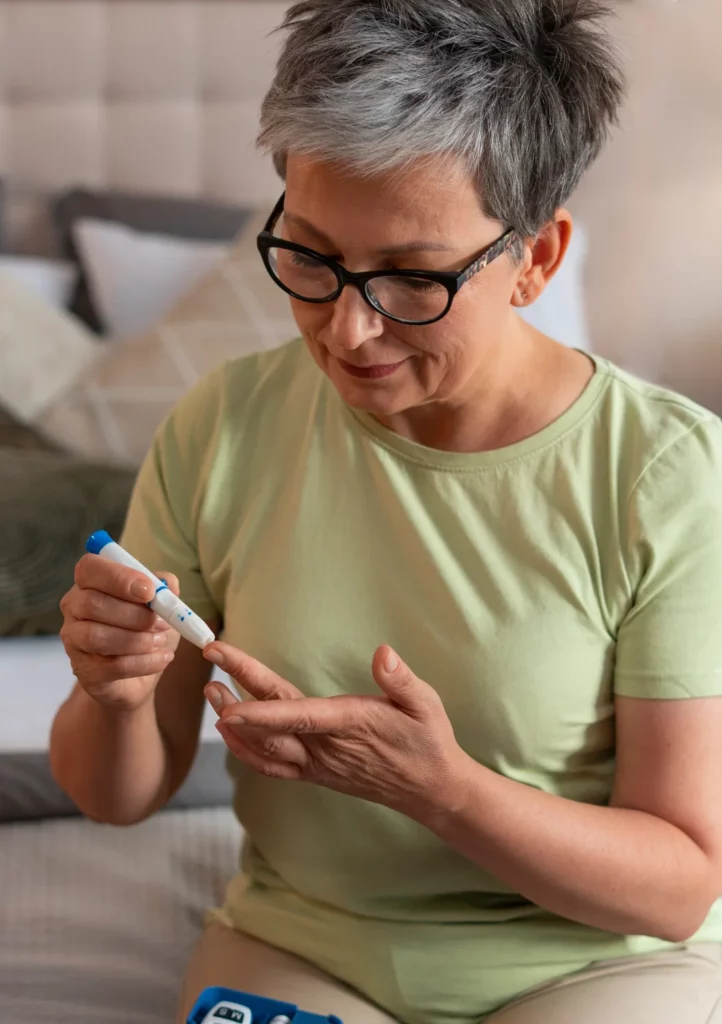
While there are dozens of pills and injections on the market, endocrinologists rely on a core group of proven, highly effective treatments.
The top 10 diabetes medications commonly used for type 2 diabetes include:
- Metformin
- Insulin
- Semaglutide (GLP-1)
- Liraglutide (GLP-1)
- Empagliflozin (SGLT2)
- Dapagliflozin (SGLT2)
- Glipizide (Sulfonylurea)
- Sitagliptin (DPP-4 inhibitor)
- Pioglitazone (TZD)
- Acarbose
Diabetes Medication List A–Z
To make sense of the pharmacy aisle, it helps to group these medications by their scientific drug class. Here is a simplified overview of how they are categorized.
- Biguanides: Metformin
- Sulfonylureas: Glipizide
- GLP-1 Agonists: Semaglutide, Liraglutide
- SGLT2 Inhibitors: Empagliflozin, Dapagliflozin
- Insulin Types: Rapid-acting, long-acting
Best Medicine for Diabetes
Patients like Michael often want to know which pill is simply the “best.” Clinically speaking, there is no single best drug for every human body.
Treatment heavily depends on a patient’s unique metabolic profile. However, based on current clinical consensus:
- Best overall foundation: Metformin
- Best for weight loss: GLP-1 receptor agonists
- Best for kidney protection: SGLT2 inhibitors
- Strongest blood sugar reduction: Insulin
Top 3 Medications for Diabetes
If we must narrow down the absolute most impactful therapies transforming diabetes care in 2025, three specific classes dominate the medical field.
These top three interventions are:
- Metformin
- GLP-1 receptor agonists
- SGLT2 inhibitors
Diabetes Medications List
Because choosing the right medication is the most critical step in diabetes management, we must look at these top 10 drugs in deep detail. Understanding how they work inside your body will help you have a better conversation with your doctor.
1. Metformin (First-Line Drug)
Metformin is the undisputed starting point for almost every Type 2 diabetes treatment plan worldwide. It has decades of proven safety data and is incredibly cost-effective for patients.
This oral medication works primarily by instructing your liver to stop releasing excess, unneeded glucose into your bloodstream. Additionally, it helps your muscle cells become more sensitive to the insulin your body already makes.
Patients typically see an A1C reduction of 1.0% to 1.5%. Because it does not force the pancreas to squeeze out extra insulin, it rarely causes dangerous low blood sugar (hypoglycemia) and does not cause weight gain.
2. Insulin Therapy
Insulin is the oldest and most powerful weapon in the endocrinology arsenal. While it is mandatory for Type 1 diabetics, it is also frequently used in advanced Type 2 diabetes.
When a patient arrives with highly toxic blood sugar levels—often an A1C over 9.5%—doctors use insulin to rapidly bring glucose levels down to a safe range. It works by directly replacing the hormone your body is missing.
Insulin provides the fastest glucose control of any medication on this list. However, it requires careful monitoring, as taking too much can result in severe, dangerous hypoglycemic episodes.
3. Semaglutide Efficacy
Marketed widely under brand names like Ozempic or Wegovy, semaglutide is a once-weekly injectable GLP-1 receptor agonist. It has completely revolutionized modern diabetes care.
It mimics a natural gut hormone that tells your pancreas to release insulin exactly when you consume a meal. Furthermore, it slows digestion, keeping patients full for longer periods.
Semaglutide is famous for its massive weight loss benefits and profound A1C reduction. It is highly recommended for diabetic patients who also struggle with severe obesity.
4. Liraglutide Benefits
Liraglutide is another powerful GLP-1 receptor agonist, similar to semaglutide, but it is typically administered as a daily injection rather than weekly.
Beyond its excellent ability to lower blood sugar and suppress appetite, liraglutide is celebrated for its cardiovascular benefits. Clinical trials have proven it actively protects the heart.
Doctors frequently prescribe this drug to diabetic patients who have a known history of cardiovascular disease, as it significantly lowers the risk of major heart attacks and strokes.
5. Empagliflozin Protection
Empagliflozin belongs to a highly innovative class of oral medications called SGLT2 inhibitors. Instead of targeting the pancreas or liver, it focuses entirely on the kidneys.
It safely blocks the kidneys from reabsorbing sugar back into the bloodstream. As a result, the patient literally urinates the excess, unwanted glucose out of their body.
Empagliflozin is heavily prescribed because it provides incredible kidney protection and actively reduces the risk of hospitalization for severe heart failure in diabetic patients.
6. Dapagliflozin Function
Dapagliflozin is another top-tier SGLT2 inhibitor that shares the exact same glucose-flushing mechanism as empagliflozin.
It is particularly renowned in the medical community for its strong evidence regarding Chronic Kidney Disease (CKD) protection. It slows the progression of kidney decline remarkably well.
Like other drugs in this class, it carries a mild risk of urinary tract or yeast infections due to the increased sugar passing through the urinary tract.
7. Glipizide (Sulfonylurea)
Glipizide belongs to an older, highly affordable class of diabetes medications known as sulfonylureas. Unlike modern drugs that depend on your meals, glipizide works by continuously forcing your pancreas to release more insulin throughout the day.
While it is very effective at lowering blood sugar rapidly, it comes with a strict warning. Because it increases insulin regardless of what you eat, patients taking glipizide have a much higher risk of experiencing dangerous drops in blood sugar (hypoglycemia).
8. Sitagliptin (DPP-4 Inhibitor)
Sitagliptin is a very popular, well-tolerated oral daily pill that falls under the DPP-4 inhibitor class. It works by preventing the rapid breakdown of natural incretin hormones in your body.
By keeping these helpful hormones active longer, sitagliptin gently encourages your pancreas to produce a bit more insulin after meals. It provides a mild but reliable A1C reduction.
It is highly favored by doctors for older patients because it rarely causes low blood sugar and is entirely weight-neutral.
9. Pioglitazone (Thiazolidinedione)
Pioglitazone, often referred to as a TZD, addresses one of the root causes of Type 2 diabetes: severe insulin resistance. It works directly inside your muscle and fat cells, making them highly sensitive to your body’s natural insulin.
This mechanism allows sugar to finally leave your bloodstream and enter your cells where it belongs. However, its use has declined slightly in recent years.
Pioglitazone carries known risks of causing fluid retention and weight gain. Doctors must carefully screen patients to ensure they do not have an underlying risk of heart failure before prescribing it.
10. Acarbose (Alpha-Glucosidase Inhibitor)
Acarbose takes a completely different approach to managing daily blood sugar. Instead of acting on your organs, it works directly inside your digestive tract to slow the breakdown of complex carbohydrates.
By delaying how fast carbs turn into sugar, acarbose effectively prevents massive glucose spikes immediately after eating. It is primarily used for mild diabetes cases.
The main drawback of acarbose is its side effect profile. Because undigested carbohydrates ferment in the gut, patients frequently experience uncomfortable gas, bloating, and diarrhea.
What Drugs Help Lower A1C the Most?
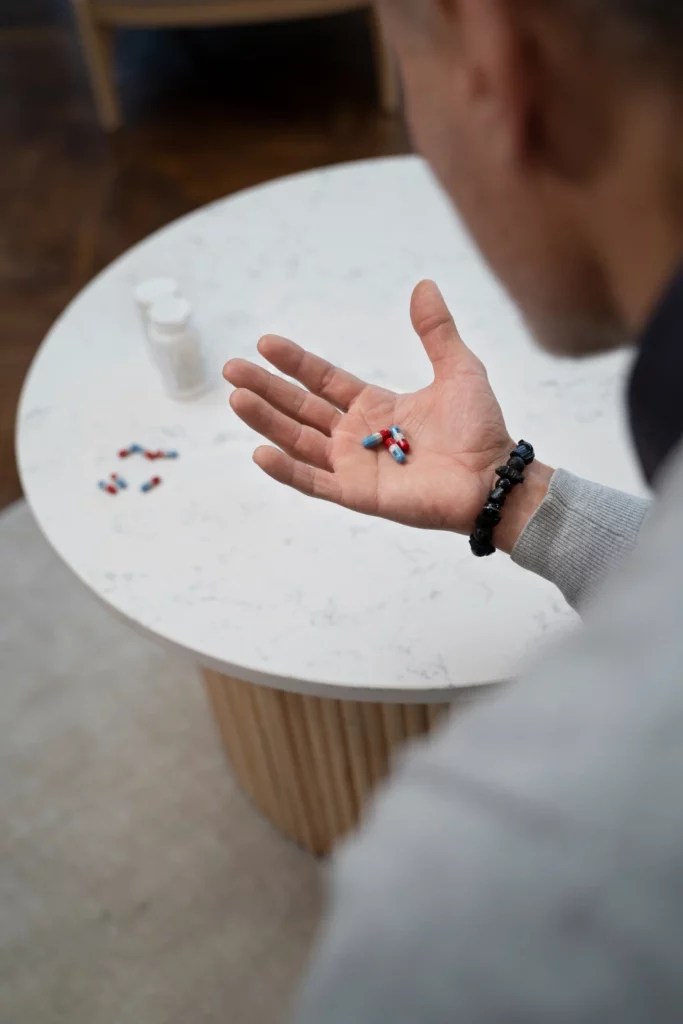
When my patients are facing dangerously high glucose levels, we prioritize raw power. If you need massive numbers to drop quickly, endocrinologists follow a clear ranking of clinical efficacy.
Ranking from highest effect to lowest:
- Insulin Therapy: The highest possible effect, capable of unlimited reduction.
- GLP-1 Agonists: Provide profound, double-digit glucose reduction.
- Combination Oral Therapy: Mixing Metformin with an SGLT2 inhibitor.
- Metformin Alone: Provides a solid foundation but has limits.
What Are the Top 10 Diabetes Medications for Weight Loss?
Weight management and diabetes are fundamentally intertwined. In my clinic, I frequently prescribe dual-purpose medications that treat blood sugar while actively promoting fat loss.
The most weight-friendly diabetic drugs include semaglutide and liraglutide, which aggressively suppress appetite. SGLT2 inhibitors also promote mild weight loss by flushing calories out through urine. Finally, metformin is considered highly weight-neutral and occasionally helps patients shed a few pounds.
What Drugs Protect the Kidneys in Diabetes?
Diabetes is the leading cause of chronic kidney disease (CKD) globally. Therefore, protecting your renal function is just as important as lowering your A1C.
The most critical class of drugs for this is SGLT2 inhibitors. Additionally, doctors routinely prescribe blood pressure medications like ACE inhibitors and ARBs. Even if your blood pressure is normal, these drugs reduce physical pressure inside the delicate filtering units of your kidneys.
Diabetes Medication for Kidney Disease
If a patient already shows signs of early kidney damage—such as protein in their urine—we pivot our strategy immediately.
Empagliflozin and dapagliflozin are the absolute gold standards for actively halting the progression of diabetic kidney disease. Metformin is still utilized, but it must be prescribed with extreme caution and at lower doses if a patient’s kidney function drops below a certain threshold.
Diabetes Oral Medication List
Not everyone is comfortable with weekly injections or daily needles. Fortunately, there is a robust list of highly effective daily pills.
The standard diabetes oral medication list includes:
- Metformin (Biguanide)
- Glipizide (Sulfonylurea)
- Sitagliptin (DPP-4 inhibitor)
- Pioglitazone (TZD)
- Acarbose (Alpha-glucosidase inhibitor)
What Is the Best Medicine to Lower A1C?
Patients constantly search for the single “best” solution. The reality depends entirely on your immediate clinical needs and long-term health goals.
If you need the fastest reduction to avoid hospitalization, insulin is best. If you need sustainable, long-term control with massive weight loss, GLP-1 agonists are best. If you need cardioprotective effects, SGLT2 inhibitors win.
What Drug Is Replacing Metformin?
There is a widespread rumor online that metformin is obsolete. Let me be perfectly clear from a medical standpoint: No drug is officially replacing Metformin. It remains the undisputed first-line therapy endorsed by the American Diabetes Association (ADA). However, modern injectables like GLP-1s and oral SGLT2s are increasingly being used as aggressive, preferred “add-on” therapies alongside metformin.
Most Common Diabetes Medications
If you peek into the medicine cabinets of American diabetics, you will see a recurring pattern of foundational therapies.
The most universally prescribed drugs are Metformin, Insulin, older Sulfonylureas (due to their extremely low cost), and increasingly, modern GLP-1 drugs like Ozempic.
Diabetes Type 2 Medications List
To summarize the modern arsenal specifically for Type 2 diabetes, treatments are generally layered for maximum effect.
A typical progression list looks like this:
- Metformin (Step 1)
- GLP-1 agonists or SGLT2 inhibitors (Step 2 – added for heart/weight benefits)
- Basal Insulin (Step 3 – added if pills fail)
Best Medicine for Type 2 Diabetes Without Side Effects
I always level with my patients: No prescription drug is completely free of side effects. However, some have far milder profiles than others.
Metformin is generally very well tolerated once the stomach adjusts to it after the first few weeks. SGLT2 inhibitors also boast mild side effect profiles, provided the patient stays properly hydrated and practices good hygiene.
Medication for High Glucose Levels
When blood sugar spikes dangerously high—often over 400 mg/dL—pills are too slow. This is a medical emergency requiring immediate, aggressive intervention.
In these acute scenarios, doctors use direct insulin therapy. In severe hospital cases, we administer IV insulin directly into the bloodstream to rapidly halt organ damage and stabilize the patient’s metabolic state.
Can Diabetics Eat Ritz Crackers?
This is a highly common dietary question in my office. Yes, you can eat them, but strictly in moderation.
Ritz crackers are primarily made of refined carbohydrates, which rapidly convert to sugar and cause massive blood glucose spikes. If you choose to eat them, pair them with a healthy fat or protein, like cheese or peanut butter, to drastically slow down the sugar absorption.
Diabetes Emergency
Every diabetic patient must understand the critical warning signs of a severe metabolic crisis.
Severe hypoglycemia (sugar dropping below 54 mg/dL) can lead to immediate fainting or seizures. Diabetic ketoacidosis (DKA) and hyperglycemic crises occur when blood sugar sits dangerously high for too long, turning the blood highly acidic. Both conditions require an immediate call to 911.
Diabetic Neuropathy Medications
Prolonged high blood sugar actively destroys the nerve endings in your feet and hands, causing sharp, burning pain known as neuropathy.
To manage this agonizing nerve pain, we do not use traditional painkillers. Instead, we prescribe specialized nerve medications such as gabapentin, duloxetine, and pregabalin.
Can Medications or Infections Cause Diabetic Coma?
Yes. A diabetic coma is a terrifying reality triggered by extreme fluctuations in blood sugar.
A severe bacterial or viral infection floods the body with stress hormones, causing blood sugar to violently spike, which can induce a coma. Conversely, accidentally injecting too much insulin medication can drop sugar so low that the brain simply shuts down.
Can Diabetes Be Reversed?
This requires careful medical terminology. Type 1 diabetes is an autoimmune disease and cannot currently be reversed.
However, Type 2 diabetes can absolutely be put into “remission.” Through aggressive weight loss, strict diets, and early medication intervention, many patients restore their insulin sensitivity and maintain normal A1C levels entirely without daily drugs.
Medication Side Effects Overview
You should always know what to expect when starting a new prescription. Here is a rapid overview:
- Metformin: Early gastrointestinal upset and diarrhea.
- Insulin: High risk of hypoglycemia and mild weight gain.
- GLP-1 Agonists: Nausea, vomiting, and delayed gastric emptying.
- SGLT2 Inhibitors: Increased risk of urinary tract and yeast infections.
What Are Antidiabetic Medications?
Antidiabetic medications are a broad category of pharmaceutical drugs specifically designed to strictly control and lower blood sugar levels in the human body.
They encompass daily oral agents (pills), modern weekly injectables, and traditional synthetic insulin therapies.
When to See a Doctor
Do not attempt to tough out severe symptoms at home. You must schedule an urgent medical visit if your fasting glucose remains persistently high despite taking your medications.
You should also contact your doctor immediately if you experience intolerable medication side effects or if you begin suffering from frequent, terrifying bouts of hypoglycemia.
Frequently Asked Questions
What are the top 10 diabetes medications?
The most common include metformin, insulin, semaglutide, liraglutide, empagliflozin, dapagliflozin, glipizide, sitagliptin, pioglitazone, and acarbose.
What is the best diabetes medicine?
There is no single best medicine; it depends entirely on your A1C, weight, heart health, and kidney function. Metformin is the most common starting point.
What lowers A1C fastest?
Direct insulin therapy lowers A1C the absolute fastest, followed closely by high-efficacy GLP-1 receptor agonists.
Conclusion
When my patient Michael first asked me, “What are the top 10 diabetes medications?” he was looking for a silver bullet. By the end of our consultation, he understood that modern diabetes management is much more sophisticated than just picking a pill from a list. It is about building a customized metabolic shield.
While metformin remains the absolute foundational cornerstone of treatment, the landscape has fundamentally shifted. We are no longer just treating numbers on a glucose monitor.
With the incredible rise of GLP-1 receptor agonists and SGLT2 inhibitors, we can now actively help you shed profound amounts of weight, shield your kidneys from long-term damage, and armor your heart against devastating cardiovascular events. And for those in an acute crisis, insulin stands ready as the ultimate rescue therapy.
Remember, having Type 2 diabetes is not a personal failure; it is a physiological condition that responds beautifully to the right medical strategy. Do not let fear or confusion delay your treatment.
Work closely with your endocrinologist or primary care physician to find the exact combination of medications that suits your body, commit fully to a healthier lifestyle, and take proactive control of your metabolic future today.