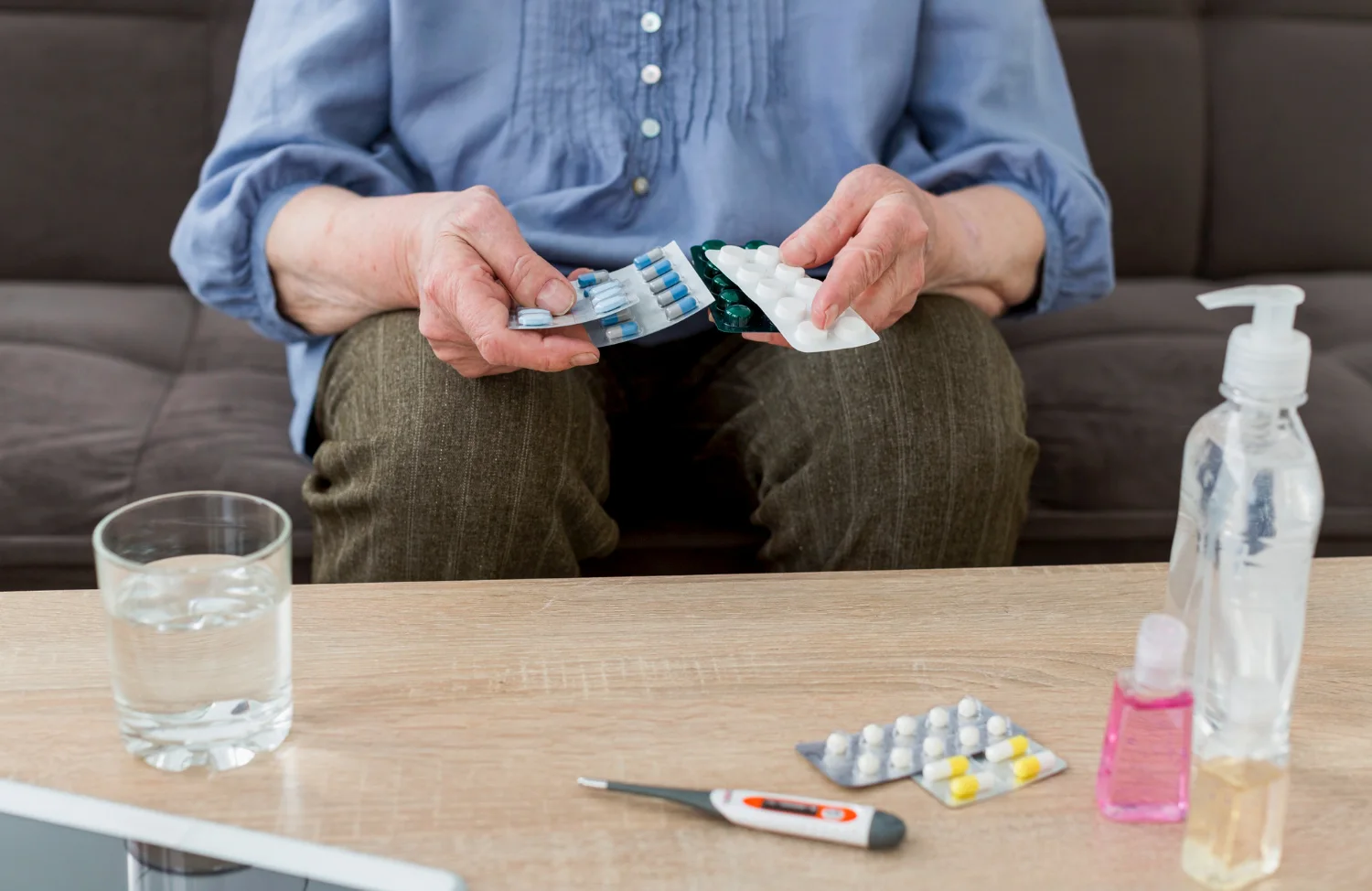
Hi, I am David T. Broome, MD. Over my years in practice, I have guided countless patients through the confusion of a new diagnosis. Just last week, I interviewed a patient named Robert. He stared at a pile of pharmacy bottles, feeling completely overwhelmed.
He asked me how to make sense of all these new pills. Honestly, figuring out type 2 diabetes oral medications can feel like learning a completely different language. You are not alone in this daily frustration. Consequently, I want to simplify this medical process for you today.
Understanding your personal treatment is the most important step in taking back your health. Therefore, we will break down exactly how these pills work and why doctors choose them. Let’s find clarity together.
TL;DR: The Essentials of Treatment
Oral medications for type 2 diabetes help lower your blood sugar effectively. They improve insulin sensitivity or reduce glucose absorption. First-line treatment is usually metformin.
Other major drug classes include SGLT2 inhibitors, DPP-4 inhibitors, and sulfonylureas. Ultimately, the best medication depends entirely on your personal health, heart risks, and goals.
What Are Oral Medications for Type 2 Diabetes?
Patients frequently ask me what oral medications treat type 2 diabetes. Simply put, these are prescription pills designed to lower your blood glucose. They are not insulin. Instead, they help your body use its own insulin much better.
Doctors prescribe these drugs when diet and exercise alone cannot control your blood sugar. Specifically, they work inside your digestive system, liver, or kidneys to fix metabolic traffic jams.
Furthermore, you might wonder what oral medications for type 2 diabetes mellitus are used for early on? We use them to prevent long-term organ damage. Catching high blood sugar early keeps your eyes, kidneys, and heart safe.
Type 2 Diabetes Oral Medications List (A–Z)
Creating a clear diabetes oral medication list helps patients understand their pharmacy refills. You will often see both brand names and generic names. I always encourage patients to learn the generic names.
Here is a helpful, quick-reference table. It covers the most common oral diabetes medications you might encounter.
| Weight-neutral, safe profile | Drug Class | Key Benefit |
| Dapagliflozin | SGLT2 Inhibitor | Protects heart and kidneys |
| Empagliflozin | SGLT2 Inhibitor | Removes glucose via urine |
| Glipizide | Sulfonylurea | Increases quick insulin release |
| Metformin | Biguanide | First-line, improves insulin sensitivity |
| Pioglitazone | TZD | Sensitizes muscle to insulin |
| Sitagliptin | DPP-4 Inhibitor | Weight neutral, safe profile |
Consequently, this list of diabetes type 2 medications gives you a great starting point. However, understanding the categories matters even more.
Different Classes of Oral Diabetes Medications
To truly master your pharmacological treatment for diabetes mellitus, you must understand the drug families. Let us dive deep into the different diabetic medication classes. Knowing how your specific pill works empowers you daily.
Biguanides (Metformin)
Metformin is the absolute foundation of drug therapy for diabetes mellitus. When you ask for a pill for type 2 diabetes, this is usually our first choice. It primarily works inside your liver.
Specifically, your liver naturally produces sugar overnight. Metformin tells your liver to stop making so much excess sugar. Furthermore, it makes your muscle cells much more sensitive to insulin.
This means your body absorbs sugar easily after meals. It is highly effective, very affordable, and boasts a decades-long safety record. Most importantly, it rarely causes dangerous low blood sugar on its own.
SGLT2 Inhibitors
This drug class represents a massive breakthrough in modern medicine. These pills fundamentally change how your kidneys handle sugar. Normally, your kidneys filter sugar and push it back into your blood.
However, SGLT2 inhibitors block this return process. Consequently, your body flushes the excess sugar right out through your urine. This unique mechanism lowers your blood sugar very rapidly.
Additionally, these drugs offer incredible cardiovascular benefits. They actively protect your heart and kidneys from long-term damage. In fact, many cardiologists now prescribe them just for heart health.
DPP-4 Inhibitors
Your gut produces special incretin hormones when you eat. These hormones tell your pancreas to release insulin. However, an enzyme called DPP-4 destroys these helpful hormones very quickly.
Therefore, DPP-4 inhibitors block this destructive enzyme. This allows your natural hormones to survive longer and work harder. Sitagliptin is a very common example of this class.
These drugs are incredibly safe and completely weight-neutral. They do not cause weight gain, making them very popular. They are gentle on the system but provide excellent baseline control.
Sulfonylureas
This is one of the oldest drug classes still in heavy use today. Sulfonylureas, like glipizide, act like chemical switches. They directly force your pancreas to squeeze out more insulin immediately.
They work very fast and cost very little. Consequently, they remain a staple in global diabetes management. However, this aggressive action comes with a specific risk.
Because they force insulin release regardless of what you eat, they can cause hypoglycemia. If you skip a meal, your blood sugar can drop dangerously low. You must time these pills perfectly with your food.
Thiazolidinediones (TZDs)
TZDs, like pioglitazone, target your stubborn fat and muscle cells. They act as powerful insulin sensitizers. This means they force highly resistant cells to finally open their doors to sugar.
They are incredibly effective at lowering long-term A1C levels. Furthermore, they help preserve the life of your pancreatic beta cells. This keeps your pancreas functioning much longer.
However, we prescribe them cautiously today. They can cause fluid retention and weight gain. Therefore, we strictly avoid them in patients with a history of heart failure.
What Is the Best Oral Medicine for Type 2 Diabetes?
Patients constantly ask me: “What is the best oral medicine for type 2 diabetes?” Honestly, there is no single magical answer. The “best” pill changes based on your unique body.
We do not just look at your blood sugar numbers. We heavily consider your weight, your heart health, and your kidney function. For example, the best medicine for type 2 diabetes in someone with heart disease is an SGLT2 inhibitor.
Conversely, if affordability is your main concern, a sulfonylurea might be your best option. I always tailor the prescription directly to your personal lifestyle and risks.
First-Line Oral Diabetes Medication
When you are newly diagnosed, you might wonder about the starting point. The absolute first line oral diabetes medication globally recognized is Metformin. The American Diabetes Association (ADA) recommends it for nearly every new patient.
Why is it universally trusted? First, it is incredibly effective at lowering your baseline blood sugar. Second, it has a massive, multi-decade safety record.
Furthermore, it is highly cost-effective, which removes financial stress for patients. It tackles insulin resistance directly without causing sudden blood sugar drops. For the vast majority, it is the safest and strongest foundation for treatment.
Best Type 2 Diabetes Oral Medications (By Goal)
Because everybody is different, we prescribe based on specific goals. We match the drug class to your unique physical needs. Here is a clear breakdown of how we personalize your care.
| Treatment Goal | Best Medication Option |
| Promote Weight Loss | SGLT2 Inhibitors |
| Avoid Hypoglycemia | DPP-4 Inhibitors |
| Cost-Effective Care | Sulfonylureas |
| Heart & Kidney Protection | SGLT2 Inhibitors |
Using this personalized approach ensures you get the safest results. We never use a one-size-fits-all method in modern endocrinology.
New Type 2 Diabetes Oral Medications
Medical science is moving incredibly fast. Therefore, new type 2 diabetes oral medications are constantly hitting the market. Patients are always eager to ask about a new pill for type 2 diabetes.
Recently, innovation has focused heavily on the SGLT2 inhibitor class. We are also seeing emerging dual-mechanism drugs. These new pills attempt to fix multiple metabolic problems with a single dose.
These innovations aim to protect your organs while lowering sugar. They represent a massive shift from just treating numbers to treating the whole patient.
Tablets for Type 2 Diabetes vs Injectable Options
Many patients fear needles, preferring tablets for type 2 diabetes. How do oral pills compare to injectables like GLP-1 agonists or insulin? It comes down to convenience versus potency.
Oral tablets are incredibly convenient and easy to manage daily. However, when the pancreas becomes severely exhausted, pills may not be enough.
Injectable GLP-1s offer massive weight loss benefits that pills cannot match yet. Additionally, insulin remains the most potent tool for instantly lowering dangerous blood sugar. We balance your preference with what your body clinically requires.
Diabetic Medications Used with Metformin
Often, a single pill loses its power over time. When this happens, we look at diabetic medications used with metformin. This is known as combination therapy.
Combining drugs tackles the disease from two different biological angles. For example, a very common pairing is Metformin with an SGLT2 inhibitor. Metformin stops the liver from making sugar, while the SGLT2 forces the kidneys to flush it out.
Another popular combination is Metformin with a DPP-4 inhibitor. This pairing is very gentle on the stomach and rarely causes low blood sugar. Together, they create a highly effective defense.
Pharmacological Treatment for Diabetes Mellitus
Understanding the overall pharmacological treatment for diabetes mellitus requires looking at the “stepwise” approach. We do not rush you onto a massive pill regimen on day one.
Step one always involves intensive lifestyle and diet changes. Step two introduces Metformin to assist those lifestyle efforts.
If your A1C remains high after three months, we move to step three. This is when we add a second oral agent. Finally, step four introduces insulin therapy if your pancreas requires profound rest.
What Are the Top 10 Medications for Type 2 Diabetes?
Patients frequently ask me to rank the best options. If you want to know what the top 10 medications for type 2 diabetes are, here is the clinical consensus.
- Metformin: The undisputed first-line anchor for nearly everyone.
- Empagliflozin (Jardiance): Excellent for heart failure protection.
- Sitagliptin (Januvia): Weight-neutral and incredibly well-tolerated.
- Glipizide: Fast-acting, affordable, and forces rapid insulin release.
- Pioglitazone (Actos): A powerful tool for deep insulin resistance.
- Dapagliflozin (Farxiga): Outstanding for kidney protection.
- Saxagliptin (Onglyza): Another gentle, effective DPP-4 option.
- Glyburide: An older sulfonylurea, used when cost is the primary barrier.
- Canagliflozin (Invokana): An SGLT2 inhibitor that drives excess sugar into the urine.
- Linagliptin (Tradjenta): Unique because it is safe for severe kidney disease.
These top 10 diabetes medications represent the core toolkit of modern physicians.
Best Medicine for Type 2 Diabetes Without Side Effects
Let me be entirely candid with you. If you are searching for the best medicine for type 2 diabetes without side effects, you will not find a perfect answer. No medication is completely free of risk.
However, some options are exceptionally well-tolerated. Metformin is generally very safe once your stomach adapts to it.
Furthermore, DPP-4 inhibitors (like Sitagliptin) have an incredibly low side-effect profile. They do not cause weight gain or sudden sugar drops. We always aim for the maximum benefit with the least daily disruption to your life.
Dexcom Stelo & Oral Medications
A major emerging topic is the overlap of new technology and oral treatments. Specifically, the use of Dexcom Stelo for type 2 diabetes oral medications is changing how we practice medicine.
The Dexcom Stelo is a continuous glucose monitor (CGM) designed specifically for type 2 patients not on insulin. By wearing this small sensor, you can see exactly how your oral pills are working in real time.
It takes the guesswork out of your daily routine. If your morning pill is not working, the CGM will show us immediately. This technology perfectly complements your oral medication strategy.
Drug Therapy for Diabetes Mellitus
Ultimately, successful drug therapy for diabetes mellitus relies on a personalized approach. We must look at your entire medical chart, not just your blood work.
If you have a history of heart attacks, your medication must protect your heart. If you are struggling with obesity, your pills should not promote weight gain.
We base every decision on your comorbidities. This ensures that the drug treating your blood sugar does not accidentally harm another part of your body.
When Are Oral Medications Not Enough?
It is a difficult reality, but diabetes is a progressive disease. There may come a time when oral medications simply are not enough.
Over the years, your pancreas naturally produces less and less insulin. This is known as advanced beta-cell burnout.
When your natural insulin stores are depleted, no pill can force the pancreas to work. At this stage, transitioning to injectable insulin is not a failure; it is a necessary, life-saving step.
Frequently Asked Questions
What are the oral medications for type 2 diabetes mellitus?
They are prescription pills that lower blood sugar by improving insulin sensitivity, stopping the liver from making sugar, or forcing the kidneys to flush sugar out. Common classes include biguanides, SGLT2 inhibitors, and DPP-4 inhibitors.
What is the best pill for type 2 diabetes?
Metformin is globally recognized as the best first-line pill. However, the “best” secondary pill depends entirely on your personal weight, heart health, and kidney function.
What are 5 drugs used in the treatment of diabetes mellitus?
Five of the most commonly prescribed oral drugs are Metformin, Glipizide, Sitagliptin, Empagliflozin, and Pioglitazone.
Are oral diabetes medications safe long-term?
Yes, they are generally very safe for long-term use. However, they require regular blood tests to ensure your kidneys and liver are processing the medications safely over the years.
Can oral medications cause weight loss?
Some do. SGLT2 inhibitors (like Jardiance) can lead to modest weight loss by flushing sugar out via urine. However, others, like sulfonylureas, may actually cause slight weight gain.
Conclusion
Taking control of your health begins with understanding your pharmacy bottle. Type 2 diabetes oral medications are powerful tools that can completely alter the course of your life. Whether you are starting Metformin or adding an SGLT2 inhibitor, you now know exactly how these drugs work.
Remember, these pills are just one piece of the puzzle. They work best when paired with daily movement and a balanced diet. Furthermore, never hesitate to ask your doctor why a specific drug was chosen for you.
An informed patient is always the healthiest patient. Keep testing your numbers, keep asking questions, and stay proactive on your path to wellness.
Medical References:
- American Diabetes Association (ADA): Standards of Care in Diabetes—2026 Pharmacologic Approaches
- National Institutes of Health (NIH) StatPearls: Oral Hypoglycemic Agents: A Comprehensive Clinical Review
- The Lancet (Clinical Study): Glycemic Durability of Early Combination Therapy with Metformin (VERIFY Trial)
- Centers for Disease Control and Prevention (CDC): Use of New Diabetes Medicines