

If you’re researching Farxiga diabetes treatment options, you’re likely seeking clarity on how this medication fits into your care plan. As a board-certified physician who has prescribed SGLT2 inhibitors to countless patients, I understand the balance of hope and caution that comes with evaluating a new therapy.
Farxiga (dapagliflozin) offers a unique approach: instead of targeting insulin directly, it helps your kidneys remove excess glucose through urine. This mechanism not only lowers blood sugar but may also support heart and kidney health—benefits that extend beyond traditional diabetes management.
However, no medication is without considerations. From potential side effects like urinary infections to cost concerns and important drug interactions, making an informed decision requires reliable, evidence-based guidance.
In this article, we’ll break down exactly how Farxiga works, who benefits most, what the clinical evidence says, and how to navigate practical matters like dosage, savings programs, and comparisons to alternatives like Jardiance or metformin.
My goal is to equip you with the knowledge to have a productive, confident conversation with your healthcare provider.
Let’s start with the fundamentals.
Key Takeaways
- Farxiga effectively lowers blood sugar via insulin-independent urinary glucose excretion.
- Additional benefits include heart failure risk reduction and kidney protection.
- Side effects like genital infections are common but manageable with proactive care.
- Cost can be high without insurance; explore manufacturer savings programs.
- Always use under medical supervision with regular monitoring.
What Is Farxiga?
Farxiga (generic: dapagliflozin) is an FDA-approved oral medication primarily used to treat type 2 diabetes by lowering elevated blood sugar levels. It belongs to a class of drugs called SGLT2 inhibitors, which work uniquely through the kidneys rather than directly affecting insulin production or sensitivity.
What Is Farxiga Used For Besides Diabetes?
Beyond glycemic control, Farxiga holds three additional FDA approvals that expand its clinical utility:
- Heart Failure: Reduces risk of hospitalization and cardiovascular death in adults with heart failure with reduced ejection fraction.
- Chronic Kidney Disease: Slows progression of kidney function decline in adults with CKD, with or without diabetes.
- Cardiovascular Risk Reduction: Lowers risk of major adverse cardiac events in adults with type 2 diabetes and established cardiovascular disease.
These multi-organ benefits make Farxiga a compelling option for patients with overlapping conditions, a point I frequently discuss during medication counseling sessions.
How Does Farxiga Work for Diabetes?
Farxiga’s mechanism targets the kidneys’ SGLT2 (sodium-glucose cotransporter-2) protein. Normally, this transporter reabsorbs filtered glucose back into the bloodstream. Farxiga blocks SGLT2, causing excess glucose to be excreted in urine instead. This insulin-independent pathway:
- Lowers fasting and postprandial blood glucose
- Reduces overall HbA1c levels
- Promotes mild caloric loss (~200-300 kcal/day)
Because it doesn’t stimulate insulin secretion, Farxiga carries a low risk of hypoglycemia when used alone—a significant advantage I highlight for patients concerned about low blood sugar episodes.
Farxiga Benefits
Clinical evidence supports several meaningful benefits for appropriate candidates:
- HbA1c Reduction: Lowers glycated hemoglobin by approximately 0.5–1.0% as monotherapy or add-on treatment (ADA, 2026).
- Weight Management: Promotes modest, sustained weight loss of 2–5 lbs on average through glucosuria-induced caloric excretion.
- Cardiovascular Protection: The DECLARE-TIMI 58 trial demonstrated a 17% reduction in hospitalization for heart failure among users with type 2 diabetes.
- Kidney Protection: Slows estimated glomerular filtration rate (eGFR) decline and reduces albuminuria progression in chronic kidney disease.
These benefits are graded as “strong evidence” per American Diabetes Association standards when used in indicated populations.
Farxiga Dosage
Dosing follows a straightforward titration schedule:
- Starting dose: 5 mg once daily, taken in the morning with or without food.
- Maintenance dose: May increase to 10 mg once daily based on glycemic response and tolerability.
- Renal adjustment: Not recommended if eGFR is persistently below 30 mL/min/1.73m².
I always emphasize taking Farxiga consistently at the same time daily to maintain steady drug levels and maximize adherence.
How Effective Is Farxiga for Diabetes?
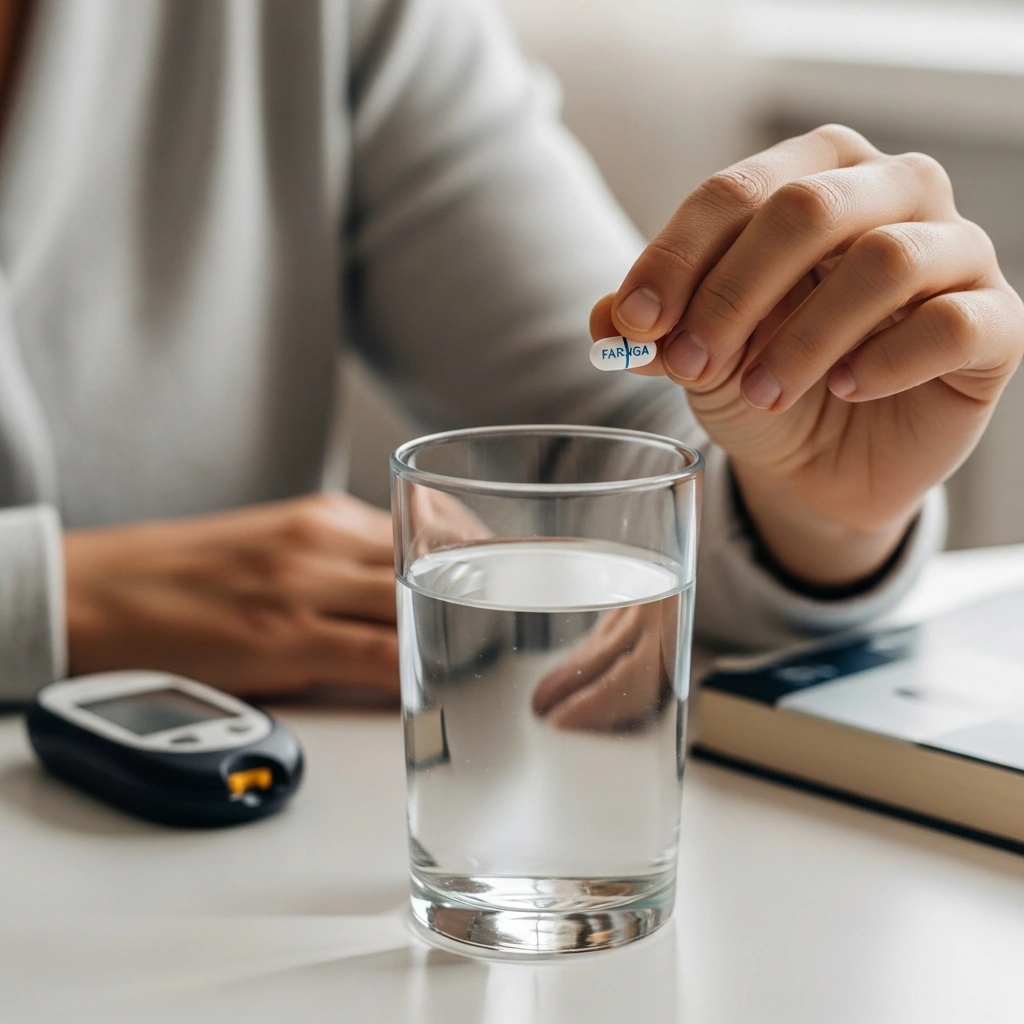
Real-world and trial data confirm Farxiga’s efficacy:
- HbA1c Impact: Average reduction of 0.7–0.9% when added to background therapy like metformin.
- Durability: Benefits persist over 2+ years in long-term extension studies.
- Combination Therapy: Works synergistically with metformin, DPP-4 inhibitors, or basal insulin without increasing hypoglycemia risk.
A patient I recently followed achieved an HbA1c drop from 8.4% to 6.9% within three months of adding Farxiga 10 mg to her existing metformin regimen—without weight gain or hypoglycemia.
Farxiga vs Other Diabetes Medications Jardiance vs Farxiga
Both are SGLT2 inhibitors with similar mechanisms and benefits. Key distinctions:
- Cardiovascular Data: Jardiance (empagliflozin) has stronger mortality benefit data from the EMPA-REG OUTCOME trial.
- Dosing: Jardiance offers 10 mg and 25 mg doses; Farxiga uses 5 mg and 10 mg.
- Cost: Often comparable; insurance formulary placement typically drives patient out-of-pocket expense.
Farxiga vs Metformin
Metformin remains first-line therapy per ADA guidelines due to extensive safety data and low cost. Farxiga is typically:
- An add-on when metformin alone doesn’t achieve targets
- An alternative for patients intolerant to metformin
- Preferred when heart/kidney benefits are prioritized
Jardiance vs Generic Farxiga
As of 2026, no true generic version of Farxiga is widely available in the US. Authorized generics or future biosimilars may affect pricing. Always verify with your pharmacist whether a dispensed product is brand or generic.
Farxiga Side Effects
Most side effects are mild and manageable with proper counseling:
- Genital Mycotic Infections: Increased risk due to glucosuria; more common in women and uncircumcised men.
- Urinary Tract Infections: Slightly elevated incidence; maintain hydration and prompt symptom reporting.
- Volume Depletion: May cause dizziness or orthostasis, especially in older adults or those on diuretics.
Farxiga Side Effects in Women
Women experience a higher incidence of vulvovaginal candidiasis (yeast infections) due to anatomical factors. I advise patients to:
- Practice good genital hygiene
- Wear breathable cotton underwear
- Seek prompt treatment for itching or discharge
What Is the Most Common Side Effect of Farxiga?
Genital infections represent the most frequently reported adverse event in clinical trials, affecting approximately 5–10% of users. These are typically treatable with topical or oral antifungals and rarely require discontinuation.
What to Avoid When Taking Farxiga

Certain behaviors increase risks while on Farxiga:
- Dehydration: Limit excessive alcohol, caffeine, or diuretic use without medical supervision.
- Very Low-Carb Diets: Ketogenic diets may theoretically increase euglycemic ketoacidosis risk; discuss dietary plans with your provider.
- Skipping Sick-Day Rules: Temporarily hold Farxiga during acute illness, surgery, or prolonged fasting to reduce ketoacidosis risk.
Farxiga and Weight Loss
Weight changes with Farxiga are modest but clinically meaningful:
- Average loss: 2–5 lbs over 6–12 months
- Mechanism: Caloric loss via urinary glucose excretion (~200–300 kcal/day)
- Sustainability: Weight loss tends to plateau after the initial months
While not a weight-loss drug per se, this effect can support broader metabolic goals when combined with lifestyle changes.
Farxiga Cost & Coupons
Pricing varies significantly by coverage:
- Retail Cash Price: Approximately $500–$600 for a 30-day supply without insurance.
- Insurance Coverage: Most commercial plans and Medicare Part D cover Farxiga, often with tiered copays ($30–$100/month).
- Savings Options:
- AstraZeneca’s Farxiga Savings Card may reduce copays to as low as $0 for eligible commercially insured patients.
- Manufacturer patient assistance programs for uninsured individuals meeting income criteria.
- Pharmacy discount platforms (e.g., GoodRx) for cash-pay comparisons.
Farxiga Patient Reviews
Patient experiences vary widely. Common themes in verified reviews:
- Positive: Improved energy, stable glucose readings, modest weight loss.
- Negative: Increased urination frequency, recurrent yeast infections, cost concerns.
- Neutral: “Works well but requires vigilance about hydration.”
I encourage patients to share honest feedback during follow-ups so we can adjust therapy collaboratively.
Who Should Not Take Farxiga
Contraindications and precautions include:
- Type 1 diabetes or history of diabetic ketoacidosis
- Severe kidney impairment (eGFR <30) or end-stage renal disease
- Known hypersensitivity to dapagliflozin
- Active bladder cancer (based on preclinical signals; discuss risks/benefits)
Safety & Drug Interactions
Farxiga has a few major drug interactions but requires monitoring:
- Diuretics: May amplify volume depletion risk; monitor blood pressure and renal function.
- Insulin/Sulfonylureas: Low hypoglycemia risk alone, but combination therapy may require dose adjustments.
- Lab Monitoring: Check eGFR before initiation and periodically thereafter; assess for signs of ketoacidosis even with normal glucose.
Action Plan
- Consult: Discuss with your provider whether Farxiga aligns with your diabetes goals and comorbidities.
- Verify Coverage: Contact your insurance to confirm formulary status and prior authorization requirements.
- Monitor: Check blood glucose regularly and report unusual symptoms like nausea, abdominal pain, or genital discomfort.
- Hydrate: Maintain adequate fluid intake, especially in hot weather or during exercise.
- Review: Schedule follow-up labs (HbA1c, renal function) within 3 months of starting therapy.
Frequently Asked Questions
What is Farxiga used for?
Farxiga is FDA-approved for type 2 diabetes, heart failure with reduced ejection fraction, and chronic kidney disease to slow progression and reduce cardiovascular risks.
How does Farxiga work?
It blocks the SGLT2 protein in the kidneys, causing excess blood glucose to be excreted in urine, thereby lowering blood sugar levels independently of insulin.
Is Farxiga better than metformin?
Metformin remains first-line therapy. Farxiga is often used as an add-on or alternative, particularly when heart or kidney protection is a priority.
What are the side effects?
Common side effects include genital yeast infections, urinary tract infections, increased urination, and potential dehydration. Serious but rare risks include ketoacidosis.
How much does Farxiga cost?
Without insurance, Farxiga costs approximately $500–$600 per month. Insurance coverage and manufacturer savings cards can significantly reduce out-of-pocket expenses.
Conclusion
Farxiga represents a significant advancement in type 2 diabetes care, offering more than just blood sugar control. Its unique kidney-focused mechanism provides meaningful benefits for heart and kidney health—outcomes that matter deeply to patients managing multiple chronic conditions.
However, like all powerful medications, it requires thoughtful use under medical supervision.
From my clinical experience, the patients who thrive on Farxiga are those who understand both its potential and its precautions. They stay hydrated, recognize early signs of infection, and maintain open communication with their care team.
They also explore cost-saving options like manufacturer coupons before assuming the medication is financially out of reach.
If you and your provider determine Farxiga is right for you, approach treatment as a partnership. Monitor your glucose as directed, attend follow-up labs, and never hesitate to report side effects. For many, this medication becomes a cornerstone of a comprehensive plan that includes nutrition, movement, and regular preventive care.
Remember: no single drug replaces foundational lifestyle strategies. Farxiga works best when combined with balanced eating, regular physical activity, stress management, and consistent sleep—pillars I emphasize with every patient I counsel.
Your health journey is unique. Use this evidence-based information as a starting point for informed discussions with your healthcare provider, who can tailor recommendations to your specific medical history, goals, and values.
Medical References:
- American Diabetes Association – 9. Pharmacologic Approaches to Glycemic Treatment: Standards of Care in Diabetes—2026
- New England Journal of Medicine (NEJM) – Dapagliflozin and Cardiovascular Outcomes in Type 2 Diabetes (DECLARE–TIMI 58)
- National Institute of Diabetes and Digestive and Kidney Diseases (NIDDK) – Story of Discovery: SGLT2 inhibitors
- Mayo Clinic – Dapagliflozin (Oral Route)