
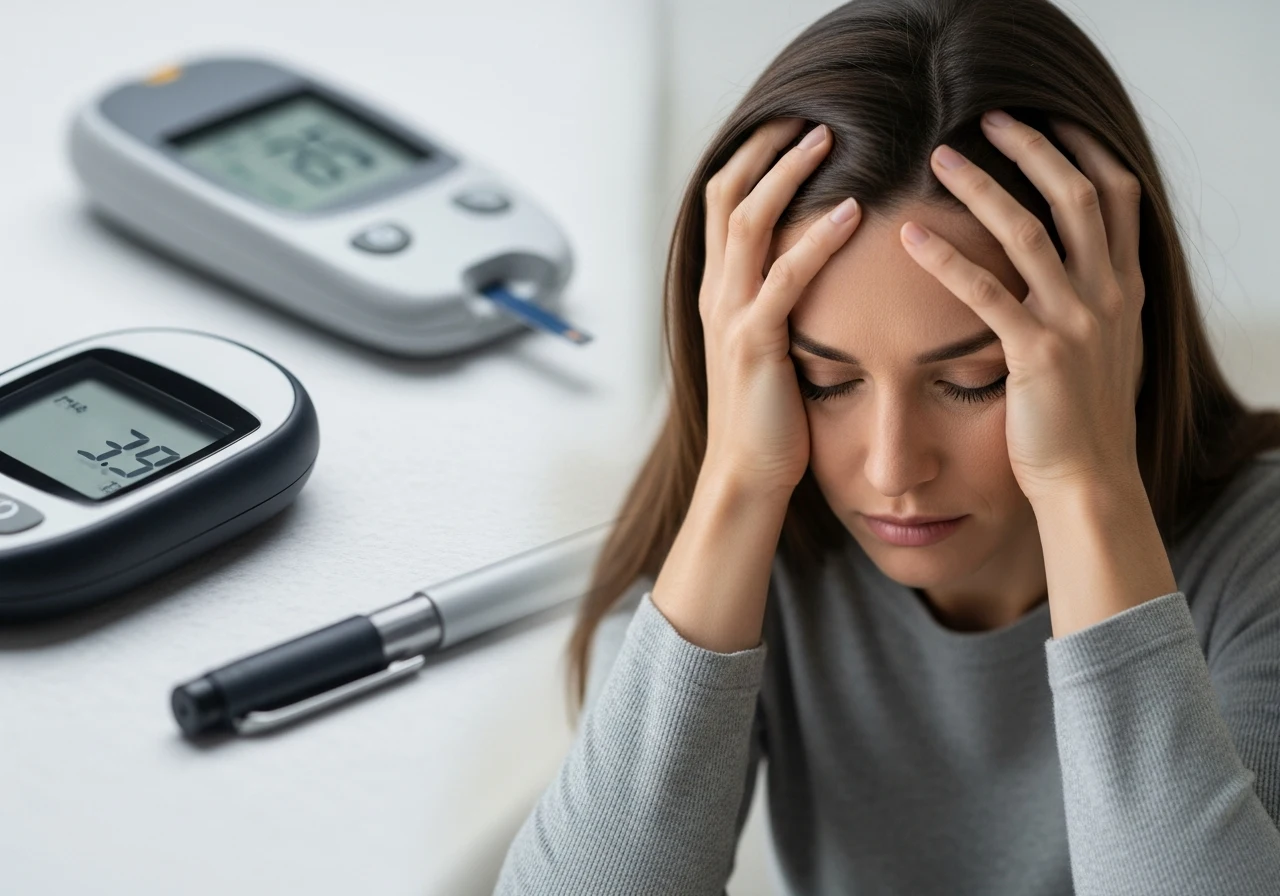
Hello, I’m Dr. David T. Broome, MD, and throughout my years as an endocrinologist, I’ve learned that diabetes impacts far more than blood sugar numbers. One of the most overlooked challenges I see in clinical practice is recognizing diabetes distress symptoms before they begin affecting both emotional well-being and physical health.
Many patients become so focused on glucose readings, medications, meal planning, and doctor appointments that they ignore the mental strain of managing a chronic condition every single day. Over time, that pressure can quietly build into serious emotional exhaustion.
In my clinic, I frequently meet patients who feel completely drained by the nonstop demands of carb counting, insulin dosing, prescription refills, and constant glucose monitor alerts. Many describe feeling frustrated, anxious, burned out, and even guilty when their numbers are not perfect. Some begin avoiding blood sugar checks altogether because the process feels emotionally overwhelming.
I always remind my patients that this type of emotional fatigue is not a personal weakness or lack of discipline. Diabetes distress is a medically recognized issue that can significantly impact motivation, sleep quality, relationships, and long-term glucose control.
When left untreated, chronic stress and burnout may lead to inconsistent medication use, unhealthy eating habits, and worsening blood sugar levels. The emotional side of diabetes deserves the same level of attention as the physical side.
In this comprehensive guide, I’ll explain the most common warning signs of diabetes distress, why it develops, and the practical strategies I recommend to help patients regain emotional balance, improve resilience, and take back control of their health with confidence.
TL;DR (Quick Summary)
- Definition: Diabetes distress is the specific emotional burden and stress linked directly to managing diabetes every single day.
- Key Symptoms: Common signs include extreme burnout, severe anxiety about numbers, frustration, and feeling entirely overwhelmed, according to NIH Research.
- Distinct Condition: It is strictly not the same as clinical depression, though the two can frequently overlap in severe cases.
- Measurement: Clinicians utilize validated screening tools like the Diabetes Distress Scale (DDS) to accurately assess severity, per the American Diabetes Association.
- Effective Treatment: Evidence-based management includes targeted behavioral therapy, diabetes education, and robust support systems.
What Is Diabetes Distress?
To properly treat this condition, we must first deeply understand its clinical definition and scope. It is not simply “having a bad day” with your blood sugar.
Simple Clinical Definition
Diabetes distress is the heavy, ongoing emotional burden specifically associated with the daily management of the disease. It encompasses the profound worry, intense frustration, and deep burnout that stems directly from living with a demanding chronic illness.
Whether you are navigating a new diagnosis of what is type 2 diabetes or managing long-standing type 1 diabetes, this emotional load can feel relentless.
The Medical Perspective
From a strictly medical standpoint, we view this through the chronic disease stress model. When a patient is constantly required to act as their own pancreas, the cognitive load is massive. This distress heavily impacts medication adherence, directly driving up long-term A1C levels and worsening total health outcomes
diabetesjournals.org. Understanding what is normal blood sugar provides crucial context for why these fluctuations trigger such intense emotional responses.
Detailed Types of Diabetes Distress
Understanding the specific variations of this condition is critical for accurate treatment. Diabetes distress is not a single, uniform emotion; it actively manifests in four distinct, highly disruptive categories.
Emotional Burden Distress
This is the most common presentation I see in my office. Patients feel completely overwhelmed by the absolute permanence of the disease. Recently, I interviewed a patient of mine, a 42-year-old with type 2 diabetes, who broke down in tears simply saying, “I never get a single day off.”
This type of distress is characterized by a deep, lingering fear of the future, profound feelings of biological failure when blood sugar spikes, and a heavy sense of hopelessness regarding long-term health.
Physician-Related Distress
Surprisingly, the medical system itself frequently causes massive patient anxiety. This occurs when patients feel deeply misunderstood, heavily judged, or completely rushed by their healthcare providers.
When an endocrinologist focuses strictly on A1C numbers and ignores the human being sitting in front of them, patients develop severe anxiety about attending medical appointments. They often feel they are being actively scolded rather than clinically supported.
Regimen-Related Distress
The daily mechanical management of this disease is incredibly exhausting. Regimen distress occurs when the sheer volume of daily tasks—finger pricks, continuous glucose monitor calibrations, strict meal timing, and insulin calculations—becomes mentally crushing.
Patients experiencing this specific distress often feel that the strict rules of their dietary and medication regimens are completely controlling their entire lives, leaving no room for natural spontaneity.
Interpersonal and Social Distress
Managing this condition in a world that deeply misunderstands it creates heavy social friction. Interpersonal distress stems from the lack of support from family, friends, or coworkers. Patients frequently deal with the “food police”—well-meaning relatives who constantly heavily scrutinize their dietary choices, per Harvard Health Publishing.
Furthermore, the stigma associated with injecting insulin in public or treating a hypoglycemic low during a business meeting causes profound social isolation and anxiety. Learning about the best foods for diabetics can help reduce this social tension around mealtime.
Diabetes Distress Symptoms
Identifying the exact symptoms is the strict first step toward clinical recovery. These signs frequently disguise themselves as general fatigue or temporary bad moods.
Core Emotional Symptoms
The psychological markers are highly distinct. Patients exhibit severe frustration, intense chronic burnout, and feelings of hopelessness directly tied to their blood sugar readings.
Furthermore, they develop heavy, persistent anxiety regarding both hyper- and hypoglycemic events, constantly feeling completely overwhelmed by their daily medical routine. The CDC notes that untreated mental health issues can make diabetes significantly worse
Behavioral Symptoms
Distress heavily alters a patient’s daily habits. You may notice a patient intentionally skipping their prescribed medications or actively avoiding their glucose monitoring devices because seeing the numbers causes too much pain.
Additionally, they often exhibit severely poor diet adherence, engaging in emotional indulgent eating as a coping mechanism, says the American Psychological Association.
Physical and Cognitive Symptoms
The mind and body are strictly connected. Severe emotional burnout frequently manifests as profound physical fatigue that sleep does not cure. Patients also experience thick brain fog, a deep inability to concentrate on complex tasks, and intense, unprovoked irritability with their loved ones.
Severe Warning Signs
If left entirely untreated, these symptoms escalate into a clinical crisis. Severe warning signs include complete social withdrawal, a total loss of motivation to manage the disease, and profound emotional numbness. When a patient entirely stops caring about their blood sugar levels, immediate psychiatric and medical intervention is absolutely mandatory.
Can Diabetes Affect Mental Health?
The biological link between metabolic dysfunction and mental health is highly established in modern endocrinology. The National Institute of Diabetes and Digestive and Kidney Diseases provides comprehensive tools to support mental wellness for patients and providers, per JAMA Network.
Blood Sugar and Brain Connection
Your brain relies exclusively on a steady stream of glucose. High glycemic variability violently disrupts the delicate balance of neurotransmitters in your brain. This directly impairs your ability to process stress and heavily regulates your daily mood.
Stress Hormone Response
When your body experiences chaotic blood sugar, it constantly triggers a fight-or-flight response. Your adrenal glands pump out massive amounts of cortisol and adrenaline. This chronic cortisol exposure actively worsens insulin resistance, creating a highly toxic biological environment
Emotional Feedback Loop
This creates a devastating cycle. Poor glucose control causes heavy emotional stress. That emotional stress releases cortisol, which aggressively raises blood sugar further. Consequently, breaking this specific feedback loop requires highly targeted, dual-action clinical therapies.
Harvard Health notes that a relaxation response can lower cortisol levels, improving insulin resistance and keeping blood sugar more stable
Can Diabetes Cause Mood Swings, Anxiety, or Nervousness?
Patients frequently ask if their sudden anger or panic is purely psychological or biologically driven.
Glycemic Variability and Mood Swings
Rapid shifts in blood sugar directly cause severe mood swings. A sudden spike can leave you feeling deeply lethargic and irritable, while a rapid drop completely starves the brain of fuel, causing intense, uncharacteristic anger. Understanding low blood sugar symptoms helps patients recognize these shifts early.
Anxiety and Panic Symptoms
Hypoglycemia (low blood sugar) biologically mimics a severe panic attack. The massive release of adrenaline required to force the liver to dump emergency glucose causes a racing heart, heavy sweating, and profound, intense anxiety.
Nervousness and Restlessness
Chronically fluctuating glucose levels keep your central nervous system in a highly agitated state. This presents as deep physical restlessness, an inability to sit still, and a constant, low-grade feeling of nervous tension.
Does Stress Make Diabetes Worse?

Psychological stress is a massive, highly potent catalyst for metabolic dysfunction. (Source: Diabetes Care.)
Cortisol and Blood Sugar Mechanisms
As an endocrinologist, I strictly monitor stress because it directly raises glucose. Cortisol specifically commands your liver to release stored sugar for immediate energy. If you are stressed but physically sedentary, that excess sugar violently spikes your blood glucose levels
Behavioral Impact of Stress
Beyond the biology, stress ruins daily management habits. Highly stressed patients experience poor sleep hygiene, which heavily worsens insulin sensitivity. They are also significantly more likely to consume highly processed, high-carbohydrate comfort foods.
Long-Term Complications Risk
Because stress constantly elevates daily glucose, it directly drives up the long-term A1C metric. A chronically elevated A1C strictly increases your risk for severe microvascular complications, including neuropathy, retinopathy, and kidney disease
Diabetes Distress vs Depression
It is critical to distinguish between these two conditions to prescribe the correct clinical treatment.
| Feature | Diabetes Distress | Clinical Depression |
|---|---|---|
| Primary Cause | Strictly diabetes-related stress and burnout. | Multifactorial (genetic, chemical, environmental). |
| Scope of Mood | Condition-specific; patient may enjoy other aspects of life. | Global; pervasive sadness affecting all areas of life. |
| Primary Treatment | Diabetes education, coping skills, regimen adjustment. | Global, pervasive sadness affecting all areas of life. |
Screening Tools: Diabetes Distress Scale
We do not guess at the severity of a patient’s burnout; we use highly validated clinical metrics.
The Diabetes Distress Scale Explained
The Diabetes Distress Scale (DDS) is a scientifically validated, standardized questionnaire used globally by endocrinologists. It strictly measures the exact psychological burden a patient is carrying regarding their daily disease management.
DDS vs DDS2 vs PAID Scale
The standard DDS contains 17 specific items assessing different areas of burnout. The DDS2 is a highly rapid, two-question version utilized in busy primary care settings. Alternatively, the PAID (Problem Areas in Diabetes) scale is another robust tool that deeply analyzes emotional frustration.
Interpreting Your Scores
These tools strictly categorize a patient’s emotional state into mild, moderate, or severe distress. A moderate or severe score immediately triggers a clinical referral to a specialized diabetes educator or behavioral health specialist.
What Are 5 Signs of a Diabetic Emergency?
Severe distress can sometimes mask the physical signs of a true metabolic emergency.
Hyperglycemia Warning Signs
Dangerously high blood sugar requires immediate attention. Watch strictly for profound mental confusion, a sweet or fruity odor on the breath, and extreme, unquenchable thirst accompanied by frequent urination. Learn more about high blood sugar symptoms to stay prepared.
Hypoglycemia Warning Signs
Severe low blood sugar acts incredibly fast. Immediate warning signs include heavy, cold sweating, violent physical tremors in the hands, and a sudden loss of consciousness or inability to speak clearly.
When to Seek Immediate Care
Do not wait if the numbers are extreme. If your blood sugar strictly drops below 70 mg/dL and does not respond to fast-acting carbs, or if it remains stubbornly above 300 mg/dL with ketones present, visit an emergency room immediately.
The “3-Hour Rule” in Diabetes
During periods of high emotional distress or physical illness, managing glucose becomes highly chaotic.
We utilize the clinical “3-Hour Rule.” This dictates that a patient must strictly check their blood sugar or heavily monitor their CGM data exactly every three hours around the clock. This aggressive monitoring prevents severe, silent fluctuations from turning into dangerous hospitalizations.
Causes of Diabetes Distress
To treat the burnout, we must strictly identify the root factors causing the daily psychological pain.
Daily Disease Burden
The human brain is not designed to constantly calculate insulin-to-carb ratios at every meal. The sheer, unrelenting cognitive load of constant monitoring is the absolute primary driver of patient burnout.
Fear of Future Complications
Many patients live in heavy, silent terror of the future. The persistent anxiety regarding potential blindness, amputations, or kidney failure casts a massive, dark psychological shadow over their daily lives.
Social and Financial Stress
The cost of modern insulin and CGM technology is frequently exorbitant. The severe financial strain of affording basic life-saving medical supplies heavily contributes to chronic, deep-seated distress.
Lack of Support Systems
Isolation is highly toxic. Patients who lack an empathetic partner or who do not have access to a knowledgeable medical team experience significantly higher rates of severe emotional burnout. Connecting with others through diabetes medications support communities can help.
How to Cope With Diabetes Burnout

Recovery requires a strictly structured, multi-layered clinical approach.
Behavioral Strategies
We heavily train patients to break massive tasks into tiny, actionable steps. Instead of striving for perfect 24/7 blood sugars, we set highly realistic, incremental goals, such as focusing purely on stabilizing morning fasting numbers first.
Psychological Therapies
Cognitive Behavioral Therapy (CBT) is the absolute gold standard here. CBT strictly teaches patients to identify and entirely dismantle toxic, catastrophic thoughts regarding their blood sugar data, replacing them with neutral, actionable observations. Mayo Clinic confirms that combining therapy with lifestyle changes improves both diabetes and depression outcomes.
Medical Support
A strict regimen review is often required. By working closely with a certified diabetes educator, we can often simplify a patient’s medication schedule or switch them to highly advanced automated insulin delivery systems to reduce daily burdens.
Social Support
I heavily prescribe professional support groups. Connecting with other patients who deeply understand the exhausting reality of chronic carb counting provides massive, immediate emotional validation and shared coping wisdom.
Practical Daily Strategies to Reduce Diabetes Distress
You must actively protect your mental health with strict daily habits.
Lifestyle Interventions
Consistent cardiovascular exercise acts as a massive biological pressure release valve, aggressively lowering cortisol. Furthermore, strict sleep hygiene is entirely non-negotiable for baseline emotional resilience.
Blood Sugar Stabilization
A heavily balanced diet rich in complex proteins and fibers stops violent glycemic spikes. Strict adherence to simplified medication routines prevents the physical rollercoasters that drive emotional panic.
Technology Support
When possible, I strictly transition distressed patients to Continuous Glucose Monitors (CGMs). Removing the physical pain and heavy mental friction of 6-8 daily finger pricks provides profound psychological relief.
| Clinical Treatment | Primary Benefit | Evidence Level |
|---|---|---|
| Cognitive Behavioral Therapy (CBT) | Heavily reduces catastrophic thinking and distress. | Strong 美国卫生与公共服务部NIH |
| Certified Diabetes Education | Deeply improves disease understanding and daily adherence. | Strong |
| Targeted Medication (SSRIs) | Provides chemical symptom relief if clinical depression overlaps. | Moderate |
| Moderated Peer Support Groups | Delivers massive emotional relief and reduces deep isolation. | Moderate |
When to See a Doctor
Never ignore heavy psychological warning signs. If you experience persistent, deep sadness for more than two straight weeks, immediate clinical intervention is required.
Furthermore, if you suffer from severe panic attacks regarding your blood sugar, total disease burnout resulting in completely skipping your insulin, or dangerously uncontrolled glucose, contact your endocrinologist strictly today.
Frequently Asked Questions
What are the mental symptoms of diabetes?
Living with diabetes can weigh heavily on your mind. Many people experience persistent anxiety about daily glucose numbers, unexplained irritability, or that frustrating “brain fog” that clouds thinking. Over time, the constant demands of management may lead to emotional exhaustion.
If these feelings feel overwhelming, please talk with your healthcare provider—they’re there to support your whole health.
Can diabetes cause anxiety attacks?
Yes, diabetes can trigger anxiety-like episodes. During severe low blood sugar, your body releases a surge of adrenaline—causing shaking, racing heart, and panic that feel identical to an anxiety attack.
Because symptoms overlap, always check your glucose first when anxiety strikes suddenly. If episodes recur, consult your care team to adjust your management plan and rule out other causes.
Can emotions affect blood sugar?
Absolutely—your emotions directly influence blood glucose. Stress, worry, or even excitement activate your body’s fight-or-flight response. This releases cortisol and adrenaline, which signal your liver to release stored glucose.
The result? A rapid, sometimes unexpected blood sugar rise. Managing stress through breathing exercises, movement, or talking with a professional can help keep both mind and numbers steadier.
What are 5 signs of a diabetic emergency?
Watch for these five urgent warning signs: sudden confusion or trouble speaking, cold/clammy sweating, uncontrollable shaking or tremors, extreme thirst with frequent urination, or a sudden loss of consciousness. These may signal severe high or low blood sugar.
If you notice any of these, check glucose immediately and seek emergency help if needed—never ignore these critical signals.
How do I fix a severe blood sugar crash safely?
For a severe low, follow the 15-15 rule: consume exactly 15 grams of fast-acting carbs—like 4 oz juice or glucose tablets. Wait 15 minutes, then recheck your blood sugar. If it’s still below 70 mg/dL, repeat the process.
Once stable, eat a small snack with protein to prevent another drop. Always carry treatment and inform loved ones about your plan.
Final Thoughts
Living with diabetes is demanding. Really demanding. If you recognize diabetes distress symptoms in your daily life, please hear this: you’re not failing. You’re human.
This emotional burden is real, validated, and—most importantly—treatable. Small steps matter. Talk to your care team. Simplify one task. Try one breathing exercise. Celebrate one win.
Recovery isn’t about perfection. It’s about progress. With compassionate support, realistic goals, and evidence-based strategies, you can rebuild energy and confidence.
If diabetes distress symptoms feel overwhelming right now, reach out today. Your endocrinologist, a mental health professional, or a certified diabetes educator can help you create a sustainable plan. You deserve care that honors both your physical and emotional health.
Evidence-Based References:
- CDC — 10 Tips for Coping with Diabetes Distress
- CDC — Diabetes Distress Among US Adults With Diagnosed Diabetes, 2021
- NIDDK — Diabetes Distress and Depression
- NIDDK — Chapter 33: Psychiatric and Psychosocial Issues Among Individuals Living With Diabetes
- PubMed — Assessing psychosocial distress in diabetes: development of the diabetes distress scale
- PubMed — What is diabetes distress and how can we measure it? A narrative review and conceptual model
- PubMed — How to assess diabetes distress: comparison of the Problem Areas in Diabetes Scale (PAID) and the Diabetes Distress Scale (DDS)
- PubMed — Addressing diabetes distress in clinical care: a practical guide
- PubMed — Diabetes Distress Among Persons With Type 1 Diabetes
- PubMed — The detection and management of diabetes distress in people with type 1 diabetes
- PubMed — Burnout, distress, and depressive symptoms in adults with type 1 diabetes
- PubMed — Diabetes burnout among emerging adults with type 1 diabetes: a mixed methods investigation