
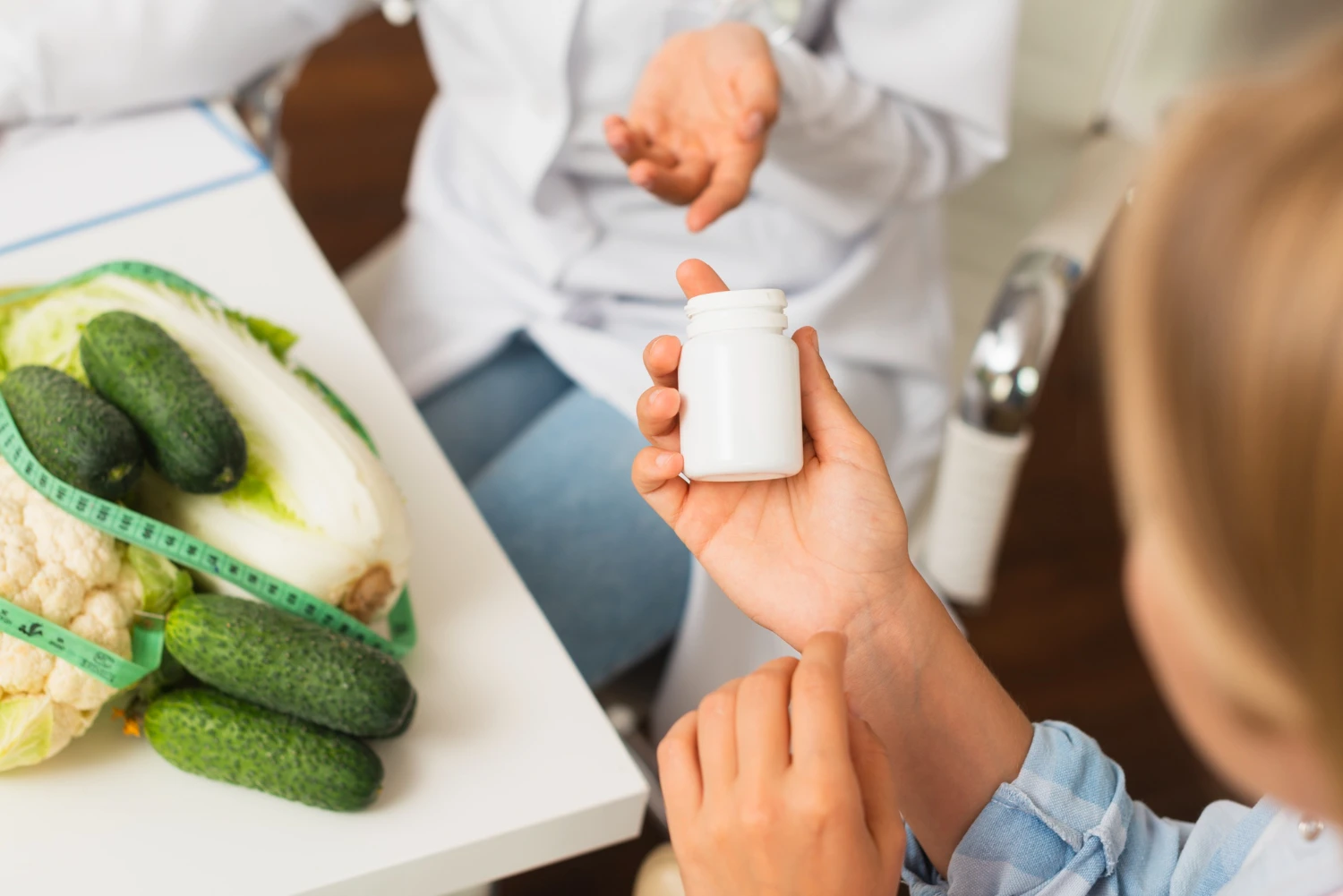
Finding the right treatment plan can feel overwhelming, especially when trying to manage both blood sugar and body weight. As a Board-Certified specialist in Public Health & Metabolic Medicine, I frequently guide patients through the evolving landscape of weight loss medications for type 2 diabetes, per American Diabetes Association guidelines.
Recently, I treated a 48-year-old patient named Sarah who had struggled for years with stubborn weight gain despite strict dieting. Her A1C was climbing, and she felt defeated. Understanding what is type 2 diabetes provides important context for treatment decisions.
After evaluating her complete metabolic profile, we transitioned her to a modern GLP-1 receptor agonist. Within eight months, Sarah safely lost 15% of her body weight, normalized her blood sugar, and regained her energy, according to NIH/NIDDK research.
This comprehensive 2026 guide explores the most effective pharmaceutical options available, how they work, and what you need to know to make an informed decision with your healthcare provider, supported by Mayo Clinic.
TL;DR Summary
Several medications used for Type 2 diabetes can also highly support weight loss, including revolutionary GLP-1 receptor agonists and certain oral tablets, per Diabetes Care journal.
These drugs may help reduce appetite, drastically improve blood sugar control, and support long-term weight management when combined with sustainable lifestyle changes, according to CDC diabetes resources.
What Are Weight Loss Medications for Type 2 Diabetes?
Weight loss medications for Type 2 diabetes are highly specialized drugs designed primarily to lower blood sugar while simultaneously promoting significant body weight reduction, per American Diabetes Association. They achieve this through multiple pathways, often by reducing appetite, slowing digestion, or improving cellular insulin sensitivity.
Historically, many older diabetes drugs, such as insulin and sulfonylureas, often caused unwanted weight gain. This created a frustrating cycle for patients trying to improve their metabolic health, notes Harvard Medical School.
Today, modern pharmaceutical advancements have shifted the paradigm. We now utilize medications that actively treat the root cause of insulin resistance by helping patients shed excess visceral fat safely and sustainably. For medication options, explore diabetes medications.
What Is the Most Effective Weight Loss Drug for Type 2 Diabetes?
When patients ask, “What is the most effective weight loss drug for type 2 diabetes?”, the clinical consensus strongly points to incretin mimetics, per The Lancet. Specifically, dual-agonists like tirzepatide and GLP-1 receptor agonists such as semaglutide are currently the most effective options available.
These medications mimic natural gut hormones that signal fullness to the brain. In extensive clinical trials, patients using these specific drugs have consistently demonstrated double-digit percentage weight loss, outperforming older medication classes by a wide margin, according to Diabetes Care.
Ultimately, the best diabetes drug for weight loss will always depend on an individual’s unique medical history, tolerance to side effects, and specific cardiovascular risk factors. Learn more about GLP-1 agonists for type 2 diabetes.
Best Diabetes Drugs for Weight Loss
Understanding the differences between these medications is crucial for managing expectations. Below is a clinical comparison of the most common options prescribed today, per American Diabetes Association.
| Medication Class | Weight Loss Potential | Common Side Effects |
|---|---|---|
| GLP-1 Agonists (e.g., Semaglutide) | High | Nausea, vomiting, diarrhea |
| Dual Agonists (e.g., Tirzepatide) | Very High | Nausea, gastrointestinal upset |
| SGLT2 Inhibitors (e.g., Empagliflozin) | Moderate | Urinary tract infections, dehydration |
| Biguanides (Metformin) | Mild to Neutral | Mild GI upset, bloating |
When discussing the best diabetes drug for weight loss side effects, it is important to note that gastrointestinal issues are the most frequent complaint, though they typically resolve as the body adapts to the medication, according to Mayo Clinic.
Weekly Injections for Diabetes and Weight Loss
The landscape of metabolic medicine was revolutionized by the introduction of the weekly injection for diabetes and weight loss. These are primarily GLP-1 receptor agonists, such as Ozempic (semaglutide) and Trulicity (dulaglutide), per FDA guidelines.
These medications are typically administered subcutaneously (under the skin) once every seven days. They work by continuously stimulating insulin release only when blood sugar is high, which drastically lowers the risk of severe hypoglycemia compared to traditional insulin injections, according to American Diabetes Association.
Patients seeking an antidiabetic injection for weight loss often prefer this weekly format due to its sheer convenience. For more information, see Ozempic for diabetes. In the UK, a diabetes weight loss injection NHS prescription is carefully regulated and usually reserved for patients meeting specific BMI and A1C criteria.
Appetite Suppressant Injections for Diabetics
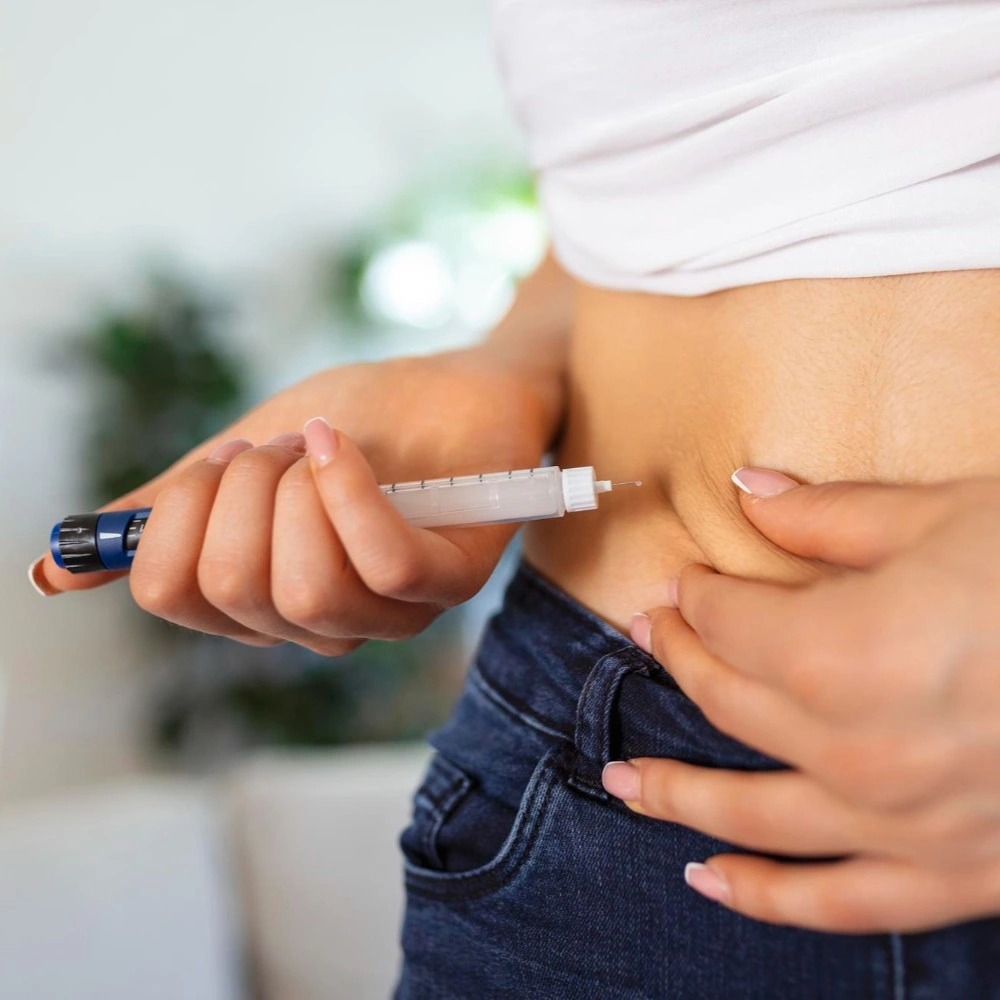
One of the most powerful mechanisms of these modern treatments is their neurological impact. An appetite suppressant injection for diabetics fundamentally changes how the brain perceives hunger and satiety signals, per Harvard Medical School.
These medications actively delay gastric emptying, meaning food remains in your stomach for a much longer period. This creates a prolonged sensation of fullness, naturally leading to a significant reduction in daily caloric intake.
When searching for the best appetite suppressant for diabetics, physicians usually look to these GLP-1 and GIP dual-agonists. They are currently the most scientifically validated appetite suppressants for diabetics that also concurrently manage A1C levels, according to NIH/NIDDK.
Diabetes Tablets to Lose Weight
Not all patients are comfortable with self-injection. Fortunately, there are highly effective oral options available for those seeking a diabetes tablet to lose weight, per American Diabetes Association.
SGLT2 inhibitors, such as Jardiance (empagliflozin) and Farxiga (dapagliflozin), are oral medications that force the kidneys to excrete excess blood glucose directly through your urine. This flushes calories out of your system, resulting in mild to moderate weight loss, according to Mayo Clinic.
Additionally, oral forms of GLP-1 medications, like Rybelsus (daily oral semaglutide), offer the appetite-suppressing benefits of an injection in a daily pill format. For medication guidance, see diabetes medication for weight loss. In the UK, diabetic weight loss tablets UK prescriptions are increasingly common for those with cardiovascular complications.
Diabetes Medication for Weight Loss: Metformin Explained
Metformin is the most widely prescribed initial treatment for type 2 diabetes globally. When discussing diabetes medication for weight loss, metformin is frequently brought up by patients due to its long-standing safety profile, per CDC.
Metformin works primarily by decreasing the amount of sugar produced by the liver and improving the body’s overall insulin sensitivity. By helping your cells utilize insulin more effectively, it prevents the severe blood sugar spikes that drive fat storage, according to American Heart Association.
However, metformin is generally considered weight-neutral or capable of producing only mild weight loss. It is not an aggressive weight-loss drug, but it lays a crucial, stable metabolic foundation for patients just beginning their treatment journey.
Weight Loss Pills for Type 2 Diabetes
The market is flooded with over-the-counter supplements claiming to be miracles. However, when seeking legitimate weight loss pills for type 2 diabetes, you must stick strictly to FDA-approved prescription medications, per FDA.
Over-the-counter diet pills often contain dangerous stimulants that can severely elevate heart rate and blood pressure—a massive risk for patients who already have underlying cardiovascular complications from diabetes, according to American Heart Association.
Always work with an endocrinologist to select prescription oral medications like SGLT2 inhibitors or oral GLP-1s, which have been rigorously tested for both cardiac safety and glycemic efficacy.
Why Do People Gain Weight After Stopping Ozempic?
A major concern among patients is the rebound effect. Why do people gain weight after stopping Ozempic? The answer lies in the physiological changes that occur once the medication clears your system, per Diabetes Care.
GLP-1 medications chemically suppress your appetite and slow your digestion. Once the medication is discontinued, your natural appetite returns to its baseline, often feeling more intense than before. Additionally, your stomach begins emptying at a normal, faster rate.
Without the chemical assistance, patients who have not implemented strict, permanent lifestyle and dietary habits often find themselves overeating, leading to rapid weight regain. For ongoing management, see how to lower A1C.
Can You Stop Mounjaro Cold Turkey?
Many patients wonder if they can simply halt their injections once they reach their goal weight. Can you stop Mounjaro cold turkey? While it is not immediately life-threatening, it is highly discouraged, per American Diabetes Association.
Stopping abruptly without medical supervision almost guarantees a rapid rebound in your blood sugar levels. Your pancreas will suddenly lose the incretin support it relies on to produce adequate insulin, according to Mayo Clinic.
Always consult your prescribing physician to create a structured tapering plan. They may lower your dose gradually or transition you to a maintenance medication to prevent a severe glycemic shock to your system.
What Can Help a Diabetic Lose Weight?
Medication is only one piece of the puzzle. What can help a diabetic lose weight sustainably is a holistic, multi-pronged approach that addresses all aspects of metabolic health, per NIH/NIDDK.
First, nutrition must be optimized. Prioritize a diet high in lean proteins and fiber-rich vegetables to naturally stabilize post-meal glucose, according to Academy of Nutrition and Dietetics. For dietary guidance, see best diet for diabetes. Second, incorporate daily movement; resistance training is incredibly powerful as muscles act as a sponge for excess blood sugar.
Finally, prioritize sleep and stress management. High cortisol levels from chronic stress actively promote visceral fat storage and increase insulin resistance, directly counteracting the benefits of your medications, per Harvard Medical School.
Drug Options for Type 2 Diabetes
There is no single “best” drug for type 2 diabetes; the optimal choice is highly individualized. The medical community relies on several distinct classes of medications, according to American Diabetes Association.
Biguanides (Metformin) remain the foundational first-line defense. For those needing cardiovascular protection and weight loss, GLP-1 receptor agonists and SGLT2 inhibitors are rapidly becoming the preferred second-line agents, per CDC.
Older medications like sulfonylureas or thiazolidinediones are still utilized in certain scenarios but are generally less preferred today because they frequently cause frustrating weight gain and pose higher risks of hypoglycemia.
Weight Loss Medication for Type 1 Diabetes: Is It Used?
This is a critical distinction. Weight loss medication for type 1 diabetes is not routinely approved by regulatory bodies like the FDA for standard care, per JDRF.
Type 1 diabetes is an autoimmune condition where the body produces zero insulin, whereas Type 2 is a disease of insulin resistance. Understanding differences between type 1 and type 2 diabetes is essential.
Using GLP-1s or SGLT2s in Type 1 patients carries a significantly increased risk of diabetic ketoacidosis (DKA), according to Mayo Clinic.
However, in highly specific cases where a Type 1 patient also suffers from severe obesity and profound insulin resistance, a specialist endocrinologist might prescribe these medications “off-label” under extremely strict, continuous supervision.
Side Effects of Diabetes Weight Loss Medications
While revolutionary, these medications are not without drawbacks. The most common side effects are heavily concentrated in the gastrointestinal system, per FDA.
Patients frequently report nausea, occasional vomiting, diarrhea, or constipation, especially during the first few weeks of starting a GLP-1 injection or when increasing the dosage, according to American Diabetes Association.
To mitigate these effects, physicians always start patients on the lowest possible dose, slowly titrating upward over several months to allow the digestive tract to safely adapt to the delayed gastric emptying.
Who Should NOT Use These Medications?
Safety is the ultimate priority in metabolic medicine. There are strict contraindications for these advanced weight loss drugs, per FDA.
Patients with a personal or family history of medullary thyroid carcinoma (MTC) or Multiple Endocrine Neoplasia syndrome type 2 (MEN 2) must strictly avoid GLP-1 medications due to a potential risk of thyroid tumors, according to American Diabetes Association.
Furthermore, these drugs are contraindicated for pregnant people and should be used with extreme caution in patients with a history of severe gastrointestinal disease, such as chronic pancreatitis or gastroparesis.
Lifestyle Changes That Improve Medication Results

To maximize the efficacy of your prescription, you must actively pair it with targeted lifestyle changes. Medications fix the chemistry, but your daily habits build the foundation, per World Health Organization.
Adopt a high-protein diet to prevent muscle loss while you shed fat. Because these drugs suppress appetite, the smaller amount of food you consume must be incredibly nutrient-dense to prevent malnutrition, according to Academy of Nutrition and Dietetics.
Incorporate regular aerobic exercise and prioritize hydration. Because SGLT2 inhibitors cause increased urination and GLP-1s can reduce thirst cues, actively drinking enough water is essential to prevent severe dehydration and protect kidney function, per CDC.
Common Myths About Diabetes Weight Loss Drugs
The media often portrays these medications as a “magic cure” for obesity. This is a dangerous myth that sets patients up for long-term failure, per American Diabetes Association. For clarification, see common myths and misconceptions about diabetes.
Another pervasive myth is that you do not need to change your diet if you take the injection. If you continue to eat highly processed, sugary foods, the medication will struggle to overcome the metabolic damage, and you will likely experience severe gastrointestinal distress, according to Mayo Clinic.
These drugs are powerful tools, not a replacement for personal accountability and sound nutritional choices.
When to Talk to Your Doctor
Clear communication with your healthcare provider is vital. You must recognize the red flags that warrant an immediate medical consultation, per CDC.
Contact your doctor immediately if you experience severe, unrelenting abdominal pain, which could indicate pancreatitis. Similarly, if you experience rapid, unexplained weight loss that leaves you dizzy or fatigued, your dosage may be too high, according to American Diabetes Association.
Finally, if you experience symptoms of severe hypoglycemia—such as shaking, sweating, confusion, or a rapid heartbeat—you must seek medical attention to have your overall diabetes medication regimen adjusted. Understanding causes of hypoglycemia helps you stay informed.
Frequently Asked Questions
Can diabetes medications genuinely help with severe obesity?
Yes. Several modern diabetes medications, particularly GLP-1 receptor agonists, are highly effective at supporting medically supervised weight loss and are frequently prescribed to combat severe obesity, per NIH/NIDDK.
Are weight loss injections safe for long-term use?
Current clinical data suggests they are safe for long-term management in appropriate candidates. However, long-term safety always depends on the individual’s specific health profile and continuous medical monitoring, according to FDA.
Is metformin classified as a weight loss drug?
No. Metformin is primarily a foundational diabetes medication. While it may support mild weight loss or prevent further weight gain, it is not officially classified or prescribed strictly as a primary weight-loss drug, per American Diabetes Association.
Will my insurance cover these weight loss medications?
Coverage varies drastically. If you have a documented diagnosis of Type 2 diabetes, medications like Ozempic or Mounjaro are often covered. However, coverage strictly for weight loss (without diabetes) is frequently denied by many carriers, according to CDC.
Do these medications replace the need for insulin?
Not always. While they drastically improve insulin sensitivity and can reduce the amount of insulin a patient needs, many patients with advanced Type 2 diabetes may still require concurrent background insulin therapy, per Mayo Clinic.
Conclusion
Managing Type 2 diabetes while trying to lose weight has been historically difficult, but modern medicine has provided incredible new tools. Some diabetes medications, particularly GLP-1 and dual-agonist injections, are highly effective at suppressing appetite, supporting significant weight loss, and lowering A1C, per The Lancet.
However, these are powerful drugs with potential side effects, not magic cures. Sustainable success requires pairing these medications with structural lifestyle changes, including a nutrient-dense diet and regular exercise, all under the close supervision of your clinical care team, according to American Diabetes Association.