
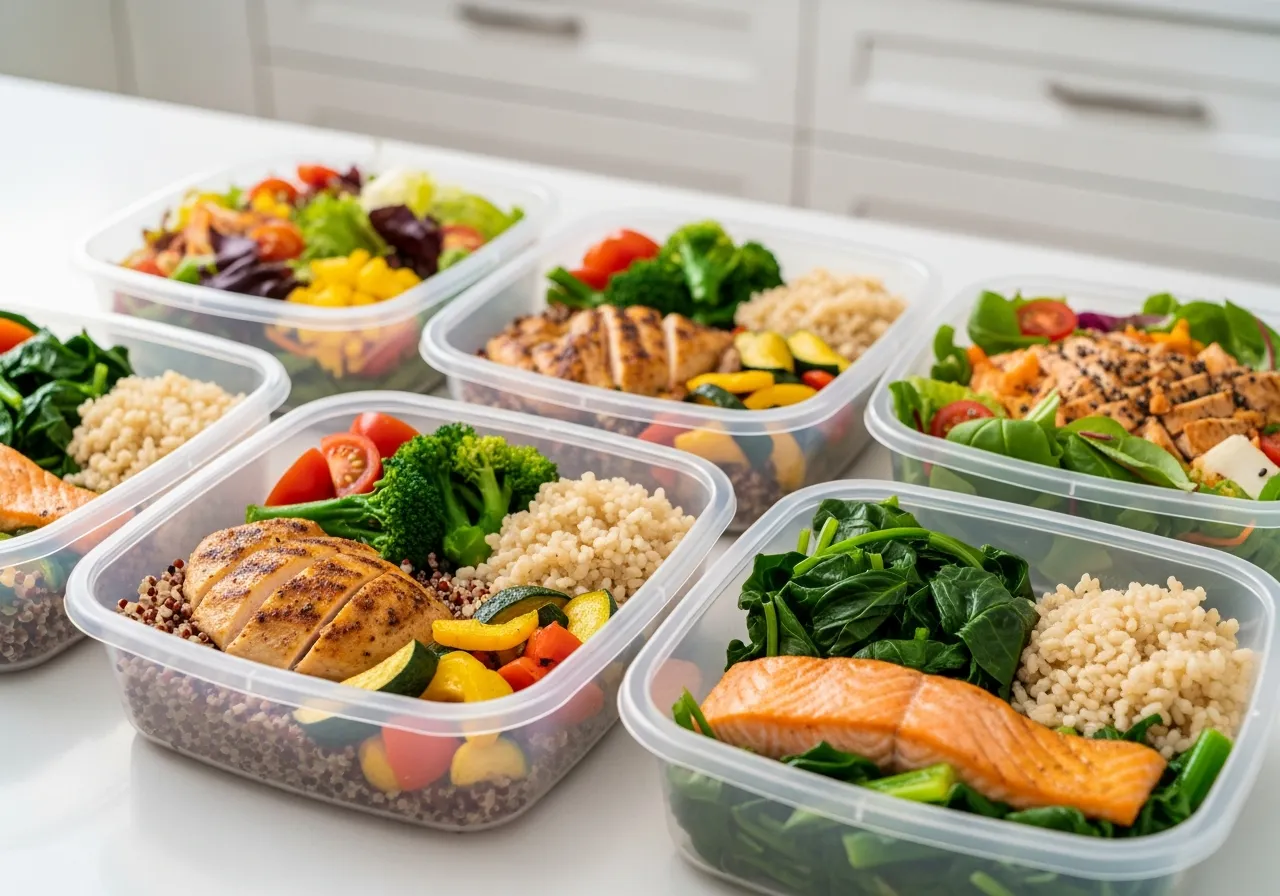
As Dr. David T. Broome, MD, a Board-Certified physician in Nutrition and Metabolic Health, I often tell patients that meal prep ideas for diabetic weight management can be the difference between daily frustration and long-term success.
Managing blood sugar while trying to lose weight becomes much easier when healthy meals are planned in advance, according to American Diabetes Association guidelines.
Recently, I worked with Marcus, a 52-year-old patient whose healthy eating habits consistently fell apart in the evenings because he was too exhausted to cook after work. He believed his problem was a lack of discipline, but the real issue was poor preparation. Understanding what is type 2 diabetes provides important context for meal planning strategies.
Once we created a structured meal prep system with balanced portions, healthier snacks, and ready-to-eat meals, his fasting glucose improved, and he lost 12 pounds within two months, per NIH/NIDDK research.
This guide is designed to eliminate daily guesswork and help you build sustainable habits that support both weight loss and better blood sugar control, supported by Mayo Clinic.
TL;DR Summary
- Meal prepping proactively stabilizes blood sugar and drives sustainable weight loss, according to CDC diabetes resources.
- Diabetic meal prep relies on high fiber, lean protein, and low-glycemic carbohydrates, per Harvard Medical School.
- A structured 7-day or 30-day diabetic meal plan improves daily consistency, notes Diabetes Care journal.
- Prepping meals in advance naturally prevents relying on high-sugar, ultra-processed convenience foods.
What Is Diabetic Meal Prep for Weight Management?
Diabetic meal prep involves strategically planning and preparing nutritionally balanced meals in advance. This proactive approach is specifically designed to control blood sugar spikes, naturally reduce total calorie intake, and actively support sustainable weight loss over time, per American Diabetes Association.
For beginners looking into a simple diabetic meal plan, the core concept revolves around absolute portion control. When you cook in bulk and portion your meals into individual containers, you completely eliminate the risk of accidental overeating during a busy workday, according to Academy of Nutrition and Dietetics.
Understanding the glycemic index (GI) is also vital here. Diabetic meal prep for beginners prioritizes low-GI foods that digest slowly, preventing rapid spikes in blood glucose. For a comprehensive list, see glycemic index foods list. Balancing your macronutrients—ensuring every meal contains protein, healthy fats, and fiber—is the ultimate key to metabolic stability.
Why Meal Prep Helps With Weight Loss and Blood Sugar Control
When tackling weight management diabetes protocols, spontaneity is rarely your friend. Arriving home ravenous without a plan almost always leads to impulsive eating. Having a diabetic meal plan waiting in the fridge completely neutralizes this risk, per Mayo Clinic.
By controlling exactly what goes into your food, you naturally stabilize your daily glucose levels. You avoid the hidden sugars and inflammatory refined oils commonly found in restaurant meals or pre-packaged convenience foods, according to American Heart Association.
Furthermore, meal prep actively reduces calorie excess without requiring you to aggressively track every bite. Over time, eating consistently balanced, pre-portioned meals directly improves your cellular insulin sensitivity, making weight loss much easier to achieve. For practical guidance, see how to lose weight with diabetes safely.
Core Principles of a Diabetic Meal Plan
Creating an effective meal plan requires a solid foundational strategy. The most clinically effective framework is the “Plate Method.” This visually simple rule dictates that half of your plate should be filled with non-starchy vegetables, per American Diabetes Association.
The remaining half should be divided equally: one-quarter dedicated to a lean protein source, and one-quarter for complex, high-fiber carbohydrates. This specific ratio buffers carbohydrate absorption, preventing severe post-meal glucose spikes, according to Harvard Medical School.
Prioritizing fiber-rich foods, such as lentils, beans, and leafy greens, promotes prolonged satiety. Lean protein sources like chicken breast, turkey, and tofu protect muscle mass during weight loss.
Finally, incorporating healthy fats from olive oil, avocados, or nuts helps regulate hormones and keeps you feeling full. For food guidance, see foods to include in a diabetic diet.
7-Day Diabetic Meal Plan
Consistency is key, and a structured 7-day diabetic meal plan provides the perfect blueprint for your week. You can easily adapt this 7-day diet plan for diabetic patients based on your specific caloric needs.
| Day | Breakfast | Lunch | Dinner |
|---|---|---|---|
| Day 1 | Oatmeal + berries + walnuts | Grilled chicken salad (olive oil dressing) | Baked salmon + roasted asparagus |
| Day 2 | Scrambled eggs + spinach | Quinoa bowl with black beans | Stir-fry tofu + broccoli |
| Day 3 | Unsweetened Greek yogurt + chia | Lentil soup + side salad | Grilled chicken + zucchini noodles |
| Day 4 | Whole wheat toast + avocado | Turkey wrap (low-carb tortilla) | Lean ground beef stuffed peppers |
| Day 5 | Cottage cheese + sliced almonds | Leftover stuffed peppers | Baked cod + green beans |
| Day 6 | Veggie omelet + salsa | Tuna salad (Greek yogurt base) | Grilled shrimp skewer + cauliflower rice |
| Day 7 | Protein smoothie (spinach, berries) | Mixed bean salad + chicken | Roasted turkey breast + Brussels sprouts |
5-Day Diabetic Meal Plan (Quick Start)
If a full week feels too daunting, a 5 day diabetic meal plan is an excellent starting point. This quick-start version focuses strictly on the workweek, leaving your weekends open for more flexible, mindful eating, according to Mayo Clinic.
This plan involves less prep complexity. You might batch-cook three chicken breasts on Sunday to use in varied salads and wraps from Monday through Friday. Simplifying your choices early on prevents burnout.
30-Day Diabetic Meal Plan Overview
For long-term success, a 30-day diabetic meal plan requires a strategic weekly rotation. Eating the exact same foods for a month leads to diet fatigue and potential nutrient deficiencies, per World Health Organization.
To succeed over 30 days, utilize a grocery batching strategy. Buy staple proteins and frozen vegetables in bulk, then rotate your fresh produce and low-sugar sauces weekly to create varied flavor profiles.
Embrace seasonal meal variation as well. In the winter, focus on large batches of diabetic-friendly chili and stews. In the summer, pivot toward fresh salads and grilled proteins that require minimal kitchen time.
Diabetic Recipes for Breakfast, Lunch, and Dinner
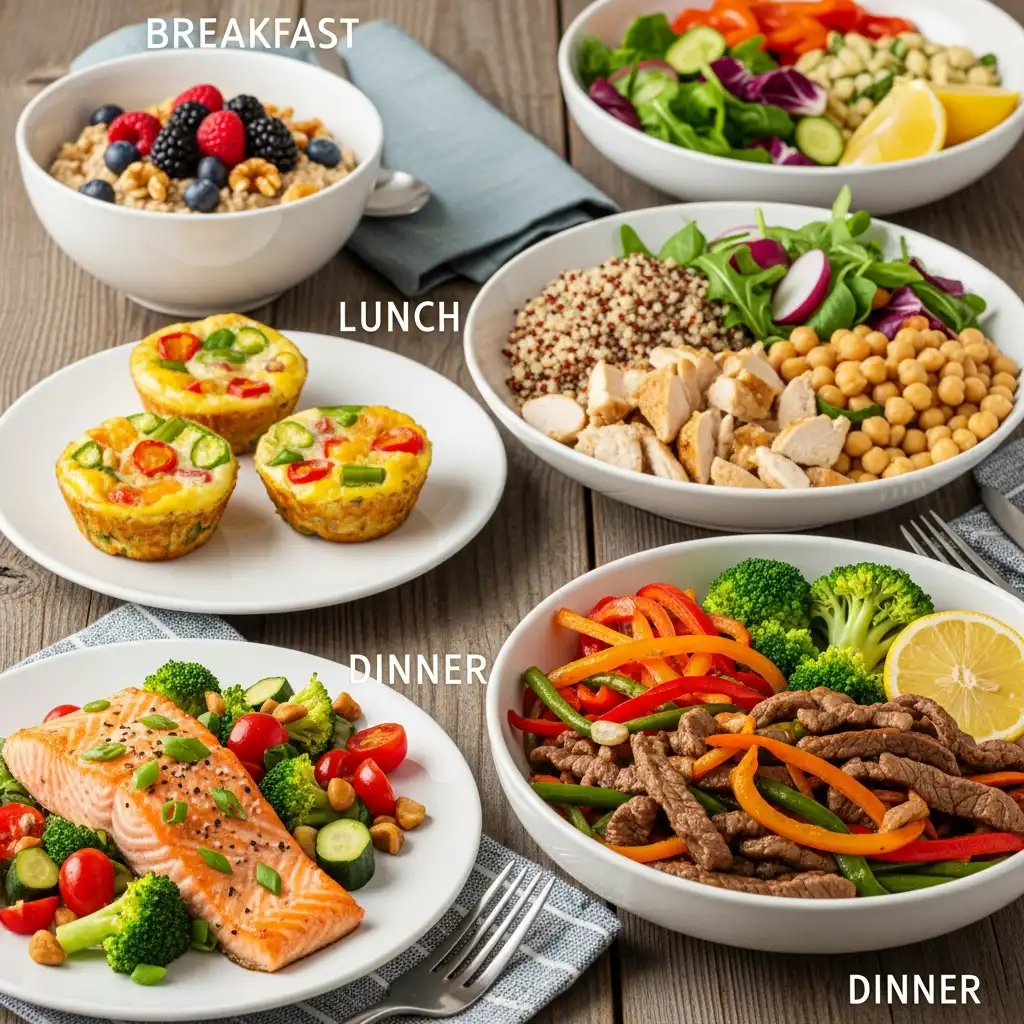
Having a reliable arsenal of recipes for diabetics ensures you are never caught off guard. Let’s break down some foundational, easy-to-prep options, per American Diabetes Association.
For breakfast, skip the sugary cereals. Oatmeal with chia seeds provides a massive dose of soluble fiber. Alternatively, egg veggie muffins can be baked by the dozen on Sunday and microwaved in 30 seconds on a busy weekday morning. For breakfast ideas, see best breakfast for diabetics.
When exploring diabetic recipes for breakfast, lunch and dinner, lunch should be light but filling. Chicken quinoa bowls or a Mediterranean chickpea salad offer great protein-to-fiber ratios, according to Academy of Nutrition and Dietetics. For dinner, baked salmon or stir-fry vegetables with lean beef are fast, nutritious, and easy to clean up.
21 Easy Diabetic-Friendly Recipes to Try This Season
Variety is the spice of a healthy life. Here are 21 easy diabetic friendly recipes to try this season to keep your palate engaged while keeping your blood sugar flat, per Mayo Clinic.
Breakfasts
- Spinach and feta frittata squares.
- Overnight oats with unsweetened almond milk and flaxseed.
- Greek yogurt layered with crushed pecans and raspberries.
- Low-carb protein pancakes.
- Cottage cheese with sliced cucumbers and everything bagel seasoning.
Lunches
- Turkey and avocado lettuce wraps.
- Mason jar salads with vinaigrette dressing at the bottom.
- Black bean and corn salad with lime juice.
- Leftover roasted chicken over mixed greens.
- Edamame and shredded cabbage slaw.
- Tuna salad stuffed into bell pepper halves.
Dinners
- Sheet pan lemon pepper chicken with green beans.
- Turkey meatballs over spaghetti squash.
- Baked tilapia with a side of roasted Brussels sprouts.
- Tofu and snap pea stir-fry with liquid aminos.
- Beef and broccoli made with lean flank steak.
- Zucchini boats stuffed with lean ground turkey.
Snacks
- Hard-boiled eggs.
- Celery sticks with two tablespoons of almond butter.
- A handful of dry-roasted almonds.
- Sliced apple with a small portion of cheddar cheese.
For more snack ideas, see healthy snacks for diabetics.
Top 10 Easy Diabetic Recipes
When you are completely exhausted, you need the absolute top 10 easy diabetic recipes that require under 30 minutes of total prep time, per American Diabetes Association.
Focus on meals with minimal ingredients. A classic example is baking a white fish fillet coated in olive oil and herbs alongside a bag of microwaveable, steam-in-bag broccoli.
Another favorite is a quick skillet scramble using pre-chopped vegetables from the produce section, mixed with lean ground chicken. These low glycemic impact meals save your evenings and your metabolic health, according to Harvard Medical School.
Easy Dinner Ideas (Diabetic-Friendly)
Dinner is often where diets fail due to fatigue. Finding easy dinner ideas with diabetic-friendly options is crucial for ending your day on a healthy note, per Mayo Clinic.
Sheet pan meals are a lifesaver. Toss cubed chicken breast, broccoli florets, and cherry tomatoes in olive oil and roast them at 400°F (200°C) for 20 minutes. It requires one pan and zero active cooking time.
Other easy meals for type 2 diabetics include swapping heavy pasta for zucchini noodles (zoodles) topped with a rich, no-sugar-added marinara sauce, or simple grilled fish served alongside roasted mixed vegetables. For meal planning, see diabetic meal plan.
Easy Cheap Diabetic Meals
Managing diabetes should not drain your bank account. There are plenty of easy cheap diabetic meals that are highly nutritious and budget-friendly, per CDC.
Start with a budget grocery list focused on affordable, high-quality proteins. Eggs, canned tuna, dried lentils, and canned black beans (rinsed thoroughly to remove sodium) are incredibly cost-effective.
Utilize batch cooking strategies with cheap, fibrous vegetables like cabbage and carrots. A massive pot of lentil and vegetable stew costs very little per serving, freezes beautifully, and has a minimal impact on your blood sugar.
Easy Make-Ahead Diabetic Meals
The true secret to meal prep is utilizing your freezer. Easy make-ahead diabetic meals are your safety net for days when cooking is simply impossible, per American Diabetes Association.
Focus on freezer-friendly meals like diabetic-friendly turkey chili, crustless vegetable quiches, or portioned containers of cauliflower rice and grilled chicken.
A smart weekly prep strategy involves making double portions of dinner on Sunday and Tuesday, instantly creating your lunches for Monday and Wednesday. Always use airtight, glass containers to maximize freshness and storage longevity.
Diabetic Meal Prep for Beginners (Step-by-Step)
If you have never prepped before, diabetic meal prep for beginners requires a simple, systematic approach to avoid feeling overwhelmed, per Mayo Clinic.
Step 1: Plan meals. Sit down on Saturday and choose exactly what you will eat for the next 4-5 days. Keep the recipes simple.
Step 2: Create a grocery list. Stick strictly to the perimeter of the store where the fresh, whole foods live, according to Academy of Nutrition and Dietetics.
Step 3: Batch cook proteins. Grill or bake all your chicken, tofu, or beef at once.
Step 4: Portion meals. Line up your containers and distribute your veggies, proteins, and complex carbs using the Plate Method.
Step 5: Store properly. Place three days’ worth of meals in the fridge, and freeze the rest to prevent spoilage.
Sample Diabetic Meal Prep Schedule
Having a routine makes the process automatic. A highly effective Sunday prep routine might involve taking two hours in the afternoon to wash and chop all vegetables, bake a sheet pan of chicken, and boil a dozen eggs, per Harvard Medical School.
By Wednesday, you may run out of fresh items. Implement a “mid-week refresh” on Wednesday evening.
This refresh takes only 20 minutes and involves quickly steaming a new batch of vegetables or throwing together a fast, no-cook salad to carry you through Thursday and Friday.
Best Foods for Diabetic Weight Management
Stocking your kitchen correctly dictates your success. The foundation of your prep should always include dark, leafy greens like spinach, kale, and Swiss chard, which are virtually calorie-free and packed with nutrients, per American Diabetes Association.
Lean proteins, such as skinless poultry, fish, and plant-based options like tempeh, are essential for preserving metabolic rate.
Finally, incorporate whole grains very mindfully. Quinoa, farro, and steel-cut oats provide necessary energy, while healthy fats from olive oil and avocados optimize your cholesterol profiles alongside weight loss. For a comprehensive list, see best foods for diabetics.
Foods to Avoid When Meal Prepping for Diabetes
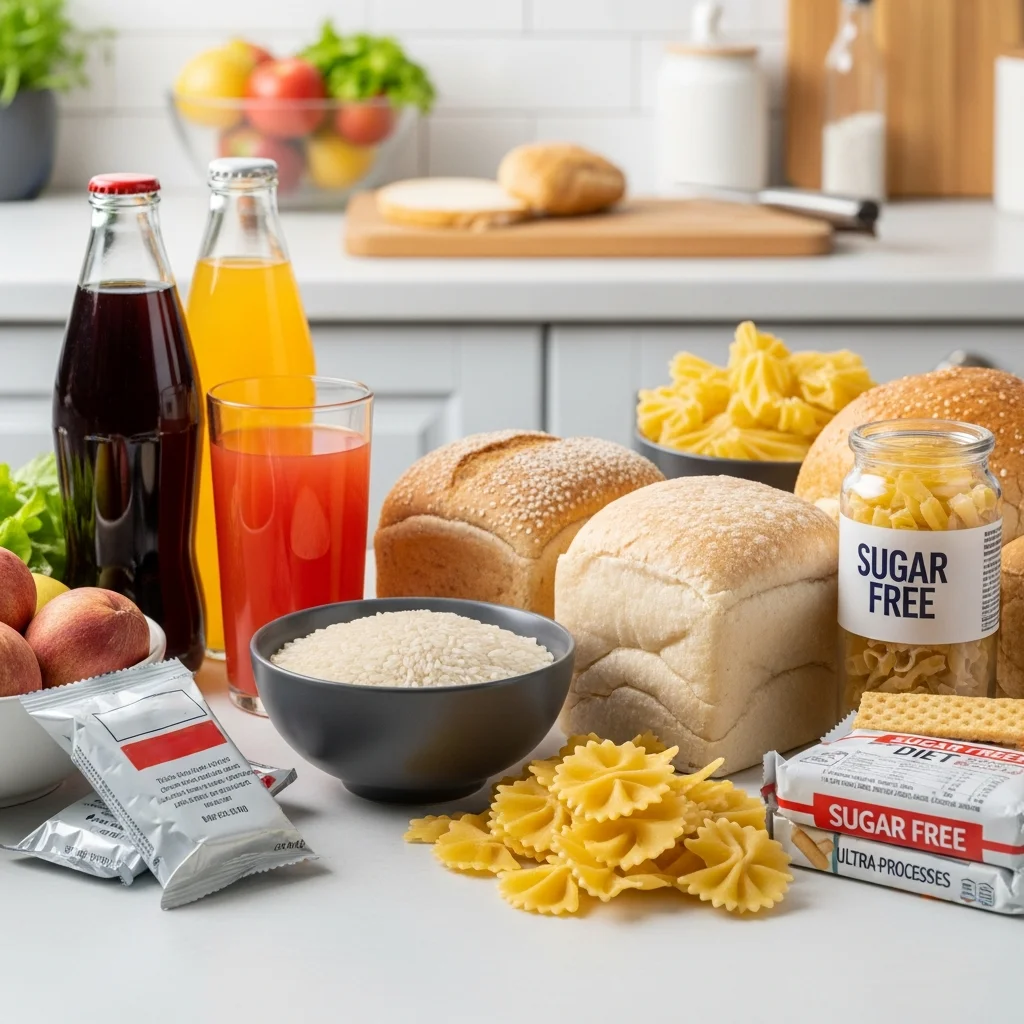
Just as important as what you include is what you exclude. Sugary drinks, including seemingly healthy fruit juices, must be avoided as they cause immediate, severe blood sugar spikes, per CDC.
Refined carbs, such as white bread, white rice, and traditional pasta, act similarly to pure sugar in the bloodstream.
Furthermore, ultra-processed foods, even those labeled “sugar-free” or “diet,” often contain inflammatory additives and unhealthy trans fats that actively worsen insulin resistance and stall weight loss, according to American Heart Association.
Common Mistakes in Diabetic Meal Prep
Even well-intentioned patients make structural errors. A frequent issue is overeating “healthy” carbs. Even though brown rice is better than white rice, a massive portion will still severely elevate your blood sugar, per Mayo Clinic.
Another common pitfall is skipping protein at breakfast. A breakfast consisting solely of fruit and oatmeal will likely leave you hungry and experiencing a glucose crash by 10:00 AM.
Lastly, poor portion control, particularly with calorie-dense healthy fats like nuts and olive oil, can easily halt your weight loss progress despite the foods being “diabetic-friendly,” according to Harvard Medical School.
Combining Meal Prep With Exercise
Nutrition is the fuel, but movement is the engine. Combining your structured meal prep with a consistent exercise routine creates a compounding effect on your health, per American Diabetes Association.
Physical activity acts as a powerful, natural insulin sensitizer. When your muscles contract, they burn circulating blood glucose for fuel, immediately lowering your levels without the need for extra medication, according to American Heart Association.
This combination massively enhances weight loss by preserving lean muscle mass while you shed body fat, actively supporting long-term, sustainable metabolic control.
Frequently Asked Questions
What is the ideal meal plan for people with diabetes?
The most effective plan focuses on high soluble fiber intake, adequate lean protein at every meal, and carefully controlled portions of low-glycemic carbohydrates to help prevent post-meal blood sugar spikes, per American Diabetes Association.
Does meal prep help with diabetes-friendly weight loss?
Yes, meal prep can be highly effective. It improves dietary consistency, helps control calorie intake, and reduces the temptation to rely on ultra-processed foods, according to NIH/NIDDK.
What are the easiest meals for people with type 2 diabetes?
Simple meals often include a grilled or baked lean protein like chicken or salmon, a large serving of non-starchy vegetables, and a small portion of complex whole grains, per Mayo Clinic.
How many meals should someone with diabetes eat per day?
This depends on the individual and their medication plan, but many people do well with three balanced meals per day plus one or two protein-rich snacks if needed, according to CDC.
Are 7-day diabetes meal plans actually effective?
Yes, a 7-day meal plan can be very effective because it helps build healthy shopping, cooking, and eating habits that become easier to maintain long term, per Harvard Medical School.
Conclusion
Successfully managing diabetes while pursuing weight loss doesn’t require perfection—it requires preparation. As this guide emphasizes, strategic meal prep transforms overwhelming daily decisions into a sustainable, blood sugar-friendly routine by prioritizing high-fiber foods, lean proteins, and low-glycemic carbohydrates through frameworks like the Plate Method, per American Diabetes Association.
By dedicating a few hours each week to batch-cooking, portioning meals, and stocking your kitchen with easy, affordable recipes—from sheet-pan dinners to make-ahead breakfasts—you eliminate the guesswork that often leads to impulsive, high-sugar choices, according to Mayo Clinic.
Whether starting with a simple 5-day plan or committing to a rotating 30-day menu, the consistent act of preparing balanced meals in advance stabilizes glucose levels, supports gradual weight loss, and reduces the mental load of metabolic management, per NIH/NIDDK.
Remember, meal prep is not about restriction; it’s about empowerment—giving you the tools to nourish your body intentionally, pair nutrition with movement for compounded benefits, and build lasting habits that protect your long-term health, one pre-portioned container at a time.
Medical References & Further Reading
- American Diabetes Association
- Centers for Disease Control and Prevention
- National Institute of Diabetes and Digestive and Kidney Diseases
- Diabetes Care Journal
- Mayo Clinic
- Harvard Medical School
- World Health Organization
- American Heart Association
- Academy of Nutrition and Dietetics
- U.S. Food and Drug Administration