Early Diabetes Symptoms: First Warning Signs in Women, Men, and Children

Early Diabetes Symptoms

Early diabetes symptoms include increased thirst, frequent urination, unexplained weight loss, fatigue, blurred vision, and slow-healing wounds. Some people may also notice tingling in the feet or increased hunger. Recognizing these early signs can help prevent complications and support timely diagnosis and treatment. Have you ever wondered about the early signs of becoming diabetic? You … Read more


Diabetes Care: Complete Guide to Management, Devices, Diet, and Expert Support

Diabetes Care

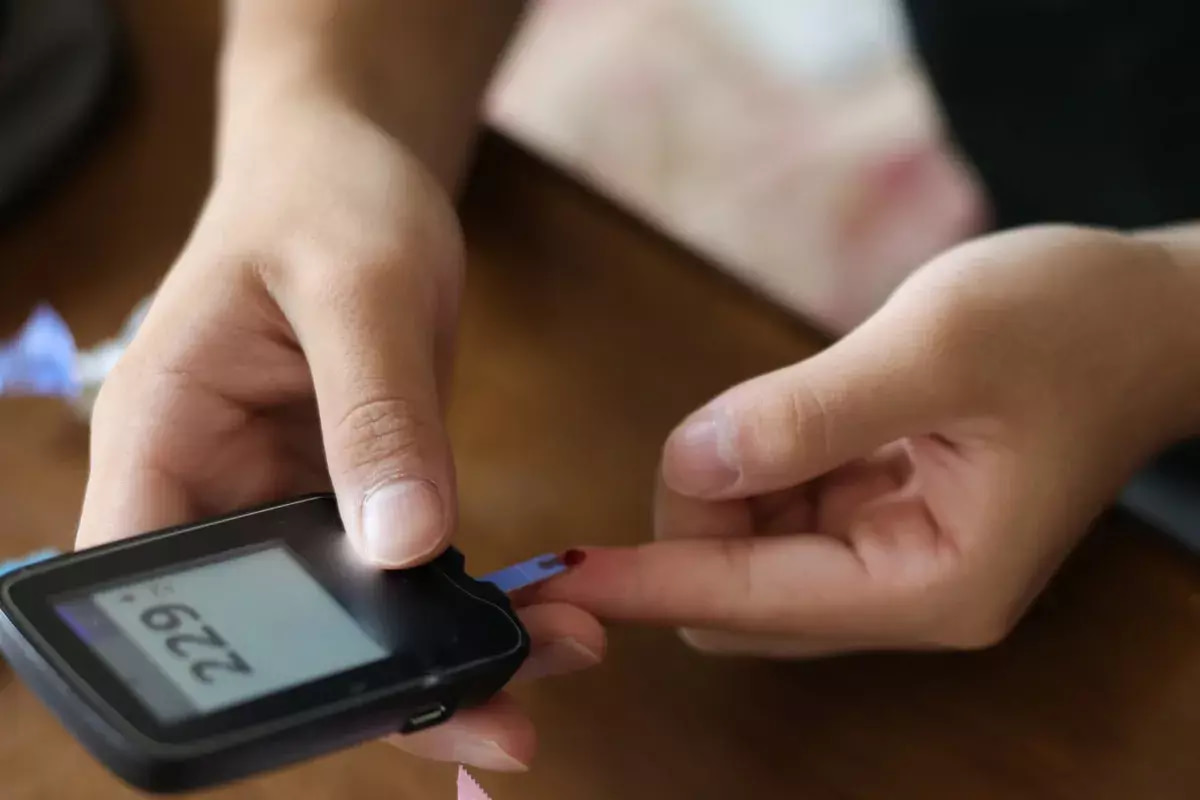
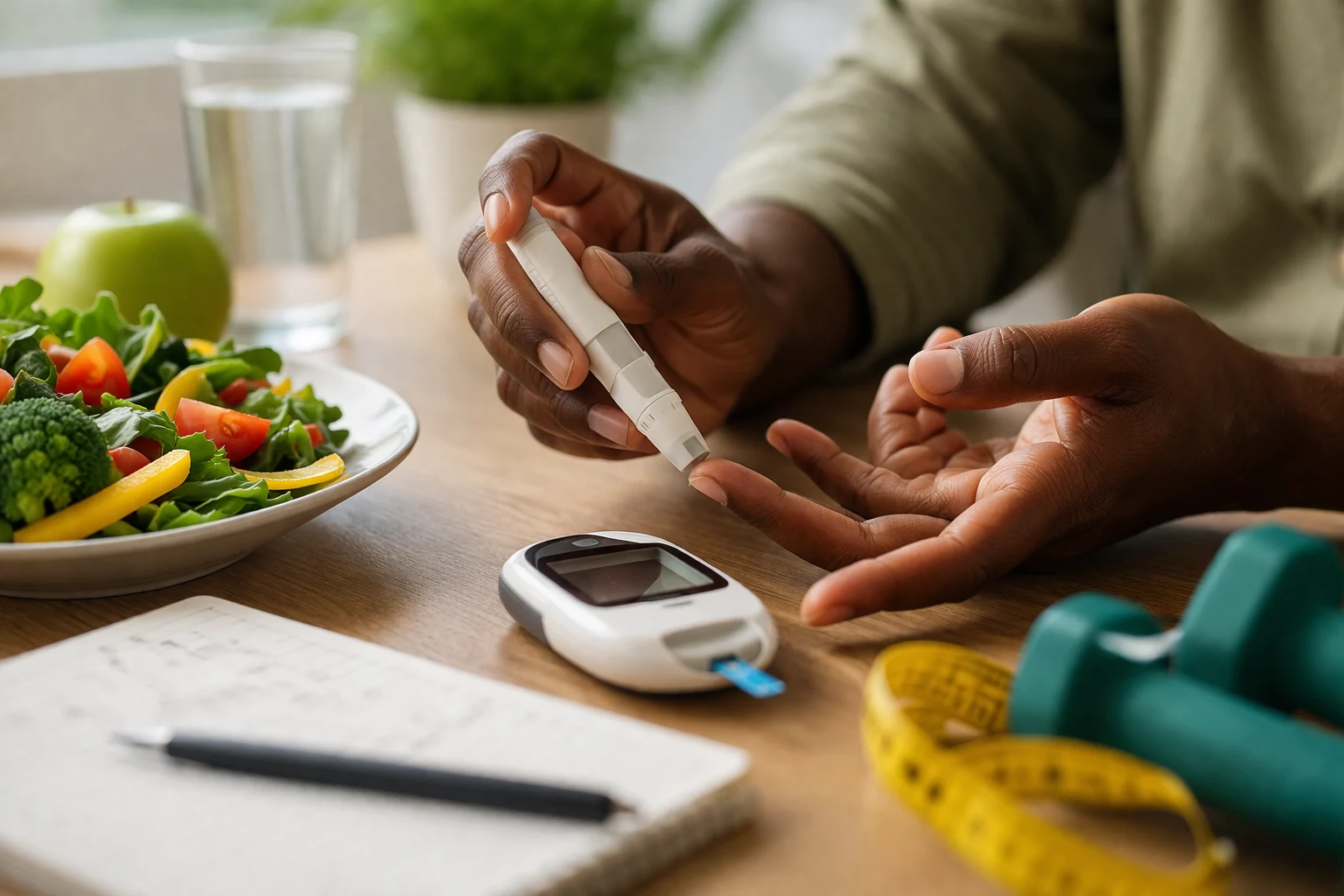
Diabetes care refers to the daily management of blood sugar through diet, medication, monitoring, and lifestyle changes. It includes regular glucose testing, foot care, medical checkups, and personalised treatment plans to prevent complications and improve long-term health outcomes. Understanding effective diabetes care is essential for anyone living with consistently elevated blood sugar level. Proper, proactive … Read more

Continuous Glucose Monitor (CGM): Best Devices, Cost, OTC Options & How It Works

Continuous Glucose Monitor

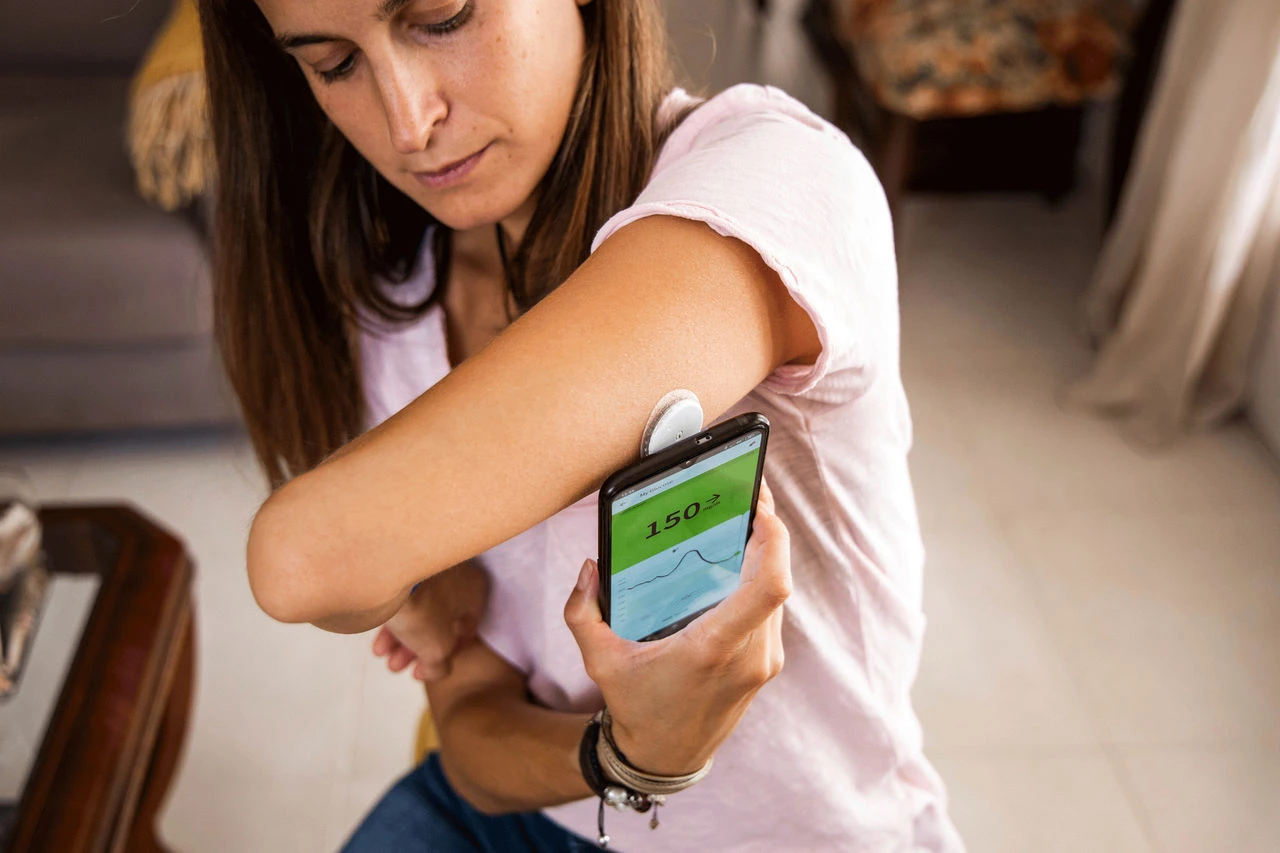
A continuous glucose monitor (CGM) is a wearable device that tracks blood sugar levels in real time throughout the day and night. It uses a small sensor inserted under the skin to measure glucose in interstitial fluid, acting as a blood sugar monitor without finger pricks to help users manage diabetes more effectively. The rising … Read more

Type 3 Diabetes Symptoms: Signs, Causes, Alzheimer’s Link & Treatment

Type 3 Diabetes Symptoms

The medical community is evolving in understanding Type 3 diabetes symptoms of metabolic health affecting the brain. For decades, we have understood the mechanics of blood sugar dysregulation in the body, but an emerging concept is drawing a direct line between insulin resistance and cognitive decline. If you or a loved one are experiencing unusual … Read more

Diabetes Symptoms in Men: Early Signs, Type 1 & Type 2 Warning Signals

Diabetes Symptoms Men

Men are notoriously resilient, often pushing through fatigue or minor physical changes without a second thought. However, when it involves metabolic health, “toughing it out” can be a dangerous strategy. Recognizing diabetes symptoms men experience early on is the single most effective way to prevent long-term complications like heart disease or nerve damage. In my … Read more

Blood Sugar Monitor Without Finger Pricks: How It Works, Best Devices, and Buying Guide

Blood Sugar Monitor Without Finger Pricks

A blood sugar monitor without finger pricks typically uses continuous glucose monitoring (CGM) technology to track glucose levels through a small sensor placed on the skin. These devices measure glucose in interstitial fluid and send real-time readings to a smartphone or reader, reducing or eliminating the need for fingerstick testing. For decades, the daily reality … Read more

Prediabetes A1C Range: ADA & CDC Guidelines, Charts, and How to Lower Your Levels

prediabetes a1c range

The prediabetes A1C range is 5.7% to 6.4%, according to ADA and CDC guidelines. An A1C below 5.7% is considered normal, while 6.5% or higher indicates diabetes. Monitoring A1C levels helps assess long-term blood sugar control and identify risk for developing type 2 diabetes. Understanding your prediabetes A1C level is one of the most critical … Read more

ICD-10 Code for Prediabetes: 2026 Updates, Coding Guidelines & Related Codes

icd 10 code for prediabetes

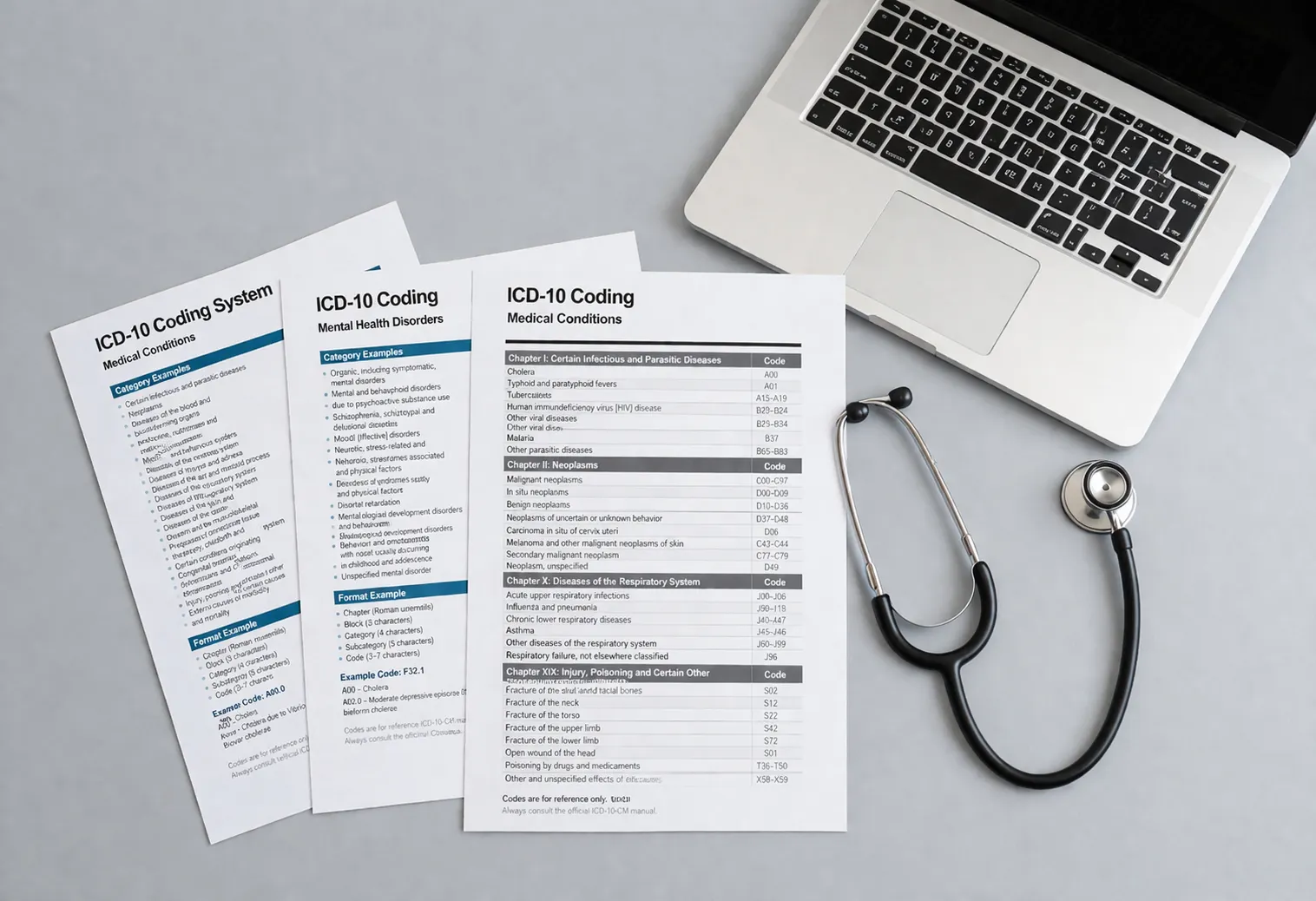
When you use the correct ICD-10 code for prediabetes, you ensure that insurance covers crucial lifestyle interventions, dietician visits, and lab tests. Understanding the nuances of these codes prevents revenue loss and ensures patients get the preventive care they desperately need. The ICD-10 code most commonly used for prediabetes is R73.03 (Prediabetes). It is classified … Read more

Prediabetes Range: A1C, Fasting Glucose, and Blood Sugar Levels Explained

Prediabetes Range

The prediabetes range is defined by blood sugar levels that are higher than normal but not yet diabetic. An A1C of 5.7% to 6.4%, fasting glucose of 100–125 mg/dL, or post-meal glucose of 140–199 mg/dL indicates prediabetes. Early lifestyle changes can help reverse this condition and prevent type 2 diabetes. Understanding what is the prediabetes … Read more