

If you’ve ever checked your glucose monitor and wondered, “What level of blood sugar is dangerous?”, you’re not alone. Millions of people—especially those managing prediabetes or diabetes—struggle to interpret fluctuating readings and understand when they become a serious concern.
This uncertainty can be stressful, particularly when it’s unclear if a number is harmless or a potential emergency. While many rely on general advice, managing blood sugar effectively requires a clear understanding of the body’s warning signs and risk thresholds.
Quick Answer: Dangerous Blood Sugar Thresholds
What level of blood sugar is dangerous? Here is the exact clinical breakdown for most adults:
- Dangerously low (hypoglycemia): <70 mg/dL
- Severely low (medical emergency): <54 mg/dL
- Dangerously high (hyperglycemia): >300 mg/dL
- Emergency level (critical risk): >400 mg/dL
These urgent thresholds apply to the vast majority of adults, including those managing both type 1 and type 2 diabetes. However, your specific target ranges may vary slightly based on age, health history, and your endocrinologist’s personalized treatment plan.
What Is a Dangerous Blood Sugar Level? A Clinical Deep Dive
To truly grasp the severity of these numbers, we must look at how glucose interacts with your vital organs. Dr. Robert Vance, a Board-Certified Endocrinologist with over twenty years of clinical experience, frequently treats patients in severe metabolic distress.
He emphasizes that glucose is the primary, essential fuel source for your entire body, particularly your brain and nervous system. When this fuel source fluctuates to extreme highs or devastating lows, your basic cellular function begins to rapidly break down.
Low Blood Sugar (Hypoglycemia)
Hypoglycemia occurs when there is far too much insulin in the bloodstream or not enough circulating glucose to fuel the body. So, what level of low blood sugar is dangerous? Clinically, any reading below 70 mg/dL is an official warning sign requiring immediate correction.
At this stage, your body triggers an acute stress response, releasing adrenaline to force stored glucose out of your liver. If the level plummets below 54 mg/dL, you have entered a state of severe, life-threatening clinical hypoglycemia.
Symptoms of Dangerously Low Blood Sugar:
- Uncontrollable physical shaking, tremors, or muscle weakness
- Profuse, cold sweating even in comfortable, cool environments
- Sudden mental confusion, brain fog, or an inability to speak clearly
- Rapid, pounding heartbeat (palpitations) and severe anxiety
- Dizziness leading to visual disturbances, fainting, or sudden collapse
Dr. Vance points out exactly why this rapid, sudden drop is so highly dangerous for the human body. Your brain cannot store its own glucose; it relies entirely on a continuous, second-by-second supply delivered straight from your bloodstream.
When that supply drops dangerously low, brain cells literally begin to starve and misfire almost immediately. If left entirely untreated, severe hypoglycemia can lead to violent seizures, a permanent comatose state, or even sudden death.
High Blood Sugar (Hyperglycemia)
On the exact opposite end of the spectrum is hyperglycemia, a dangerous condition where glucose builds up excessively in the bloodstream. What level of high blood sugar is dangerous?
While consistent readings over 180 mg/dL cause slow, long-term damage, immediate danger starts at higher levels. Endocrinologists consider any reading sitting between 250 and 300 mg/dL to be highly concerning and indicative of metabolic failure.
If your home monitor displays a reading of 400 mg/dL or higher, you are facing an active, critical medical emergency.
Symptoms of Dangerously High Blood Sugar:
- Excessive, unquenchable thirst (polydipsia) accompanied by dry mouth
- Frequent, high-volume urination (polyuria), particularly throughout the night
- Severe blurred vision or a sudden, terrifying inability to focus your eyes
- Crushing, whole-body fatigue, heavy limbs, and extreme lethargy
- Nausea, intense vomiting, or deep, unexplained abdominal pain
When glucose cannot successfully enter your cells due to a lack of insulin, it becomes trapped and physically thickens your blood. This creates two massive, life-threatening medical risks: Diabetic Ketoacidosis (DKA) and Hyperosmolar Hyperglycemic State (HHS).
DKA occurs when the starving body starts burning fat for fuel at an uncontrollable rate, flooding the blood with toxic acids called ketones. HHS occurs when extremely high glucose forces the body to flush massive amounts of water out through urine, causing profound, dangerous dehydration.
What Happens If Blood Sugar Is Too High?
Allowing your blood sugar to remain in these dangerous upper ranges triggers a rapid cascade of systemic failures throughout the entire body. First, the extreme, frequent urination leads to rapid cellular dehydration and a highly dangerous imbalance of critical electrolytes like potassium.
As your blood becomes highly acidic and viscous, it severely struggles to deliver vital oxygen, leading to acute organ damage. Without immediate intravenous fluids and medical insulin administered in a hospital setting, these conditions can swiftly progress to a fatal diabetic coma.
Are Low Blood Sugar Levels Dangerous?
Yes, they are exceptionally dangerous—often far more immediately life-threatening than a temporary, transient spike in high blood sugar. While high glucose typically takes hours or days to cause a comatose state, severe hypoglycemia can be fatal within mere minutes.
This biological risk is exponentially higher during sleep, as the patient cannot consciously recognize the physical warning symptoms and wake up to eat. It is also highly dangerous for older patients, whose aging brains are significantly more sensitive to sudden metabolic changes and energy deprivation.
Those actively taking prescription insulin or strong oral hypoglycemic drugs are always at the highest possible risk for sudden, severe drops.
Normal vs Dangerous Blood Sugar Levels Chart
Understanding the spectrum of glucose readings is essential for safe daily health management. The chart below provides a clear, objective comparison of safe zones versus critical danger zones. This blood sugar levels chart includes both standard US measurements (mg/dL) and international clinical standards (mmol/L).
| Category | mg/dL | mmol/L | Meaning |
| Normal (fasting) | 70–99 | 3.9–5.5 | Healthy, stable range |
| Prediabetes | 100–125 | 5.6–6.9 | Elevated baseline risk |
| Diabetes | ≥126 | ≥7.0 | Diagnostic threshold |
| Low (dangerous) | <70 | <3.9 | Clinical Hypoglycemia |
| Severe low | <54 | <3.0 | Immediate emergency risk |
| High (dangerous) | >300 | >16.7 | Severe Hyperglycemia |
| Severe high | >400 | >22.2 | Critical medical emergency |
Reviewing a normal blood sugar levels chart by age can offer additional context for daily targets, but these dangerous extremes apply universally. Whether you are measuring in mg/dL or looking for what level of blood sugar is dangerous, mmol/l, these boundaries remain standard worldwide.
Dangerous Blood Sugar Levels by Diabetes Type
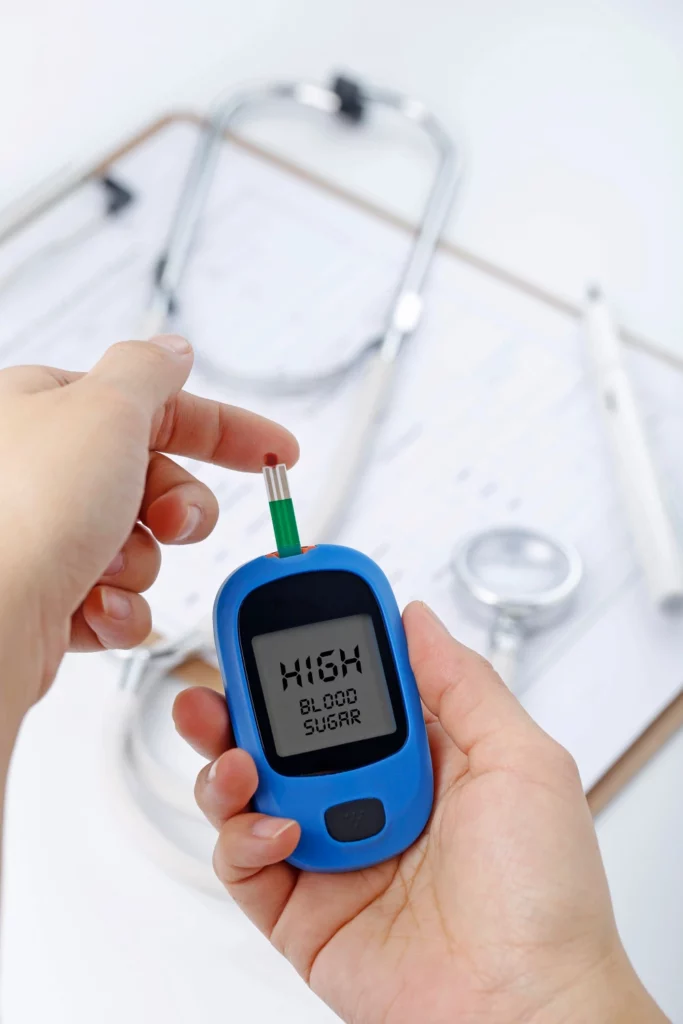
The exact numbers that trigger a medical emergency can shift dramatically depending on the specific metabolic disease a patient is fighting. Dr. Robert Vance notes that while the basic biological damage is similar, the timeline and primary risks differ vastly between Type 1 and Type 2 diabetes.
Understanding your specific disease profile is absolutely critical for recognizing when a slightly elevated number suddenly becomes a life-threatening crisis. Both types involve insulin dysfunction, but the fundamental mechanism of that dysfunction changes how the body handles extreme glucose overload.
Type 1 Diabetes Risk Factors
Type 1 diabetes is a severe autoimmune condition where the pancreas produces absolutely zero natural insulin to manage incoming carbohydrates. Because these patients rely entirely on external, injected insulin, they are at an exceptionally high risk for rapid, violent glucose spikes.
For a Type 1 diabetic, the dangerous threshold for high blood sugar begins much lower, typically crossing into the danger zone around 250 mg/dL.
Without any baseline insulin to keep metabolism stable, their bodies will rapidly begin breaking down fat for fuel, flooding the blood with acidic ketones. This rapid shift makes Type 1 patients highly susceptible to Diabetic Ketoacidosis (DKA), a condition that can escalate into a fatal coma within mere hours.
Dr. Vance warns his Type 1 patients to immediately check their urine for ketones anytime their monitor reads consistently over 250 mg/dL.
Type 2 Diabetes Risk Factors
Type 2 diabetes, conversely, is primarily characterized by insulin resistance, meaning the body produces insulin but fails to use it effectively. Because there is usually a small amount of circulating insulin present, it often prevents the rapid, explosive onset of DKA seen in Type 1 patients.
Therefore, the dangerous threshold for high blood sugar in Type 2 diabetics is generally considered to be higher, often strictly defined as 300 to 400 mg/dL.
However, this slightly higher tolerance comes with its own deeply insidious, slow-building, and deadly complication known as Hyperosmolar Hyperglycemic State (HHS). In HHS, the blood sugar creeps up over several days or weeks, forcing the kidneys to flush out massive amounts of water and essential electrolytes.
This leads to profound, life-threatening dehydration and thick, syrupy blood, which can easily trigger severe organ failure or a fatal stroke if ignored.
What Level of Blood Sugar Is Dangerous After Meals?
It is entirely normal for your glucose to temporarily spike immediately after eating a heavy, carbohydrate-rich meal. However, a healthy, functioning pancreas should quickly release enough insulin to push those numbers back down within two hours. For non-diabetics, a normal post-meal (postprandial) reading should stay comfortably below 140 mg/dL.
If your two-hour post-meal reading consistently sits between 140 and 199 mg/dL, endocrinologists classify this as clinical prediabetes or impaired glucose tolerance. However, the reading becomes actively dangerous and damaging to your blood vessels if it surges past 250 to 300 mg/dL after eating.
Consistent spikes into this dangerous upper range indicate a severe lack of insulin response and require immediate medical intervention to prevent long-term neuropathy.
Dangerous Fasting Blood Sugar Levels
Your fasting blood sugar is measured first thing in the morning, before you have consumed any food or caloric beverages for at least eight hours. This specific reading provides doctors with a vital baseline understanding of how your liver manages glucose while you sleep. A normal, healthy fasting glucose level should always fall tightly between 70 and 99 mg/dL.
A dangerously low fasting level drops below 70 mg/dL, indicating that your liver failed to release enough stored glycogen overnight to keep your brain fueled. Conversely, a dangerous fasting high for a diagnosed diabetic is considered anything consistently sitting above 130 mg/dL.
While 130 mg/dL is not an immediate emergency like 400 mg/dL, waking up daily at this level guarantees severe, progressive damage to your kidneys and eyes over time.
Global Units: mmol/L Conversion Guide
Depending on where you live or where your medical device was manufactured, your blood sugar monitor may use entirely different diagnostic metrics. In the United States, glucose is measured in milligrams per deciliter (mg/dL), but most of the world uses millimoles per liter (mmol/L).
If you are wondering what level of blood sugar is dangerous in mmol/l, or what level of blood sugar is dangerous UK/Australia, use this direct conversion guide.
| mg/dL (US Standard) | mmol/L (International) | Clinical Meaning |
| 70 | 3.9 | Borderline Hypoglycemia (Low) |
| 100 | 5.6 | Borderline Prediabetes (Elevated) |
| 180 | 10.0 | Maximum Safe Post-Meal Target |
| 300 | 16.7 | Dangerous Hyperglycemia (High Risk) |
| 400 | 22.2 | Critical Medical Emergency (Severe Risk) |
Is a blood sugar level of 400 Dangerous?
Patients frequently ask Dr. Vance if a sudden, unexpected monitor reading of 400 mg/dL is something they can simply sleep off or manage at home. His answer is an absolute, unequivocal no: a reading of 400 mg/dL is an immediate, life-threatening medical emergency. At this extreme concentration, your blood is actively becoming toxic to your brain, heart, and delicate renal system.
Allowing your blood sugar to remain at 400 mg/dL drastically increases your immediate risk of falling into an irreversible diabetic coma. This extreme elevation is most frequently linked to missed insulin doses, a severe underlying bacterial infection, or a catastrophic failure of a prescribed insulin pump.
You must immediately contact emergency medical services or visit the nearest hospital emergency room for intravenous hydration and medical-grade insulin stabilization.
How High Can Blood Sugar Go?
While 400 mg/dL is the threshold for an emergency, the human body can unfortunately sustain even higher, more devastating levels before completely shutting down. In severe cases of uncontrolled diabetes, particularly during an active HHS crisis, glucose levels can shockingly exceed 600 mg/dL or even 1,000 mg/dL.
At these astronomical levels, the blood becomes so incredibly thick and dehydrated that it can barely circulate through the body’s smaller capillaries. This extreme hyperosmolarity physically pulls water out of your brain cells, leading to catastrophic brain swelling, profound confusion, and uncontrollable seizures.
If a patient reaches these extreme, record-high numbers and does not receive immediate ICU intervention, the condition is almost universally fatal.
Recognizing the Warning Signs of Critical Glucose Levels
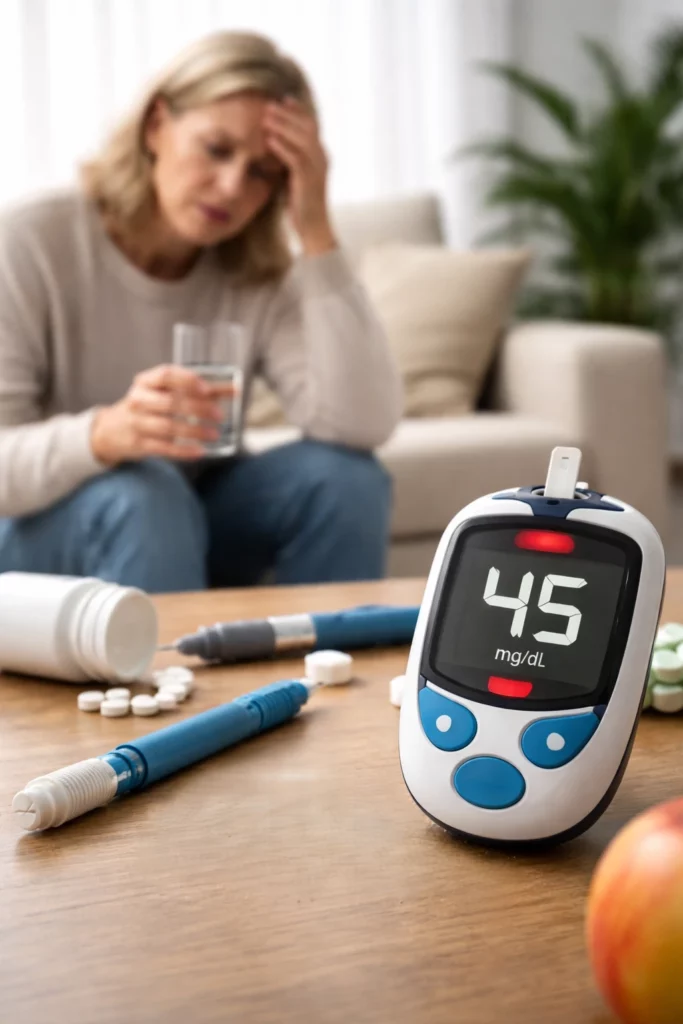
When your blood glucose begins rapidly approaching a dangerous threshold, your body will deploy a series of intense biological alarms. Recognizing these physical symptoms early is the absolute key to preventing a mild imbalance from escalating into a fatal medical crisis. Dr. Robert Vance trains his patients to actively listen to their bodies, as these symptoms often present themselves well before a monitor officially confirms the emergency.
Five Primary Indicators of Dangerous Hyperglycemia
When your blood sugar crosses the 300 mg/dL threshold, your blood becomes highly toxic and thick.
- Unquenchable Thirst: Your brain triggers a desperate, continuous need to drink water in an attempt to literally dilute the toxic sugar concentration in your bloodstream.
- Relentless Urination: Your kidneys go into extreme overdrive, attempting to physically flush the excess, sticky glucose out of your body through highly frequent urination.
- Severe Visual Distortion: The extremely high sugar concentration pulls vital fluid directly out of your eye lenses, causing sudden, terrifying blurred vision or an inability to focus.
- Crushing Cellular Fatigue: Because the glucose is trapped in the blood and cannot enter your cells without insulin, your muscles are literally starving, leading to profound weakness.
- Fruity-Smelling Breath: If you develop a distinct, sickly-sweet or nail-polish-like odor on your breath, your body is producing highly dangerous ketones, signaling impending Diabetic Ketoacidosis.
Five Primary Indicators of Dangerous Hypoglycemia
Conversely, a sudden drop below 70 mg/dL starves the central nervous system, triggering an immediate, violent adrenaline dump.
- Intense Dizziness and Vertigo: As the brain loses its primary fuel source, you will experience sudden, severe lightheadedness and an inability to maintain physical balance.
- Profuse, Cold Sweating: The massive surge of emergency adrenaline causes your skin to become clammy, pale, and covered in a sudden, cold sweat, even in a freezing room.
- Ravenous, Painful Hunger: Your stomach will cramp and signal a desperate, urgent need for carbohydrates as the body attempts to force you to consume fast-acting energy.
- Acute Mental Confusion: You may suddenly forget where you are, slur your speech, or become highly irritable and combative with loved ones trying to assist you.
- Uncontrollable Muscle Tremors: Your hands, legs, and core will begin to violently shake as your starving nervous system misfires and struggles to maintain basic motor control.
When to Seek Immediate Emergency Hospital Care
Managing chronic diabetes often means treating mild fluctuations at home, but there is a hard line where home care becomes dangerously negligent. You must never attempt to simply “sleep off” a severe high or stubbornly refuse to call for help during a severe low.
If your blood sugar monitor reads higher than 400 mg/dL or lower than 54 mg/dL, you are facing an active, life-threatening emergency.
Do not hesitate to immediately call local emergency services (like 911) if the patient exhibits any signs of slipping out of consciousness. If a diabetic patient suffers a violent seizure, becomes completely unresponsive, or cannot safely swallow liquid juice without choking, they require immediate intravenous intervention.
Attempting to force solid food or liquids into the mouth of a seizing or unconscious patient can easily cause fatal choking or aspiration pneumonia.
How to Stabilize Dangerous Blood Sugar Levels Immediately
When a glucose crisis strikes, the speed and accuracy of your response will dictate the medical outcome. Dr. Vance emphasizes that the treatment protocols for extreme highs and extreme lows are completely opposite, meaning an incorrect guess can be deadly. Always test your blood with a reliable monitor before blindly administering medication or consuming heavy carbohydrates.
Rapid Action for Severe Lows (The 15-15 Rule)
If your blood sugar drops below 70 mg/dL but you are still fully conscious and able to swallow safely, immediately execute the clinical “15-15 Rule.” First, consume exactly 15 grams of fast-acting, simple carbohydrates that require zero digestion to enter the bloodstream. Wait exactly 15 minutes in a seated, safe position, and then re-test your blood sugar using your home monitor.
If your reading remains stubbornly below 70 mg/dL after the first 15 minutes, consume another 15 grams of simple carbohydrates and repeat the process.
Once your numbers successfully cross back into the safe, normal range, you must immediately follow up with a complex carbohydrate and protein snack, like half a turkey sandwich. This vital follow-up step prevents your temporarily stabilized blood sugar from violently crashing back down an hour later.
Safe Protocols for High Blood Sugar Reduction
If your monitor reads a dangerously high number between 300 and 400 mg/dL, your immediate priority is flushing the excess glucose and lowering toxicity. Begin by drinking large, continuous amounts of plain water to aggressively rehydrate your starving cells and help your kidneys flush the sugar through urine.
If you are a prescribed insulin user, administer your medically calculated correction dose exactly as legally prescribed by your primary endocrinologist.
If your numbers are elevated but you are completely free of dangerous ketones, engaging in light, gentle cardiovascular activity, like a 20-minute walk, can help. Walking forces your active muscles to pull excess glucose directly out of the bloodstream for immediate energy, naturally lowering your numbers.
However, if you test positive for ketones, you must strictly avoid all exercise, as physical exertion will perversely force your liver to dump even more sugar into the blood.
Nutritional Strategies to Maintain Safe Glucose Zones
Your daily dietary choices act as the primary defense mechanism against terrifying trips to the emergency room. Building a stable, predictable nutritional routine prevents the violent spikes and crashes that destroy the delicate inner linings of your blood vessels.
Emergency Foods for Sudden Drops
Every diabetic must carry highly portable, fast-acting emergency rations in their car, purse, or gym bag at all times. The absolute best clinical options for the 15-15 rule include four chewable glucose tablets, four ounces of pure apple or grape juice, or one tablespoon of raw honey.
You should strictly avoid high-fat treats like chocolate bars or peanut butter cups during a low, as the heavy fat physically slows down stomach emptying and delays the life-saving glucose from reaching your brain.
Dietary Choices to Prevent Severe Spikes
To keep your daily post-meal numbers safely below the dangerous 180 mg/dL threshold, you must prioritize complex, slow-digesting nutrients. Focus your plates heavily on leafy, low-carb vegetables, high-quality lean proteins (like chicken or fish), and dense, fiber-rich legumes.
Dietary fiber is a diabetic’s greatest tool, as it physically slows the digestion of carbohydrates, ensuring a gentle, manageable trickle of glucose rather than a violent, overwhelming flood.
Normal Blood Sugar Levels Chart by Age
While the critical danger zones (<54 and >400) remain relatively static, your daily target ranges will shift as your metabolism naturally slows with age. Endocrinologists provide slightly wider target brackets for older patients to prevent the severe, fatal risks of nocturnal hypoglycemia.
| Age Group | Fasting Range (mg/dL) | Post-Meal Maximum (mg/dL) |
| Children (Under 6) | 80–130 | Up to 180 |
| Children (6–12) | 80–130 | Up to 180 |
| Teens (13–19) | 70–130 | Up to 180 |
| Adults (20+) | 70–99 | Under 140 |
| Older Adults (65+) | 90–130 | Under 180 |
(Note: Older adults are often given a slightly higher fasting baseline because a sudden hypoglycemic drop can easily cause devastating, bone-breaking falls or trigger severe cardiac arrhythmias in aging hearts.)
Frequently Asked Questions
What is a dangerous blood sugar level?
Your blood sugar is officially considered dangerous when it drops critically below 70 mg/dL or violently spikes above the 300 mg/dL threshold.
What level of blood sugar is dangerously low?
Any reading actively dropping below 54 mg/dL is classified as severe, life-threatening clinical hypoglycemia requiring immediate, aggressive emergency intervention.
What is a dangerously high blood sugar level?
While 250 mg/dL causes slow damage, any reading exceeding 400 mg/dL is a profound medical emergency carrying an extreme risk of a fatal diabetic coma.
How do I bring my blood sugar down quickly?
You can safely lower high blood sugar by aggressively hydrating with water, administering your prescribed medical insulin, and engaging in light walking if ketones are not present.
What is the highest you should let your blood sugar go?
To prevent long-term arterial and nerve damage, your absolute maximum peak should ideally remain strictly below 180 mg/dL two hours after eating a heavy meal.
The Expert Conclusion
Understanding and respecting dangerous blood sugar levels is not just about general wellness; it is a critical, life-saving survival skill. Dr. Robert Vance stresses that while occasional, minor fluctuations are an unavoidable reality of human biology, extreme numbers demand intense respect.
If your monitor flashes a number below 70 mg/dL, you must act instantly with fast-acting carbohydrates to protect your starving brain. If your reading breaches 300 mg/dL, you must actively monitor for ketones and hydrate aggressively to protect your failing kidneys.
The Ultimate Takeaway: Never attempt to bravely guess your way through a severe metabolic crisis. The key to surviving diabetes is early, accurate recognition and fast, decisive medical action before the numbers spiral completely out of your control.