

Diabetes is a complex metabolic condition, but elevated blood sugar itself is not always the immediate cause of the most serious health problems. The greater risk comes from what happens when glucose levels remain consistently high over time. That is why understanding what diabetes complications are is an essential first step in protecting long-term health.
When blood sugar is not well controlled, it can gradually affect nearly every system in the body. These complications can range from mild but persistent symptoms, such as tingling or numbness in the hands and feet, to more serious conditions involving the heart, kidneys, eyes, and blood vessels.
Whether someone is living with type 1 or type 2 diabetes, the underlying process is similar. Excess glucose in the bloodstream can damage blood vessel walls and interfere with normal circulation. Over time, this can reduce oxygen and nutrient delivery to vital organs, leading to progressive deterioration if not properly managed.
As a practicing endocrinologist, I, Dr. David T. Broome, have seen how unmanaged diabetes can significantly impact quality of life. Many of these complications develop silently, often without noticeable symptoms in the early stages, which makes regular monitoring and prevention even more important.
However, understanding diabetes-related complications in clear, practical terms can be empowering rather than frightening. Once patients recognize the risks, they are often more motivated to make meaningful changes in their daily habits, including diet, exercise, medication adherence, and routine checkups.
In this guide, we will break down the major types of diabetes complications, early warning signs to watch for, and evidence-based strategies to help reduce risk. The goal is to provide clarity, support informed decisions, and help you take proactive steps toward protecting your long-term health and well-being.
What Are Diabetes Complications?
When newly diagnosed patients ask me, “What are diabetes complications?” I explain them as the collateral damage of chronic high blood sugar. They are secondary diseases and conditions that develop as a direct result of uncontrolled glucose levels. These issues rarely happen overnight; they are the result of months or years of vascular and cellular stress.
So, what complications can diabetes cause? We generally divide them into two main categories: acute and chronic. Acute complications are immediate medical emergencies that happen suddenly, often due to a rapid spike or a severe crash in blood sugar. Chronic complications develop silently over years, gradually impairing your organ function.
If you want to know what the complications of diabetes are on a biological level, it all comes down to blood flow. High glucose thickens the blood and damages the fragile inner lining of your capillaries. This starves your organs of oxygen and essential nutrients, eventually leading to long-term systemic failure.
Types of Diabetes Complications
Understanding the different categories of risk is vital for effective, day-to-day diabetes management. We categorize these conditions based on how quickly they develop and which bodily systems they primarily impact.
Acute (Short-Term) Complications
Acute complications require immediate, emergency medical intervention. Diabetic ketoacidosis (DKA) is a life-threatening condition where the body, lacking insulin, burns fat for fuel rapidly, turning the blood acidic.
Hyperglycemia (dangerously high blood sugar) can lead to severe dehydration and diabetic coma. Conversely, hypoglycemia (dangerously low blood sugar), often from over-medication, can cause seizures or loss of consciousness within minutes.
Chronic (Long-Term) Complications
When we discuss long-term diabetes complications, we are looking at the cumulative damage of uncontrolled glucose over decades. These are the uncontrolled diabetes complications that silently erode your quality of life.
The most common complications of diabetes fall into this category. They include diabetic neuropathy (nerve damage), nephropathy (kidney disease), retinopathy (eye damage), and severe, progressive cardiovascular disease.
Type-Specific Diabetes Complications
While high blood sugar is the universal culprit, the specific risks and timelines can vary significantly depending on the root cause of your metabolic dysfunction.
Type 1 Diabetes Complications
Type 1 diabetes complications are heavily tied to the complete autoimmune destruction of the pancreas. Because these patients rely entirely on synthetic insulin, they face a significantly higher daily risk of acute DKA and severe hypoglycemia. Additionally, the autoimmune nature of type 1 can sometimes trigger other autoimmune conditions, compounding the diabetes complications type 1 patients face over their lifetime.
Type 2 Diabetes Complications
Type 2 diabetes complications are deeply intertwined with insulin resistance, high blood pressure, and elevated cholesterol (metabolic syndrome). This combination creates a perfect storm for vascular damage.
The diabetes complications type 2 patients experience are overwhelmingly cardiovascular, drastically increasing the risk of heart attacks. Furthermore, the type 2 diabetes complications timeline can be deceptive; organ damage often begins during the prediabetes phase, years before a formal diagnosis.
Gestational Diabetes Complications
Gestational diabetes complications affect both the expecting mother and the developing baby. For the baby, excess sugar crossing the placenta can lead to macrosomia (excessive birth weight) and dangerous drops in blood sugar right after delivery. For the mother, it increases the risk of preeclampsia and greatly raises the likelihood of developing permanent type 2 diabetes later in life.
Diabetes Complications List
If you are wondering what the complications of diabetes are, having a clear, concise checklist can help you monitor your health and prepare for doctor visits. Here is a comprehensive list of diabetes complications:
- Cardiovascular disease (heart attacks and angina)
- Cerebrovascular disease (strokes)
- Diabetic neuropathy (nerve damage and chronic pain)
- Diabetic nephropathy (kidney failure requiring dialysis)
- Diabetic retinopathy (vision loss and blindness)
- Foot ulcers and slow-healing wounds
- Lower extremity amputation
- Periodontal (severe gum) disease
What Are the 5 Major Complications of Diabetes?
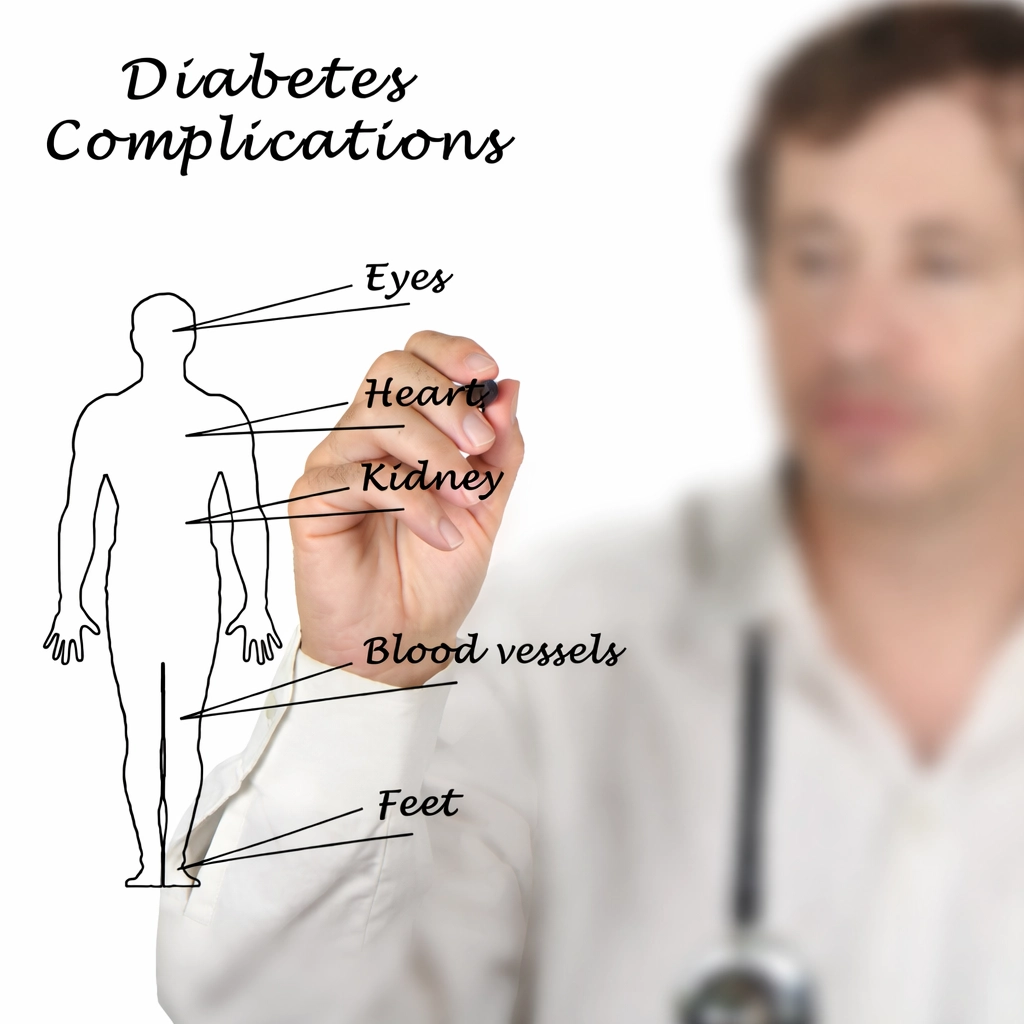
While the list of potential risks is extensive, clinical endocrinologists generally focus heavily on the most severe and life-altering conditions. If you are researching what are 5 major complications of diabetes, these are the critical areas of concern:
- Heart Disease: This remains the leading cause of mortality among diabetic patients globally.
- Kidney Failure: Diabetes is the number one cause of end-stage renal disease.
- Vision Loss: Damage to the microscopic blood vessels in the retina is the leading cause of adult blindness.
- Nerve Damage: Severe neuropathy causes debilitating chronic pain, numbness, and severe digestive issues.
- Stroke: Diabetic patients face a severely increased risk due to damaged, hardened brain arteries.
Understanding what the five major complications of diabetes are absolutely crucial for prioritizing your preventative screening appointments with specialists.
How Does Diabetes Affect the Body?
To truly grasp diabetes complications, you must look at the body as an interconnected system. How does diabetes affect the body? It systematically targets the organs that rely on the smallest, most fragile networks of blood vessels.
In the brain, restricted blood flow increases the risk of stroke and long-term cognitive decline. In the eyes, high sugar causes the vessels in the retina to swell, leak fluid, and eventually scar over, destroying your vision. The heart suffers immensely as large arteries harden with plaque, drastically restricting blood flow to the heart muscle itself.
The kidneys act as your body’s vital filtration system; diabetes destroys these delicate filters, causing protein to leak into your urine and toxic waste to build up in your blood. Finally, the nerves—especially in your feet and legs—die off because their microscopic blood supply is choked off, leading to complete numbness and a high risk of severe infections.
Timeline of Diabetes Complications (Progression)
The type 2 diabetes complications timeline is not a sudden cliff; it is a gradual slope. The progression generally follows a predictable pattern, beginning with microscopic damage and ending with systemic failure if left unchecked. Understanding these stages allows for timely medical intervention.
In the early stage, damage often occurs silently. During this phase, which includes prediabetes, patients may experience mild symptoms like increased thirst or slight fatigue. However, elevated glucose is already beginning to stress the endothelial cells lining the blood vessels.
During the mid-stage, organ stress becomes clinically measurable. This is when doctors detect early signs of long-term complications of diabetes, such as trace amounts of protein in the urine or early background retinopathy in the eyes. At this point, aggressive blood sugar and blood pressure control can halt or even reverse the progression.
In the late stage, severe complications manifest as major medical events. Microvascular damage has progressed to macrovascular blockage. Patients in this stage frequently suffer from severe neuropathic pain, require laser eye surgery to prevent blindness, or experience major cardiovascular events.
Warning Signs & Symptoms of Diabetes Complications
Your body will constantly send you signals when your glucose is consistently out of range. Recognizing diabetes complication symptoms early is your best defense against irreversible damage. Do not ignore minor changes in your daily physical comfort.
What are the 10 warning signs of diabetes and its complications? While the list is extensive, you should immediately report the following to your doctor: chronic fatigue, blurred vision, numbness or a “pins and needles” sensation in your feet, slow-healing cuts, and frequent yeast infections.
More severe warning signs indicating advanced cardiovascular or kidney stress include unexpected chest pain, shortness of breath, severe swelling in the ankles and legs, or a sudden, unexplained loss of vision. These are medical emergencies requiring immediate specialist care.
Can Diabetes Cause Death?
Patients often ask me a very direct and frightening question in my clinic: Can diabetes kill you? The honest answer is yes. However, it is rarely the elevated blood sugar itself that is fatal. Instead, death from diabetes complications is the tragic reality for millions of unmanaged patients worldwide.
How do people die from complications of diabetes? The overwhelming majority succumb to cardiovascular events. Hardened, plaque-filled arteries lead directly to massive, fatal heart attacks or severe strokes. Because diabetes damages nerves, patients sometimes suffer “silent” heart attacks, lacking the typical warning chest pain.
If you are researching what complications from diabetes cause death, end-stage kidney failure is the second leading cause. When the kidneys completely shut down, toxic waste floods the bloodstream. Without immediate, life-sustaining dialysis or a kidney transplant, this condition is fatal.
Infographics, Charts & Visual Explanation
Sometimes, medical jargon is difficult to digest. I always encourage my newly diagnosed patients to study a visual diabetes complications diagram to truly understand how the disease impacts the entire body. Visual learning bridges the gap between fear and understanding.
Reviewing a comprehensive diabetes complications chart can help you track exactly which organs need annual specialist checkups. For instance, seeing a visual representation of a diabetic foot ulcer reinforces the absolute necessity of daily foot inspections.
How Technology Helps Prevent Diabetes Complications
We are currently living in a golden age of medical technology. How can tech help prevent diabetes complications? By removing the guesswork from daily management. The advent of continuous glucose monitors (CGMs) has revolutionized preventative care.
Instead of relying on painful finger pricks two or three times a day, a CGM provides a real-time blood sugar reading every five minutes. This allows patients to see impending high or low glucose trends and correct them before vascular damage occurs.
Furthermore, advanced insulin pumps now use AI algorithms to create “closed-loop” systems. These devices communicate directly with the CGM to automatically adjust insulin delivery while you sleep, vastly improving your time-in-range and protecting your organs from nighttime glucose spikes.
Latest News & Research on Diabetes Complications
Staying informed on medical breakthroughs can provide immense hope. If you follow any major diabetes complications journal, you will notice a massive shift toward medications that do more than just lower blood sugar.
Recent diabetes complication news heavily features the success of GLP-1 and SGLT2 inhibitor medications. These drugs have proven clinical success in not only managing glucose but also actively protecting the heart from failure and shielding the kidneys from further decline.
Furthermore, research is advancing in early detection tools. New AI-driven retinal scans can now detect microscopic signs of eye damage years before traditional methods, allowing for preventative treatments that completely eliminate the risk of diabetic blindness.
Prevention: How to Avoid Diabetes Complications

The most important takeaway from this guide is that severe organ damage is not inevitable. According to global health authorities like the WHO and the CDC’s diabetes complications initiatives, up to 80% of severe complications can be delayed or prevented.
The cornerstone of prevention is relentless blood sugar control. Maintaining an A1C below 7.0% drastically reduces your risk of nerve and vascular damage. This requires a dedicated approach to a low-glycemic, high-fiber diet and at least 150 minutes of cardiovascular exercise per week.
Prevention also relies on a strict medical schedule. You must commit to annual dilated eye exams, regular kidney function blood tests, daily foot inspections, and aggressive management of your blood pressure and cholesterol levels to protect your heart.
Diabetes vs Other Conditions
To fully understand your risk profile, you must see how diabetes interacts with other chronic diseases. The most dangerous combination is diabetes and high blood pressure. When comparing hypertension complications to diabetic complications, the overlap is striking.
Both conditions independently destroy the inner lining of your blood vessels. When you have both, the damage is multiplicative, not just additive. Hypertension forces the heart to pump harder against hardened, sugar-damaged arteries, accelerating the path toward a stroke or heart failure.
FAQs
What are the complications of diabetes mellitus?
Chronic high blood sugar can damage vital organs over time. Complications include heart disease, stroke, kidney failure, vision loss, and nerve damage. Poor circulation may lead to foot problems or amputations. The good news?
Consistent management dramatically lowers these risks. Small daily choices—balanced meals, movement, medication adherence—protect your long-term health. You’re not powerless. Proactive care makes a profound difference.
What are the different types of diabetic complications?
Diabetes complications fall into two categories. Acute issues happen fast: severe lows, ketoacidosis, or hyperosmolar crises. These need immediate care. Chronic complications develop slowly: nerve damage, eye disease, kidney problems, or heart conditions.
Both types are serious—but preventable. Regular monitoring, consistent glucose control, and routine checkups catch issues early. Knowledge plus action equals protection. Your care team helps you stay ahead.
Can diabetes cause nerve damage?
Yes—high blood sugar can injure nerves, a condition called diabetic neuropathy. Damaged blood vessels starve nerves of oxygen. Symptoms include tingling, numbness, burning pain, or loss of sensation, especially in feet.
This raises infection or injury risks. Protect your nerves: keep glucose steady, check feet daily, and wear proper footwear. Early action prevents worsening. Talk with your provider about screening and pain management options.
What happens after a type 2 diabetes diagnosis?
A type 2 diagnosis isn’t a life sentence—it’s a call to action. Your care team will help you create a personalized plan: balanced nutrition, regular movement, and possibly medication. You’ll learn to monitor glucose and recognize warning signs.
Small, consistent steps matter most. Many people thrive after diagnosis by building sustainable habits. You’re not alone. Support, education, and compassion guide your journey forward.
What is the most common chronic complication of diabetes?
Diabetic neuropathy—nerve damage—is the most frequent chronic complication. Over half of people with diabetes experience it over time. It often starts in the feet: tingling, numbness, or pain. Loss of sensation raises injury risks.
Prevention is powerful: steady glucose control, daily foot checks, and proper footwear make a difference. If you notice changes, tell your provider early. Timely care protects mobility and quality of life.
Conclusion
Receiving a diabetes diagnosis is undeniably daunting, but it does not have to dictate your future. As we have explored in this guide, while the list of potential diabetes complications is severe, the power to prevent them rests largely in your daily habits and medical choices.
By understanding the timeline of the disease, recognizing the early warning signs, and utilizing modern technology like CGMs, you can stop microvascular damage in its tracks. Do not let fear paralyze you; let it motivate you to take immediate, proactive steps.
Your next best step is to schedule a comprehensive review with your endocrinologist. Discuss your current A1C, review your heart health, and map out a personalized prevention strategy.