
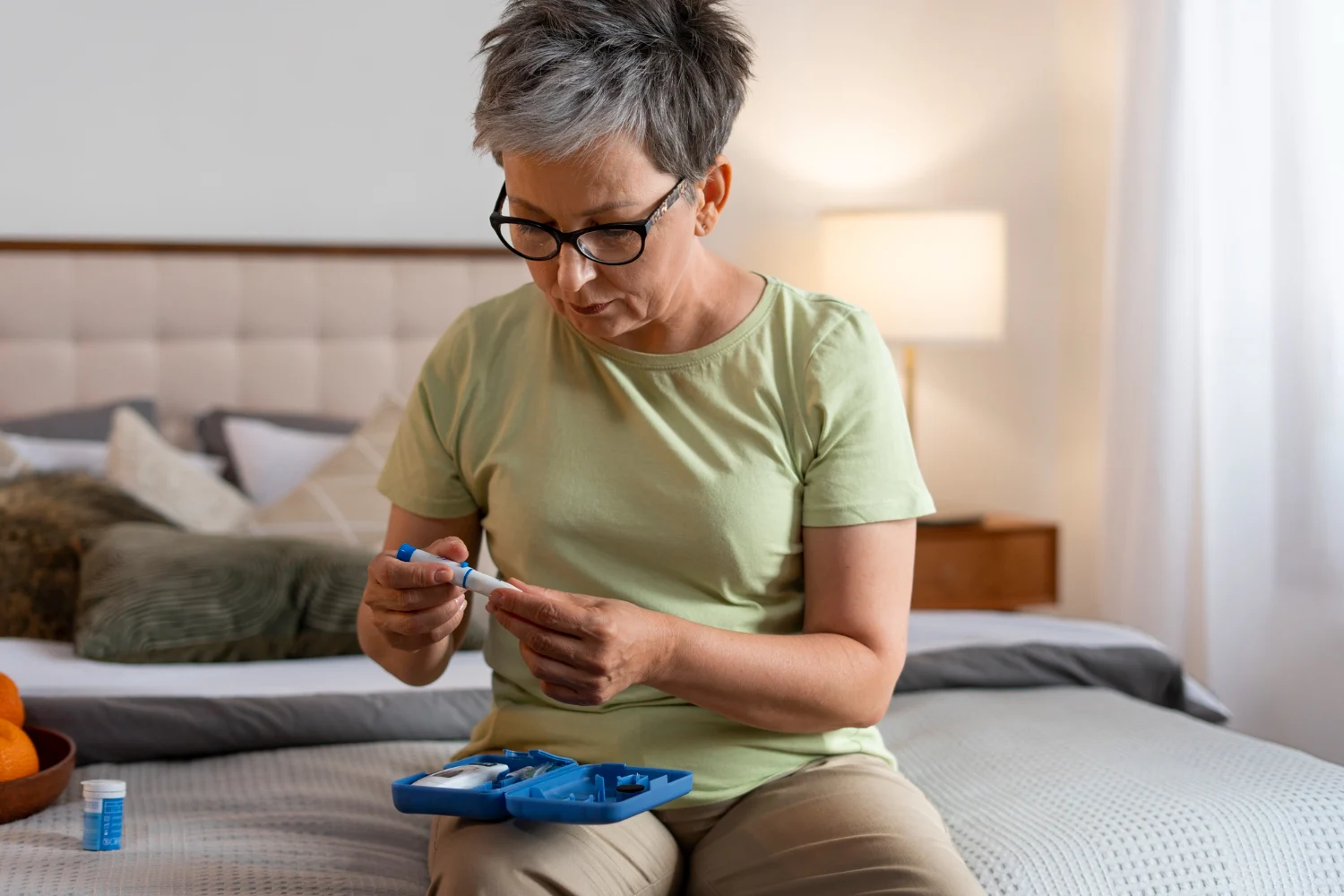
Have you ever wondered how your daily habits dictate your metabolic health? In my years running a busy clinic, I have seen so many patients feel overwhelmed by a new diagnosis. They think their genetics have sealed their fate forever upon learning what is diabetes. But that is not true at all. Building a structured diabetes lifestyle is the best tool you have for reclaiming your health.
Adapting to a healthy diabetes lifestyle probably seems like an impossible mountain to climb right now. I see anxious patients struggling with these exact fears every single day. They constantly worry about giving up their absolute favorite meals forever.
However, managing your daily blood sugar definitely does not mean living in constant misery. So, what if you could easily regain your lost energy without feeling starved? Furthermore, small, completely painless daily habits actually make the biggest medical difference. You simply need a totally practical, highly effective daily nutritional roadmap.
In fact, mastering your daily routine effectively prevents those sudden, dangerous glucose spikes. Therefore, we are going to break down the absolute most essential daily habits right now. Are you finally ready to take permanent control of your personal health today? Let us dive into these genuinely life-changing tips together!
Centers for Disease Control and Prevention — Steps to Help You Stay Healthy With Diabetes
TL;DR: Quick Overview
- A solid diabetes lifestyle focuses on structured daily habits. This includes balanced nutrition, regular physical activity, and active stress management.
- Consistent diabetes lifestyle changes improve blood sugar control. They also reduce long-term medical complications over time.
- Working with a certified diabetes lifestyle coach gives you behavioral support. This helps you build sustainable weight management habits.
- Integrating modern medical treatments with daily lifestyle adjustments yields the best clinical outcomes.
What Is a Diabetes Lifestyle?
A diabetes lifestyle refers to the everyday behaviors and structured routines you use to control your blood glucose. It is an intentional way of living that puts your metabolic health first. You learn to choose long-term wellness over quick conveniences.
Creating a lifestyle for diabetic patients means you must monitor how food, sleep, and stress interact. You cannot rely on prescription medication alone to fix a poor dietary foundation. The medicine needs a healthy body to work well. Good diabetes lifestyle management requires a proactive approach to your daily schedule. You need to build robust habits that support your body’s unique metabolic needs around the clock.
Why Lifestyle Matters in Diabetes
Your daily habits alter how your cellular receptors respond to circulating insulin. According to the Centers for Disease Control and Prevention, poor dietary choices increase dangerous cellular insulin resistance.
When you eat refined sugars, your pancreas must work much harder to maintain balance. Because of this extra effort, your delicate pancreatic cells eventually burn out and stop functioning right.
Mayo Clinic — Diabetes management: How lifestyle, daily routine affect blood sugar
Adopting healthy habits improves your baseline insulin sensitivity at a microscopic level. As a result, your cells absorb glucose better, stabilizing your overall glucose metabolism throughout the day to help maintain normal blood sugar levels. It also lowers your long-term cardiovascular risk profile.
Core Diabetes Lifestyle Changes

To achieve better metabolic health, you must implement strong diabetes lifestyle changes. First of all, nutrition control remains the cornerstone of any good metabolic plan. You should adopt a low-glycemic diet that prioritizes complex carbohydrates, lean proteins, and healthy fats.
You also need to avoid processed foods that cause sudden blood sugar spikes after meals. These necessary diabetes lifestyle modifications require a commitment to regular physical activity. Guidelines suggest getting at least 150 minutes of moderate aerobic exercise every week.
You should add resistance training to build healthy muscle tissue, which acts as a glucose sink. Muscles burn excess sugar from your bloodstream, making exercise one of the best lifestyle changes to manage diabetes. Furthermore, prioritizing deep sleep is non-negotiable for this healing process.
Lifestyle Changes for Type 2 Diabetes
Managing this condition requires a focus on reversing cellular insulin resistance. For anyone wondering what is type 2 diabetes, effective lifestyle management starts with carbohydrate consistency throughout your day. You must control your daily portion sizes to avoid overwhelming your digestive system.
Eating smaller, balanced meals keeps your energy levels stable from morning until night. Another great clinical tactic is taking a brisk walk after your largest meals.
National Library of Medicine — Lifestyle Changes After a Diagnosis of Type 2 Diabetes
These lifestyle changes for diabetes type 2 pull glucose out of your blood without needing extra synthetic insulin. A successful type 2 diabetes lifestyle demands discipline and a willingness to adjust your lifelong habits.
Lifestyle Factors in Type 1 Diabetes
Unlike Type 2, understanding what is type 1 diabetes means realizing this autoimmune condition requires you to act as your own pancreas every day. Lifestyle changes for diabetes type 1 revolve around accurate insulin timing and carbohydrate matching. You must plan your exercise routines to prevent sudden drops in your blood sugar.
Exercise increases your insulin sensitivity, meaning you often need less medication on active days. Failing to adjust your insulin doses is a major type 1 diabetes lifestyle risk.
I always teach my patients to carry fast-acting glucose tablets during any physical activity. This helps you prevent unexpected hypoglycemia and stay safe while working out.
Medical and Lifestyle Integration
Modern medicine offers incredible tools to help you manage your complex metabolic health. But you must pair these medications with robust habits to achieve lasting success. Drugs like semaglutide provide massive benefits by regulating your appetite and slowing gastric emptying.
Relying solely on a weekly injection will never fix a sugar-heavy diet. You must implement strong semaglutide type 2 diabetes lifestyle changes to maximize the drug’s true value.
The medication makes it easier to stick to your healthy eating plan without severe cravings. Pharmaceutical tools serve as a bridge, while your daily habits build the foundation for long-term healing.
Centers for Disease Control and Prevention — Steps to Help You Stay Healthy With Diabetes
Pre-Diabetes Lifestyle Changes
If your doctor warns you about elevated fasting glucose, you must take action right away. Implementing lifestyle changes for prediabetes can stop the disease from developing in your body. Your primary prevention focus must be achieving a safe body weight reduction of five to ten percent.
In addition, you need to increase your daily dietary fiber intake to slow down intestinal sugar absorption. I tell my borderline patients that they possess a critical window of opportunity.
By increasing your daily physical activity today, you can protect your pancreas for the rest of your life.
Diabetes Effects on Lifestyle
Receiving a chronic metabolic diagnosis alters your normal reality almost overnight. The immediate diabetes effects on lifestyle usually involve sudden dietary restrictions and daily schedule changes. Changing life with diabetes forces you to monitor your body instead of just living on autopilot.
You must pack medical supplies, plan meals ahead of time, and worry about unexpected glucose crashes. This constant vigilance often causes emotional stress and burnout for many newly diagnosed patients.
Recognizing this emotional toll is the first step toward building a sustainable coping strategy. You need a solid support system to navigate these massive daily shifts.
Diabetes Lifestyle Tips
Navigating your new routine requires practical strategies that you can maintain forever. One of the best diabetes lifestyle tips is to pair your starchy carbohydrates with a lean protein source. You can also explore popular strategies, like evaluating Nutririse diabetes lifestyle tips for basic nutritional support.
Remember that supplements never replace whole foods, but they can fill minor dietary nutrient gaps. Similarly, some patients review MD Nutrition’s diabetes lifestyle tips to understand how specific vitamins support metabolic function.
Just make sure you consult your primary physician before adding any botanical supplement to your regimen. Most importantly, prioritize stress management techniques like deep diaphragmatic breathing.
Lifestyle Advice for Diabetes
Health organizations worldwide offer robust frameworks for managing metabolic conditions. Reviewing Diabetes UK’s lifestyle advice gives you a clear picture of how global experts approach the disease. They focus heavily on maintaining a healthy weight through balanced, sustainable food choices.
The core lifestyle advice for diabetes emphasizes that no single food is forbidden. Instead, it is about understanding how portions and food combinations affect your unique body.
Following global lifestyle advice for diabetics encourages eating more vegetables, beans, and pulses. These guidelines also highlight the importance of reducing your intake of red and processed meats.
Lifestyle Modification for Diabetes
The medical community relies on hard data to prove that habits matter. Extensive research from the National Institutes of Health supports lifestyle modification for diabetes as a primary treatment. Clinical trials show that dietary changes lead to a much lower HbA1c over time.
When patients commit to these changes, they often experience a reduced dependence on prescription medications. Their overall metabolic health improves, reducing the risk of nerve damage and kidney disease.
These studies prove that you have incredible power over your prognosis. Modifying your daily habits delivers measurable, life-changing results in clinical blood tests.
Diabetes Lifestyle Coaching
The rise in metabolic disease has created a demand for preventive health professionals. Becoming a dedicated diabetes lifestyle coach is a rewarding way to help struggling patients reclaim their health. These professionals provide the emotional and behavioral support that busy medical doctors do not have time to offer.
Effective diabetes lifestyle coaching bridges the gap between clinical advice and daily execution. Many professionals pursue formal diabetes lifestyle coach training to master behavioral psychology and advanced nutritional science.
MedlinePlus — Managing your blood sugar
The rapid rise of telehealth has revolutionized this career path. Today, you can easily find remote diabetes lifestyle prevention coach jobs that allow you to work from home. If you love nutrition, this offers incredible job security.
Diabetes Lifestyle Devices & Tools
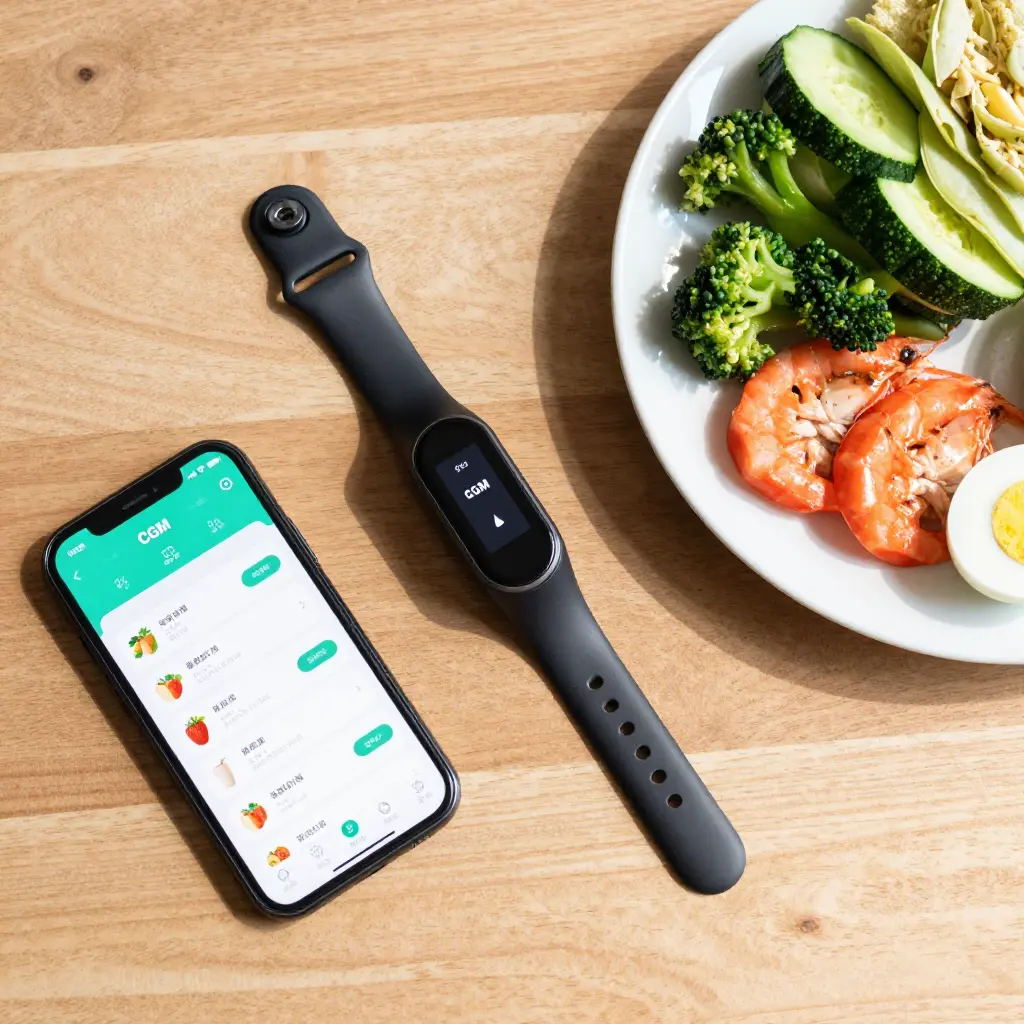
Modern technology removes the frustrating guesswork from your daily metabolic management routine. Wearing a reliable lifestyle diabetes device, like a continuous glucose monitor, provides real-time data about your body.
You can see how a specific meal, a tough workout, or a stressful meeting impacts your blood sugar. In addition to advanced hardware, using smart fitness trackers helps you monitor your daily activity levels.
Many patients also rely on diet tracking apps to log their food intake accurately. These digital tools help you identify hidden carbohydrate spikes and adjust your eating habits accordingly.
Diabetes Lifestyle Management Programs
Sometimes, trying to change your habits alone feels impossible. Enrolling in structured diabetes care programs provides ongoing community support and expert guidance. These programs usually include personalized diet coaching, custom exercise plans, and behavioral therapy.
A formal diabetes lifestyle change program keeps you accountable during your most difficult transitional phases. You learn how to navigate social events, holidays, and restaurant menus without derailing your progress.
Mayo Clinic — Diabetes diet: Create your healthy-eating plan
Most diabetes lifestyle management programs focus on sustainable changes rather than restrictive crash diets. They help you build a resilient mindset so you can thrive for decades to come.
Common Mistakes in Diabetes Lifestyle Management
Even motivated patients make errors that slow down their metabolic progress. One big mistake is ignoring portion sizes when eating healthy foods. Eating an entire bowl of brown rice will still cause a blood sugar spike, even though it is a complex carb.
Another frequent issue is inconsistent medication adherence. Skipping doses because you feel fine today leads to massive glucose swings tomorrow.
Finally, falling back into sedentary habits ruins your insulin sensitivity. You must stay active, even on the days you feel tired, to keep your metabolic engine running smoothly.
Who Needs Diabetes Lifestyle Changes?
The habits discussed in this guide are not just for people with a formal diagnosis. Anyone looking to improve their energy and prevent chronic disease benefits from these strategies. These changes are ideal for individuals who want to learn what is prediabetes to reverse their condition early.
They are also essential for anyone with a strong family history of metabolic disorders. By acting early, you can prevent the genetic switch from flipping in your own body.
Furthermore, individuals struggling with stubborn weight gain often find success using these exact methods. Protecting your blood sugar is the foundation of human longevity.
FAQs
What is a diabetes lifestyle?
A diabetes lifestyle is a structured daily routine prioritizing your long-term metabolic stability. I always tell my patients this simply means making everyday choices that naturally support healthy blood sugar.
Furthermore, this approach involves eating balanced meals, exercising regularly, and consistently monitoring your glucose. Ultimately, you are building sustainable habits rather than following a temporary, restrictive diet.
Can lifestyle changes reverse diabetes?
Yes, these modifications can significantly improve your condition and often normalize your blood sugar in early Type 2 cases. I frequently see patients completely transform their health through dedicated adjustments.
While doctors avoid the word “cure,” you can absolutely achieve long-term, drug-free remission. Consequently, sticking to healthy routines lets your body regain natural insulin sensitivity over time.
What is the best lifestyle change for diabetes?
Consistent weight loss combined with daily physical activity remains the most powerful medical intervention. In fact, getting moving every single day is the first step I recommend to newly diagnosed patients.
Additionally, shedding excess visceral fat directly decreases your cellular insulin resistance. Therefore, losing even a small amount of weight helps restore natural pancreatic function, making glucose management much easier.
Do lifestyle coaches help diabetes patients?
Yes, health coaches provide incredible value by supporting long-term behavior change and offering strict daily accountability. Many people struggle alone, so having a dedicated guide makes a massive difference.
Furthermore, they help patients translate overwhelming medical advice into easily manageable daily routines. As a result, you are much more likely to stick with your new habits and achieve lasting success.
How quickly do lifestyle changes improve blood sugar?
You can see noticeable improvements in your daily glucose readings within just a few days of changing your diet. For example, taking a quick post-meal walk immediately lowers your sugar spike.
However, significant changes to your A1C typically take about three full months of consistent effort. Therefore, staying patient is absolutely crucial while your body slowly repairs its metabolic pathways.
Conclusion
Transforming your metabolic health requires a profound commitment to your daily habits and routines. As we have discussed, building a resilient diabetes lifestyle is not about restricting your favorite foods forever. It is about understanding how your unique body processes energy and making choices that support your natural physiology.
From adopting a structured low-glycemic diet to finding a daily exercise routine, every small choice impacts your future. Furthermore, utilizing modern medical tools like continuous glucose monitors and professional health coaching accelerates your healing journey. You do not have to navigate this complex diagnosis alone.
I encourage you to take one actionable step today toward better metabolic control. Perhaps you will take a brisk walk after dinner tonight or finally schedule an appointment with a certified health coach.
Whatever you choose, remember that your physical health is within your control. Stay consistent, remain patient with yourself, and embrace the powerful journey of holistic healing. By mastering your daily habits, you secure a vibrant, energetic future for yourself and your family.
Evidence-Based References:
- National Library of Medicine — Lifestyle interventions for patients with and at risk for type 2 diabetes: a systematic review and meta-analysis
- National Library of Medicine — 5. Lifestyle Management: Standards of Medical Care in Diabetes-2019
- National Library of Medicine — Prevention of Type 2 Diabetes by Lifestyle Changes: A Systematic Review and Meta-Analysis
- National Library of Medicine — The effectiveness of lifestyle interventions for diabetes remission on patients with type 2 diabetes mellitus: A systematic review and meta-analysis
- National Library of Medicine — Diet, lifestyle, and the risk of type 2 diabetes mellitus in women
- Centers for Disease Control and Prevention — Resources for Referring Patients to the Lifestyle Change Program
- Centers for Disease Control and Prevention — Diabetes Prevention in Hispanics: Report From a Randomized Controlled Trial
- National Institute of Diabetes and Digestive and Kidney Diseases — Type 2 Diabetes
- Mayo Clinic — Diabetes management: How lifestyle, daily routine affect blood sugar
- MedlinePlus — Diabetes Type 2
- MedlinePlus — How to Prevent Diabetes