
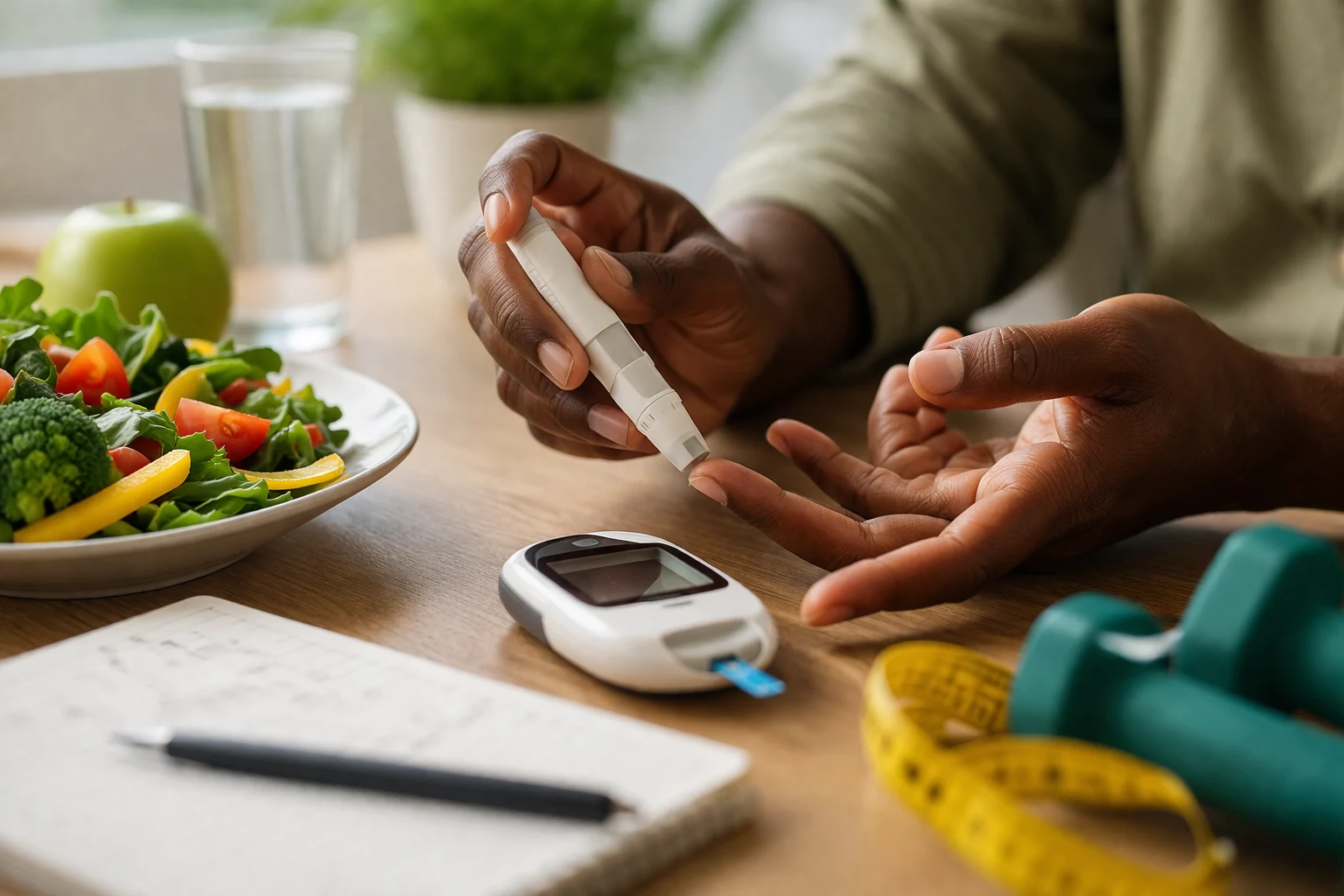
The prediabetes A1C range is 5.7% to 6.4%, according to ADA and CDC guidelines. An A1C below 5.7% is considered normal, while 6.5% or higher indicates diabetes. Monitoring A1C levels helps assess long-term blood sugar control and identify risk for developing type 2 diabetes.
Understanding your prediabetes A1C level is one of the most critical steps you can take for your long-term health. Millions of people walk around every day completely unaware that their blood sugar is silently creeping up. This period before full-blown diabetes is a crucial window of opportunity for prevention.
Many people search for the prediabetes A1C range (often mistyping the number 1 as an “L”), but regardless of how you spell it, the meaning remains the same. The A1C meaning boils down to a clear snapshot of your average blood glucose over the past three months.
Early detection of an elevated A1C allows individuals to make vital lifestyle changes. By understanding what A1C measures and why prediabetes matters, you can take control of your metabolic health. Let us dive into the official numbers and what they mean for your future.
What Is the Prediabetes A1C Range?

When patients receive lab results, their first question is usually: what is the A1C range for prediabetes? Knowing exactly where your numbers fall on the spectrum dictates your next medical steps. The medical community relies on standardized ranges to diagnose metabolic conditions accurately.
If you are wondering exactly what the A1C range for prediabetes is, it is the gray area between normal blood sugar and clinical diabetes. In this stage, your body is starting to struggle with insulin resistance, but it has not fully lost control.
Official ADA and CDC A1C Ranges
The ADA guidelines, defining the prediabetes A1C range as 5.7% to 6.4%, are globally recognized as the gold standard for diagnosis. Similarly, the CDC prediabetes A1C range strictly mirrors these exact numbers to maintain consistency across the healthcare system. Here is the official breakdown:
- Normal: Less than 5.7%
- Prediabetes: 5.7% to 6.4%
- Diabetes: 6.5% or higher
These numbers represent the ADA prediabetes A1c range, giving healthcare providers a clear threshold to recommend lifestyle interventions before the condition worsens.
A1C Meaning: What Does A1C Measure?
To truly grasp the importance of these numbers, you must understand the A1c meaning. A1C, also known as hemoglobin A1C or HbA1c, measures the percentage of your red blood cells that have sugar-coated hemoglobin.
Red blood cells typically live for about 90 days in the human body. Therefore, the test provides a three-month average of your blood sugar levels. What is the A1C meaning in a practical sense? It means you cannot simply fast for one day to “cheat” the test.
Unlike a daily finger-prick test that only shows your glucose at one specific second, the A1C test reveals your long-term metabolic habits. It is the most reliable tool doctors have for assessing overall blood sugar control.
Prediabetes A1C Range Chart
Visualizing your health data makes it much easier to understand. A prediabetes A1C range chart clearly illustrates how close you are to the danger zone. Below is a simplified A1C chart for quick reference.
| Diagnosis Stage | A1C Percentage Range | Fasting Blood Sugar Equivalent |
| Normal | Below 5.7% | 99 mg/dL or below |
| Prediabetes | 5.7% to 6.4% | 100 to 125 mg/dL |
| Diabetes | 6.5% or higher | 126 mg/dL or higher |
Normal vs Prediabetes vs Diabetes A1C Levels
Comparing the normal A1C range directly to the diabetes A1C range highlights the progression of insulin resistance. In the normal stage (under 5.7%), your pancreas produces enough insulin to shuttle glucose into your cells efficiently. Your metabolism functions optimally.
When you enter the prediabetes A1C range of 5.7 to 6.4, your cells become resistant to insulin. The pancreas works overtime to pump out more insulin, but glucose still begins building up in the bloodstream. This is a massive warning sign from your body.
Once a patient crosses into the diabetes A1C range (6.5% and above), the pancreas is exhausted and can no longer keep up with the demand. At this stage, chronic high blood sugar begins causing systemic damage to nerves, blood vessels, and organs.
Clinical Scenario: Consider a typical patient journey. A 45-year-old individual visits their clinic for an annual checkup and receives an A1C of 6.1%. Because this falls perfectly within the prediabetes A1C range, their healthcare provider immediately initiates a conversation about diet and exercise.
By catching it at 6.1% rather than waiting until it hits 6.5%, the individual has a strong chance of reversing the condition entirely through lifestyle modifications.
Prediabetes A1C Range by Age
A common question in medical clinics is whether the prediabetes A1c range by age changes as we get older. While the diagnostic criteria of 5.7% to 6.4% technically apply to all adults, medical professionals often look at acceptable A1C levels by age with a bit of nuance.
As the human body ages, natural cellular aging and metabolic slowdowns can cause slight increases in baseline blood sugar. Therefore, doctors sometimes adjust the target goals for older adults to prevent dangerous low blood sugar (hypoglycemia) from aggressive treatments.
A1C Goals by Age Chart
While the diagnostic threshold remains static, an A1C goals by age chart reflects how treatment targets shift. For younger, healthier individuals, the goal is always strict reversal.
For senior patients with multiple co-morbidities, a slightly higher target might be considered acceptable to ensure safety. A doctor’s primary goal is always balancing blood sugar control with the patient’s overall quality of life.
Normal A1C Levels
When discussing normal A1C levels for older, geriatric specialists often exercise flexibility. For a healthy 75-year-old, keeping the A1C around 7.0% to 7.5% might be considered excellent control.
Aggressively pushing a senior’s A1C down to 5.5% using medications could cause dizziness, falls, and severe hypoglycemic events. Therefore, older adults should always discuss their personalized targets directly with their healthcare team.
What Is a Good A1C Level for a Prediabetic?
If you currently fall into the danger zone, you might wonder: What is a good A1C level for a pre-diabetic? Ideally, your ultimate goal is to push that number completely below 5.7%. Hitting a flat 5.6% or lower means you successfully returned to the normal, healthy range.
Even a small, incremental drop from 6.2% to 5.9% represents a massive improvement in your metabolic health. Progress takes time, so doctors celebrate any downward trend in your lab work. Consistently maintaining a lower number proves your lifestyle changes are working effectively.
When Is A1C No Longer Prediabetic?
In clinical settings, patients often ask: What A1C is no longer pre-diabetic? You officially exit this intermediate stage in one of two distinct ways. First, you can drop your levels back down below 5.7% through dedicated hard work and dietary changes.
Second, unfortunately, your blood sugar levels might rise to 6.5% or higher over time. At that critical point, doctors officially diagnose you with full clinical type 2 diabetes. Therefore, you want to ensure you exit this phase in the downward direction.
What Is a Dangerous A1C Level?
Understanding your long-term health risks requires knowing what is a dangerous level of A1C overall. Anything at or above 6.5% triggers a formal diabetes diagnosis, which inherently carries serious vascular risks.
However, levels exceeding 8.0% or 9.0% become highly dangerous very quickly. Sustaining these extreme high numbers causes permanent nerve damage, vision loss, and severe kidney complications over time. Doctors treat these elevated levels as immediate medical emergencies requiring fast intervention.
Prediabetes A1C Range for Women
Many patients search online to find out what is a normal A1C level for a woman specifically. The official diagnostic ranges remain exactly the same for both all genders across all major health organizations. However, women face unique hormonal fluctuations that can temporarily impact their blood sugar control.
For example, conditions like Polycystic Ovary Syndrome (PCOS) severely increase cellular insulin resistance. Additionally, doctors closely monitor gestating women for gestational diabetes using slightly different, stricter glucose tolerance metrics.
Can You Reverse Prediabetes A1C?
A new diagnosis often causes sudden panic, leading people to ask the following: Can you reverse prediabetes A1C? The medical answer is an absolute and resounding yes. Doctors view this stage as a biological warning sign rather than a permanent, lifelong sentence.
By aggressively changing your daily habits, you can force your cells to accept natural insulin properly again. Shedding excess body weight heavily reduces the burden on your exhausted pancreas. Consistency in your daily nutrition and fitness routine remains the ultimate key to permanent reversal.
How to Lower A1C Naturally
Taking action immediately prevents future medical complications and expensive medications. So, how do you lower A1c without immediate pharmaceutical intervention? First, you must drastically reduce your intake of refined carbohydrates, sodas, and added sugars.
Focus your daily meals entirely around lean proteins, healthy fats, and high-fiber vegetables. Furthermore, committing to 30 minutes of brisk walking every single day dramatically improves your cellular insulin sensitivity.
Finally, prioritizing seven to eight hours of quality sleep lowers the stress hormones that spike your blood glucose.
Prediabetes Treatment Options

When diet and exercise fall short of the goal, doctors explore specific prediabetes treatment protocols. The vital link between the prediabetes A1C range and treatment heavily depends on your personal medical history and genetics.
First-line therapy always begins with a structured, intensive lifestyle intervention program. For instance, the CDC-recognized Diabetes Prevention Program (DPP) helps patients lose 5% to 7% of their body weight safely.
This moderate weight loss alone often pushes blood sugar back into the completely normal zone. Coaches guide patients through nutritional education, physical activity goals, and stress management techniques. However, some individuals require additional medical assistance to achieve their target numbers.
In these specific cases, doctors frequently prescribe a highly effective oral medication called metformin. Metformin actively reduces the amount of excess glucose your liver releases into your bloodstream daily. It also makes your muscle tissue much more sensitive to your naturally circulating insulin.
Doctors usually reserve this specific medication for patients with a BMI over 35 or those with a documented history of gestational diabetes. Beyond Metformin, modern endocrinologists sometimes look at newer drug classes for severe, stubborn insulin resistance.
While originally designed for full type 2 diabetes, certain GLP-1 receptor agonists show incredible promise for early metabolic dysfunction. These injectable medications slow gastric emptying and heavily suppress human appetite, leading to significant weight loss.
As the patient loses visceral body fat, their insulin resistance naturally plummets. Finally, continuous glucose monitors (CGMs) now play a massive role in modern prediabetes treatment plans. These wearable devices track your interstitial blood sugar 24/7, sending real-time data directly to your smartphone.
By seeing exactly which specific foods spike your glucose, you can instantly modify your daily diet. This immediate, actionable feedback loop empowers patients to make smarter daily choices and effectively manage their prediabetes A1C range.
Global Guidelines (CDC, ADA, Canada)
Medical standards sometimes vary slightly depending on your specific geographic location and local health authorities. For example, the prediabetes A1C range used in Canada differs slightly from current American diagnostic standards. Diabetes Canada technically defines prediabetes as an A1C between 6.0% and 6.4%.
Conversely, the American prediabetes A1C range official guidelines start the warning threshold much lower at 5.7%. The World Health Organization (WHO) also maintains slightly varying criteria for international diagnoses.
Regardless of the specific country, all global health organizations agree that early detection prevents irreversible organ damage.
Frequently Asked Questions
What is the A1C range for prediabetes?
The official diagnostic range falls exactly between 5.7% and 6.4%. If your blood test reveals a number in this specific window, your body is showing early signs of insulin resistance. You must take immediate action to prevent the onset of full clinical diabetes.
What is a good A1C level for a pre-diabetic?
The absolute best possible level for someone with this diagnosis is returning below 5.7%. Hitting 5.6% or lower means you have successfully reversed the dangerous condition. Even lowering your baseline number from 6.3% to 6.0% shows excellent metabolic progress.
Can you reverse prediabetes A1C?
Yes, you can completely reverse this condition with dedicated, long-term lifestyle changes. Losing just 5% of your total body weight drastically improves your cellular insulin response. Eating a high-fiber diet and exercising daily serve as the most effective reversal tools available.
What is a dangerous A1C level?
Any level reaching 6.5% or above indicates full type 2 diabetes, which actively damages your vascular system. Levels that climb above 8.0% place you at extreme risk for severe, life-altering complications. These severe complications include kidney failure, permanent blindness, and major cardiovascular disease.
How to lower A1C?
You can effectively lower your numbers by eliminating sugary drinks and heavily processed foods from your daily diet. Building lean muscle mass through resistance training also helps your body burn excess blood glucose rapidly. Finally, getting sufficient quality sleep reduces cortisol, a stress hormone that aggressively drives blood sugar up.
Conclusion
Discovering your numbers fall within the prediabetes A1C range serves as a powerful medical wake-up call. Rather than panicking, you should view this specific diagnosis as a critical, temporary window of opportunity. Because your body is warning you early, you can take immediate, decisive action today.
Implementing strict dietary changes and daily exercise routines heavily impacts your long-term metabolic wellness. Losing just a small percentage of your overall body weight significantly improves your cellular insulin sensitivity.
Consequently, these completely natural, sustainable lifestyle shifts actively push your blood sugar back into the normal zone. Talk to your doctor about your A1C results today to understand your specific metabolic risks clearly.
Together, you can build a customized medical plan that fits your unique body perfectly. Ultimately, you must start lifestyle changes early to prevent diabetes and protect your long-term health.
Medical Disclaimer: The information provided in this article is for educational and informational purposes only and is not intended as a substitute for professional medical advice, diagnosis, or treatment. Always seek the advice of your physician or other qualified healthcare provider regarding your A1C levels and before making any significant lifestyle or dietary changes.