
Blood Sugar Levels: Normal Range, Charts, and How to Control Them
Blood sugar levels are among the most vital health indicators your body relies on every single day. Glucose — the sugar circulating in your bloodstream — serves as your body’s primary energy source, fueling your brain, muscles, and every major organ system. When your levels stay balanced, you feel sharp, energized, and physically strong. But…

Reviewed by
Christine Fallabel, MPH
Written by
Quick Overview
Blood sugar levels are among the most vital health indicators your body relies on every single day. Glucose — the sugar circulating in your bloodstream — serves as your body’s primary energy source, fueling your brain, muscles, and every major organ system.
When your levels stay balanced, you feel sharp, energized, and physically strong. But when they shift too far in either direction, the effects range from daily fatigue and brain fog to serious long-term complications, including heart disease, nerve damage, and diabetes.
Many people are completely unaware of their own numbers, even when they feel fine. In clinical settings, patients are frequently surprised to discover their glucose has been creeping outside the healthy range for months or even years without obvious symptoms.
That is why understanding blood sugar levels — what is normal, what is dangerous, and how to manage them — is one of the most valuable things you can do for your long-term health.
This guide covers everything: normal ranges, clear charts for every age group, how to test at home, and practical daily strategies to keep your glucose in check.
Quick Summary
Glucose fuels every cell in your body. Insulin is the hormone that helps your cells absorb it.
Fasting levels should stay between 70 and 99 mg/dL. Post-meal levels should remain below 140 mg/dL two hours after eating. High glucose causes thirst, fatigue, and organ damage over time. Low glucose is an immediate emergency requiring fast action. Consistent monitoring is your most powerful preventive tool.
What Are Blood Sugar Levels?

Blood sugar levels measure the concentration of glucose in your bloodstream at any given moment.
You obtain glucose primarily from carbohydrates, which your digestive system breaks down into simple sugars. Your blood then transports glucose to every cell in your body for energy.
However, your cells cannot absorb glucose without help. Insulin—a hormone produced by your pancreas—acts as a molecular key that unlocks cells and allows glucose to enter.
When this system works correctly, your energy stays stable, and your organs function well. When it breaks down, glucose accumulates in your blood, and damage begins quietly and progressively.
According to the American Diabetes Association, over 37 million Americans currently have diabetes, and 96 million more have prediabetes—the majority undiagnosed.
What Are Normal Blood Sugar Levels?
Understanding what counts as normal is the essential first step in managing your health.
A healthy body maintains glucose within a predictable, relatively tight range throughout the day. Levels naturally rise after eating and fall as insulin processes the glucose efficiently.
If you have been wondering about what normal blood sugar is, the answer depends on when you test—fasting versus post-meal readings carry different clinical meanings.
Normal Blood Sugar Levels Chart
| Timing | Normal Range |
|---|---|
| Fasting (before breakfast) | 70–99 mg/dL |
| Two hours after a meal | Less than 140 mg/dL |
| Random (any time) | Under 140 mg/dL |
Blood Sugar Levels Normal Range
The normal range serves as your personal metabolic baseline. Every individual varies slightly based on age, fitness, stress, medications, and recent illness.
A single reading slightly outside the range is not automatically alarming. However, a consistent pattern of highs or lows is a clear warning sign that requires medical attention.
Tracking your numbers over time transforms raw data into actionable insight and helps you spot dangerous trends before they cause permanent damage.
Normal Blood Sugar Levels by Age
Age is one of the most important variables in interpreting your glucose readings.
According to the National Institute of Diabetes and Digestive and Kidney Diseases, insulin resistance tends to gradually increase with age, requiring more effort from the body to process glucose efficiently.
Normal Blood Sugar Levels Chart by Age
| Age Group | Fasting Target | Two-Hour Post-Meal |
|---|---|---|
| Children (6–12) | 80–180 mg/dL | Under 180 mg/dL |
| Teens (13–19) | 70–150 mg/dL | Under 180 mg/dL |
| Adults (20–59) | 70–99 mg/dL | Under 140 mg/dL |
| Adults (60+) | 80–130 mg/dL | Under 180 mg/dL |
Doctors set slightly more lenient targets for older adults because the risks associated with hypoglycemia — including falls and cardiac events — can outweigh the benefits of tight control in this population.
Normal Blood Sugar Levels for Adults
For healthy adults aged 20–59, the guidelines set by major health organizations are consistent and clear.
Fasting levels below 100 mg/dL are ideal. Readings between 100 and 125 mg/dL indicate prediabetes. Readings at 126 mg/dL or above on two separate occasions confirm a diabetes diagnosis.
Maintaining levels within the adult normal range protects your blood vessels, kidneys, eyes, and cardiovascular system from cumulative glucose-related damage over time.
Fasting vs. After-Eating Blood Sugar Levels
The timing of your test dramatically changes what your number actually means clinically.
These two measurements assess different dimensions of your metabolic health and should both be part of your regular monitoring routine.
Fasting Blood Sugar Levels Chart
Fasting blood sugar—measured after at least eight hours without food—reflects your liver’s overnight glucose output and your baseline insulin sensitivity.
| Fasting Level | Health Status |
|---|---|
| 70–99 mg/dL | Normal |
| 100–125 mg/dL | Prediabetes |
| 126 mg/dL or higher | Diabetes |
Non-Fasting Blood Sugar Levels Chart
Post-meal readings, taken exactly two hours after the first bite of a meal, reveal how efficiently your body clears glucose after eating. This is clinically called a postprandial glucose test.
| Two-Hour Post-Meal Level | Health Status |
|---|---|
| Under 140 mg/dL | Normal |
| 140–199 mg/dL | Prediabetes |
| 200 mg/dL or higher | Diabetes |
Understanding both measurements gives you and your doctor a far more complete picture of your metabolic health than either test alone can provide.
High Blood Sugar Levels (Hyperglycemia)
When glucose builds up excessively in your bloodstream, the condition is called hyperglycemia.
This is the hallmark of poorly managed or undiagnosed diabetes. However, it also occurs in non-diabetic individuals following illness, extreme stress, injury, or steroid medications.
You can review high blood sugar symptoms in detail to understand what warning signs to watch for. Chronic hyperglycemia causes progressive, often silent damage to nerves, kidneys, eyes, and the heart.
5 Signs Blood Sugar Is Too High
Recognizing these warning signs early allows for faster, more effective intervention:
- Excessive Thirst: Your kidneys work overtime filtering excess glucose, pulling fluid from tissues, and leaving you persistently thirsty throughout the day.
- Frequent Urination: As your kidneys flush out glucose, urine production increases significantly—especially noticeable at night.
- Blurry Vision: Elevated glucose causes fluid shifts into the lens of the eye, temporarily distorting your focus and clarity.
- Persistent Fatigue: Without sufficient insulin, cells cannot access glucose for energy, leaving you chronically exhausted despite adequate sleep.
- Unexplained Weight Loss: When cells cannot use glucose, your body breaks down fat and muscle as an alternative fuel source.
According to the Mayo Clinic, persistent high blood sugar in non-diabetic individuals should always be investigated promptly, as it may indicate developing insulin resistance or early-stage prediabetes.
What Causes High Blood Sugar in Non-Diabetics?
Common triggers include high-carbohydrate meals, emotional or physical stress, acute illness, steroid medications, and hormonal fluctuations.
You can explore high blood sugar in non-diabetics for a deeper breakdown of each cause and the steps you can take to address them effectively.
Low Blood Sugar Levels (Hypoglycemia)
When glucose falls below 70 mg/dL, the condition is called hypoglycemia.
Your brain depends almost entirely on glucose for energy. Even moderate drops produce immediate and distressing symptoms that require fast action.
Understanding what low blood sugar feels like is essential for anyone taking insulin, exercising intensely, or frequently skipping meals.
Low Blood Sugar Levels Chart
| Glucose Level | Condition | Immediate Action |
|---|---|---|
| 55–69 mg/dL | Mild Hypoglycemia | Consume 15g of fast-acting carbohydrates |
| Under 55 mg/dL | Severe Hypoglycemia | Call emergency services immediately |
Symptoms of Low Blood Sugar
According to the American Academy of Family Physicians, early hypoglycemia symptoms include sudden shakiness, cold sweats, rapid heartbeat, intense hunger, and confusion or irritability.
In severe cases, hypoglycemia leads to seizures, loss of consciousness, and death. You can learn more about the causes of hypoglycemia and how to prevent dangerous drops before they happen.
Dangerous Blood Sugar Levels

Certain readings cross into emergency territory that requires immediate medical care.
Levels consistently above 250 mg/dL are considered dangerous. Readings above 600 mg/dL can trigger a hyperosmolar hyperglycemic state (HHS), a life-threatening complication requiring hospitalization.
On the low end, readings under 55 mg/dL represent severe hypoglycemia. You can review what level of blood sugar is dangerous for a complete breakdown of emergency thresholds and appropriate responses at each level.
Never attempt to self-treat extreme readings. If the person is confused, seizing, or unconscious, call emergency services immediately.
Blood Sugar Levels in Diabetes
People living with diabetes face different daily targets than the general population, designed to prevent both acute crises and long-term complications.
The Centers for Disease Control and Prevention recommends that most non-pregnant adults with diabetes aim for fasting levels of 80–130 mg/dL and post-meal levels under 180 mg/dL.
Individual targets vary based on the type of diabetes, age, medications, and overall health status.
Type 2 Diabetes Blood Sugar Levels
Type 2 diabetes affects roughly 90–95% of all people with diabetes. In this condition, cells gradually become resistant to insulin’s effects over time.
Understanding what type 2 diabetes is and how it progressively impairs glucose regulation is the foundation of effective self-management and complication prevention.
Without proper control, consistently elevated levels lead to neuropathy, retinopathy, nephropathy, and cardiovascular disease.
A1C and Long-Term Blood Sugar Control
Beyond daily readings, the A1C test measures your average blood sugar over the past two to three months.
| A1C Level | Interpretation |
|---|---|
| Below 5.7% | Normal |
| 5.7%–6.4% | Prediabetes |
| 6.5% or higher | Diabetes |
For most adults with diabetes, a target below 7% is recommended. According to Johns Hopkins Medicine, keeping a consistent log of daily readings alongside A1C results helps care teams identify patterns and adjust treatment plans effectively.
Blood Sugar Levels in Pregnancy
Pregnancy introduces unique metabolic challenges that require close monitoring.
Placental hormones can interfere with insulin effectiveness, allowing glucose to accumulate—a condition called gestational diabetes. According to the American College of Obstetricians and Gynecologists, gestational diabetes affects between 6% and 9% of all pregnancies in the United States.
Target ranges during pregnancy are stricter than for nonpregnant adults:
- Fasting: under 95 mg/dL
- One hour post-meal: under 140 mg/dL
- Two hours post-meal: under 120 mg/dL
Most women’s levels return to normal after delivery. However, gestational diabetes significantly increases the long-term risk of developing type 2 diabetes.
Blood Sugar Units: mg/dL vs. mmol/L
The United States uses mg/dL. The United Kingdom, Canada, Australia, and most of Europe use mmol/L.
Converting between them is straightforward: multiply mmol/L by 18 to get mg/dL. For example, 5.5 mmol/L equals 99 mg/dL — right at the upper boundary of the normal fasting range.
Knowing this formula prevents confusion when reading international health charts or using devices calibrated for different regions.
How to Check Blood Sugar Levels at Home
Home glucose monitoring is one of the most empowering tools available for proactive health management. Modern meters are fast, accurate, and minimally painful.
Step-by-Step Testing Guide
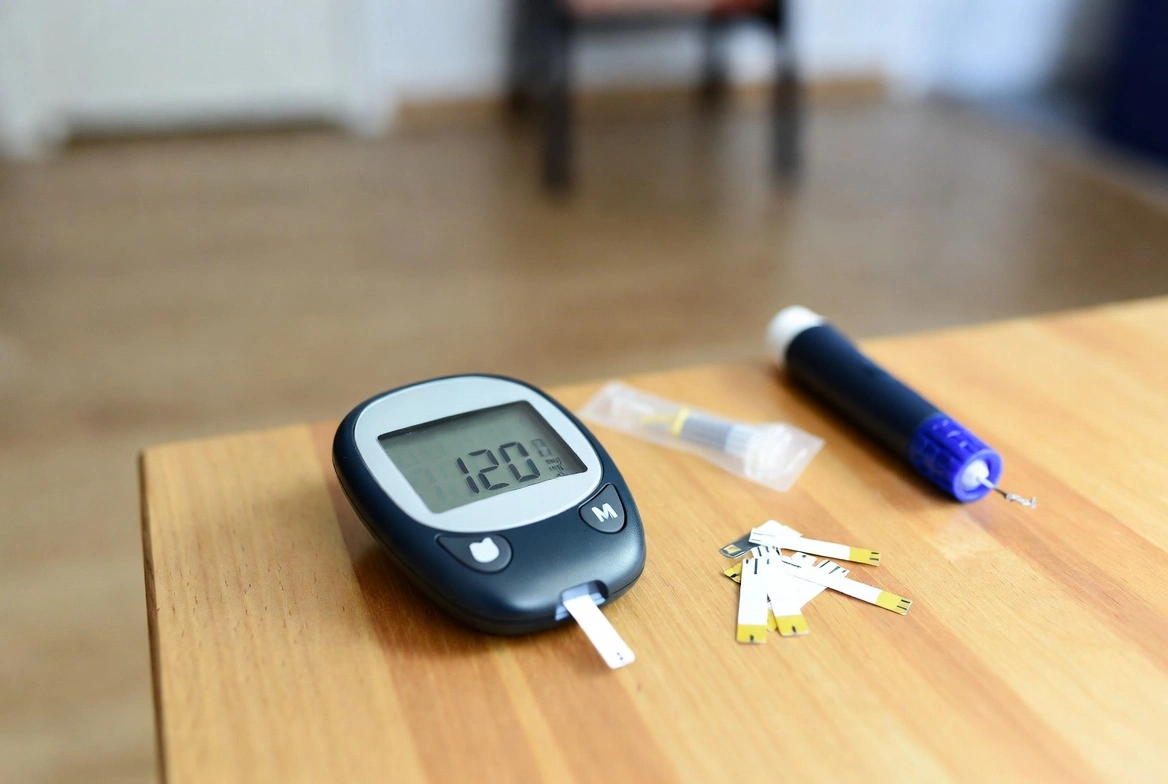
- Wash your hands thoroughly with warm soap and water, and dry completely
- Insert a calibrated test strip into your glucose meter
- Use a lancet to gently prick the side of your fingertip
- Apply a small blood drop to the edge of the test strip
- Read the result displayed in seconds
- Record the reading, time of day, and what you recently ate
For those exploring less invasive options, blood sugar monitors without finger pricks using continuous glucose monitoring (CGM) technology are increasingly accurate and widely available.
How to Read Your Results
Compare your reading to your personalized target range established by your doctor.
A single out-of-range reading rarely demands an alarm. A consistent pattern of highs or lows, however, requires prompt medical attention and possibly a treatment adjustment.
How to Lower Blood Sugar Levels
When glucose spikes, both immediate responses and long-term habits matter.
Quick Strategies
- Drink a large glass of water to help your kidneys flush excess glucose
- Take a brisk 15-minute walk—physical activity drives glucose into muscle cells efficiently
- Avoid eating additional carbohydrates until your levels begin to stabilize
- Take prescribed medications exactly as directed by your healthcare provider
For step-by-step guidance on managing acute spikes, review how to lower blood sugar fast for evidence-based approaches that work quickly.
Long-Term Natural Approaches
According to a study published in Diabetes Care, regular moderate-intensity exercise significantly improves insulin sensitivity and lowers average glucose in both diabetic and non-diabetic individuals.
Key long-term strategies include:
- Building lean muscle mass through resistance training
- Eating a high-fiber, low-glycemic diet rich in vegetables and legumes
- Maintaining a healthy body weight
- Getting 7–9 hours of quality sleep consistently
- Managing chronic stress through mindfulness or regular physical activity
How to Raise Blood Sugar Levels
When glucose drops below 70 mg/dL, fast action is required to protect your brain and nervous system.
The 15-15 Rule
- Consume 15 grams of fast-acting carbohydrates immediately
- Wait exactly 15 minutes and recheck your levels
- If still below 70 mg/dL, repeat the process
Good sources of 15 grams of fast-acting carbohydrates include 4 ounces of fruit juice, 3–4 glucose tablets, or 1 tablespoon of honey dissolved in water.
If symptoms are severe—confusion, seizure, or loss of consciousness—call emergency services immediately. Never give food or drink to someone who is unresponsive.
How to Control and Manage Blood Sugar Long-Term
Sustainable glucose control is built on consistent daily habits rather than short-term emergency responses.
Diet and Nutrition
Your food choices are your most powerful daily tool. Prioritize high-fiber carbohydrates, lean proteins, and healthy fats at every meal. Avoid refined carbohydrates, sugary beverages, and ultra-processed foods that cause rapid, damaging spikes.
For a comprehensive dietary framework, explore the best foods for diabetics to build a glucose-friendly eating pattern that is both effective and genuinely satisfying.
Exercise, Sleep, and Stress
Both aerobic exercise and resistance training improve insulin sensitivity measurably. Sleep deprivation and chronic stress elevate cortisol, which directly raises blood glucose by triggering the liver to release stored sugar.
Prioritizing quality sleep and incorporating stress-reduction practices—meditation, regular exercise, or regular social connection—produces real, measurable improvements in glucose control over time.
According to Harvard T.H. Chan School of Public Health, the quality and type of carbohydrates you consume are just as important as the quantity when managing your glucose response effectively.
Frequently Asked Questions
What are normal blood sugar levels for a healthy adult?
For healthy adults without diabetes, normal fasting blood sugar ranges from 70 to 99 mg/dL. Two hours after eating, levels should stay below 140 mg/dL. Readings between 100 and 125 mg/dL when fasting indicate prediabetes. Consistently elevated readings on two separate occasions may confirm a diabetes diagnosis and lifestyle intervention from a qualified healthcare provider.
What level of blood sugar is considered dangerous?
Blood sugar levels consistently above 250 mg/dL are dangerous and cause progressive organ damage over time. Levels above 600 mg/dL may trigger a hyperosmolar hyperglycemic state, a potentially fatal emergency. On the low end, readings below 55 mg/dL represent severe hypoglycemia requiring immediate emergency treatment to prevent seizures and permanent neurological damage.
How do I check my blood sugar levels accurately at home?
To test accurately at home, insert a calibrated test strip into your glucose meter. Wash and dry your hands completely, then prick the side of your fingertip using a lancet device. Apply a small blood drop to the strip edge. Record the reading along with the time and your most recent meal for accurate ongoing trend analysis.
What foods help lower blood sugar levels quickly?
Drinking a large glass of water and taking a 15-minute brisk walk are among the fastest natural ways to lower post-meal spikes. For long-term control, high-fiber foods like broccoli, chia seeds, oats, beans, and leafy greens slow glucose absorption effectively. Fats also reduce post-meal rises by slowing gastric emptying and supporting a more stable insulin response overall.
Does emotional stress raise blood sugar levels significantly?
Yes, both physical and emotional stress significantly raise blood sugar levels. When stressed, your body releases cortisol and adrenaline, signaling the liver to release stored glucose as emergency fuel. Chronic daily stress, therefore, contributes to consistently elevated glucose, worsening insulin resistance, and developing type 2 diabetes even in otherwise metabolically healthy individuals without a prior diagnosis.
Conclusion
Understanding your blood sugar levels is one of the most impactful steps you can take toward protecting your long-term health and quality of life.
You now know the normal ranges for every age group, how to interpret fasting and post-meal charts, what emergency readings look like, and the practical daily tools available to raise or lower your glucose effectively when needed.
Small, consistent habits — high-fiber meals, post-meal walks, quality sleep, stress management, and regular monitoring — compound over time into substantially better metabolic health and meaningfully lower risk of serious complications.
If your readings have been outside the normal range, do not delay. Speak with your doctor, begin monitoring regularly, and commit to the lifestyle adjustments that protect your blood vessels, kidneys, nerves, and heart for decades ahead.
Authoritative References
- Centers for Disease Control and Prevention. (2025). Preventing Diabetic Ketoacidosis. https://www.cdc.gov/diabetes/about/diabetic-ketoacidosis.html
- American Diabetes Association. (2025). Low Blood Glucose (Hypoglycemia). https://diabetes.org/living-with-diabetes/treatment-care/hypoglycemia
- Mayo Clinic. (2025). Hyperglycemia in Diabetes. https://www.mayoclinic.org/diseases-conditions/hyperglycemia/symptoms-causes/syc-20373631
- Mayo Clinic. (2025). Diabetic Ketoacidosis. https://www.mayoclinic.org/diseases-conditions/diabetic-ketoacidosis/symptoms-causes/syc-20371551
- Cleveland Clinic. (2025). Hyperglycemia (High Blood Sugar). https://my.clevelandclinic.org/health/diseases/9815-hyperglycemia-high-blood-sugar
- Cleveland Clinic. (2025). Hypoglycemia (Low Blood Sugar). https://my.clevelandclinic.org/health/diseases/11647-hypoglycemia-low-blood-sugar
- Harvard T.H. Chan School of Public Health. (2025). Carbohydrates and Blood Sugar. https://nutritionsource.hsph.harvard.edu/carbohydrates/carbohydrates-and-blood-sugar
- World Health Organization. (2025). Diabetes. https://www.who.int/news-room/fact-sheets/detail/diabetes
- MedlinePlus. (2025). Diabetic Hyperglycemic Hyperosmolar Syndrome. https://medlineplus.gov/ency/article/000304.htm
- National Health Service. (2025). Hyperglycemia (High Blood Sugar). https://www.nhs.uk/conditions/high-blood-sugar-hyperglycaemia/

SOURCES
Related articles


Diabetic-Friendly Weight Loss Meals: 1500-Calorie Plans, Easy Recipes & 7-Day Guide


Online Counseling for Chronic Illness: Therapists, Platforms & Coping Strategies

Therapy for Diabetes Depression: Treatments, Mental Health Workbooks & Best Support Resources (2026)