
Glycemic Index Foods List: Low, Medium, and High GI Foods Explained
Ever wonder why some meals leave you energized while others trigger a sudden crash? You are not alone. Many patients ask me how food impacts their daily energy and blood sugar. The answer lies in understanding the glycemic index foods list. This simple tool ranks carbohydrates based on how fast they enter your bloodstream. You…

Reviewed by
Dt. Maryam Fatima
Written by

Quick Overview
Ever wonder why some meals leave you energized while others trigger a sudden crash? You are not alone. Many patients ask me how food impacts their daily energy and blood sugar. The answer lies in understanding the glycemic index foods list.
This simple tool ranks carbohydrates based on how fast they enter your bloodstream. You will learn exactly which items keep your levels steady and which ones cause sharp spikes. We will explore low, medium, and high GI categories with clear examples.
You will also discover smart pairing strategies that work in real life. Stick around to grab a free chart, read expert-backed tips, and transform your daily meals into sustainable habits. Let’s dive right into your new routine today.
Key Takeaways
Low GI foods support stable blood sugar throughout the day. High GI foods should remain occasional treats rather than staples. Balance and portion control matter more than any single metric.
Consistency drives long-term metabolic health. Small swaps compound over months. You will notice better energy, improved sleep, and steadier moods. Track your progress with regular check-ins and lab work.
What Is the Glycemic Index?
The glycemic index of foods measures how quickly carbohydrates raise your blood glucose. Researchers compare each item against pure glucose, which scores exactly 100. This system focuses purely on speed rather than total calories or fat content.
I regularly use this metric in clinical practice. A recent patient named Maria struggled with afternoon fatigue after lunch. She ate white pasta and skipped vegetables.
Her glucose spiked, then crashed. We adjusted her plate to include lentils and broccoli instead. Her energy stabilized within two weeks. Small swaps create massive differences over time.
The glycemic index foods list helps you predict these reactions before you eat. It ranks items on a zero to 100 scale. Lower scores mean slower digestion and steadier glucose curves. Higher scores mean faster breakdown and quick energy bursts.
Glycemic Index Categories
Understanding the scoring system makes meal planning much easier. You only need to remember three ranges. Most nutrition guidelines rely on these exact thresholds.
| Category | GI Score | Effect on Blood Sugar |
|---|---|---|
| Low GI | ≤55 | Slow, steady rise |
| Medium GI | 56–69 | Moderate increase |
| High GI | ≥70 | Rapid, sharp spike |
You can find a detailed glycemic index score chart from major research institutions. Harvard Health maintains one of the most widely cited databases. The American Diabetes Association also references these categories in its clinical guidelines.
Low Glycemic Index Foods List
Low glycemic index foods release glucose gradually into your system. They typically contain fiber, resistant starch, or healthy fats. These nutrients slow down digestive enzymes significantly.
Most non-starchy vegetables fall into this group. Leafy greens, peppers, and zucchini rank very low. Legumes also score exceptionally well due to their protein and fiber matrix. Beans, lentils, and chickpeas keep your glucose flat for hours.
Whole fruits with skin intact work beautifully too. The natural fiber wraps around the sugars and delays absorption. Nuts and seeds contain almost no digestible carbs. They pair perfectly with any meal to blunt glucose spikes.
Low-Glycemic-Index Fruits
Fresh berries deliver antioxidants without triggering sharp rises. Apples and pears keep their fiber intact when you eat the skin. Cherries and grapefruit also rank favorably on testing.
Citrus fruits generally score between 30 and 45. They provide vitamin C alongside slow-release carbs. You can enjoy these items daily without major concerns. Just watch your portion sizes carefully.
Low GI Foods for Diabetes
Patients managing prediabetes benefit most from strict low-GI choices. Non-starchy vegetables dominate this space. Broccoli, spinach, and asparagus barely move the glucose needle.
Whole grains like steel-cut oats and quinoa score under 55. They retain bran and germ layers during processing. Legumes provide slow-digesting starch alongside plant protein. This combination supports insulin sensitivity over time.
Many clinicians recommend building your plate around these items first. Add lean proteins and healthy oils next. You will naturally reduce your overall carbohydrate density.
Medium Glycemic Index Foods List
Medium glycemic index foods occupy the middle ground. They digest at a moderate pace and cause steady glucose climbs. These items work well when paired with fats or proteins.
Brown rice and wild rice fall into this range. Whole wheat bread typically scores around 55 to 65, depending on the brand. Sweet potatoes also land here when baked whole.
You do not need to eliminate these foods entirely. Instead, treat them as supporting players on your plate. Combine them with eggs, avocado, or olive oil. The fat content slows gastric emptying significantly.
Cooking methods change these numbers quickly. Overcooking pasta raises its GI dramatically. Al dente preparation preserves the starch structure better. Always test your own glucose response when trying new preparations.
High Glycemic Index Foods List
High glycemic index foods digest rapidly and flood your bloodstream with sugar. These items often undergo heavy processing or contain refined flours. Manufacturers strip away fiber during production.
White bread and bagels score above 70 consistently. Instant white rice behaves similarly in your gut. Sugary cereals dissolve almost immediately upon chewing. Processed potatoes like French fries or instant mash rank very high too.
These foods deliver quick energy but rarely sustain it. You will feel a burst followed by a steep drop. That drop triggers cravings and overeating cycles. Breaking that loop requires strategic meal adjustments.
You can still enjoy higher GI items occasionally. Just keep portions small and pair them with fiber. Add a handful of almonds to your toast. The healthy fats will blunt the glucose spike considerably.
What Are the Worst High-Glycemic Foods?

Some items consistently disrupt metabolic balance. Nutritionists flag these products for rapid sugar delivery. You will find them in most standard grocery aisles.
- Sugary drinks (soda, sweet tea, energy drinks)
- Packaged candy and gummies
- Refined white bread and rolls
- Commercial pastries and donuts
- Flavored yogurt with added syrups
These products lack fiber entirely. They enter your bloodstream almost instantly. Your pancreas must pump out large insulin doses to compensate. Chronic stress on your pancreas increases metabolic risk over time.
Swap these items for whole food alternatives. Drink sparkling water with lime instead of soda. Snack on raw vegetables with hummus. Choose plain Greek yogurt and add fresh berries yourself. Small changes compound quickly.
Glycemic Index Chart
You can use this compact table for fast decisions. The values come from standardized clinical testing under controlled conditions. Individual responses will vary slightly based on metabolism.
| Food Item | GI Score |
|---|---|
| Green Apples | 36 |
| Rolled Oats | 55 |
| Sweet Potatoes | 63 |
| White Rice | 73 |
| White Bread | 75 |
| Cornflakes | 81 |
Keep this reference on your fridge or phone. You will make smarter choices at restaurants and supermarkets. Pair high items with low items to balance the overall meal score.
Regional Variations
Global food traditions influence GI testing significantly. Local crop varieties change starch composition. Processing standards also differ across borders.
Low Glycemic Index Foods List USA
American pantries feature oats, beans, and sweet potatoes prominently. These items score consistently low in domestic testing. Traditional Southern black-eyed peas rank under 40. Quinoa has gained massive popularity for its steady glucose profile.
Many US brands fortify bread with fiber now. Look for sprouted grain options. These retain more intact starch chains. Your digestive system processes them more slowly.
Low Glycemic Index Foods List India
Indian diets rely heavily on lentils and chickpeas. Dal preparations score very low due to slow-digesting starch. Traditional basmati rice ranks lower than standard long-grain varieties. Fermented batters like dosa also show moderated GI values.
Adding turmeric and black pepper improves insulin sensitivity further. These spices do not change GI scores directly. They support glucose metabolism at the cellular level.
High Glycemic Index Foods List India
Refined maida dominates many packaged snacks. White poha and instant noodles spike glucose rapidly. Overcooked rice dishes lose their structural integrity quickly. Jaggery and refined sugar desserts rank extremely high.
Modern Indian kitchens increasingly swap white rice for brown or red varieties. This simple change reduces the average meal GI by 15 to 20 points.
UK Glycemic Index Charts
British testing often focuses on oats, rye, and root vegetables. The NHS promotes low-GI swaps for weight management. Traditional British porridge scores well when prepared without added sugar. Wholemeal pitta bread ranks moderately low compared to standard loaves.
0 Glycemic Index Foods: Do They Exist?
Technically, pure proteins and fats score near zero. They contain no digestible carbohydrates. Your body does not convert them into glucose quickly.
Meat, poultry, fish, and eggs fit this category. Cooking oils, butter, and avocado contain only fats. These items do not appear on standard GI charts because the test requires carbs.
You can use these foods to anchor high-GI meals. Adding salmon to white rice lowers the overall glycemic impact. The protein and omega-3 fats slow digestion significantly.
What Are the Best Low-Glycemic Foods to Eat?
Focus on fiber-rich vegetables first. Broccoli, kale, and Brussels sprouts deliver nutrients without sugar spikes. Legumes provide steady energy alongside plant-based protein.
Nuts and seeds offer healthy fats alongside minimal carbs. Berries supply antioxidants with low fructose loads. Steel-cut oats make an excellent breakfast base when cooked properly.
Rotate these items weekly to avoid nutrient gaps. Variety protects your gut microbiome diversity. A diverse microbiome improves glucose metabolism over time.
What Is the One Fruit That Lowers Blood Sugar?
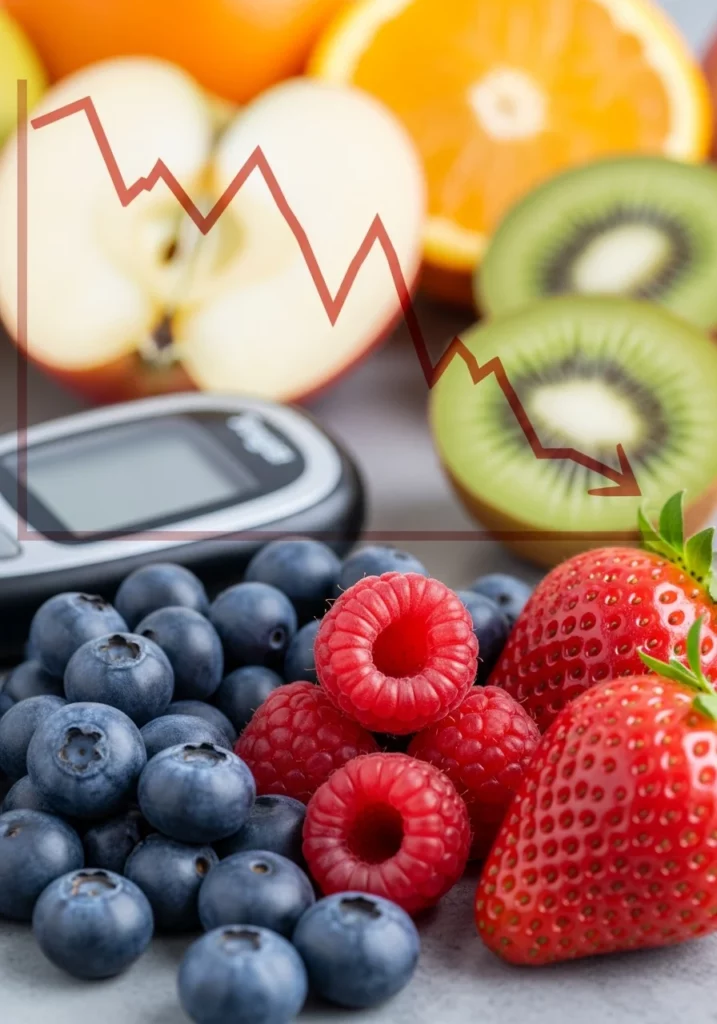
No single fruit actively lowers blood sugar. Fruits contain carbohydrates. All carbs raise glucose to some degree.
Berries consistently rank lowest among common options. They deliver fiber and polyphenols alongside natural sugars. These compounds support insulin signaling pathways.
You can enjoy one serving daily without disrupting control. Measure portions carefully. One cup of fresh berries typically works best.
What 7 Fruits Should Diabetics Avoid?
Large portions of high-sugar fruits trigger rapid glucose climbs. You do not need to eliminate them. Just limit frequency and watch serving sizes.
- Watermelon
- Pineapple
- Mango
- Overripe bananas
- Large portions of grapes
- Excess dried fruits
- Fruit juices with added syrups
These items lack sufficient fiber to slow absorption. Drying removes water and concentrates sugars significantly. Juices strip away all structural fiber entirely.
Swap these for lower GI alternatives. Choose whole apples instead of apple juice. Pick fresh peaches instead of canned in syrup. Read labels carefully to spot hidden sweeteners.
How to Use the Glycemic Index for Blood Sugar Control
Pair carbohydrates with protein or healthy fats. This combination slows gastric emptying. Your glucose curve flattens significantly.
Choose whole, minimally processed foods whenever possible. Intact fiber networks delay digestive enzymes. Avoid powders, juices, and instant mixes.
Watch portion sizes strictly. Even low-GI foods raise blood sugar in large quantities. Use measuring cups initially. You will learn visual portion estimation quickly.
Track your personal responses with a glucose monitor. Food databases provide averages only. Your metabolism reacts uniquely. Personal data beats generic charts every time.
Glycemic Index vs Glycemic Load
GI measures carbohydrate quality. It ignores the total amount. You need both metrics for accurate planning.
Glycemic Load (GL) multiplies GI by carb quantity per serving. A low-GI food eaten in huge portions still raises glucose. GL captures that reality.
Watermelon scores high on GI but low on GL per small serving. Carrots score a moderate GI but extremely low GL. Context matters heavily in daily nutrition.
Use GL for portion planning. Use GI for food selection. Combine both for optimal results.
Action Plan
- Swap refined grains for whole-grain or legume alternatives
- Keep printed charts in your kitchen for quick reference
- Monitor your blood sugar two hours after meals
- Pair carbs with lean protein or healthy fats consistently
- Consult your doctor before changing your current nutrition plan
Frequently Asked Questions
How Does the Glycemic Index Work?
The glycemic index ranks carbohydrate foods by their impact on blood glucose. Researchers feed participants standardized portions. They measure glucose response over two hours. Lower scores mean slower digestion. Higher scores mean rapid absorption.
Which Foods Rank Lowest on the Glycemic Index?
Legumes, non-starchy vegetables, and most fresh fruits rank lowest. Steel-cut oats and sprouted grains also score well. Pure fats and proteins lack carbs entirely. They do not appear on standard charts.
Can a Low GI Diet Manage Diabetes?
Yes, low GI patterns help stabilize daily glucose levels. They reduce post-meal spikes significantly. You must still track total carbohydrates. Pair this approach with regular movement and adequate sleep for the best results.
Do All Carbohydrate Foods Have a Glycemic Index?
Most digestible carbs do. Non-digestible fibers and resistant starches fall outside the test. Pure sugars, starches, and whole grains appear regularly. Food processing dramatically alters individual scores.
Should I Track Glycemic Load Instead?
Glycemic load offers better real-world accuracy. It factors in portion size alongside GI ranking. Use GL for daily meal planning. Reference GI when comparing similar foods. Both tools work best together.
Conclusion
Understanding the glycemic index foods list empowers you to make smarter choices every single day. You now know which items keep your energy stable and which ones trigger unwanted spikes. Small, consistent swaps create lasting metabolic benefits over time.
Focus on whole, fiber-rich foods first. Pair carbohydrates with protein or healthy fats. Watch your portions carefully. Track your personal responses with a glucose monitor when possible. These habits compound into better health, improved sleep, and sharper focus.
Remember, no single food defines your diet. Balance matters more than perfection. You can still enjoy occasional treats without derailing your progress. Just plan ahead and pair wisely.
Take action this week. Print a glycemic index foods list for your kitchen. Swap one high-GI item for a lower-GI alternative. Notice how you feel two hours after meals. Share these tips with a friend or family member who could benefit.
Your health journey is personal. Work with your doctor or a registered dietitian to tailor these strategies to your unique needs. You deserve steady energy and long-term wellness. Start with one smart choice today, and let your glycemic index foods list guide you forward.
Authoritative Medical References:
- American Diabetes Association (ADA) – How to Count Carbs for Diabetes
- Harvard Health Publishing – Glycemic index for 60+ foods
- Centers for Disease Control and Prevention (CDC) – Carb Counting | Diabetes
- World Health Organization (WHO) – Carbohydrate intake for adults and children
- National Center for Biotechnology Information (NCBI) – Glycemic index, glycemic load, carbohydrates, and type 2 diabetes

SOURCES
Related articles

Intermittent Fasting and Diabetes Safety: Schedules, Risks, & Blood Sugar Guide

Diabetic-Friendly Weight Loss Meals: 1500-Calorie Plans, Easy Recipes & 7-Day Guide


Online Counseling for Chronic Illness: Therapists, Platforms & Coping Strategies

Therapy for Diabetes Depression: Treatments, Mental Health Workbooks & Best Support Resources (2026)